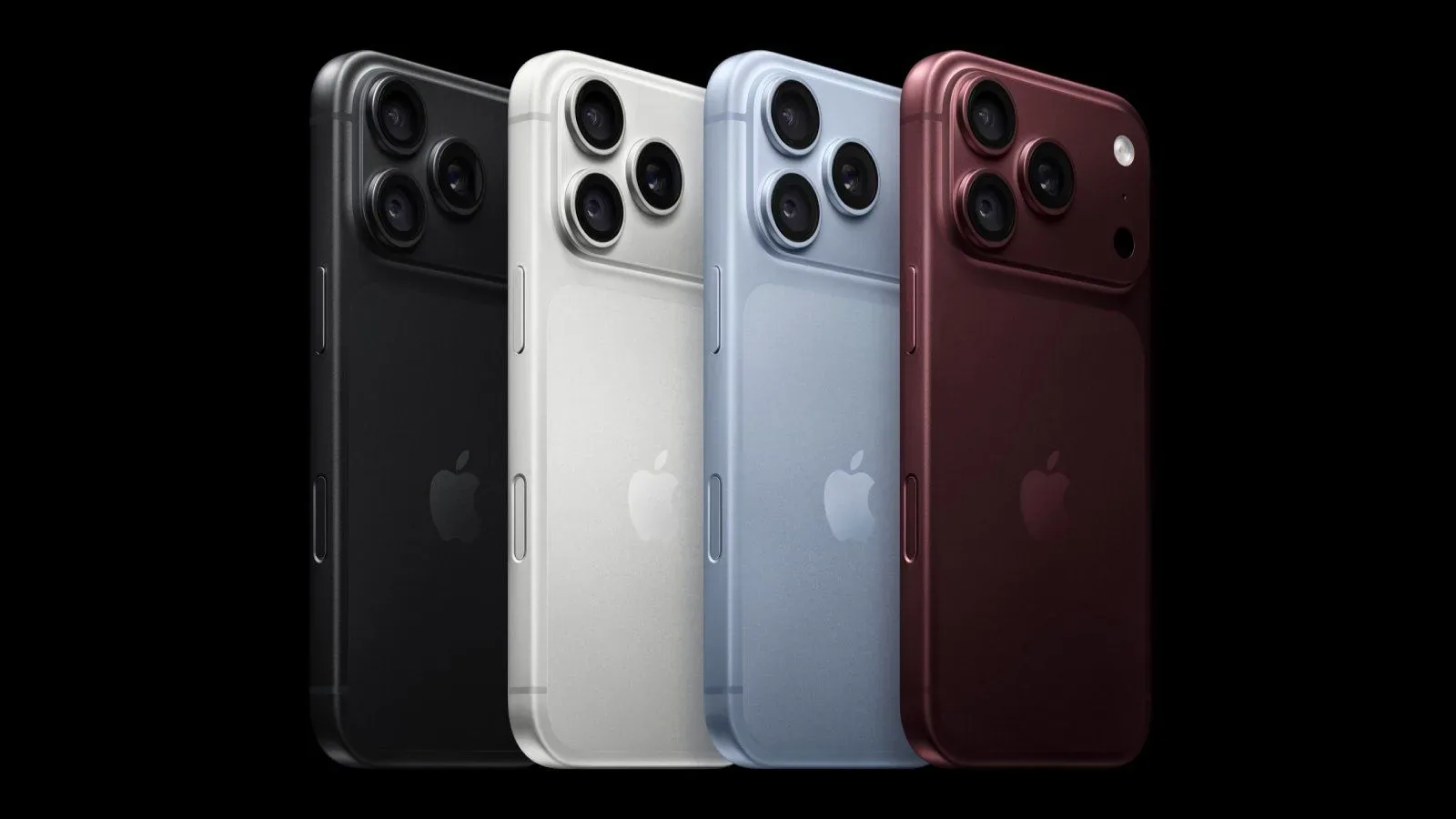
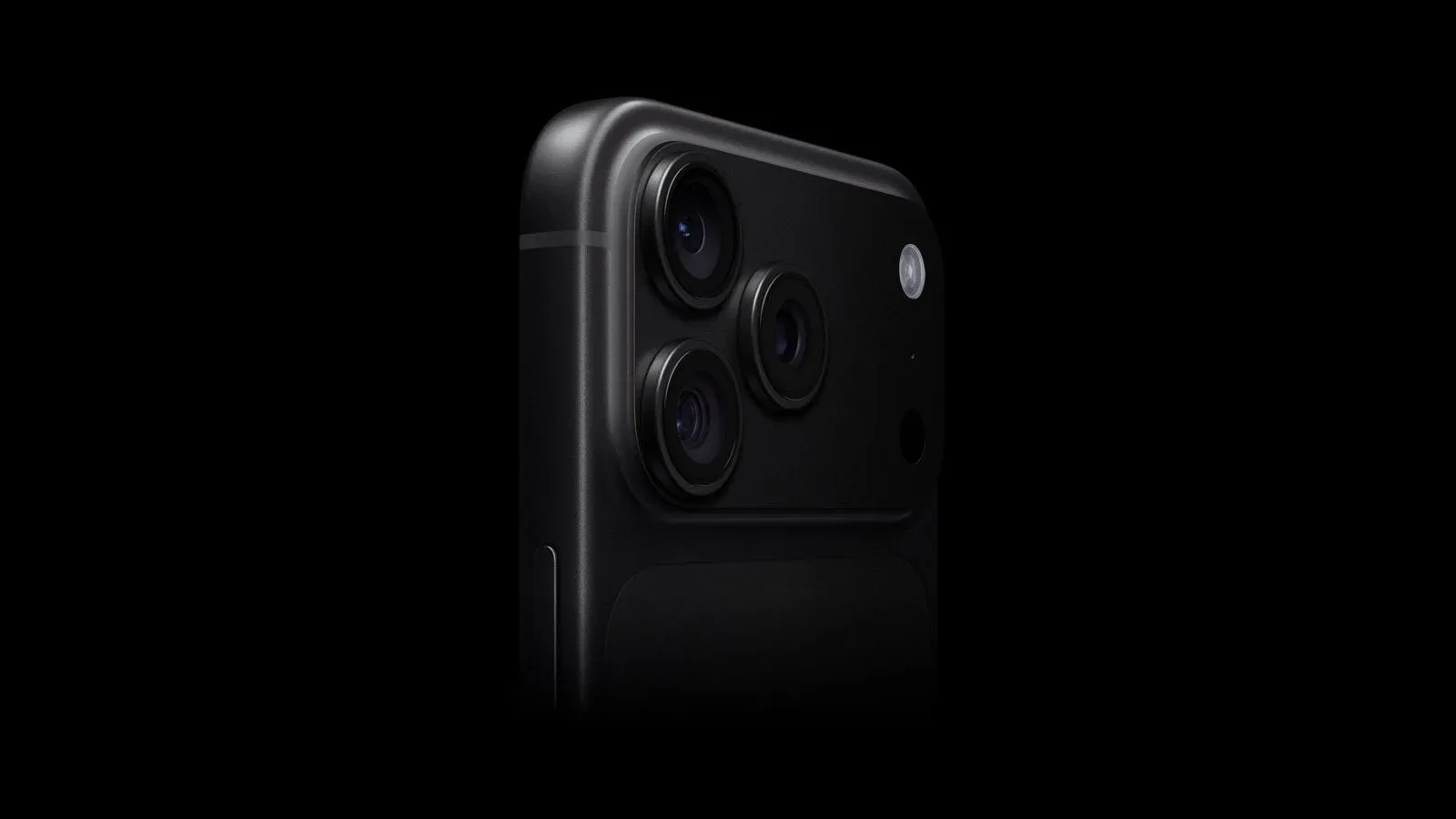
Apple is reportedly exploring two sharply different visual directions for its 20th-anniversary iPhone: a familiar flat-glass design and a much more sculpted handset with glass curving around all four edges. The reporting describes four models in development, split evenly between those approaches, though that does not establish that four anniversary iPhones will reach stores.
For players and anyone who uses an iPhone as a daily all-in-one screen—for games, streaming, chat, capture, social apps and cloud saves—the interesting part is not simply that the display border could get smaller. It is that Apple may be testing how far it can push the appearance of a screen-first device while still keeping a metal structure around the phone. The proposed curved version is said to pair curved front and rear glass with a thin metal band, rather than pursue an earlier concept that apparently relied even more heavily on glass.
The anniversary devices are expected in fall 2027. “iPhone 20 Pro” is a label used in leaks, not a confirmed product name, and Apple’s eventual naming strategy remains unknown.
Four prototypes do not necessarily mean four retail models
The most important uncertainty is also the easiest one to miss: prototype counts and launch lineups are different things. The claim is that Apple has four models in development, with two flat-glass examples and two using four-sided curved glass. There are several plausible ways to read that arrangement.
- Apple could be evaluating two sizes in both design styles, potentially resembling a Pro and larger Pro Max-sized pairing.
- The flat devices could serve as alternatives or fallbacks while the more ambitious curved hardware is assessed.
- The flat models could be intended as standard iPhone 20 devices, separate from curved Pro versions.
None of those possibilities has been confirmed. They are interpretations of the reported prototype split, and the key takeaway is that design work appears unsettled. A company can build multiple hardware paths precisely because it has not committed to one. Until Apple presents a finished device, it would be premature to treat either the flat or curved form as guaranteed.
That distinction matters for buyers planning a future upgrade. The reports offer an early picture of the ideas under consideration, not a product specification sheet. There is no confirmed pricing, screen size, hardware capability, game performance figure, release-date detail beyond the expected fall 2027 window, or final model count in the available information.
What “curved on all four sides” means
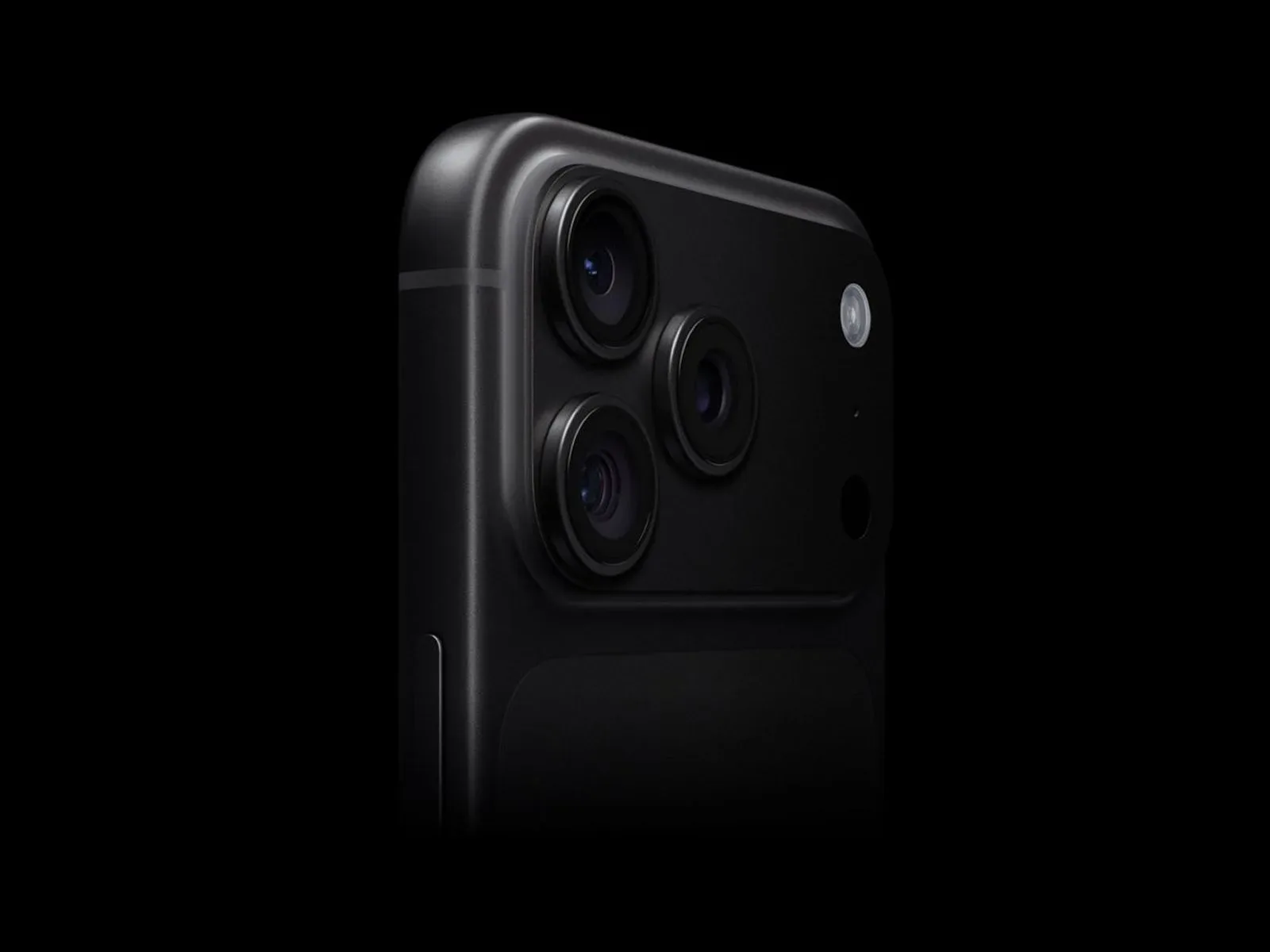
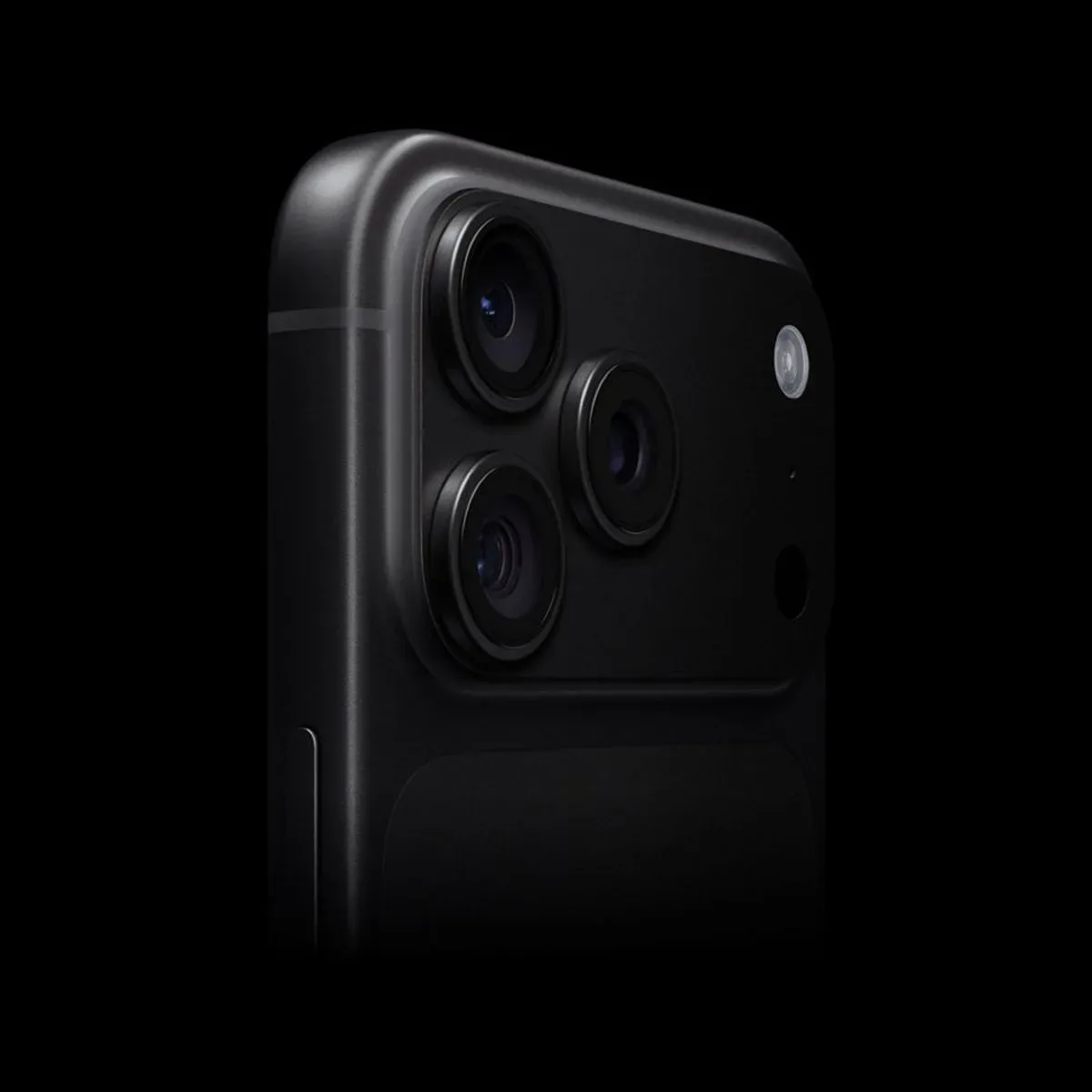
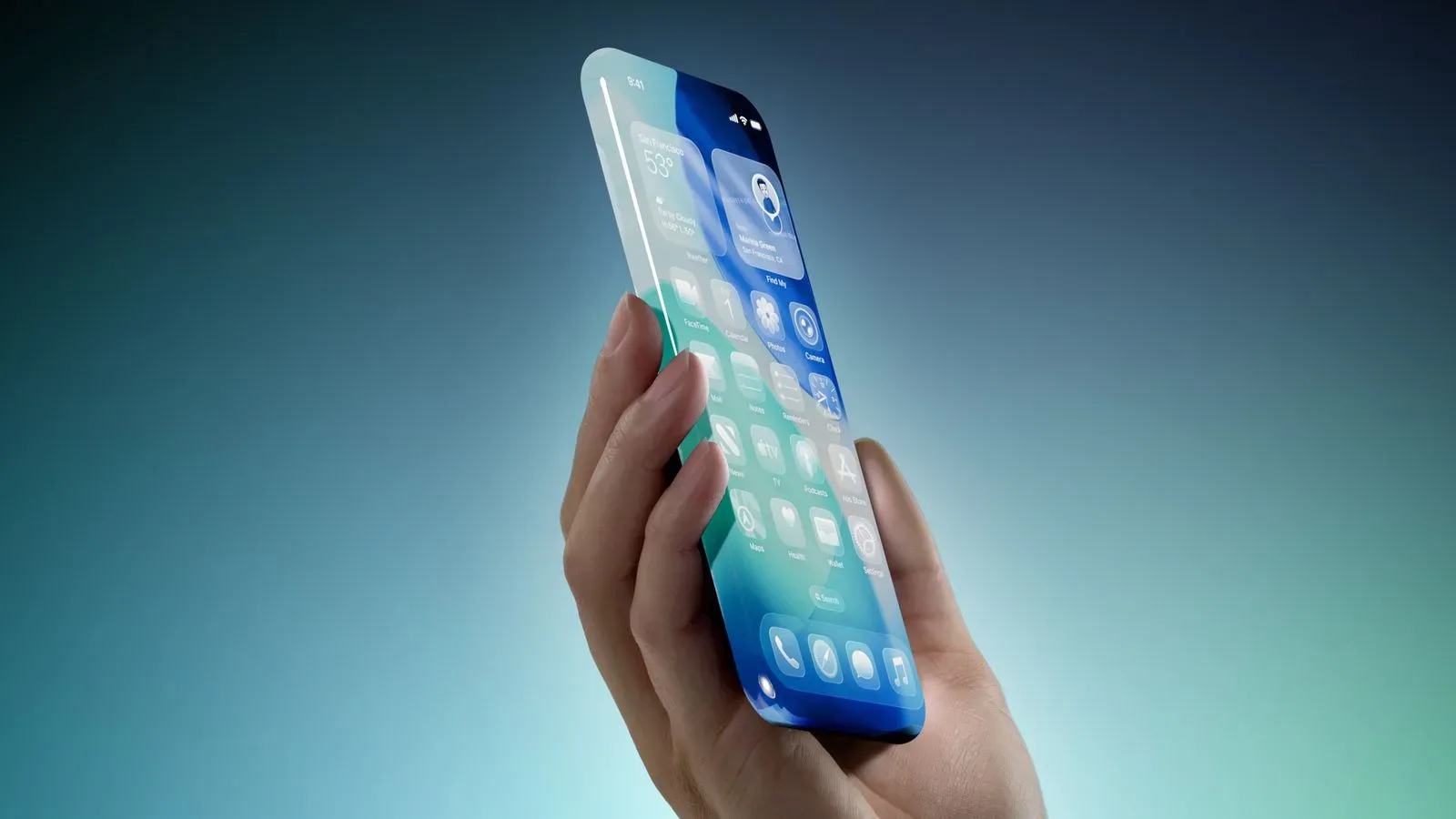
The reported design is more specific than a phone with a gently rounded metal frame. Its front glass is said to curve along every edge: left, right, top and bottom. The rear glass is also expected to be curved, with a narrow polished metal frame separating the two surfaces.
In practical visual terms, this can make the perimeter of the display recede when a person looks directly at the phone. The curved models are rumored to have bezels of roughly 1mm. A bezel is the non-display border between the active screen area and the outside edge of the device. A very narrow bezel does not mean the border has literally disappeared, but the wrapping glass can make it harder to perceive from the front.
That is the basis for the claimed almost borderless effect. The screen is not necessarily extending all the way to an unsupported edge; rather, the physical transition around it could conceal the frame more effectively than a conventional flat-front layout. The result could look especially dramatic in person, where reflections and the device’s curvature are more apparent than in a flat product image.
For mobile games, video and fullscreen interfaces, a reduced visual boundary can make content feel more prominent. But that is an aesthetic interpretation, not evidence of new display functionality. The reporting does not say whether screen resolution, refresh rate, touch behavior, brightness, durability or app layouts would change. Nor does a near-invisible border confirm that the active panel itself would grow.
Why moderation may be part of the plan
The four-sided curved concept reportedly has been prototyped for three years and revised repeatedly. Earlier iterations are said to have used substantially stronger curves, while later versions reduced that curvature. This suggests the reported direction is not necessarily Apple chasing the most extreme possible silhouette. It may instead be searching for a balance between a distinctive visual effect and a workable physical design.
Separate reporting has described an earlier anniversary concept with more glass and less metal being abandoned. The 2027 concept now discussed reportedly retains a thin metal band between the curved front and rear panels. Taken together, the accounts indicate a moderated approach: a more dramatic glass profile than a standard flat phone, but not a wholly glass-dominated exterior.
That metal band is notable because it would remain a visible structural break between the two glass surfaces. It may keep the device from reading as one seamless piece from every angle, yet it also means the anniversary design is not being described as abandoning metal entirely. The details supplied do not explain why the earlier proposal changed, so it would be speculation to assign a specific reason involving durability, manufacturing, antennas, repairs or cost.
Screen protector samples are clues, not confirmation
Images of screen protector samples circulating online have added to the discussion. They appear to show rounded display edges, curves around all four sides and extremely slim borders. The leaker behind the new claims says those protectors reflect an earlier version with more pronounced curvature than the latest prototype direction.
That makes the samples useful as a glimpse of the general design language being discussed, but insufficient for pinning down the final hardware. A protector is shaped to cover a screen area and follow a particular edge profile; it cannot, by itself, confirm the exact finished chassis, the final degree of curvature or which model will launch. If the latest design has indeed been softened, a sample based on an earlier form may overstate how dramatic the shipping device would look.
Another leaker has claimed that the devices could use the same glass material as the iPhone Air, with a stronger curve on all four sides. An illustration accompanying that claim showed rounded glass on both faces meeting a narrow polished metal frame. That detail broadly aligns with the wider picture, but it still belongs in the rumor column. The supplied information does not identify the material or establish its characteristics.
In short, there is a pattern across the claims: curved front and rear glass, very slim borders, a narrow metal separator, and a less aggressive final curve than some early prototypes. Consistency between separate reports can make a rumor more interesting, but it does not turn a future product into a confirmed one.
What it could mean for the iPhone’s role as a gaming device
An anniversary iPhone with a nearly borderless face would be an obvious showcase device for visually dense games and media, especially when held in landscape. A screen that appears to flow closer to the edges can make an interface feel less enclosed by hardware. For games designed around edge gestures or touch controls, however, the available reporting does not tell us whether the curve would affect accidental input, on-screen control placement or cases and controller grips.
Those omissions are significant. Industrial design and gaming comfort overlap, but they are not the same thing. A dramatic curved panel may look different from the front, while a player’s experience will also depend on software, thermals, performance, battery behavior, speakers and how the device sits in the hands. No claims about those areas accompany this report.
There is also a practical reason not to assume every app or game would immediately benefit from the form factor. Developers build their interfaces around safe areas: portions of the display where important buttons, text and controls are kept clear of edges, cutouts and system gestures. A less visible bezel changes the phone’s visual framing, but it does not automatically remove the need for sensible interface spacing.
Apple’s software ecosystem remains relevant to gaming regardless of whether this particular hardware design ships. Its recent app awards lineup placed games including Blue Prince and DAVE THE DIVER alongside spatial experiences, as covered in Apple’s 2026 App Store Award finalists. The anniversary hardware rumor does not establish any special gaming features, but it arrives in an environment where games are an increasingly visible part of the platform conversation.
Why the 2027 timing makes every detail provisional
Fall 2027 is still far enough away that the final product can change substantially—or the current concept can be dropped. The report itself says Apple continues to consider the four-sided curved design. Three years of prototyping and multiple revisions show that the company has explored the idea seriously, but they also underline that development is iterative rather than fixed.
Industry enthusiasm for the curved design has reportedly been strong, with some sources said to be more excited by the anniversary model than by a foldable iPhone. Enthusiasm is not a release plan, however. It does indicate why the idea has drawn attention: a device with curved glass on all sides and a nearly invisible front border would represent a conspicuous visual departure from a standard flat slab.
For now, the soundest reading is restrained. Apple is rumored to be considering both conservative and ambitious anniversary iPhone designs; the curved route is described as more refined than earlier versions rather than maximally curved; and the expected 2027 phone may use a slim metal band to frame its glass. Which version survives development, how many models launch, and whether “iPhone 20 Pro” becomes the real name all remain unanswered.