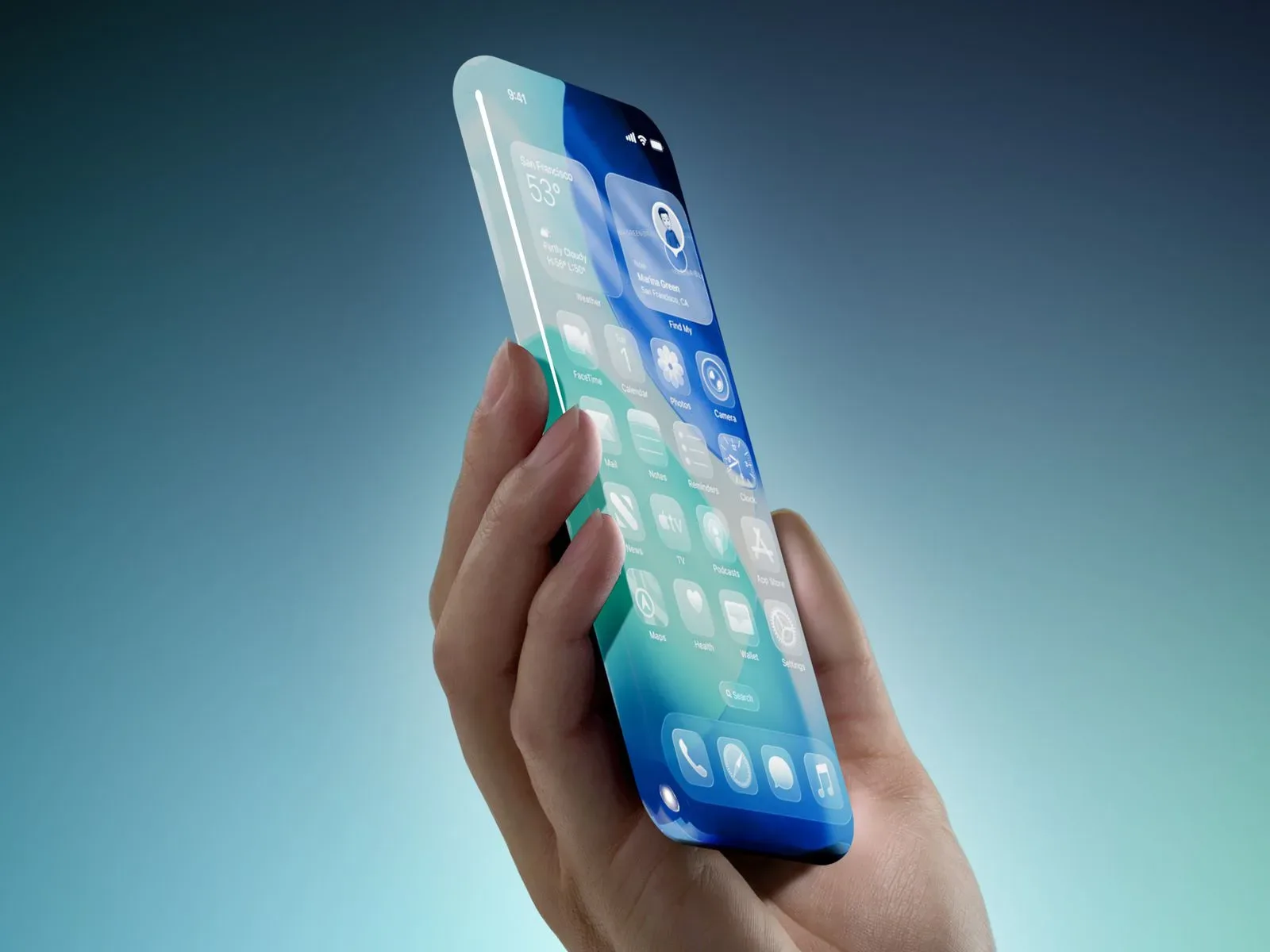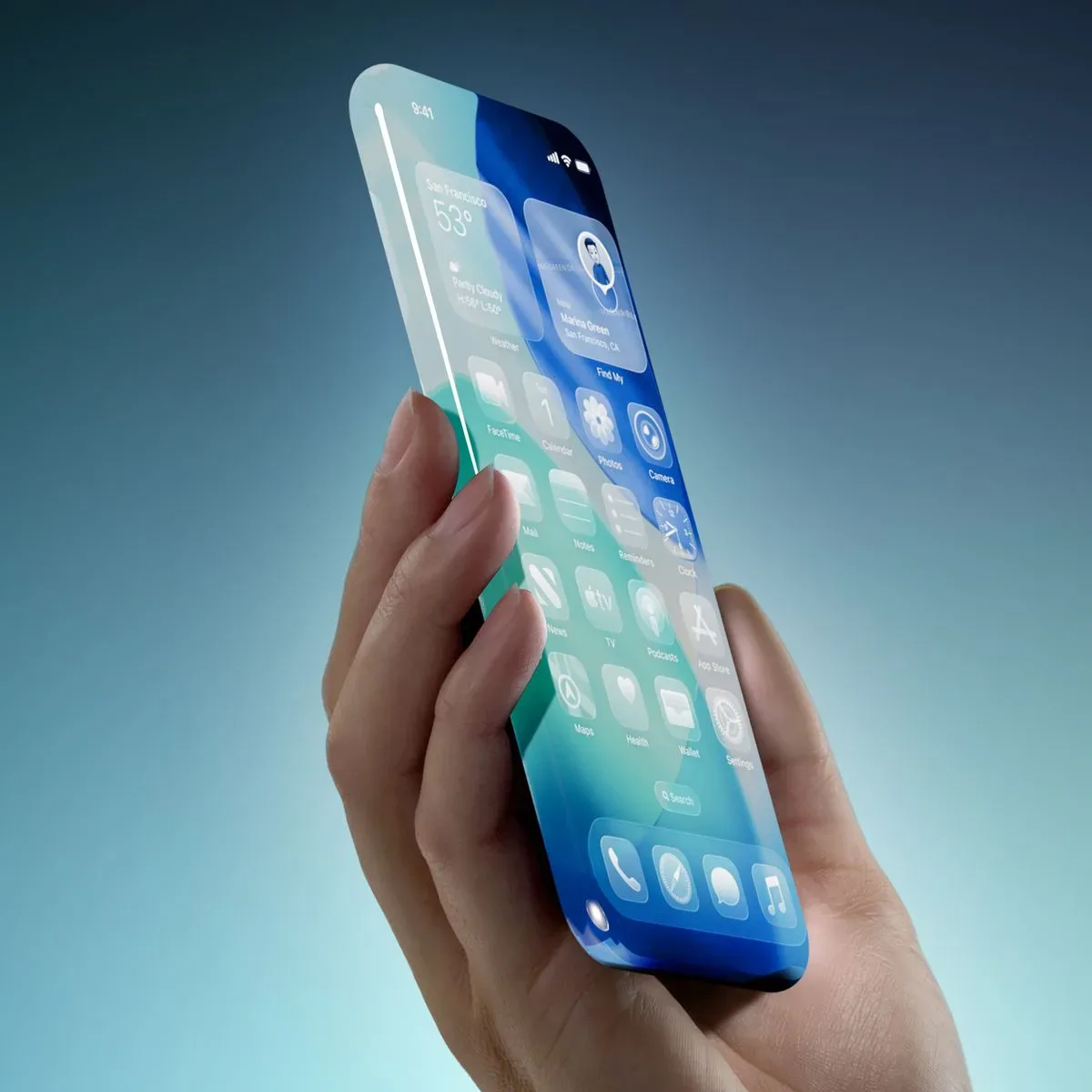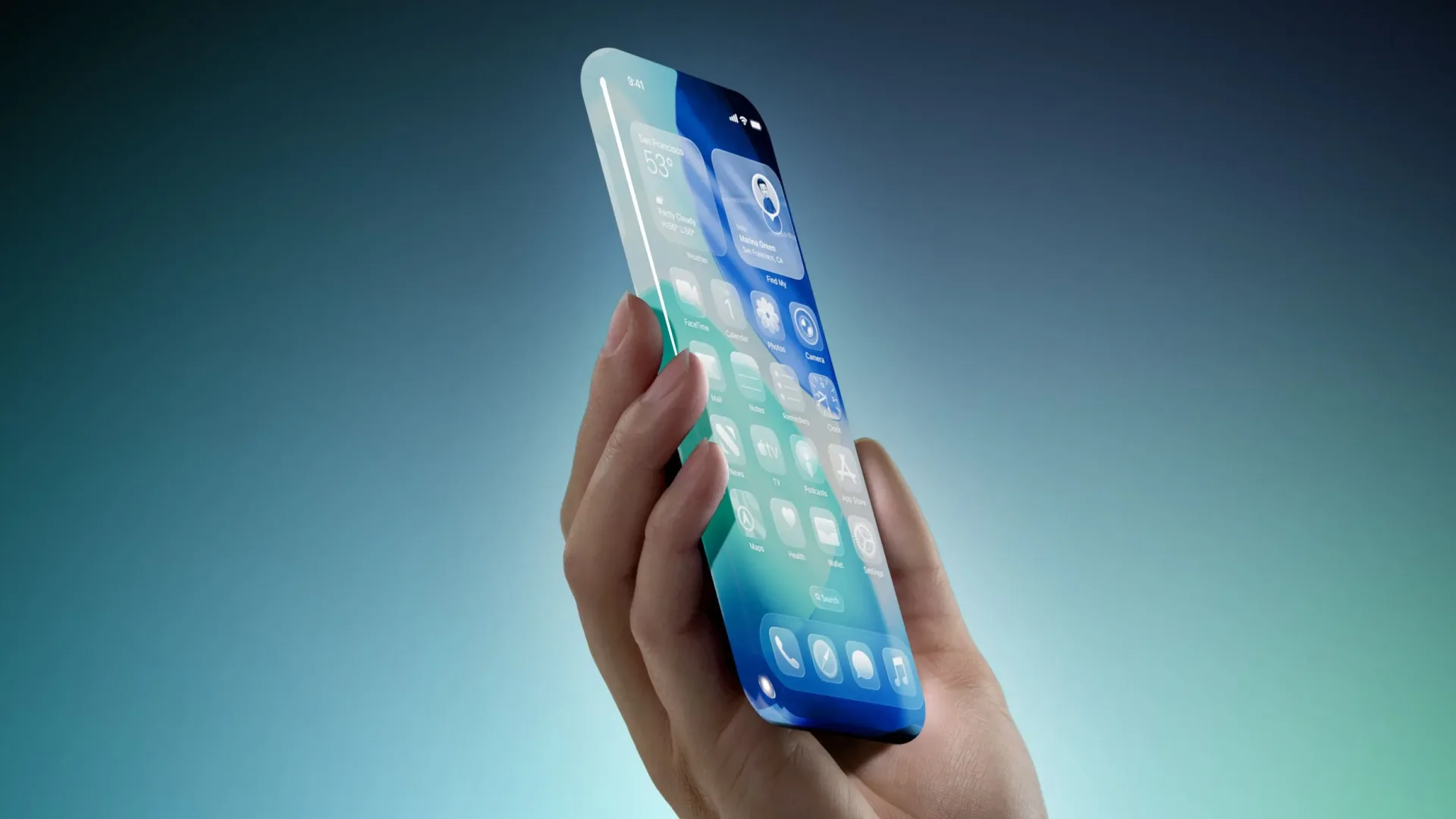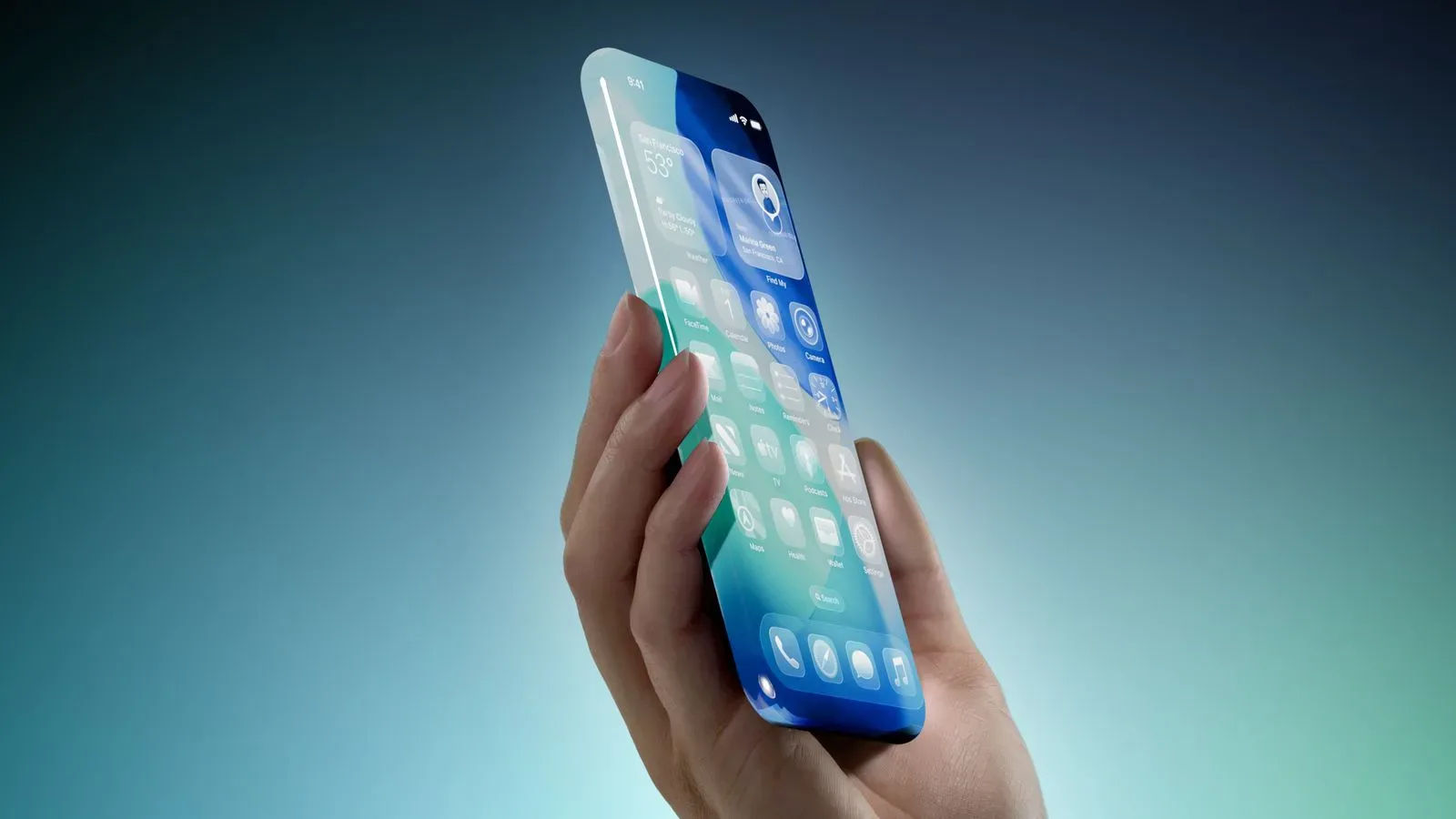
Apple’s iPhone will reach its 20th anniversary in 2027, and a new report suggests the company is considering a commemorative model with a significantly more radical exterior than the current generation. The rumored device is said to be planned with glass that curves around its corners and edges, plus narrower borders around the display. If it arrives in that form, it could represent the largest visual change to the Pro-oriented iPhone family since 2017’s iPhone X.
This remains a rumor, not a confirmed product plan. No official specifications, release date, price, name, screen size, materials, camera changes, ports, or gaming features have been established. Even the central design idea may evolve before a retail device exists. Still, the prospect is notable because anniversaries have previously provided a useful moment for Apple to move the iPhone’s industrial design forward in a visible way.
Why the iPhone X is the obvious comparison
The iPhone X was introduced in 2017, a decade after Steve Jobs unveiled the original iPhone in 2007. Its importance was not simply that it looked new. It swapped the familiar Home button and Touch ID arrangement for Face ID, allowing the display to stretch much closer to the edges than it had on prior iPhones. That change altered the basic silhouette of Apple’s phone line and helped establish the screen-led design associated with modern flagship smartphones.
A 20th-anniversary model apparently being discussed in terms of a major Pro-line overhaul therefore makes sense as a historical comparison. The iPhone X removed a highly recognizable physical control and changed how people navigated the device. The newly rumored phone would reportedly pursue a different kind of disruption: an even more seamless presentation in which the screen and surrounding glass visually extend around the hardware’s edges.
That distinction matters. A thinner bezel is an incremental improvement when viewed on a specification sheet. Glass that appears to wrap around corners and sides could change how the phone reads at a glance, making it seem less like a rectangular display placed in a frame and more like a single continuous object. Whether Apple can turn that concept into a durable, repairable, and practical device is another matter entirely.
An all-glass look comes with difficult questions
The reported direction sounds ambitious because a phone’s edges do more work than its front. They must accommodate physical structure, buttons, antennas, microphones, speakers, charging components, cameras, and the parts that users grip every day. A design that minimizes the apparent interruption between display, glass, and frame can be visually striking, but it also places a premium on manufacturing precision and resilience.
There are several unanswered questions that naturally follow from the rumor:
- How far would the visible display actually extend around the sides and corners?
- Would the curved area be functional touch space, or mostly part of a seamless visual finish?
- How would Apple protect the device against drops and scratches?
- Would side buttons remain mechanically distinct and easy to locate without looking?
- Could extremely thin borders create new concerns around accidental touches during games, video, or one-handed use?
- What compromises, if any, would be needed for battery capacity, cooling, cameras, and radio performance?
None of those questions can be answered by the current reporting. They do, however, explain why reports of a dramatic design in development should be approached with care. Engineering a prototype and shipping millions of phones that meet reliability and manufacturing standards are very different achievements. The eventual product could preserve the core idea, interpret it more modestly, or be scaled back substantially.
What a redesigned iPhone could mean for games
For players, a more immersive screen-forward shape has obvious appeal. Mobile games already compete for attention with dedicated handheld systems, tablets, PCs, and consoles. A device with less visible framing around its display could make games, streaming video, remote-play interfaces, and touch-driven experiences feel more expansive without necessarily requiring a larger phone.
But a borderless-looking phone is not automatically a better gaming phone. Bezels can provide a little room for a player’s thumbs and palms to rest. Curved edges may look elegant while making on-screen buttons more complicated to reach, depending on how software handles the usable touch area. Competitive games in particular depend on consistent input, unobstructed screen space, and a grip that does not turn routine controls into accidental commands.
There is also a reason controller makers, accessory companies, and platform holders continue to matter. The iPhone is an important place to play, but premium mobile gaming is shaped by more than display design. Performance, thermals, battery life, controller compatibility, operating-system support, game libraries, network conditions, and display responsiveness all count. A new exterior could improve the sense of immersion, yet it would not settle the practical questions that decide whether a phone is comfortable for a long session.
That broader balance is worth remembering whenever hardware form factors shift. The appeal of a novel device can be immediate, while its actual habits emerge later: whether it is easy to hold, whether accessories fit, whether repairs are feasible, and whether the design makes daily use better rather than merely more dramatic. The same practical thinking applies to older hardware too, as covered in this guide to mapping a retro console’s connection before buying an HDMI adapter. A cleaner-looking setup is only useful when it works reliably with the way people actually play.
Anniversary hardware invites expectations
The timing gives this rumor extra weight. The original iPhone debuted in 2007, making 2027 a natural milestone for a special edition or a major visual reset. Apple has not confirmed that it will mark the anniversary with a distinct model, and the device is not guaranteed to carry an anniversary-focused name. Still, a notable redesign would be an understandable way to acknowledge two decades of a product that has repeatedly influenced how portable screens, software, cameras, media, and games are used.
The report positions the possible redesign within what is now the iPhone Pro line rather than describing a separate experimental branch. That is important, because it suggests the company may be exploring a premium flagship change instead of a niche concept sold alongside its usual phones. Yet the lack of further details leaves the scope wide open. A Pro model could be different in materials, display treatment, or overall construction while still retaining many familiar iPhone traits.
Rumors involving Apple’s future hardware often move in cycles: a potential feature may appear promising at one stage and uncertain at another as design, cost, supply, and production realities exert pressure. The present report itself leaves room for that possibility. The 20th-anniversary phone appears to remain under consideration, but there is no assurance that the final design will fully match the ambitious concept now being discussed.
The sensible way to read the rumor
For now, the most concrete takeaway is simple: Apple is reportedly exploring an iPhone for 2027 that could push the device closer to an all-glass appearance, with curved glass around its edges and slimmer display borders. The iPhone X comparison signals the potential scale of the intended change, not a guarantee that every part of the final experience will be reinvented.
It is an intriguing idea precisely because it raises both aesthetic and practical stakes. A phone that reduces visible boundaries could be a striking anniversary statement and a compelling canvas for games and media. It could also expose the longstanding trade-off between futuristic industrial design and the mundane needs of holding, protecting, charging, repairing, and controlling a device. Until Apple says more, the rumored 20th-anniversary iPhone is best understood as a possible design direction with substantial uncertainty still attached.