Apple may be preparing a more direct move into game hardware, at least if references reportedly found in macOS 26.7 lead anywhere. The code is said to mention two controllers identified as T6502 and T1057, and the reported feature list sounds like familiar gamepad territory: a D-pad, two thumbsticks, shoulder buttons and analog triggers. One of the two is also said to include an accelerometer and gyroscope, raising the possibility of a more feature-rich model.
Nothing in those references confirms a final product, a release window, pricing, compatibility details or even the eventual branding. Still, the prospect is interesting precisely because iPhone gaming accessories are no longer a weird niche built around improvised clamps and Bluetooth compromises. There are already plenty of ways to turn a phone into something much closer to a handheld console. A first-party-adjacent entrant, reportedly tied to the Beats brand, could add a notable name to a market that has become increasingly specialized.
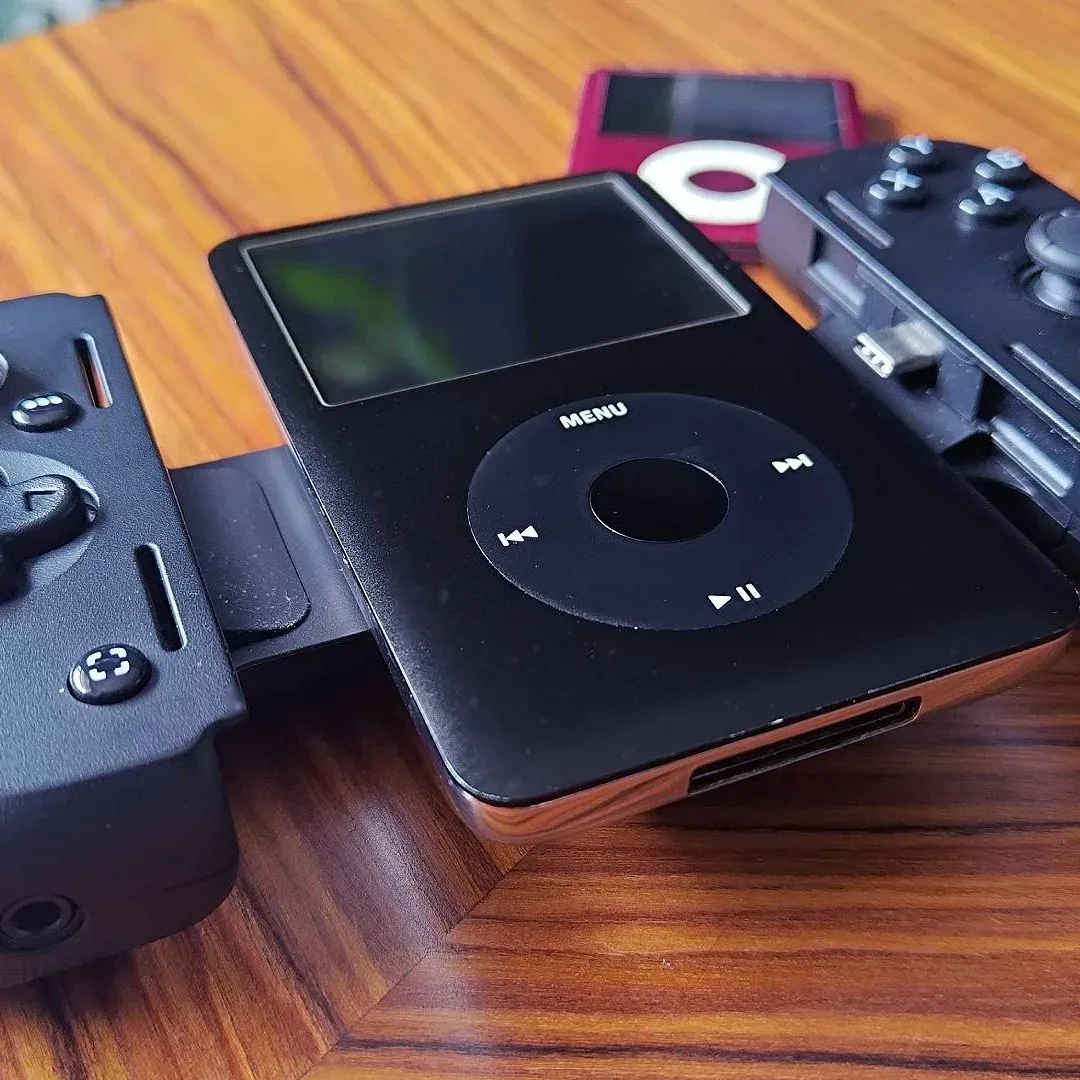
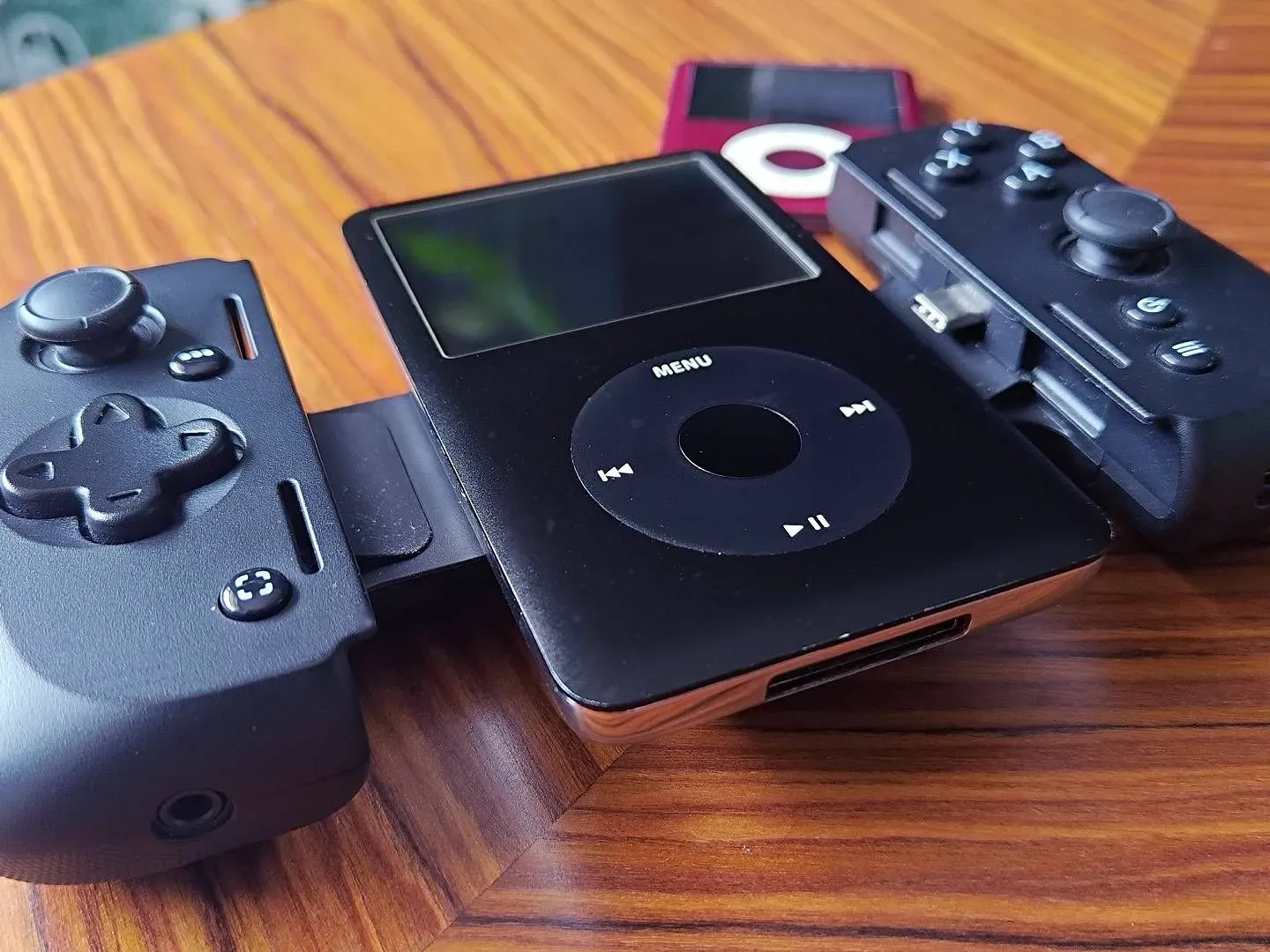
The more entertaining possibility, however, is not simply that Apple might make another conventional controller. It is that a company with an unusually famous history of portable input could revisit one of its most recognizable ideas: the iPod click wheel.
Two reported devices, and plenty left unknown
The T6502 and T1057 names are identifiers rather than consumer-facing product names, so they reveal very little on their own. The important reported details are the traditional controls. A D-pad and dual sticks would support the broadest range of modern games, while shoulder controls and analog triggers are useful for racing games, shooters and action titles that expect a console-style layout.
The alleged accelerometer and gyroscope on one unit are especially worth watching. Motion data can enable aiming, steering, camera movement, gestures and other control options. It could indicate a higher-tier model, but that remains speculation. It also does not prove that either device is aimed beyond iPhone. A motion-equipped controller could still be designed entirely around mobile use.
Reporting has suggested the controllers are intended for iPhone and may be released under Beats, with work led by executives associated with that sub-brand. Beats branding would make practical sense for an accessory category where USB-C flexibility could matter. If a controller connects through USB-C, broader device compatibility is at least plausible, though no supported-device list has been established. That distinction matters: “could work” is not the same thing as confirmed iPad, Mac, PC or console support.
There is also a rumored design consideration around the iPhone Duo and its reported taller 1.4:1 aspect ratio. If these gamepads are built as phone-mounted controls, placement and balance become central concerns. A controller designed around a particular handset shape needs to avoid putting the sticks too high, crowding the buttons or making the entire setup feel top-heavy. But until Apple or Beats shows actual hardware, every detail beyond the references should be treated as provisional.
The mobile-controller aisle is already busy
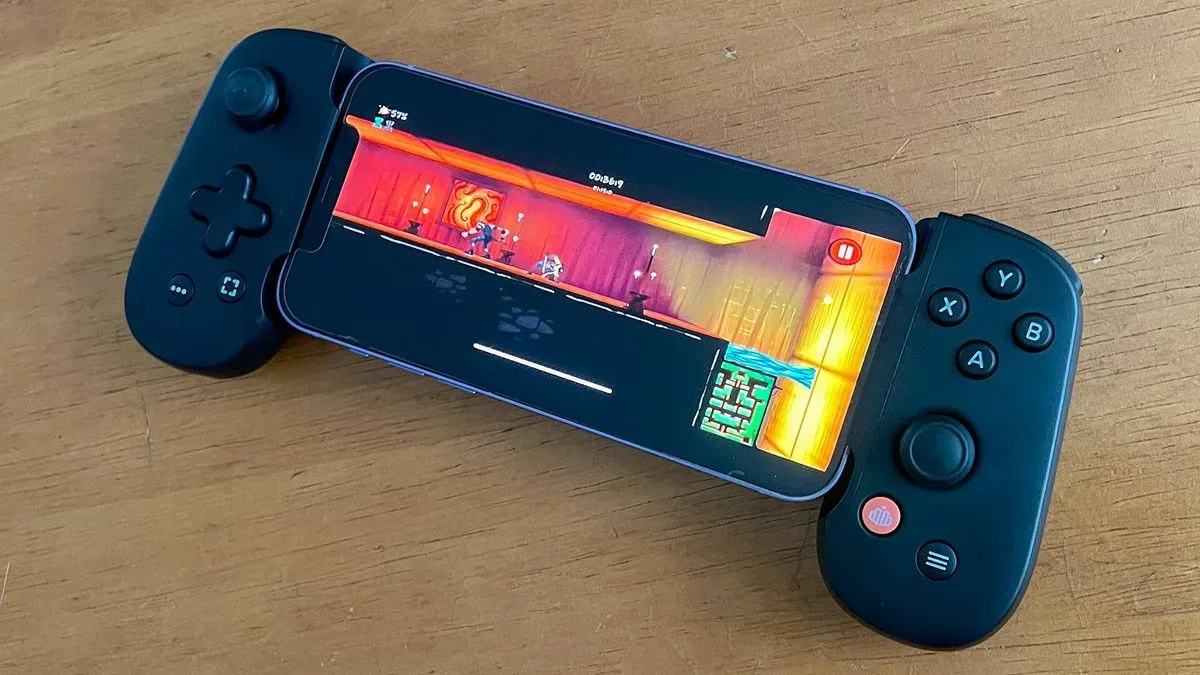
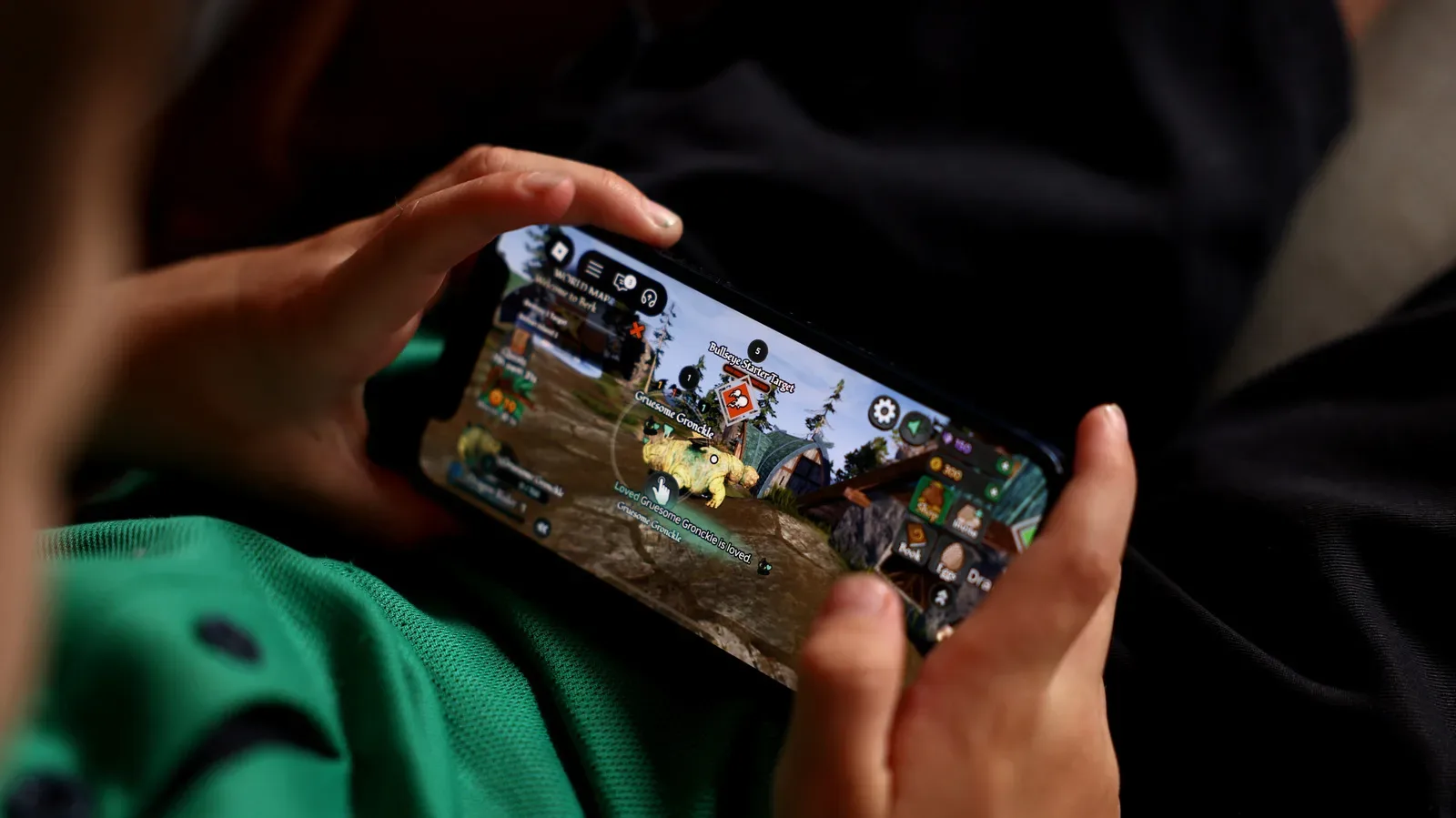
Apple would not be walking into an empty shop. Players who want physical input on a phone can choose compact clip-on pads, telescopic controllers that grip both sides of a device, and conventional gamepads paired wirelessly or by cable. The appeal is straightforward: physical sticks, buttons and triggers can be more predictable than a touchscreen for many kinds of games, especially fast action, racing, platforming and streaming from another platform.
Related coverage includes Apple's Rumored iPhone Controllers Could Signal a Bigger Gaming Hardware Push.
At the less expensive end of the cited options, the GameSir X5 Lite has hall-effect sticks and a listed price of $34.99. Hall-effect designs use magnetic sensing rather than conventional contact-based potentiometers, a feature often associated with efforts to reduce drift concerns. The Razer Kishi V3, listed at $69.99, uses TMR thumbsticks. TMR, or tunnel magnetoresistance, is another sensing approach positioned as a premium stick technology.
Elsewhere, the Backbone One is an established budget-conscious choice in the phone-controller conversation, while the foldable Razer Prio is cited as a newer premium option. Smaller, retro-minded accessories are pursuing their own corner of the market as well, including GameSir’s Pocket Taco and the 8Bitdo FlipPad for Game Boy players. In other words, a new controller cannot rely on the novelty of “buttons for a phone.” It needs a clear reason to exist.
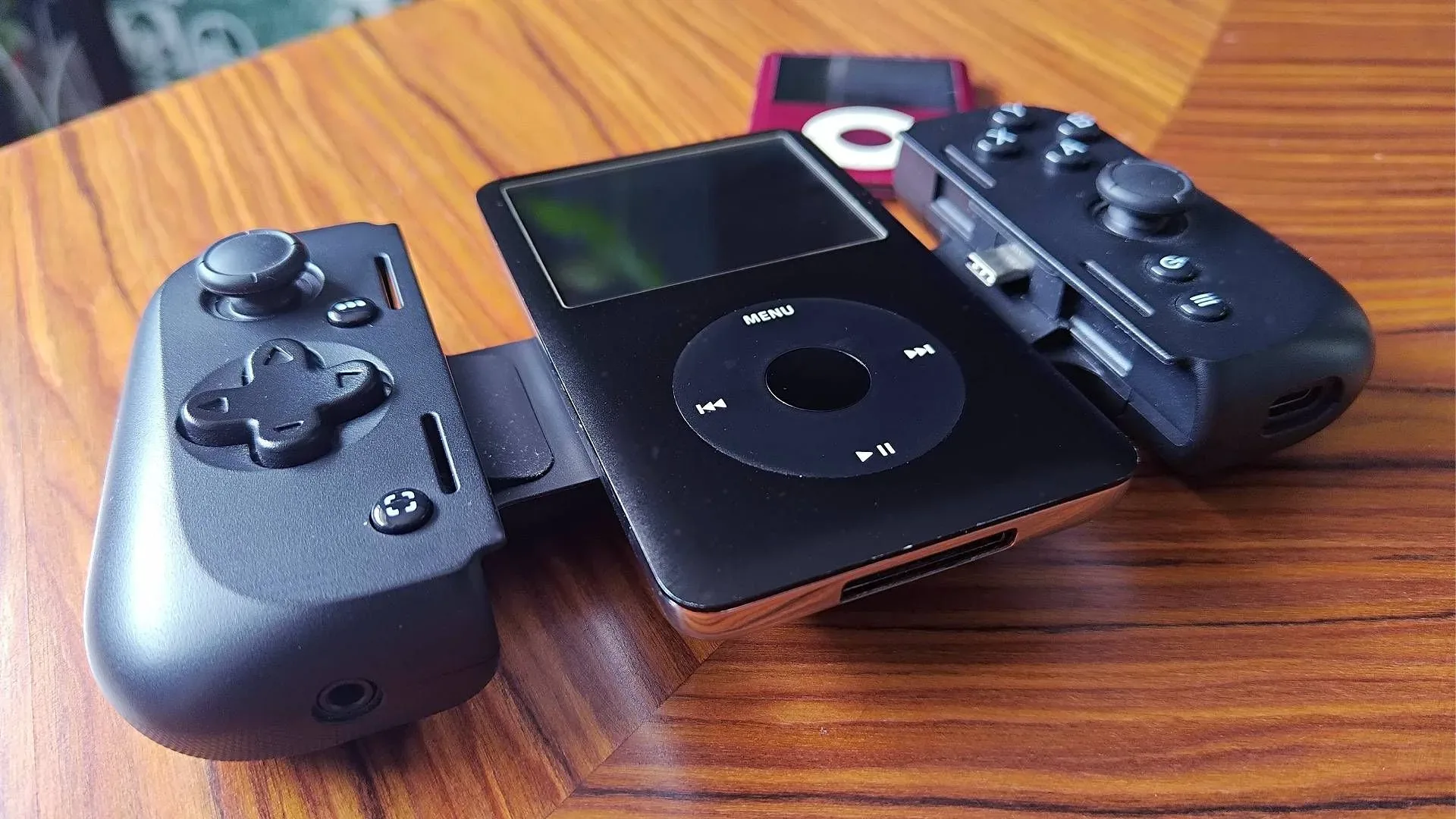
That is where a circular control surface, however unlikely, becomes a fun design thought experiment. Most mobile pads compete by making the phone feel more like a Switch-style handheld or by emulating the layout players already know from console controllers. A click-wheel-inspired element would instead be an attempt to give the controller an input language of its own.
Why the iPod click wheel still matters to game-control nerds
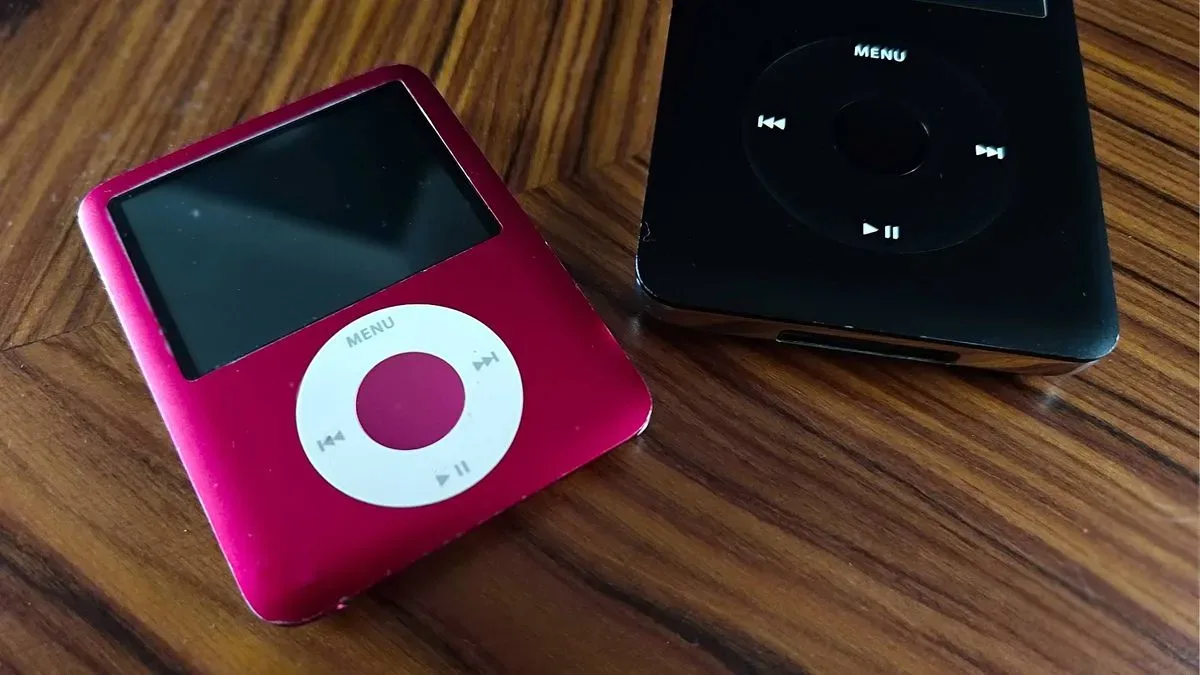
The classic iPod click wheel was more than a piece of industrial design nostalgia. Its large front control combined a touch-sensitive ring with physical press points, making it possible to navigate lists and menus by tracing a circular motion, then select or issue commands with clicks. For music libraries and playlists, it was a remarkably economical solution: one surface handled scrolling, directional navigation and confirmation without needing a forest of buttons.
It also brushed against gaming history. Later iPods carried arcade-flavored games including Brick, and the wheel could serve a paddle-like function. That does not mean it was secretly the perfect all-purpose game controller. It was not. Fast twin-stick games, fighting games and precision platformers demand inputs the wheel was never intended to replace. But its rotational range offered a distinct kind of analog interaction.
In a modern controller, a reimagined wheel could theoretically handle functions that are awkward on standard layouts:
- Rapid weapon or item selection through a continuous circular motion.
- Camera zoom, radial-menu selection or inventory browsing without occupying a thumbstick.
- Fine adjustment of steering, tuning, fishing, lockpicking or dial-based puzzles.
- UI navigation during cloud streaming, remote play or media apps.
- Genre-specific mechanics built around turning, scrubbing or rotating rather than simply pushing a direction.
Developers would have to support such an input deliberately, and that is the difficult part. A hardware feature only becomes meaningful when games can recognize it in ways that feel optional rather than exclusionary. The controller would still need excellent baseline controls for titles that only understand ordinary buttons, sticks and triggers. The wheel’s best role would likely be an extra layer, not a replacement for accepted gamepad conventions.
That challenge may be one reason a literal revival appears improbable. Beats-branded hardware would likely prioritize broad utility and recognizability over an experimental callback to a discontinued music player. A normal, thoughtfully made controller is the safest commercial bet. Yet familiar controls do not have to mean uninteresting hardware. Grip shape, stick quality, latency, USB-C implementation, passthrough charging, software mapping and phone fit can all make a huge difference.
What would make an Apple-linked pad consequential
The biggest question is not whether a rumored controller could have enough buttons. It is whether it would fit cleanly into the wider Apple device experience. iPhone gaming spans native mobile releases, subscription libraries, remote play, game streaming where available, and games designed for Apple hardware. A polished controller could make that sprawling ecosystem feel more cohesive, but only if setup is painless and compatibility is clearly communicated.
It would also arrive at a moment when gaming devices are not confined to traditional consoles. Phones are powerful, screens are excellent, USB-C has become more common, and portable play increasingly overlaps with PCs, handhelds, tablets and living-room streaming. The alleged gyro and accelerometer invite questions about how far the project could extend, but a larger hardware push should not be assumed from one rumored feature set.
For now, the sensible takeaway is modest. There are reports of two controller references in macOS 26.7. The identifiers are T6502 and T1057. Their reported inputs resemble contemporary gamepads, and one may add motion sensors. Reporting also points to iPhone use and possible Beats branding. Everything else, from form factor to compatibility and launch plans, remains open.
Still, gaming hardware benefits when companies bring a viewpoint rather than merely duplicate an existing silhouette. Apple’s old click wheel is a reminder that portable controls can be memorable when they solve a problem elegantly. Whether these rumored pads end up as standard telescopic accessories or something stranger, their value will come down to the same old rule: give players controls that are comfortable, dependable and meaningfully useful. For a look at another corner of mobile gaming’s expanding ambitions, see Game Freak’s weather-driven mobile project.
Shop the products
Check current price, model and availability at the retailer.