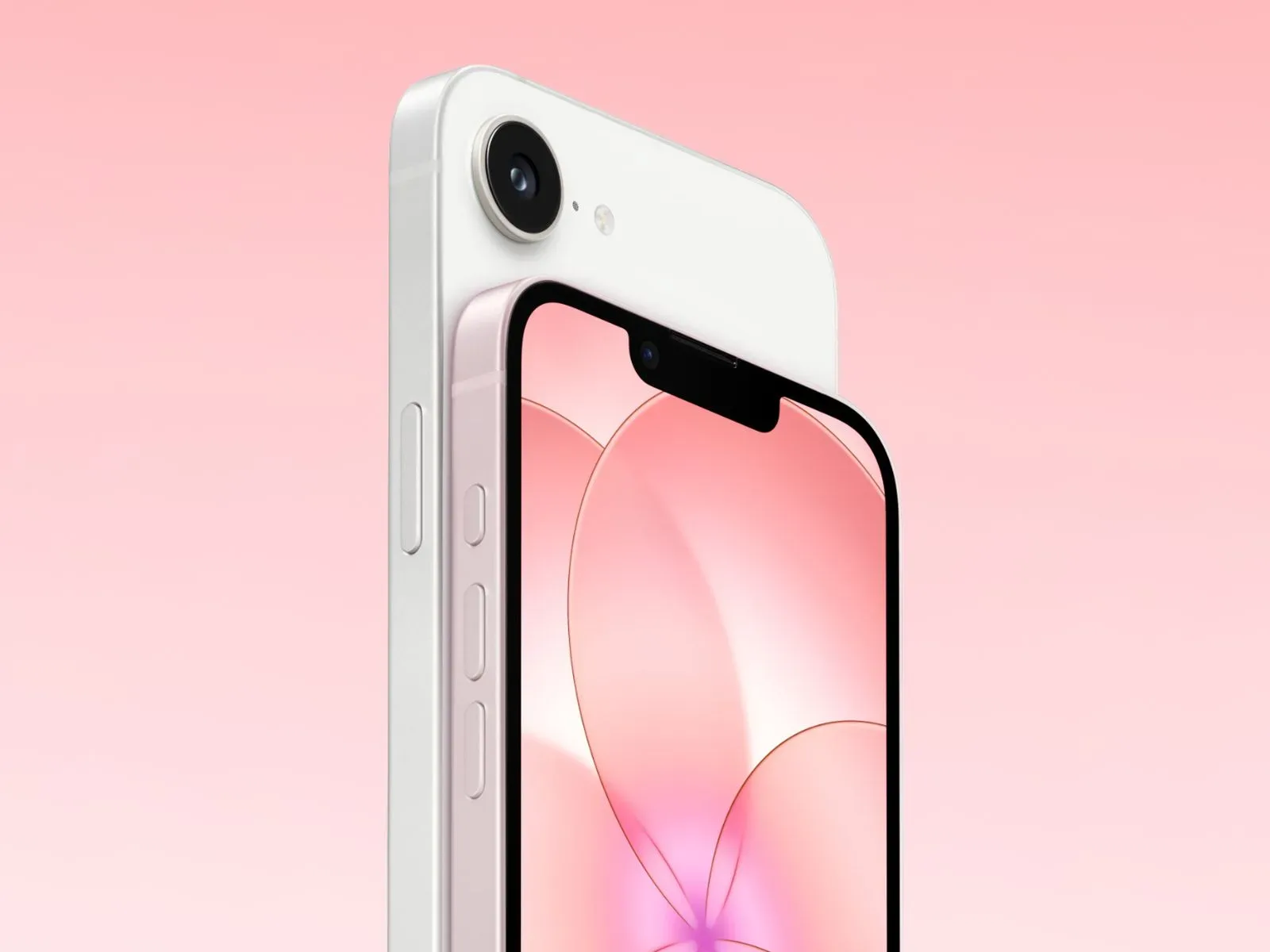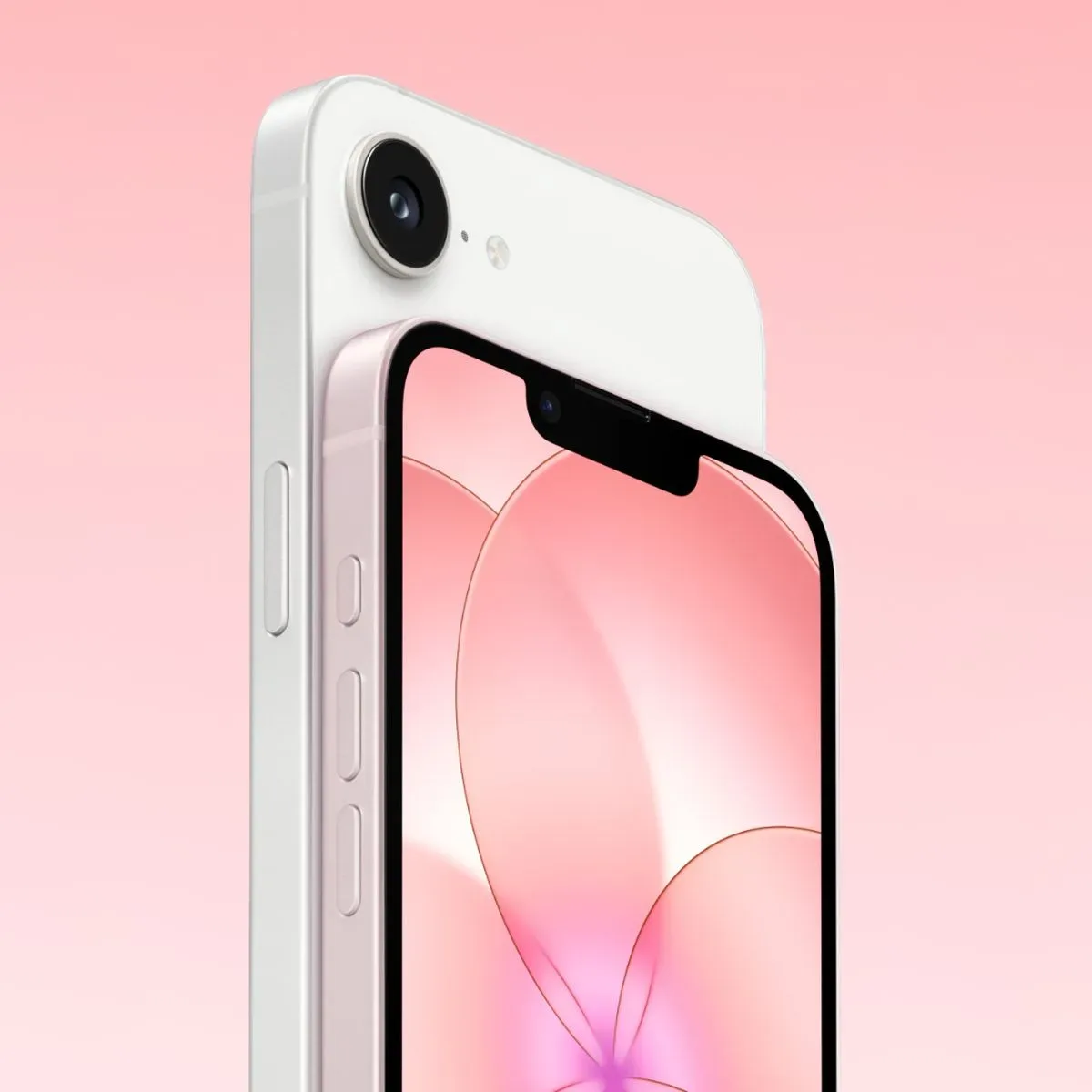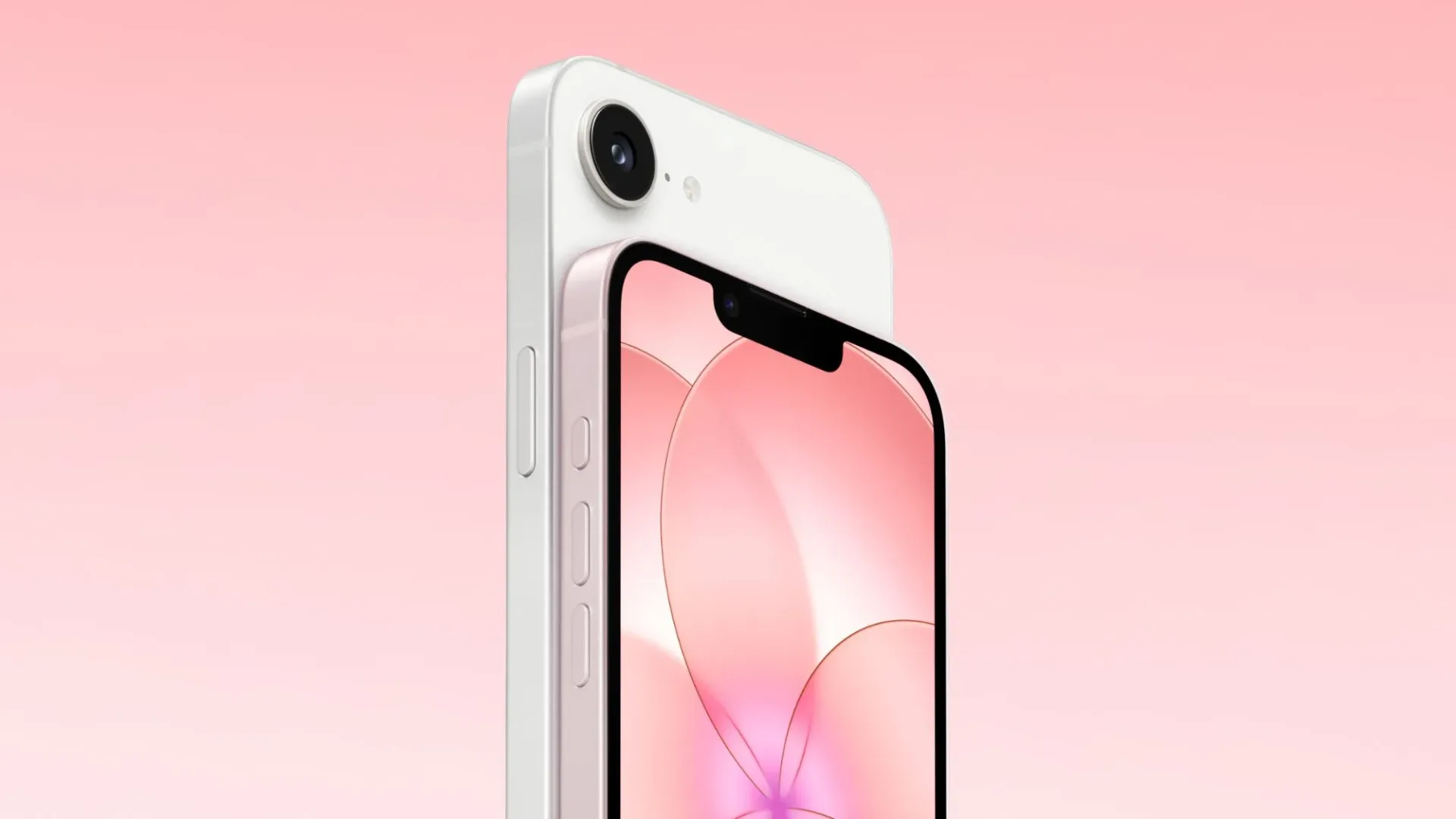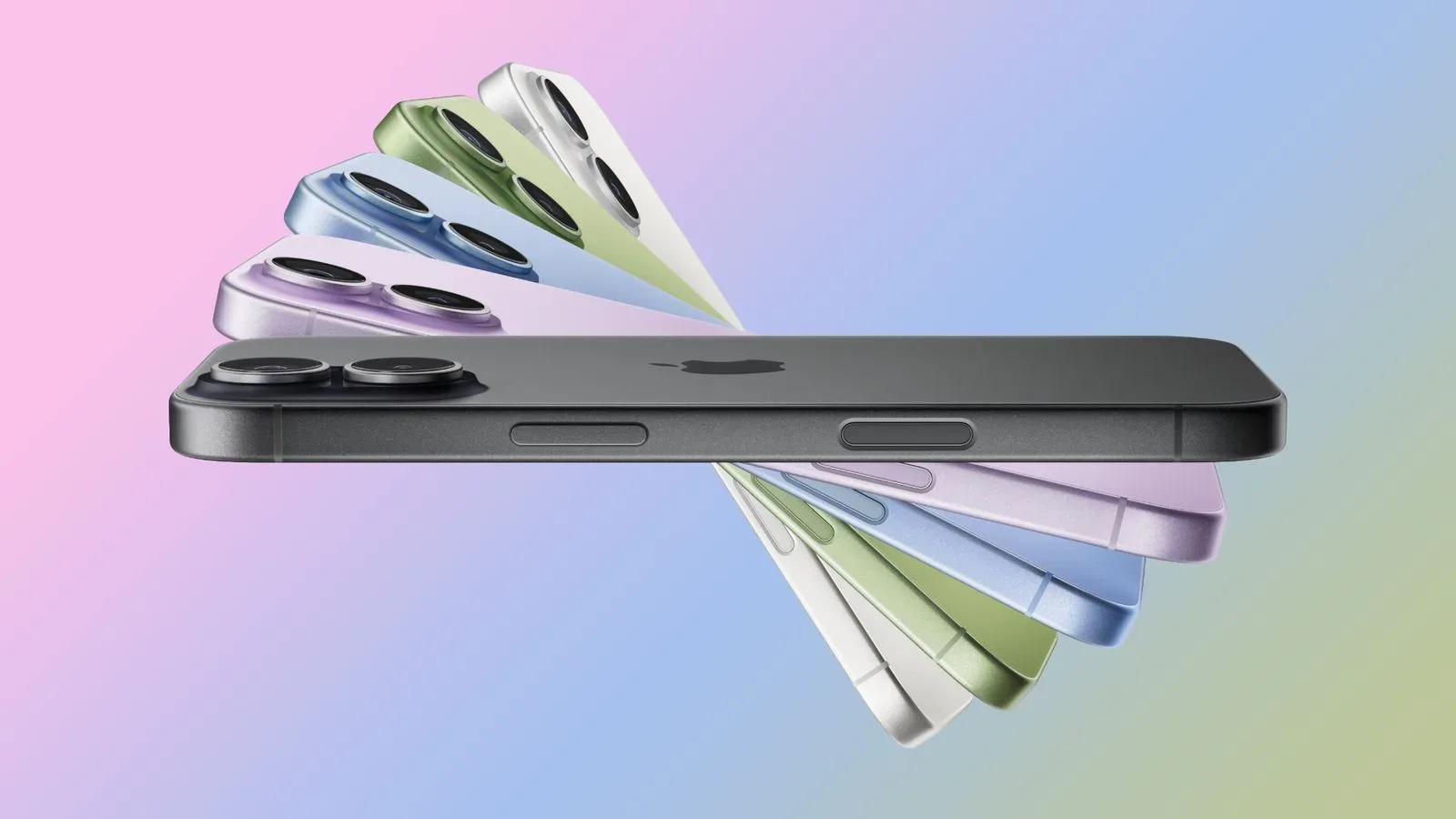
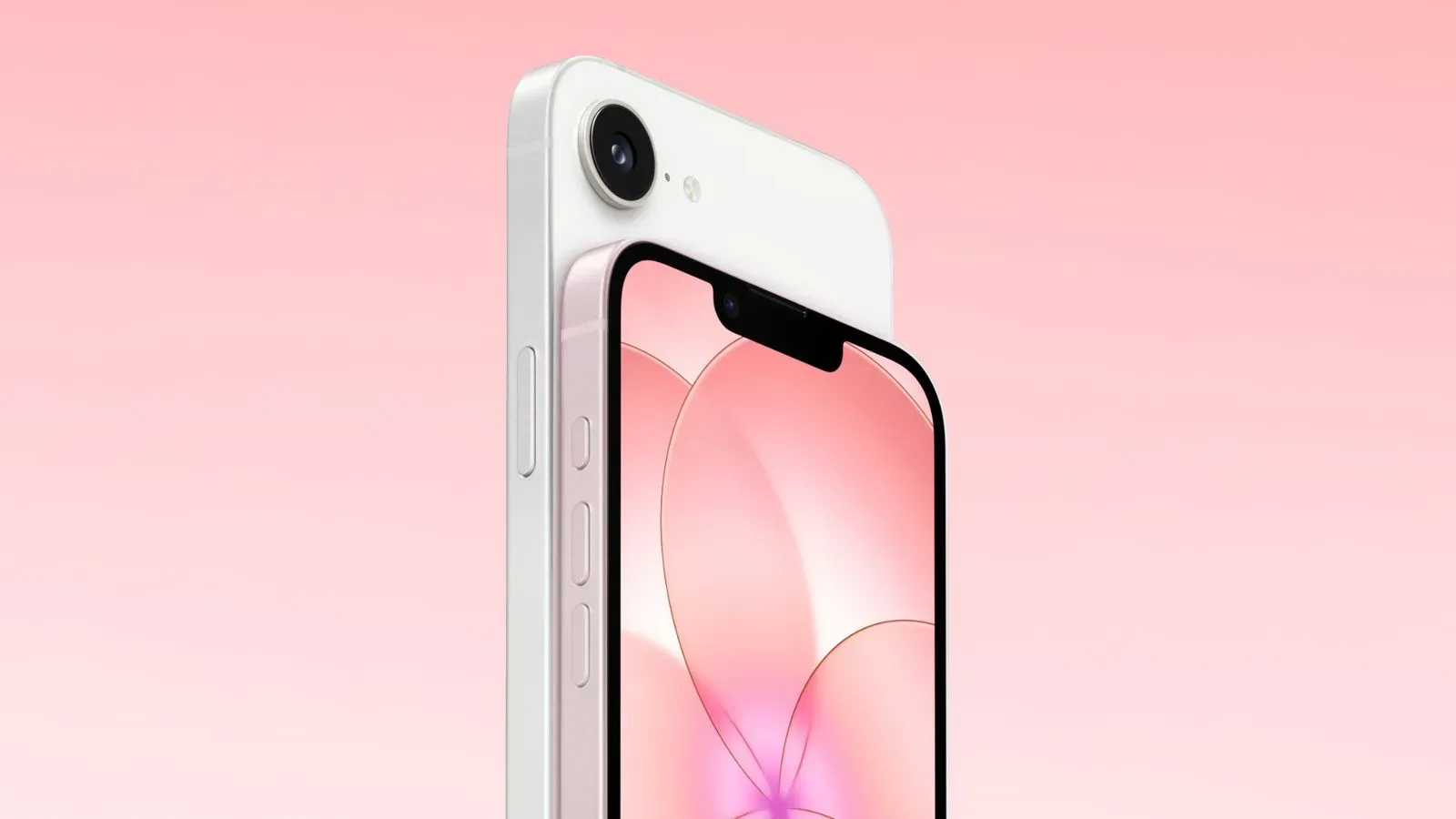
Apple’s next iPhone calendar may be headed for a less conventional shape. A newly reiterated report places the standard iPhone 18 and the lower-cost iPhone 18e in spring 2027, with both devices said to use an A20 chip. The same release window is also expected to include the iPhone Air 2.
Those details remain unconfirmed until Apple makes its own announcement, and the report does not provide specifications beyond the models, timing and chip name. Still, the repeated timing is notable because it frames spring 2027 as a potentially substantial iPhone moment rather than a period reserved for a single update.
What the report actually establishes
There are three distinct claims here:
- iPhone 18 is expected in spring 2027.
- iPhone 18e is expected in spring 2027.
- Both are expected to use Apple’s A20 chip.
Separately, iPhone Air 2 is expected during that same period. The available information does not say that the Air model will use the A20, nor does it identify its display, cameras, storage options, battery capacity, connectivity, pricing or regional availability. It also does not establish exact launch-day dates. “Spring 2027” is a release window, not a confirmed calendar appointment.
That distinction matters. Product rumors can be useful for understanding the direction of a lineup, but a shared launch window should not be mistaken for a full specification sheet—or for confirmation that every model will have identical capabilities.
A20: what the chip reference means, and what it does not
An iPhone’s A-series chip is its main system-on-a-chip, often shortened to SoC. Rather than being just a processor in the narrow desktop-PC sense, an SoC brings multiple core functions into one package. In broad terms, that includes central processing for general software tasks, graphics processing for games and visual workloads, and dedicated components that support other device functions.
For players, the chip is one of the major pieces of hardware determining how comfortably a phone can run demanding games, emulators, streaming clients and interface-heavy apps. It influences the headroom available for a game’s graphics workload, the responsiveness of the operating system while other apps are active, and the power-management balancing act that every mobile device has to make.
But the A20 name alone cannot tell buyers how large a generational leap to expect. It does not disclose clock speeds, graphics configuration, memory capacity, thermal design, sustained performance, power efficiency or game compatibility. Nor does it prove that the iPhone 18 and 18e will perform identically in every circumstance. Devices can share a chip family while differing in areas that affect the overall experience.
For that reason, “A20” is best read as a platform marker at this stage: the report expects the two phones to arrive on the same named Apple silicon generation. Meaningful conclusions about speed, battery impact or gaming performance will need to wait for more specific information and, eventually, Apple’s own technical details.
Why the iPhone 18e detail is especially important
The inclusion of the iPhone 18e in the report suggests that Apple’s more accessible iPhone option may move into the same chip generation as the standard iPhone 18. That would be significant for people who prioritize core device longevity and app performance over a complete set of premium hardware features.
It does not mean the two phones will be the same product at different prices. The report provides no basis for claiming commonality in screens, cameras, exterior design, wireless features or other hardware. It only connects them through expected timing and the A20 chip.
For mobile-game players, an “e” model carrying the current reported chip name could be worth watching because processor generation is a more fundamental starting point than a marketing label alone. A phone’s actual usefulness for gaming, however, is determined by the whole package: display quality, storage, battery behavior, heat management, controller support and the titles a player actually wants to run all matter.
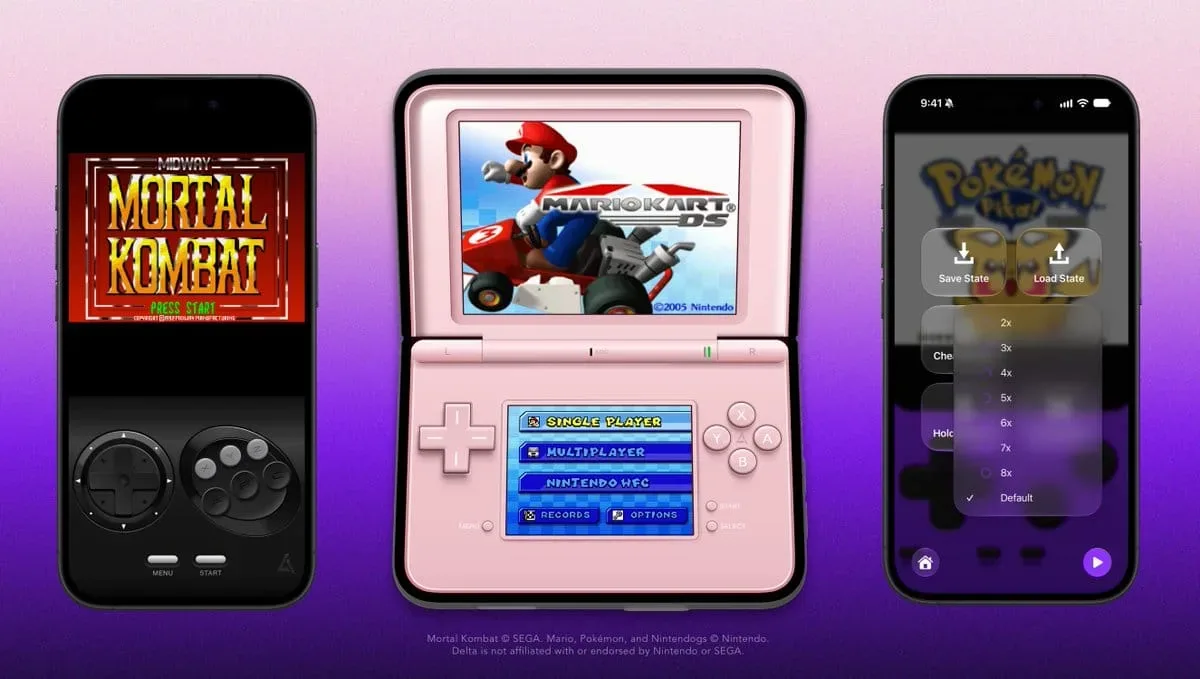
That is also relevant to the growing iPhone retro-gaming scene. Software updates and screen-layout options can materially affect how older systems feel on a modern handset; for example, a recent Delta update focused on DS screen space and Genesis control options. Hardware capability matters, but software support and interface design can be just as visible in day-to-day play.
Three phones in one spring window could change the buying decision
If the iPhone 18, iPhone 18e and iPhone Air 2 all do arrive together, prospective buyers would have more than a simple standard-versus-budget choice to assess. They would be weighing at least three differently positioned devices released in close proximity.
The available report does not define the intended difference between the standard iPhone 18 and iPhone Air 2, so it would be premature to assign one a performance, design or price advantage. Likewise, there is not enough information to recommend holding out for any particular model. The practical takeaway is narrower: anyone planning a 2027 iPhone purchase may want to avoid treating one rumored device in isolation when several models could be part of the same spring decision.
That could be particularly useful for users replacing an older handset primarily for games or emulation. A better decision will require answers that have not yet been supplied: How much storage is included? Does one phone handle extended workloads more comfortably? What displays do the models use? Are external controls and software ecosystems supported in the ways a player needs? A chip generation is important, but it is only one answer among several.
What remains unknown
The reporting is precise about an expected season and a named chip, but a long list of consequential details remains open. Nothing in the current information confirms the following:
- Exact announcement, preorder or retail dates in spring 2027.
- Prices for iPhone 18, iPhone 18e or iPhone Air 2.
- The A20 configuration, performance characteristics or efficiency changes.
- Whether iPhone Air 2 uses the A20 chip.
- Display sizes, refresh rates, camera systems, colors, storage tiers or battery figures.
- How the three models will differ in physical design or feature set.
There is a temptation to fill those gaps with expectations based on product names or earlier iPhones. That would go beyond the information at hand. A responsible reading is that a spring 2027 iPhone cluster is being forecast, with two of its expected members linked to the A20. Everything else needs further evidence.
The bigger scheduling signal
The most interesting part of this report may be its calendar implication. A standard-number iPhone and an “e” model appearing together in spring would create a clearer point of comparison for buyers than staggered launches do. It could also make the iPhone Air 2 a third immediate consideration instead of a separate, distant refresh.
For Apple-watchers, that is a reason to follow the lineup as a group. For everyone else, it is a reason not to overread an early rumor. There is no confirmed date, no official product page and no detailed feature list yet. What the report offers is a focused expectation: iPhone 18 and iPhone 18e are tipped for spring 2027 with A20 chips, and iPhone Air 2 is expected alongside them.
Until more is known, the sensible stance is cautious interest. The shared A20 claim makes the iPhone 18 and 18e worth comparing when fuller details emerge; the expected Air 2 launch means that comparison may be broader than usual. But the deciding information—features, prices and real-world behavior—has not been established.