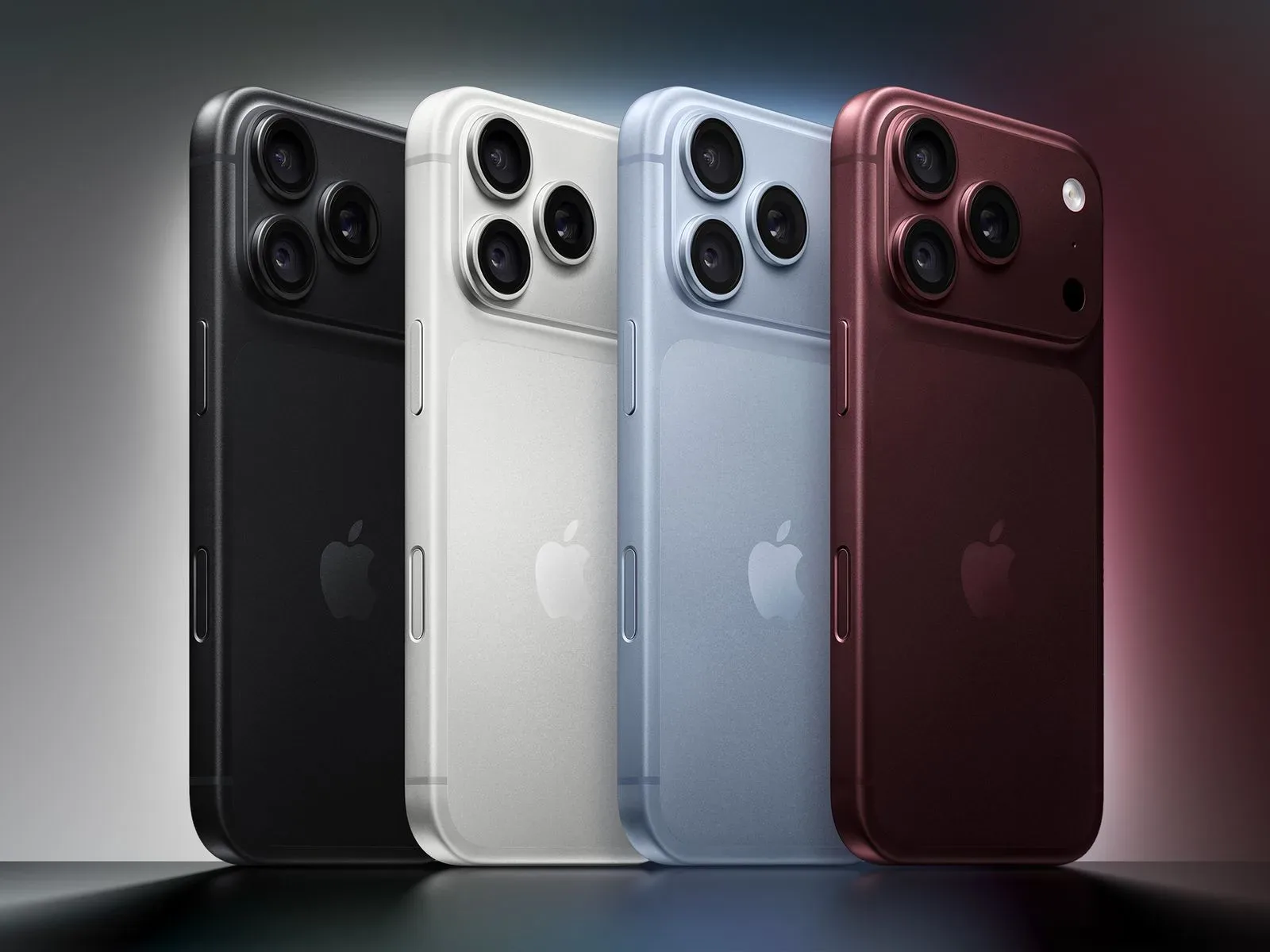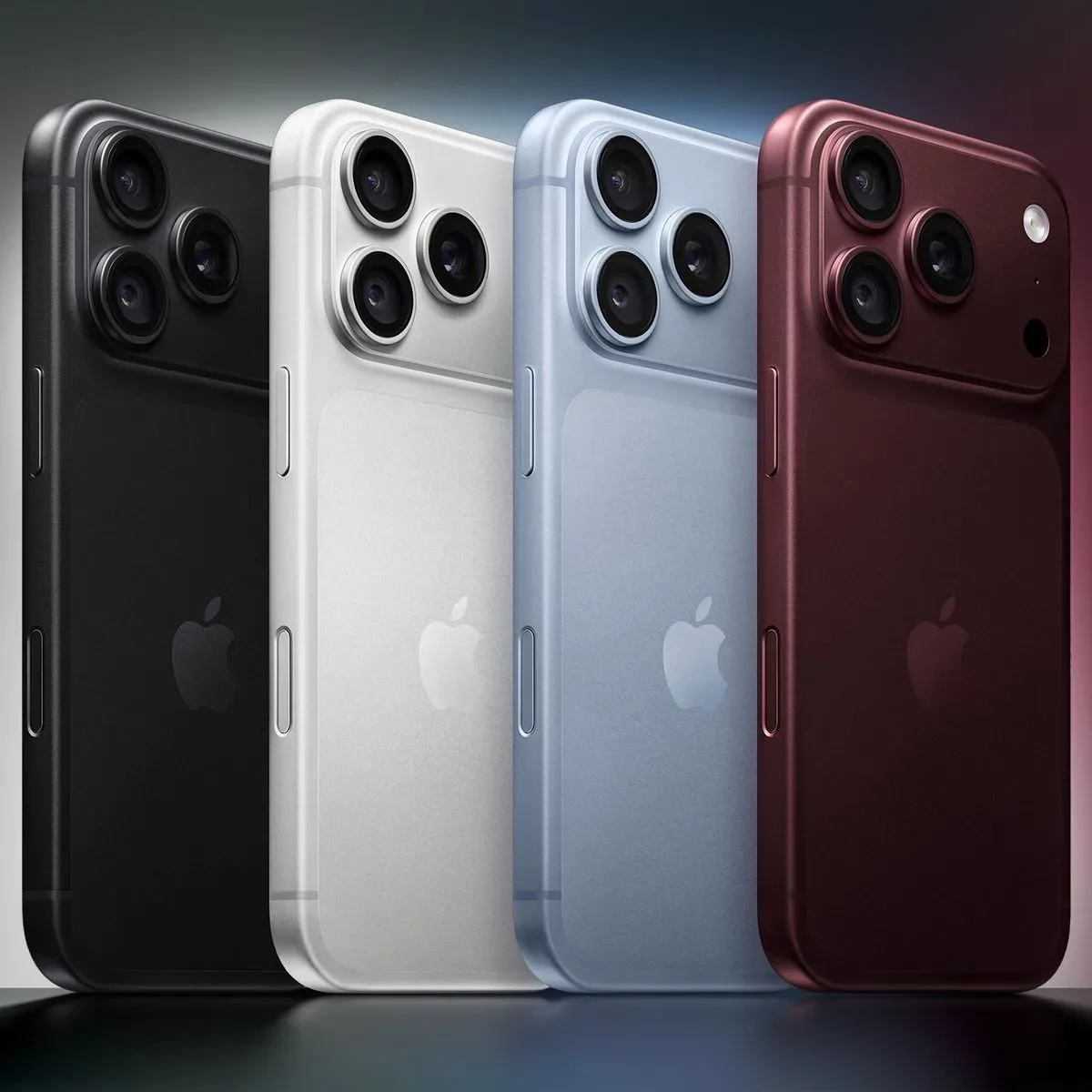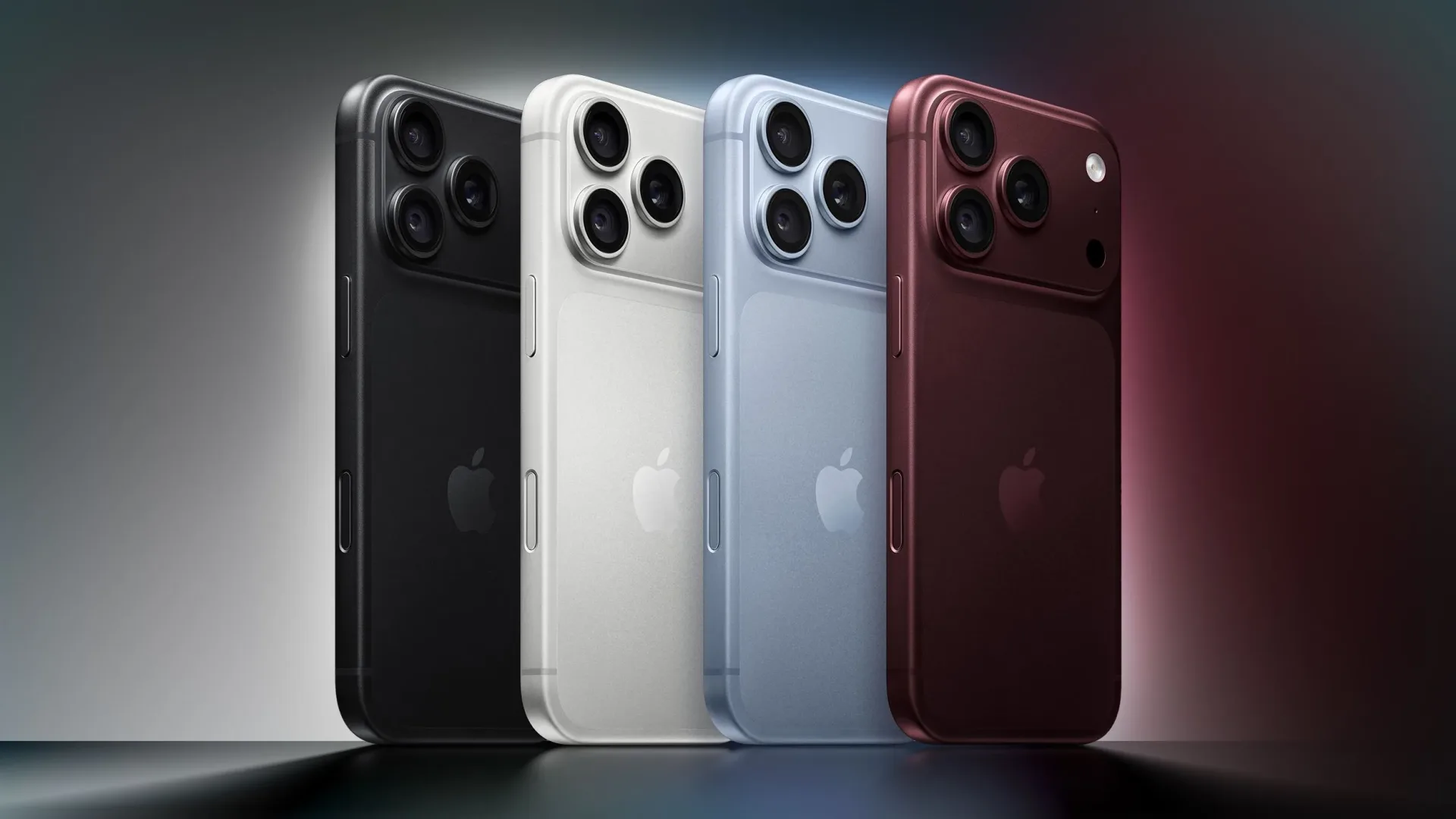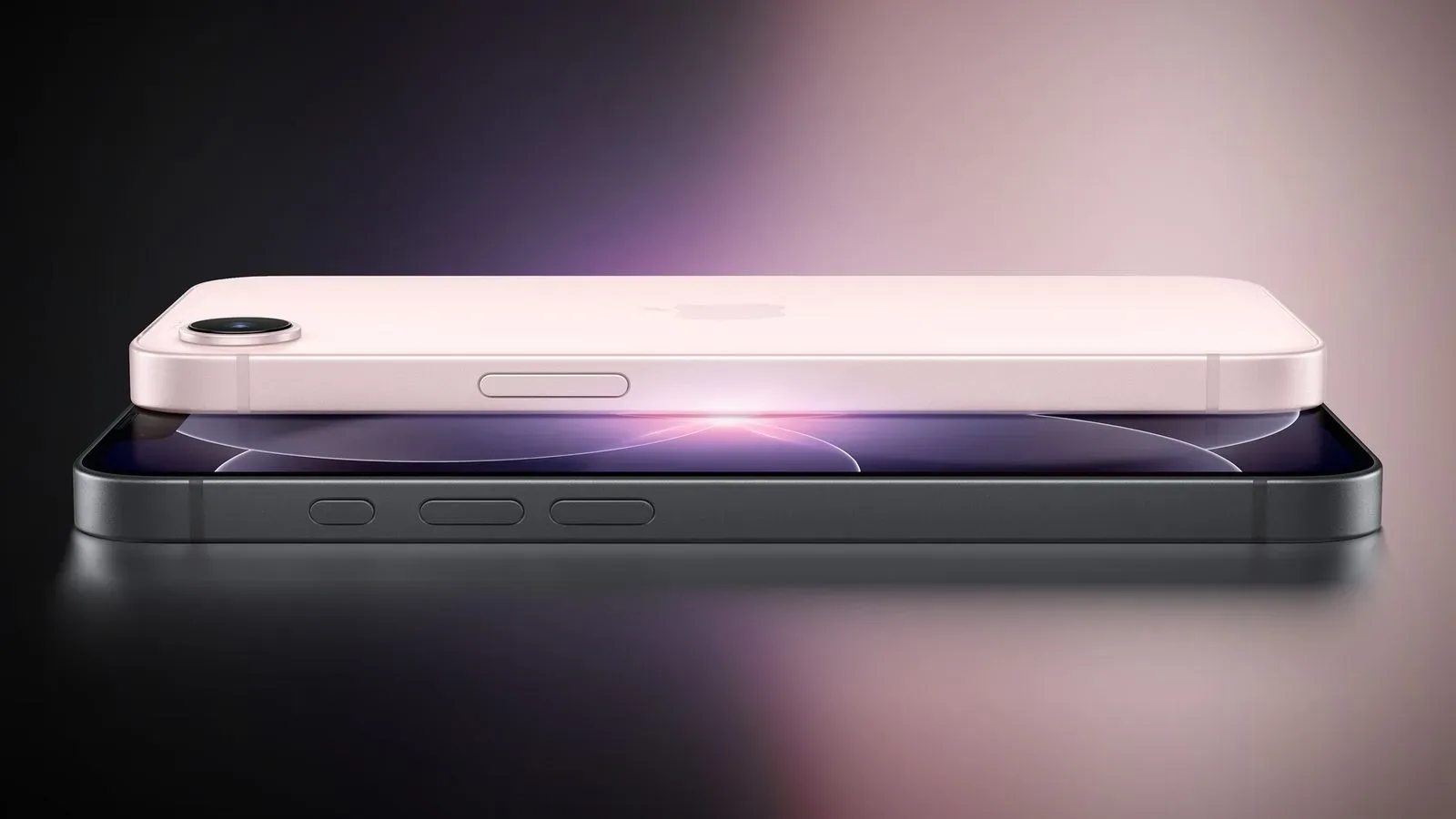
Apple accounted for 57% of U.S. smartphone shipments in the third quarter of 2026, up from 50% a year earlier, in a market that contracted by 9% year over year. Apple was the only major phone manufacturer not to post a shipment decline during the quarter.
That combination matters more than a simple market-share headline. Apple did not merely gain ground in a growing phone market; it expanded its portion of a smaller one. The result is a notably more concentrated U.S. shipment picture, with the iPhone taking more than half of devices shipped while pressure builds particularly around lower-cost Android handsets.
What the 57% figure does—and does not—mean
The 57% number refers to shipments, meaning phones sent into the market through the supply chain. It is not necessarily the same thing as phones purchased by consumers during that exact three-month period. Shipments are nonetheless a meaningful measure of how much product manufacturers are moving into retail and carrier channels, and how those manufacturers are positioned against one another.
Market share is a relative measure. A company can gain share without a dramatic increase in its own shipment volume if rivals decline faster. Here, Apple’s result is still unusually resilient because it was the only major manufacturer to avoid a decline while total U.S. shipments dropped 9%.
The central story, then, is not that every buyer suddenly stopped considering Android phones. It is that a shrinking pool of shipments was divided in a way that favored Apple, while component-cost pressure constrained several competitors.
Rising memory costs squeeze the lower end
The broader shipment downturn was attributed to rising memory costs. In a smartphone, memory generally encompasses the components used for working memory and for storing apps, media and system data. Those parts are foundational rather than optional, so higher costs can be difficult for a manufacturer to sidestep.
The challenge is especially sharp at the entry-level end of the Android market. Budget-phone vendors tend to work with thin margins: there is less room between a handset’s selling price and the costs of its components, production and distribution. If memory becomes more expensive, a company may face unappealing choices:
- raise the price of the phone;
- accept lower profit per device;
- reduce the number of units it ships; or
- adjust the device mix it brings to market.
None of those options is effortless in the value segment. A price increase can weaken a phone’s principal advantage, while absorbing the cost can make the business less sustainable. Cutting volume, meanwhile, can directly show up in shipment results. This helps explain why a component-cost issue can reshape market share even when the phones in question occupy a different price tier from Apple’s lineup.
Related coverage includes iPhone takes 57% of U.S. smartphone shipments as budget Android phones face cost pressure.
It also means the quarter’s standings should not be read solely as a verdict on individual product appeal. Cost structures and the ability to cope with supply-chain pressure can be just as important to shipment performance as a device’s specifications or marketing.
Samsung remains second at 25%
Samsung held a 25% share of U.S. smartphone shipments, an increase of one percentage point year over year. Its position reflects a portfolio that stretches from flagship Galaxy S and Galaxy Z devices to the lower-priced Galaxy A line.
That range may be important in an uneven market. A manufacturer with offerings across several price bands has more paths to maintain volume when conditions shift. The available data ties Samsung’s steady result to both its flagship products and its Galaxy A-series phones, though it does not break out how much each family contributed.
Samsung’s one-point gain is far smaller than Apple’s seven-point rise, but maintaining and slightly improving its share in a declining market distinguishes it from brands that slipped. The quarter leaves Samsung as a clear second-place supplier by shipments, while the distance between first and second has widened substantially.
Motorola takes the largest share loss
Motorola experienced the clearest reversal. Its U.S. share fell four points year over year to 8%, following growth in the preceding quarter. The drop was linked to memory-cost pressure on its broad low-end lineup.
This is the most direct example of the budget-market squeeze in the quarterly results. A business with significant exposure to inexpensive devices may be more vulnerable when a core component becomes costlier, because the price of the finished phone has less slack built into it. Motorola’s decline also illustrates why the overall Android category should not be treated as one uniform competitor: brands have different lineups, price positioning and exposure to lower-margin models.
A four-point share decline is material in a market where the leader advanced seven points and Samsung increased by one. In relative terms, it removed a meaningful portion of Motorola’s U.S. shipment presence and erased the momentum it had shown in the second quarter.
Pixel 11 was not enough to stop a slide
Google’s Pixel 11 launch did not prevent a slight decline in the company’s U.S. market share. The available information does not specify the size of that decline or isolate the factors behind it, so it would be premature to assign the result to any particular feature, price, carrier strategy or demand trend.
What can be said is narrower: a new flagship launch did not translate into enough shipment strength to preserve Google’s share amid the quarter’s broader market contraction. That underscores the difficulty of competing when Apple is gaining ground and component costs are complicating the landscape for Android manufacturers.
Why a shrinking market can increase the importance of share
When overall shipments are rising, multiple manufacturers can grow in absolute terms even if their shares change only a little. In a declining market, the trade-offs become starker. Each share-point change represents a larger competitive statement because the total shipment pool is getting smaller.
Apple’s movement from 50% to 57% is therefore significant for two connected reasons. First, it signals a seven-point year-over-year expansion in its portion of U.S. shipments. Second, it happened while the market itself fell 9%. The company’s U.S. position appears stronger not only against individual Android rivals but against the market’s declining aggregate volume.
The result also aligns with the prior global third-quarter picture, where Apple likewise gained share in a declining smartphone market. The U.S. data are not proof that every region behaves identically, but they point in the same direction: Apple’s share performance held up even as the wider category weakened.
Practical implications for phone shoppers
Market-share data should not be mistaken for a buying guide. A larger shipment share does not automatically establish that one phone is the best match for every person. Buyers still need to weigh platform preference, budget, storage needs, camera priorities, software support and the devices they already use.
Still, the pressure described in the quarterly data is worth watching, especially for shoppers seeking inexpensive Android phones. Higher memory costs could make it harder for manufacturers with low-margin lineups to hold pricing and shipment volume steady. That does not confirm a specific price change for any particular handset, but it is a useful explanation for why the budget segment may be less predictable than usual.
For Apple watchers, the 57% figure offers context around the company’s current U.S. standing rather than a forecast for its next devices. Separate reporting has indicated that the iPhone 18 and iPhone 18e may face a production delay, but shipment share in one quarter and future product timing are distinct matters.
A quarter defined by resilience and cost pressure
The third-quarter U.S. shipment results establish a clear hierarchy: Apple led at 57%, Samsung followed at 25%, and Motorola sat at 8% after the largest reported setback. Apple’s gain came during an industry-wide decline, Samsung held its position with a modest improvement, Motorola’s low-end exposure was squeezed, and Google’s Pixel 11 release did not stop a small share loss.
The key variable running through the data is memory cost. As a component expense that is especially difficult for thin-margin vendors to absorb, it can alter the competitive balance without any single company changing its entire strategy overnight. For now, the immediate effect is visible in the shipment split: Apple emerged from a shrinking quarter with a substantially larger share of the U.S. smartphone market.