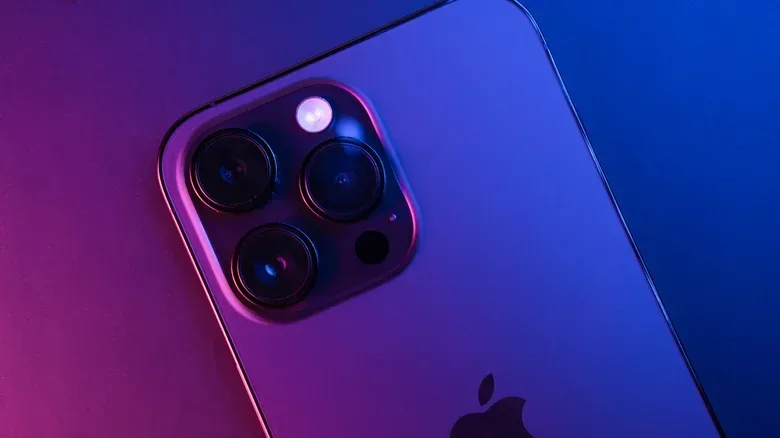
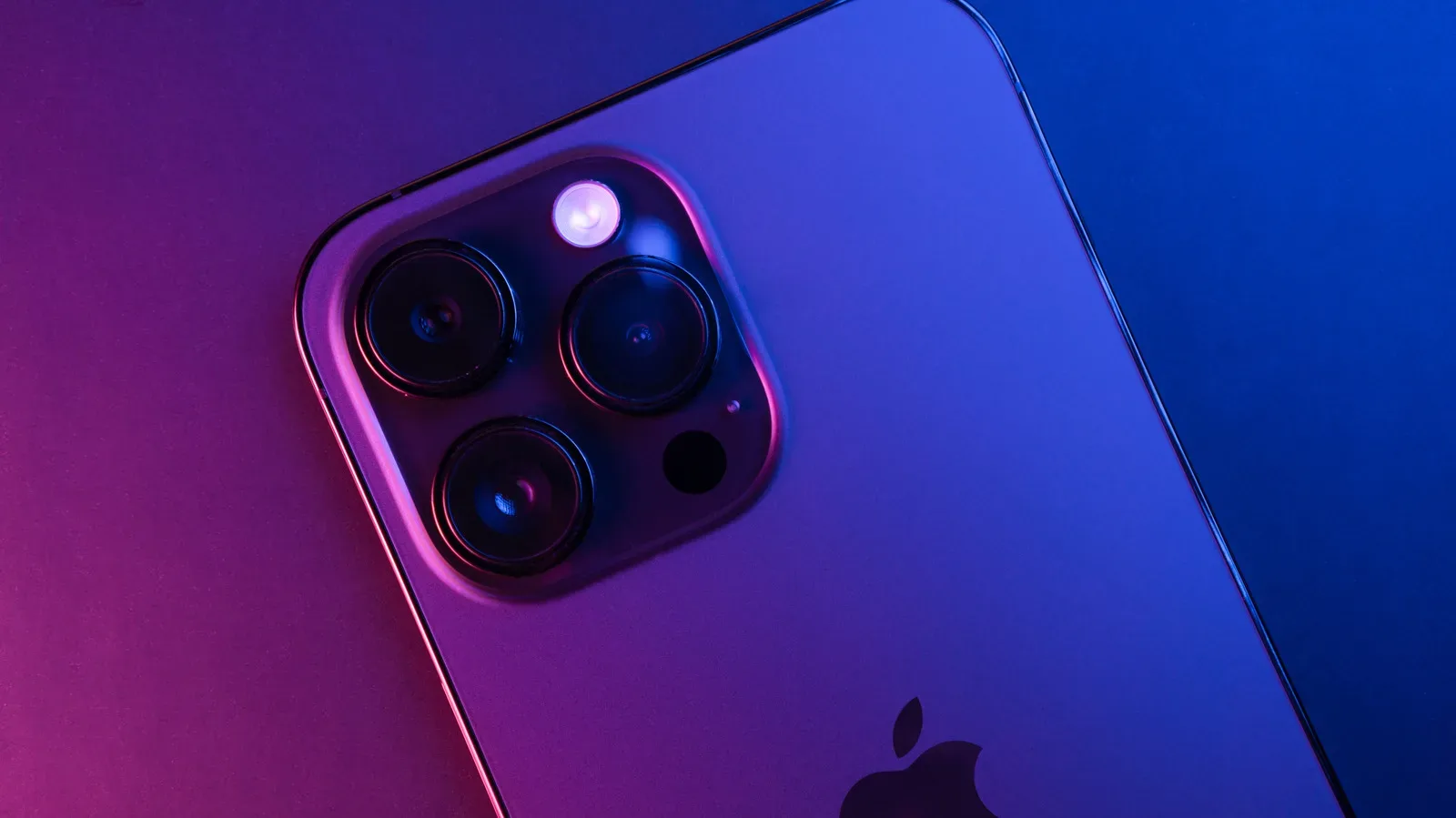
A set of unverified CAD images is pointing to a notable visual change for Apple’s presumed lower-cost iPhone 18e: a raised rear camera plateau rather than a lens sitting almost directly out of the back glass. The same design material also supports the growing expectation that the ultra-thin iPhone Air 2 will gain a second rear camera.
Neither device design is official, and CAD material is not a product announcement. It is best understood as a possible snapshot of hardware planning: useful for spotting broad external shapes, but insufficient to settle final specifications, component choices or release plans. Apple could still alter—or abandon—these designs before retail hardware exists.
What the iPhone 18e design reportedly changes
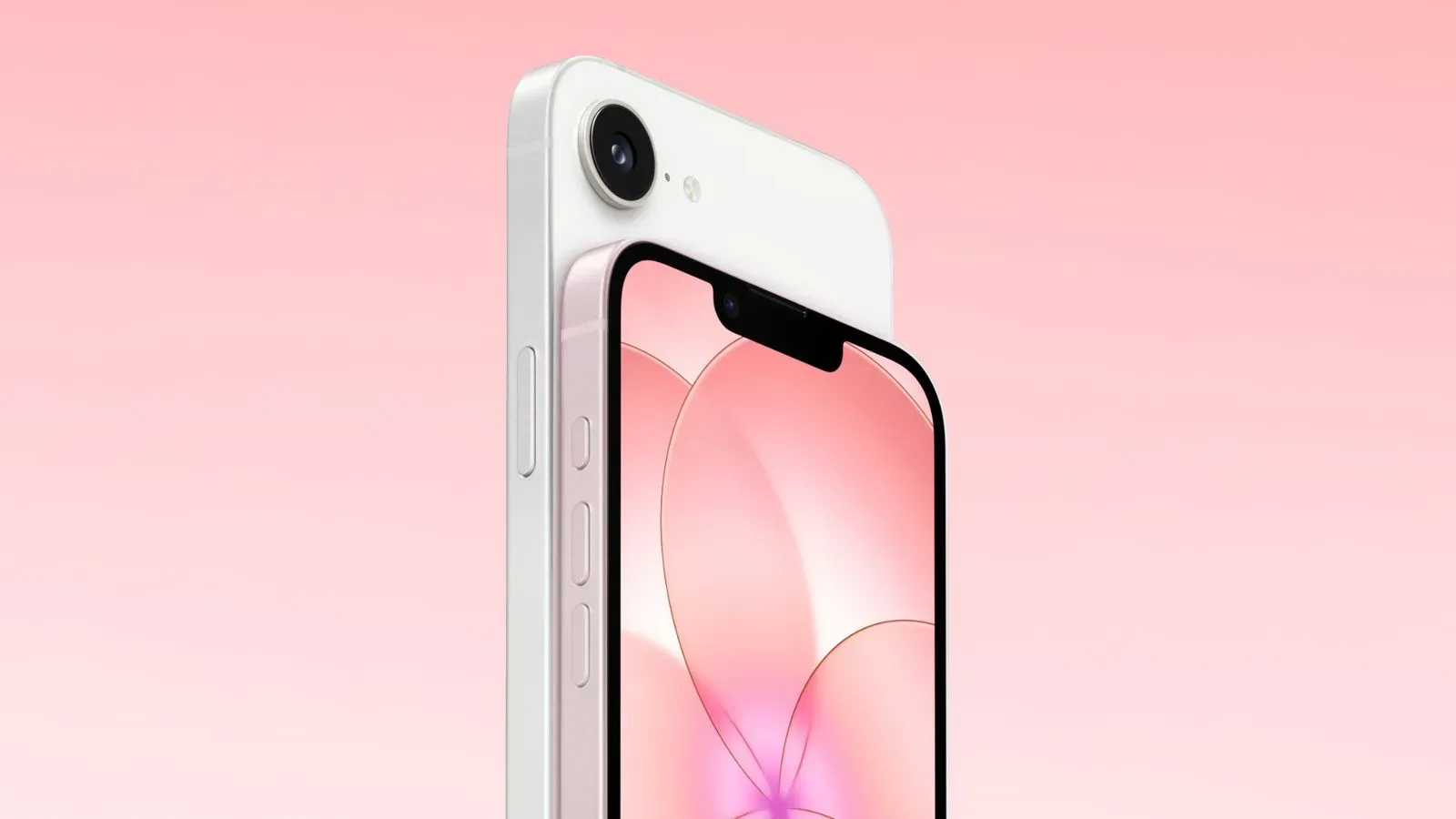
The current iPhone 17e is described as having no conventional camera bump. Its single lens protrudes slightly from the rear surface, while the microphone and LED flash occupy individual openings in the back glass. The alleged iPhone 18e CAD instead shows those elements gathered into one distinct rear assembly.
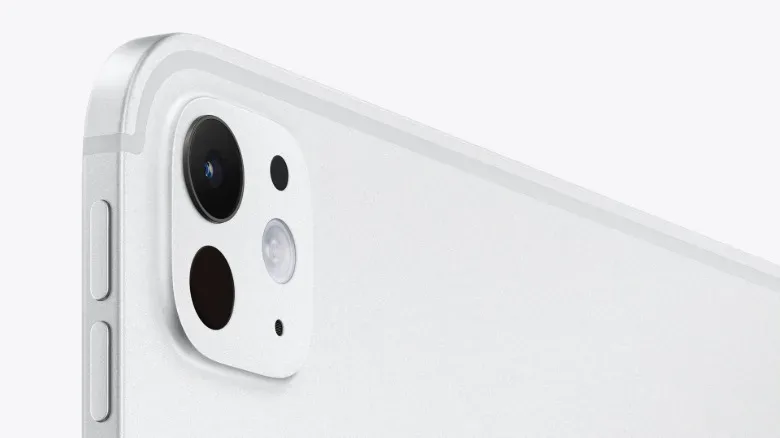
That assembly is nearly square, at roughly 28mm by 35mm, and contains the single rear camera, flash and rear microphone. Calling it a camera plateau is helpful here: rather than referring only to the circular lens surround, the term describes a raised area that groups multiple camera-related components together.
Visually, it would make the 18e read more like a contemporary premium phone, even if it continues to use one rear camera. The reported module is also compared in overall approach to the camera section on the M5 iPad Pro. This is a design-language observation, not evidence that the two products share imaging hardware.
For a phone buyer, the practical effect of a new plateau would initially be physical rather than photographic. It could change how the handset rests on a desk, the shape of compatible cases, and the way the back panel looks at a glance. The CADs alone do not establish whether the iPhone 18e’s camera performance, sensor size, lens, stabilization or video capabilities would change.
The base iPhone 18 may look familiar, but its camera module could grow
The same reported files include designs for the standard iPhone 18. Its external design is said to remain essentially unchanged, although its camera module becomes thicker: from 3.45mm to 3.8mm. That is a 0.35mm increase, or about 0.01 inches.
On its own, a thicker module does not prove an improved camera. Camera assemblies combine numerous parts, and CAD dimensions chiefly communicate physical packaging. Still, the change is notable because Apple has reportedly used the 48-megapixel Sony IMX904 sensor in its base models since the iPhone 15. A larger camera housing could allow room for a different sensor or other camera upgrades, but that remains inference rather than confirmation.
This distinction matters. A sensor is the component that captures light and turns it into image data; megapixels describe the number of pixels it can record, not a complete measure of photo quality. Lens design, image processing and low-light behavior can all matter as well. Until Apple provides details, the thicker module should be treated as a clue about possible internal changes, not a finished camera spec sheet.
iPhone Air 2’s second lens is the more consequential rumor
The alleged CAD material provides further support for a second rear camera on the iPhone Air 2. The two lenses are shown arranged horizontally, while the phone itself is expected to stay at 5.6mm thick. Its camera module is also said to expand from 3.45mm to 3.8mm, matching the reported increase on the standard iPhone 18.
Multiple earlier reports have pointed to Apple adding an ultra-wide camera to the second-generation Air. An ultra-wide lens offers a broader field of view than a main camera, making it useful when a scene, group of people or large subject will not fit comfortably into a standard frame. The specific image quality, resolution and field of view are not established by the CAD files.
The significance is straightforward: a second lens could address a commonly cited limitation of the original ultra-thin model without requiring the handset itself to become thicker. The design appears to reserve the added depth for the camera area, which is a familiar trade-off in slim smartphones. It preserves the headline thinness measurement for the body while allowing a more substantial component cluster at the rear.
That said, keeping a 5.6mm chassis and adding a second camera would still leave plenty of unanswered questions. CADs cannot tell prospective buyers how the added camera affects battery capacity, thermal behavior, image processing, durability, weight or case fit. Nor do they say whether the second lens would be available in every market or configuration. Those are details that require official specifications.
Dynamic Island expectations appear unchanged for the non-Pro pair
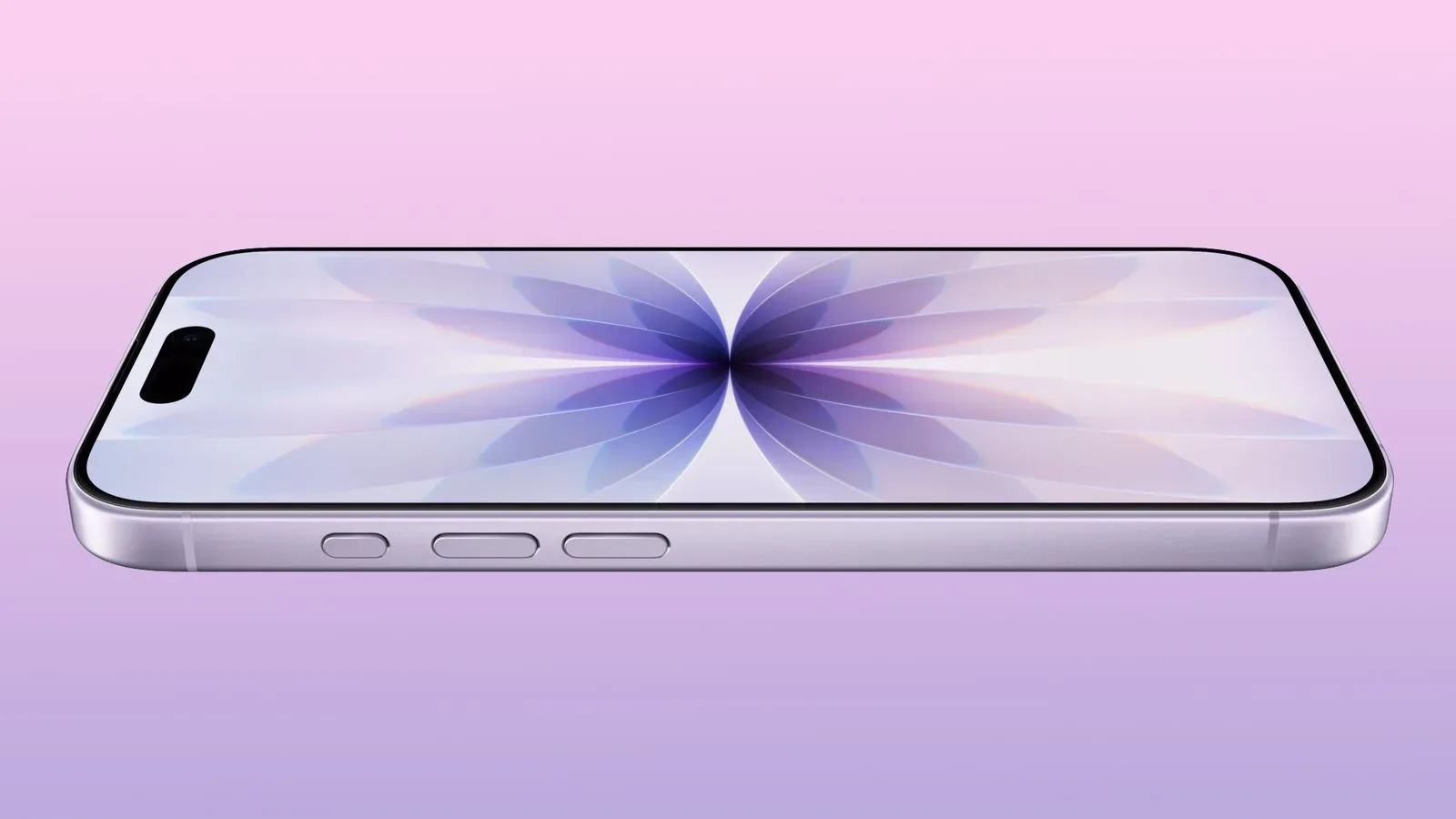
The standard iPhone 18 and iPhone Air 2 are both expected to retain the same Dynamic Island design used on current models, rather than adopt the smaller cutout associated with the iPhone 18 Pro. The Dynamic Island is the interactive display cutout area around the front camera and sensors. In this reported lineup, it would remain a differentiator between the Pro hardware and the two non-Pro models.
Together with the separate rear-camera approaches, that creates a potentially clearer split in the range. The 18e could receive a more premium-looking back while retaining one camera. The base iPhone 18 may preserve its exterior identity while subtly increasing camera-housing depth. The Air 2 could make the most functional change by moving from one rear camera to two, yet preserve its ultra-thin body measurement. The Pro line, meanwhile, is expected to retain the smaller front cutout.
Why CAD leaks deserve caution
Computer-aided design, or CAD, files are used to define a product’s physical dimensions and exterior geometry. They can be especially useful to accessory makers, since a small shift in a camera island, button position or body thickness may affect cases and mounts. They are much less reliable for predicting the experience of using a device.
A CAD outline cannot validate a camera sensor, display panel, chip, battery, operating-system feature or price. It also cannot rule out late development changes. The reported files do come from a source described as familiar with Apple’s supply chain and credited with accurate color information before earlier iPhone announcements, which lends context to the claim. It does not make unreleased hardware final.
That caution is particularly relevant because the reports place the iPhone 18, iPhone 18e and iPhone Air 2 next spring, after the premium iPhone 18 Pro and iPhone Duo models were said to have arrived in September. If that staggered schedule proves accurate, there remains time for revisions.
Apple’s iPhone decisions are also drawing attention beyond hardware design. For related context on the company’s mobile-platform rules, see the ongoing discussion around iPhone browser-engine requirements in the EU.
What is actually supported—and what remains speculation
- Supported by the reported CAD material: a possible 28mm-by-35mm rear plateau for the single-camera iPhone 18e; a thicker rear camera module on the standard iPhone 18 and Air 2; and a horizontal dual-camera layout for the Air 2.
- Supported by several prior reports: the possibility that the Air 2’s added lens is ultra-wide.
- Reasonable but unconfirmed interpretation: the standard iPhone 18’s thicker module may signal changed sensors or upgraded camera hardware.
- Not established: final cameras, image quality, batteries, pricing, exact launch timing, colors, software functions or whether any of the shown designs will reach stores unchanged.
For now, the strongest takeaway is not that Apple’s next non-Pro iPhones are settled. It is that the camera area may become the clearest point of differentiation across them: a newly consolidated plateau for the 18e, a slightly deeper familiar module for the regular 18, and a dual-lens assembly for the Air 2. Whether that visual shift translates into substantial camera gains will have to wait for firmer evidence.