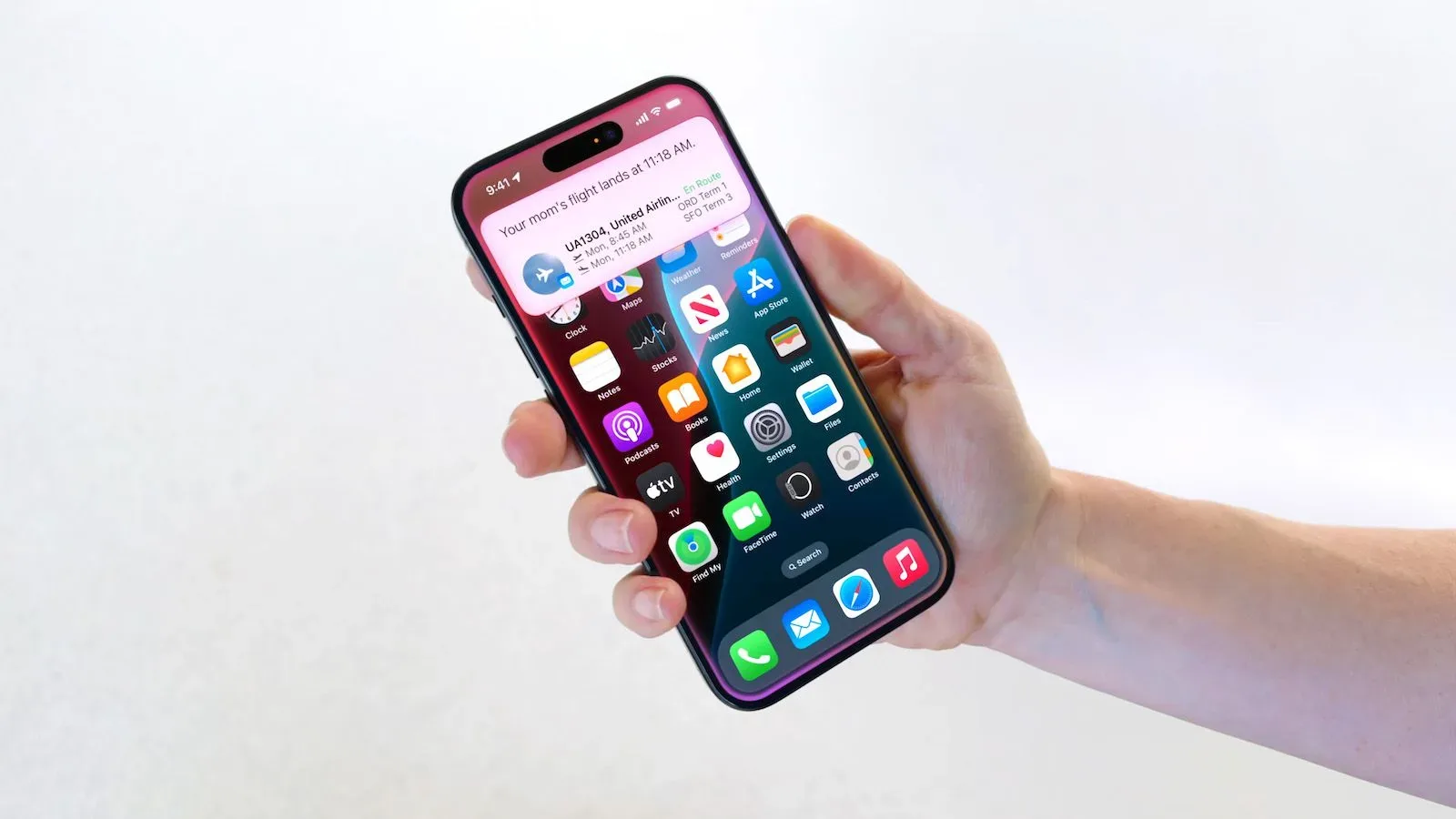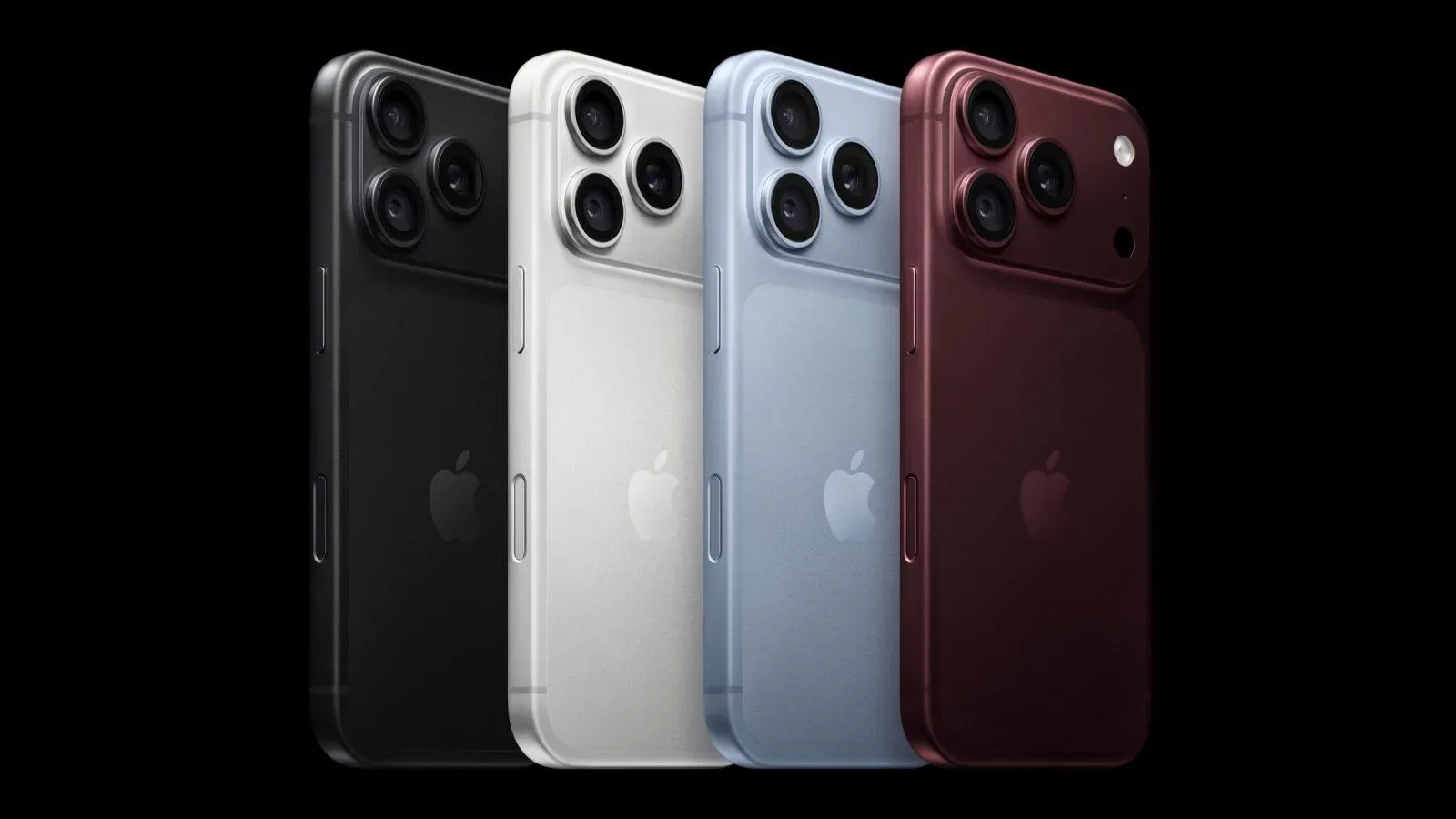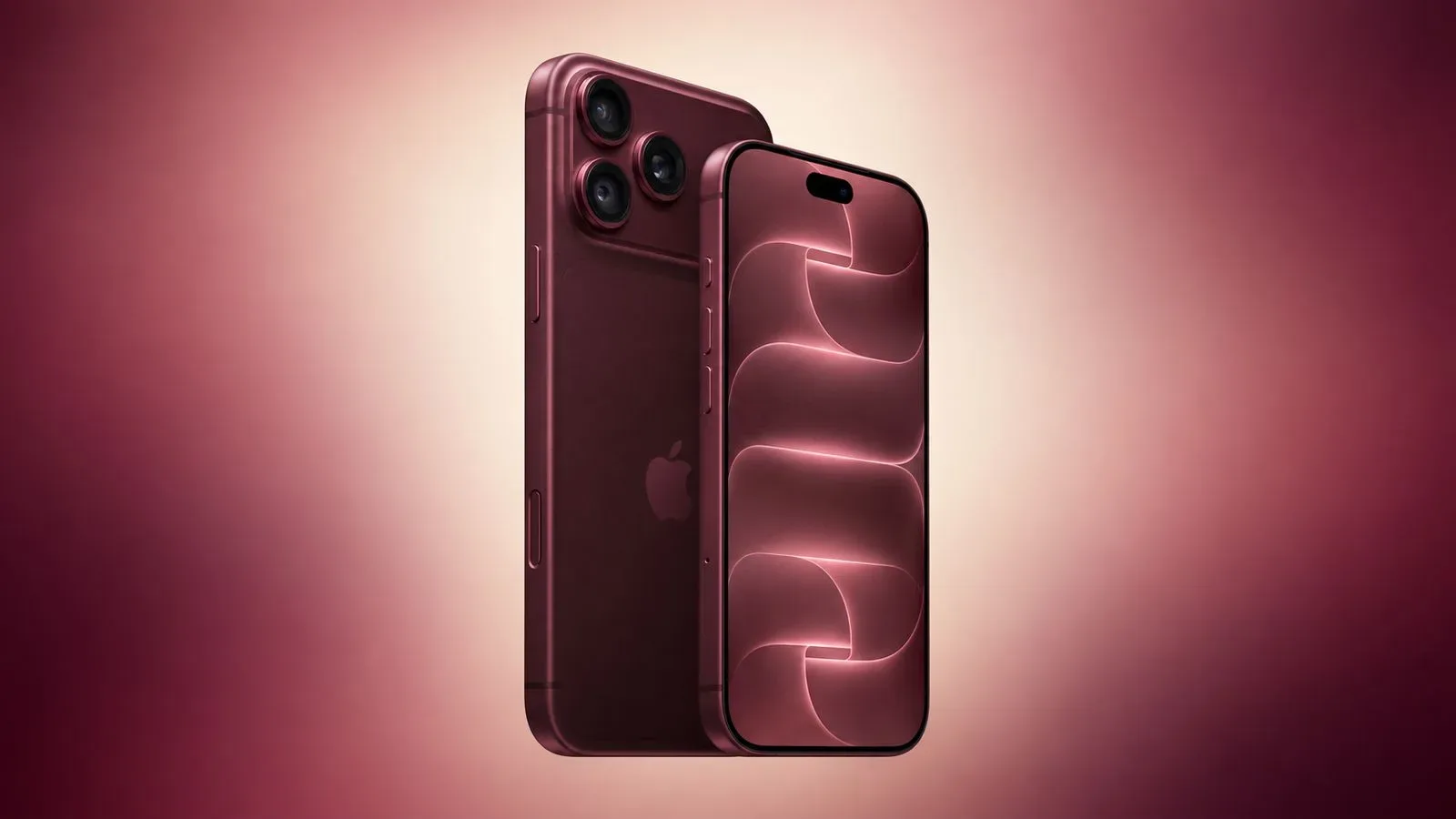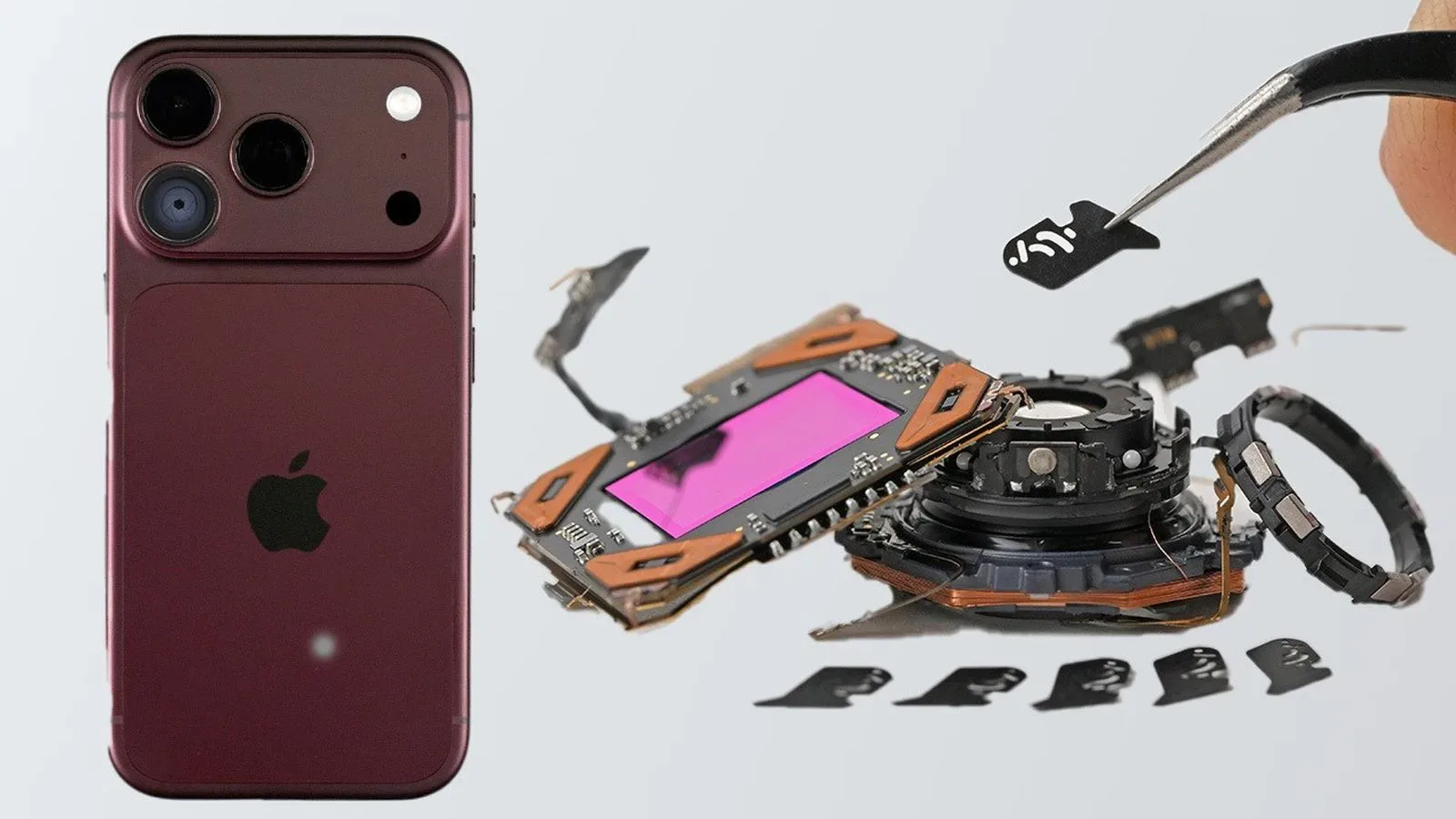
The iPhone 18 Pro and iPhone 18 Pro Max have received an internal inspection that puts several of the lineup’s hardware changes into clearer view. The most concrete figures concern the batteries fitted to eSIM-only versions of the phones: 4,288 mAh in the iPhone 18 Pro and 5,567 mAh in the iPhone 18 Pro Max.
Those values make the smaller Pro’s year-over-year change extremely modest on paper, while the Pro Max shows a considerably larger increase. Against the iPhone 17 Pro’s stated 4,252 mAh capacity, the iPhone 18 Pro’s 4,288 mAh cell is up 0.8%. The iPhone 18 Pro Max rises 9.4% from the iPhone 17 Pro Max’s 5,088 mAh capacity to 5,567 mAh.
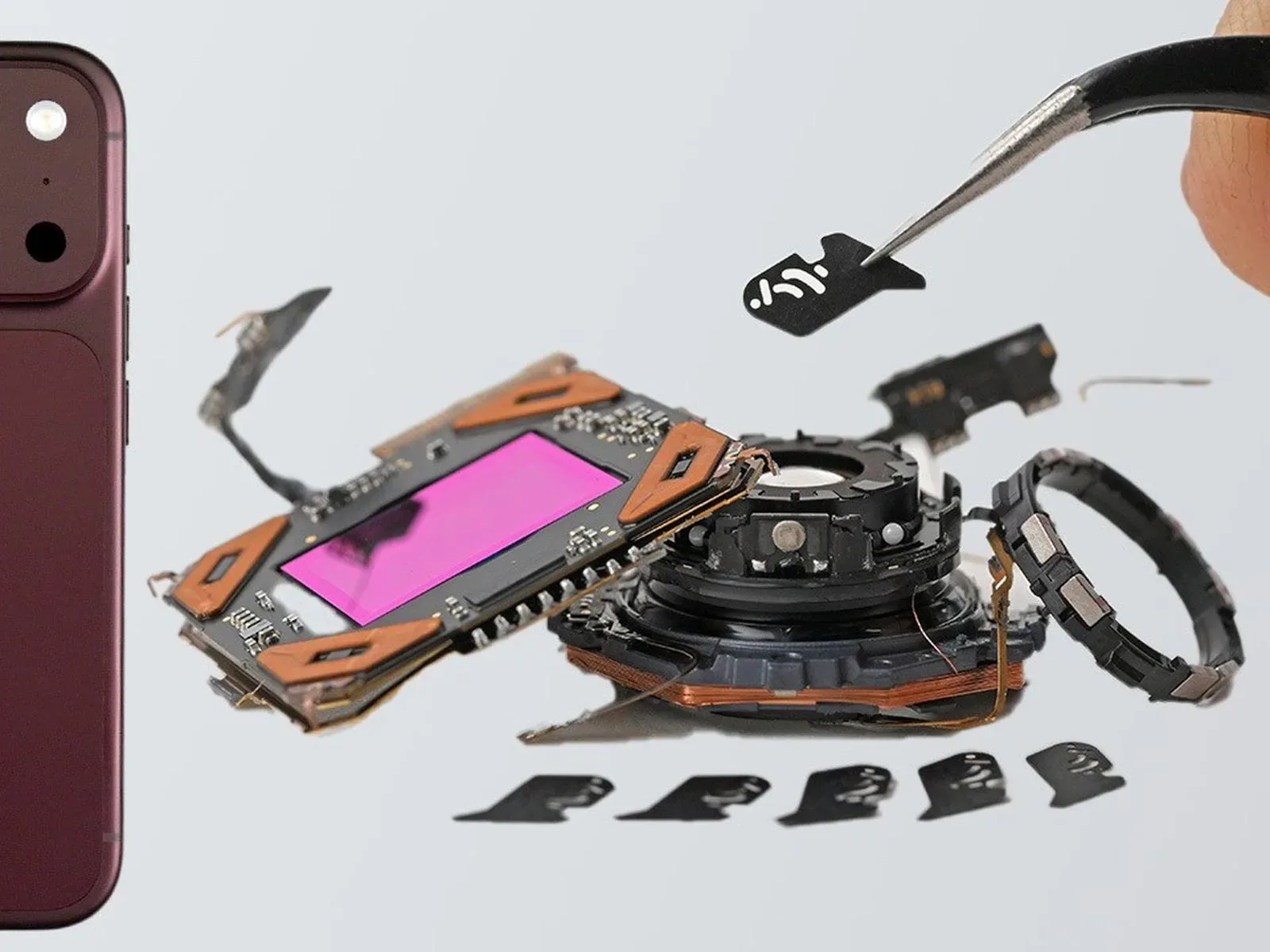
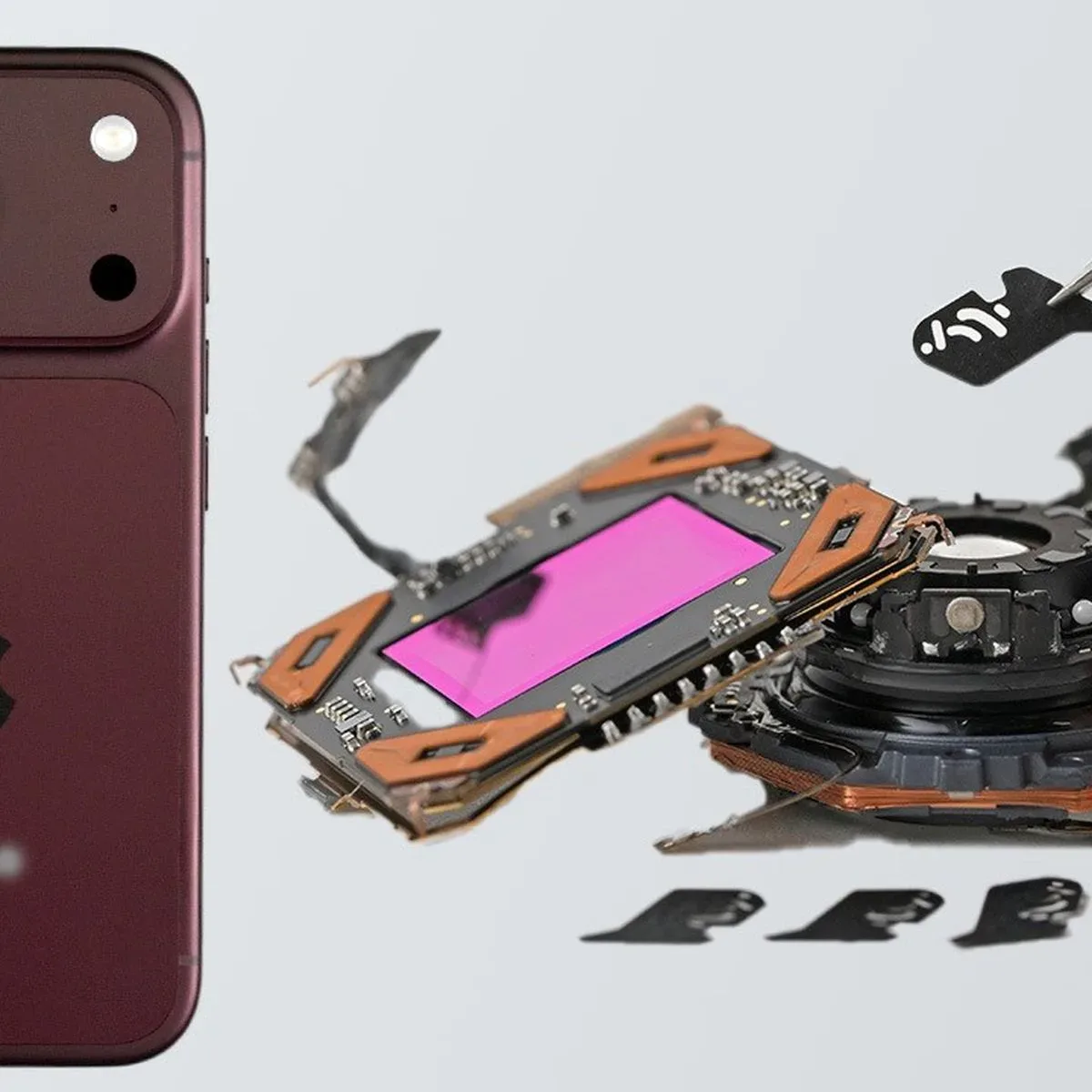
The internal examination also offers a closer look at two other pieces of hardware central to the new Pro models: a variable aperture system and a larger vapor chamber intended for cooling. Neither item can be reduced to a single specification, but both point to the parts of a modern phone that must work together when cameras and performance are pushed harder.
The battery numbers, and why the regional detail matters
Battery capacity is measured here in mAh, shorthand for milliampere-hours. It describes the amount of electrical charge a battery can hold under specified conditions. It is a useful comparison point between closely related devices, but it is not a standalone prediction of how many hours a phone will last in every person’s hands.
Actual endurance depends on the workload and the rest of the phone: display use, mobile signal conditions, camera activity, thermal conditions, background tasks and software behavior can all affect the result. A larger mAh figure establishes that there is more battery capacity available; it does not by itself establish a proportionate rise in screen time, gaming time or video-recording time.
That caveat is especially important for the iPhone 18 Pro pair. The 0.8% increase in the eSIM-only iPhone 18 Pro is only 36 mAh compared with its predecessor. By contrast, the 479 mAh difference between the eSIM-only iPhone 18 Pro Max and the prior Pro Max is substantial in capacity terms. The percentages make the contrast easy to read: the standard Pro is almost level year over year, while the larger model has received the more conspicuous change.
There is also a configuration distinction worth preserving. These confirmed capacities apply to the eSIM-only iPhone 18 Pro and iPhone 18 Pro Max. Those models are sold in the United States, Canada, Mexico, Japan, Saudi Arabia, the United Arab Emirates, Qatar, Oman, Bahrain and Kuwait.
In every other country, the two phones have a physical SIM-card tray. Battery capacities for those tray-equipped versions had surfaced earlier, but it would be a mistake to casually treat all regional models as identical when discussing an internal component measurement. The presence or absence of a SIM tray changes the internal layout constraints a manufacturer must accommodate. For buyers, repairers and spec-watchers, the practical lesson is simple: check the region and cellular configuration before comparing a teardown figure with a specific phone.
Why an eSIM-only design can matter internally
An eSIM is a digital subscriber identity module rather than a removable physical card. At the user level, it is about activating a cellular plan without inserting a traditional SIM. Inside the handset, an eSIM-only version no longer needs the physical tray assembly used by a model that supports a removable card.
The available evidence does not establish precisely how Apple allocates that space in every iPhone 18 Pro configuration, and it should not be assumed that the missing tray maps one-for-one to added battery capacity. Smartphones are densely packed systems with structural supports, connectors, shielding, antennas, cameras and thermal hardware competing for room. Still, the regional split is a meaningful reminder that teardown data can be configuration-specific rather than universal.
This is also why capacity disclosures are more useful when paired with model context than when presented as an isolated number. A prospective purchaser in a country receiving a SIM-tray-equipped handset should not assume the eSIM-only battery specification is automatically the exact figure for the phone sold locally. Likewise, anyone replacing components or cataloging part differences needs to identify the version in hand first.
For broader iPhone-related consumer news, readers can also see details on the open Siri AI settlement claims process for eligible iPhone owners.
A variable aperture is a mechanical camera change
The teardown’s view of the variable aperture system is significant because aperture is a physical property of a camera lens assembly. In basic terms, an aperture is the opening through which light travels to the image sensor. A wider opening permits more light through; a narrower opening permits less. A variable-aperture system can alter that opening rather than locking the camera to one fixed setting.
That means the system is not simply another software setting with a camera-like name. It is hardware with moving or adjustable elements in the optical path. The precise photographic behavior will depend on how the phone’s camera system controls it and what options are exposed to users, neither of which is established by the internal look alone. But the distinction matters: software can process an image after capture, whereas a physical aperture affects the light entering before the sensor records the image.
The component also illustrates why a teardown can add useful context to headline-level specifications. Product pages can state that a phone has a variable aperture, but an internal examination shows that the feature requires dedicated mechanical packaging among the tightly arranged camera components. That is relevant to anyone interested in the trade-offs behind modern smartphone photography, where the camera module has to coexist with a battery, logic board, thermal design and wireless hardware.
It is too early to infer a specific photography advantage from the teardown alone. A variable aperture may create flexibility in how a camera manages light, but image results are also shaped by the sensor, lens design, stabilization and computational processing. The confirmed takeaway is narrower and more dependable: both iPhone 18 Pro models include the new variable-aperture system, and the internals provide a more detailed view of its construction.
The larger vapor chamber and sustained heat management
The other major area exposed by the internal inspection is the larger vapor chamber. This is a cooling component designed to spread heat across a broader area. In simplified terms, a sealed chamber uses a working fluid to move heat away from a concentrated hot spot, helping distribute it through the device’s thermal system.
Heat is a persistent challenge in compact electronics. Intensive tasks can produce concentrated heat in the processing hardware, while a phone’s thin chassis gives designers limited space to move that heat. A larger vapor chamber does not mean the device cannot become warm, and it does not guarantee a particular performance result. What it can indicate is that thermal management has received more internal volume and design attention.
That has potential relevance to workloads that combine sustained processing with other demanding components, including extended camera use and graphically intensive applications. However, the teardown does not supply temperature figures, performance measurements or a direct before-and-after benchmark. The most responsible reading is therefore architectural rather than conclusive: the iPhone 18 Pro line has a larger vapor chamber, giving the phones a more substantial heat-spreading component than the preceding arrangement referenced by the design change.
Cooling hardware is easy to overlook because it is not normally a feature a person taps on a screen. Yet it can be foundational. A phone’s processor may be capable of a heavy task, but the device still has to manage the heat generated while doing it. The vapor chamber is part of that management layer, alongside the chassis and the device’s overall internal layout.
What the teardown confirms—and what it does not
The value of this internal look is precision. It confirms the eSIM-only battery capacities for the iPhone 18 Pro and iPhone 18 Pro Max, identifies the markets in which those eSIM-only models are sold, and gives a close view of the variable aperture and enlarged vapor chamber.
It does not, on its own, settle real-world battery-life rankings, camera quality or sustained-performance behavior. Those are outcome questions that require separate evidence. mAh is capacity, not a universal endurance score; a variable aperture is camera hardware, not a completed verdict on photos; and a larger vapor chamber is a design change, not a measured promise of a particular temperature.
Even so, the details make the iPhone 18 Pro family easier to understand beyond the usual external design and feature summaries. The smaller eSIM-only Pro receives a near-flat battery-capacity change from the iPhone 17 Pro, while the eSIM-only Pro Max makes the major jump. Both share internal camera and thermal changes that underscore where the Pro range is concentrating its engineering effort: optical flexibility and heat management alongside the expected battery trade-offs of a tightly packed flagship phone.