Eligible U.S. owners of certain recent iPhones can now submit claims in Apple’s $250 million settlement of a class action lawsuit concerning the delayed rollout of more personalized Siri capabilities. The claims window runs from September 21 through December 21, and the current estimated payment is $25 for each eligible iPhone. That figure is not guaranteed: it could be lower or higher depending on valid claims and other settlement calculations, with a stated ceiling of $95 per device.
The important distinction is that this is a settlement, not a finding that Apple did anything improper. Apple denies the lawsuit’s allegations and agreed to resolve the case rather than take on the expense and uncertainty of a trial. For consumers, the immediate practical question is simpler: whether their purchase, model, location, and timing meet the settlement’s rules—and whether they submit a claim before the deadline.
What the case is about
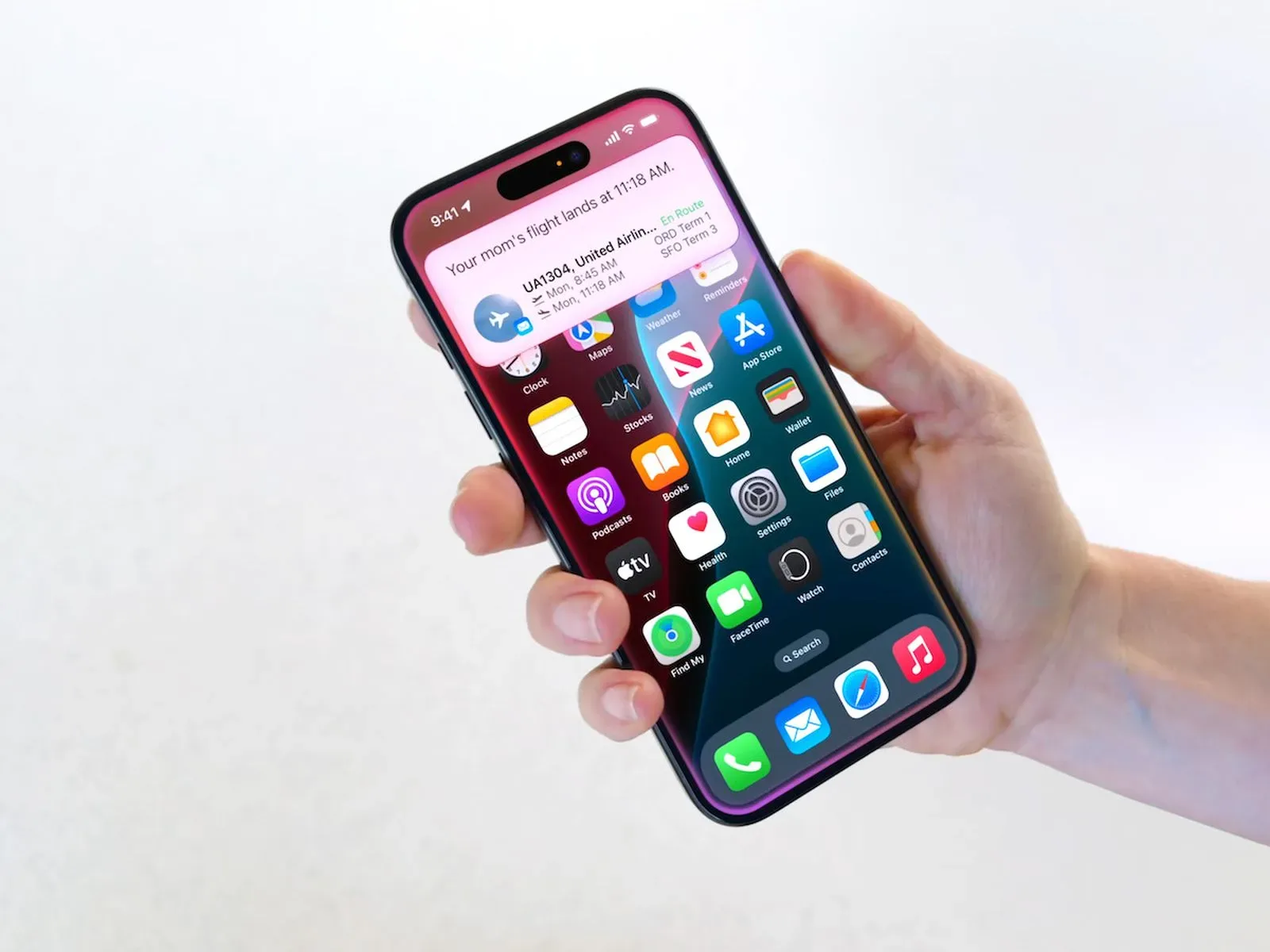
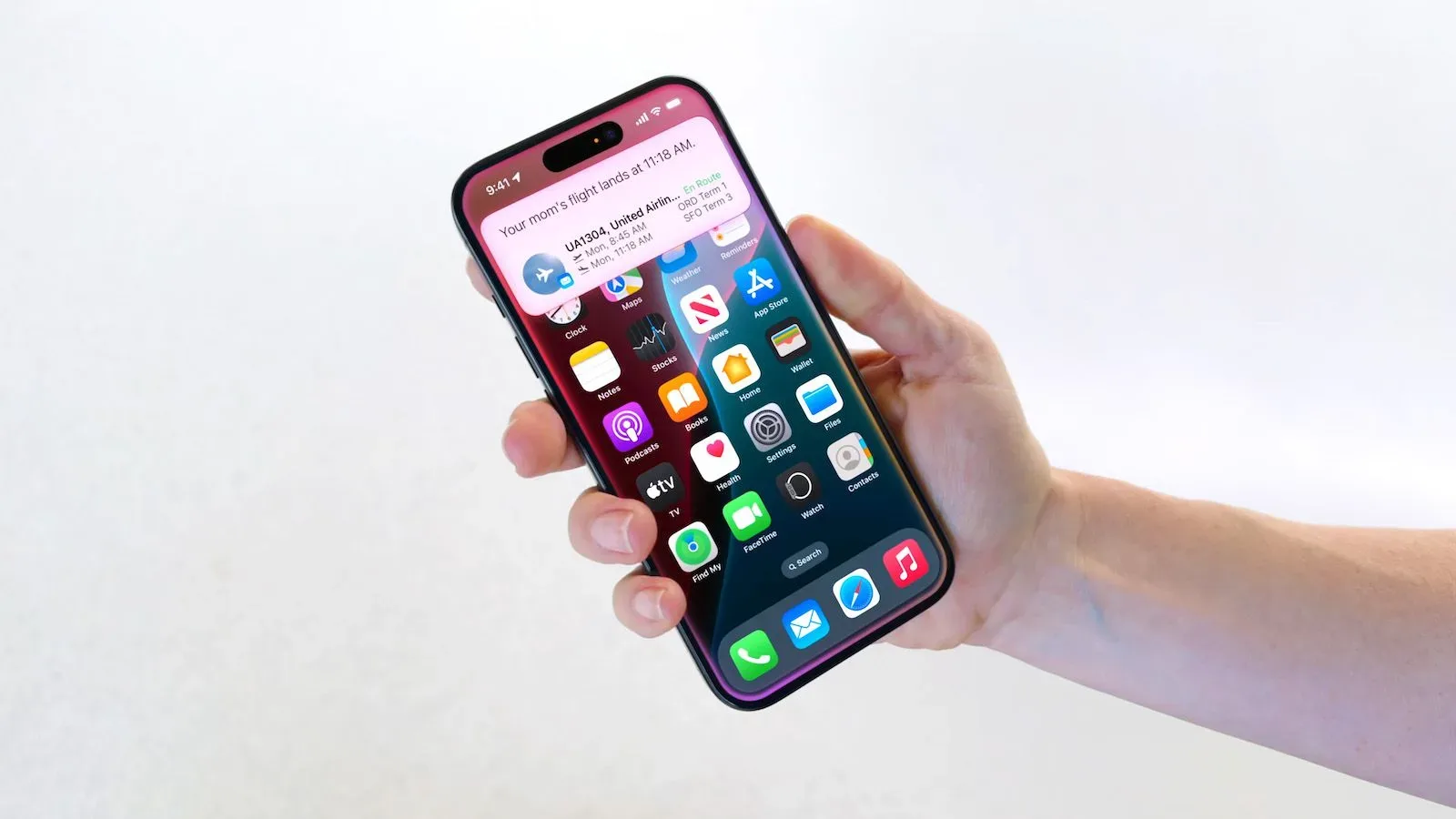
The dispute centers on Siri capabilities Apple previewed in June 2024 as part of Apple Intelligence. The planned experience went beyond ordinary voice commands. It was presented as Siri being able to work with a person’s personal context, understand what was visible on screen, and take broader actions across individual apps.
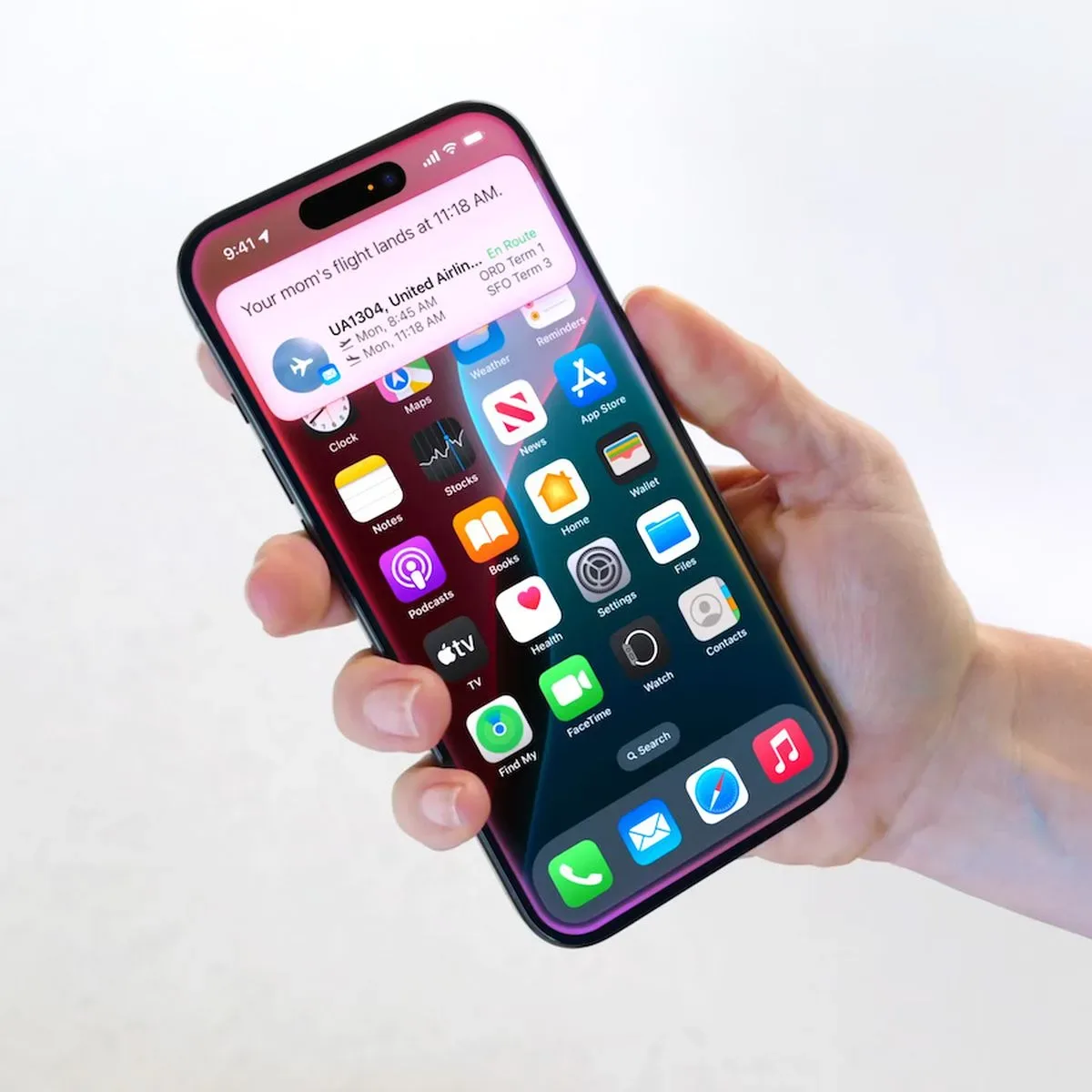
“Personal context” in this setting means information relevant to the user, such as details in Mail or Messages. Apple’s demonstration included a request about a mother’s flight and lunch plans, with Siri expected to draw on that information from those apps. “On-screen awareness” describes an assistant’s ability to recognize and respond to content currently shown on the phone. The promised deeper per-app controls, meanwhile, concerned Siri doing more within and across apps rather than merely opening them or handling narrowly defined commands.
Those capabilities appeared in product presentations, Apple’s website, and advertising, including a commercial featuring Bella Ramsey. In March 2025, Apple delayed the personalized form of Siri. That delay led to a U.S. class action alleging false advertising.
Apple emphasized that it had released other Apple Intelligence features, while maintaining its denial of the claims in the lawsuit. The company later announced Siri AI at WWDC 2026 in June. Siri AI is now available on iPhone 15 Pro models and later devices using iOS 27, which was released last week.
That later availability matters for understanding the settlement’s scope. The issue described by the case is not simply whether Siri AI exists now. It concerns the timing of capabilities that were promoted earlier and then delayed. A product feature ultimately arriving does not, by itself, answer the separate consumer-law question raised by advertising and launch timing. The settlement resolves that dispute without a trial verdict.
Who can submit a claim
Eligibility has several requirements. A claimant must reside in the United States and must have bought an eligible iPhone in the United States, for a purpose other than resale, during the period from June 10, 2024, through March 29, 2025.
The listed phones are:
- iPhone 15 Pro
- iPhone 15 Pro Max
- iPhone 16
- iPhone 16e
- iPhone 16 Plus
- iPhone 16 Pro
- iPhone 16 Pro Max
Model ownership alone is therefore not enough. The date of purchase, U.S. purchase location, U.S. residency, and non-resale use are all part of the criteria. Someone who obtained one of the listed devices outside the U.S., or bought it outside the defined timeframe, should not assume that the model name makes them eligible.
The iPhone 15 Pro family is especially relevant because the current Siri AI availability begins with those models, but present software eligibility should not be confused with settlement eligibility. The settlement uses its own purchase and residency conditions. In short, treat the claims form’s criteria as the controlling checklist rather than relying on whether a device can run iOS 27 today.
How the claim process works
Eligible customers are expected to receive emails containing a claim ID and PIN code. Those details are useful, but receiving—or not yet receiving—an email is not presented as the sole route to filing. The settlement site includes an option to submit a claim without them.
The form asks for personal information and the eligible iPhone’s serial number. If the claimant does not have the serial number, the alternative path asks for the Apple Account email address and the eligible device’s phone number.
That gives prospective claimants a practical order of operations:
- Confirm that the iPhone model appears on the eligible-device list.
- Check that the purchase was made in the U.S. between June 10, 2024 and March 29, 2025, and was not for resale.
- Watch for the settlement email with a claim ID and PIN, but do not assume an email is required to start.
- Gather the phone’s serial number if available; otherwise, be prepared to provide the Apple Account email and the device’s phone number.
- Read the settlement materials carefully before filing, including the sections addressing opt-out choices and other rights.
- Submit before December 21 rather than waiting until the final day.
A serial number is a unique identifier assigned to a specific handset. It is not the same thing as a phone number, which can change, or an Apple Account email address, which identifies the account holder rather than the device. The form’s alternate information path is notable for people who no longer have easy access to a device serial number, but claimants should still enter information carefully and consistently.
How much could an approved claim pay?
The settlement describes a per-device payment of $25 for an eligible claim. “Per device” means the amount is tied to each qualifying iPhone rather than being described as a flat payment per household or per person. The actual final amount is variable: it may rise if fewer claims than expected are found valid, but cannot exceed $95 per eligible device.
That range is why it is best to view $25 as an estimate, not a promise of an exact payout. The total number of valid claims affects the calculation. A claimant should also avoid treating the $250 million headline figure as a personal payment pool divided evenly among every eligible phone owner; the settlement’s stated claim-payment terms and final valid-claim count determine the outcome for individual devices.
There is also no indication of an immediate payout. A final approval hearing is scheduled for February 24, 2027, and payments are not expected to begin until some point in 2027. Filing a claim now begins the process; it does not mean money will arrive during the claims window.
What claimants should not overlook
The settlement website includes information beyond the claim form, including material on opting out. Filing a claim and opting out are different decisions with different consequences, so it is worth reading the official explanations before choosing either path. The available material does not make an individualized recommendation, but it does make clear that the site is the place to review those options and their deadlines.
It is also worth separating the legal claim from a device’s current AI feature set. Siri AI is available on iPhone 15 Pro models and newer with iOS 27, yet the settlement is anchored to the delayed launch of the earlier personalized Siri experience and the advertising surrounding it. Whether someone likes, uses, or ignores the currently available Siri AI does not replace the stated eligibility standards.
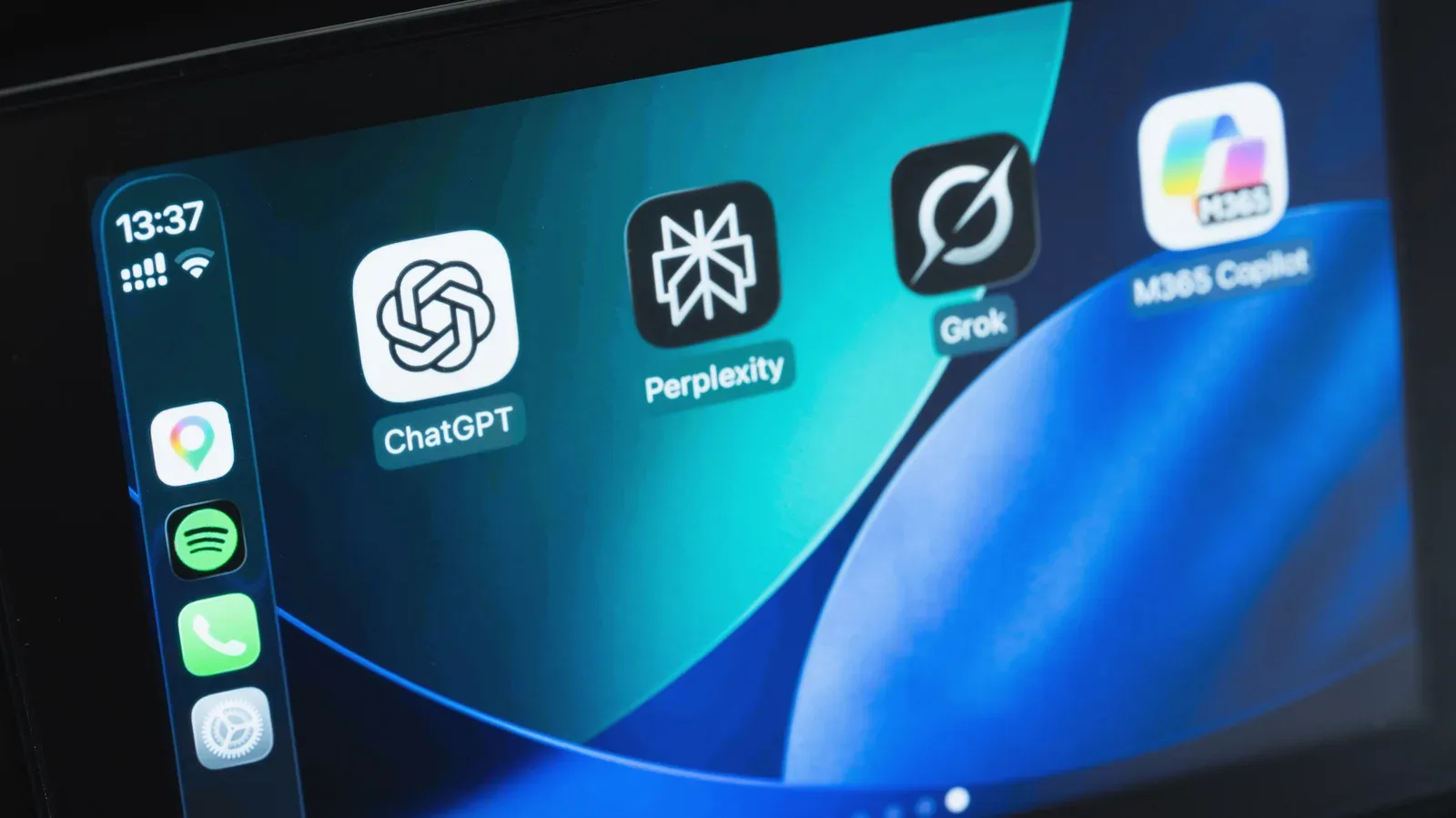
For readers following broader Apple platform changes, the settlement arrives alongside continued attention on how AI tools are introduced and represented to users. That conversation extends beyond phones, as seen in the growing presence of AI assistants in CarPlay. In this case, however, the action item is narrow and time-sensitive: qualifying U.S. purchasers of the listed iPhones have until December 21 to submit a settlement claim.