Apple has issued an unusually substantial pair of iPhone security updates: iOS 27, which addresses more than 100 reported vulnerabilities, and iOS 26.7, an alternative update carrying more than 80 fixes for people who are not ready to move to the newest major version. For gamers, collectors, creators, and anyone whose phone is effectively their portable command center, the straightforward message is that installing the available update is a sensible bit of device maintenance.
The two releases have considerable overlap. Of the fixes included in iOS 26.7, 75 are also present in iOS 27. That means remaining on iOS 26 does not mean skipping the bulk of this security work, even though iOS 27 has the broader total. The newer release is still the most comprehensive option, but iOS 26.7 provides a meaningful security route for users who need more time before taking the next major operating-system step.
Neither update is the sort of patch that changes how a game looks, adds a dramatic new controller feature, or puts a flashy icon on the Home Screen. Security releases tend to be quieter than feature updates. Their importance sits below the surface: closing weaknesses before those weaknesses can become a route into personal data, accounts, saved payment details, private conversations, photos, game logins, or the device itself.
A large patch set, with a practical reason to update
More than 100 fixes in a single iOS release is a big number, but it should not be read as a scorecard for day-to-day danger. A vulnerability can require a particular configuration, a malicious app, a specific action by the target, local access to a device, or a chain of multiple flaws before it becomes useful to an attacker. Severity and exploitability vary widely from one issue to another.
Still, patch volume is a useful reminder that modern phones are extremely complicated systems. They handle web browsing, wireless communication, Bluetooth accessories, payments, cameras, cloud synchronization, messaging, files, app sandboxing, media playback, and connections to countless services. Every layer has code, and code can contain mistakes. Updating is the ordinary, practical way to replace known-problematic code with corrected versions.
There is also an important timing factor. At the time of release, none of the issues addressed by these updates are known to have been actively exploited. That is reassuring, but it is not a reason to delay indefinitely. Once technical details of patched flaws are public, attackers can study the changes and attempt to work out how unpatched devices may be affected. A security update is most valuable when it is installed before that analysis turns into a real-world attack path.
Kernel and Bluetooth fixes deserve attention
Among the fixes are multiple issues involving the kernel, the core layer of the operating system that helps control fundamental access to hardware and system resources. Kernel vulnerabilities matter because a successful attack at that level can potentially break past protections that normally keep apps restricted.
One of the corrected issues could allow a malicious app to obtain root access. In simple terms, root access represents a very high level of control over an operating system. iOS is designed around strong boundaries that limit what each app can reach and do; an escalation to that level could undermine those boundaries. This does not mean any random app automatically has that power, nor does it establish active abuse. It does explain why keeping the operating system current is especially worthwhile.
Another fix concerns the possibility of remote code execution through Bluetooth. Remote code execution is a serious category because it refers to an attacker potentially getting a device to run code. Bluetooth is woven into normal use for many people: wireless headphones, controllers, keyboards, vehicles, speakers, watches, trackers, and smart-home accessories all rely on it in one way or another. The presence of this category of issue does not mean users should abandon Bluetooth gear; it means the underlying software responsible for handling such connections benefits from the correction Apple has supplied.
For people who use an iPhone around gaming hardware, Bluetooth is especially routine. A wireless controller paired for remote play, a headset used for voice chat, and a handheld accessory all add convenience, but also illustrate why invisible operating-system components matter. The app or game may be the thing in front of the player, while the OS handles the communications and permissions underneath it.
iOS 26.7 is a security-minded holding position
The simultaneous release of iOS 26.7 is significant because it gives users a supported option short of adopting iOS 27 immediately. Major OS upgrades can involve interface changes, compatibility questions, storage considerations, workflow adjustments, or simply a preference to wait until a new version has had more time in broad use. A smaller point release cannot necessarily match every change in a major release, but more than 80 fixes is far from a token gesture.
With 75 shared fixes, iOS 26.7 covers many of the same weaknesses corrected in iOS 27. That makes it a reasonable choice for a person who has a legitimate reason to remain on the earlier branch in the near term. It should not be treated as a permanent substitute for all future major-version support, but it reduces the pressure to choose between immediate feature adoption and receiving a substantial set of security patches today.
Before updating, it remains wise to make sure a device backup is current, especially for phones holding irreplaceable photos, authentication apps, creative projects, game captures, or locally stored files. It is also sensible to leave enough time for installation and a restart rather than beginning the process moments before travel, a tournament, a work call, or a long multiplayer session.
- Open Settings, then go to General and Software Update.
- Review which update options are offered for the specific iPhone.
- Use a reliable Wi-Fi connection and ensure the battery is sufficiently charged, or connect to power.
- Back up important information first if a current backup is not already available.
- After the update, keep an eye on important apps and accessories, particularly if they are central to work or play.
The exact update path and availability can vary by device and software eligibility. The central decision is uncomplicated: users offered iOS 27 can choose the broadest batch of fixes, while users who remain on iOS 26 should strongly consider iOS 26.7 rather than leaving known issues unpatched.
AI is showing up in vulnerability recognition
The update notes also reflect a changing security-research landscape. Three of the fixes are credited to Anthropic’s Claude, while OpenAI Codex Security appears in Apple’s additional recognition section. The acknowledgments indicate that AI-assisted tools are becoming part of the process through which software flaws are discovered and reported.
That development has a double edge. Better tools can help defenders and researchers locate obscure bugs in sprawling codebases more efficiently. That is beneficial when the findings are responsibly reported, verified, and patched. At the same time, increasingly capable analysis tools may make it easier for attackers to search for weaknesses too. The durable response is not panic about AI; it is quicker defensive work, responsible disclosure, and users installing fixes when they become available.
For a hobby built around technology, that pattern will feel familiar. More powerful tools reshape both creation and competition. In security, however, the most useful player action is wonderfully unglamorous: take the patch. It may not be as exciting as a hardware refresh or a new game drop, but it helps protect the accounts, digital libraries, communications, and personal data attached to a modern mobile device.
Security maintenance belongs in the same routine as account protection
An iPhone update is only one piece of sensible digital hygiene. Strong unique passwords, two-factor authentication, cautious treatment of unexpected links, and app downloads from trustworthy channels remain important. Security patches do not eliminate every risk, particularly risks created by phishing or reused credentials. Conversely, perfect passwords do not repair an operating-system flaw that has already been corrected in a new release. The best protection is layered.
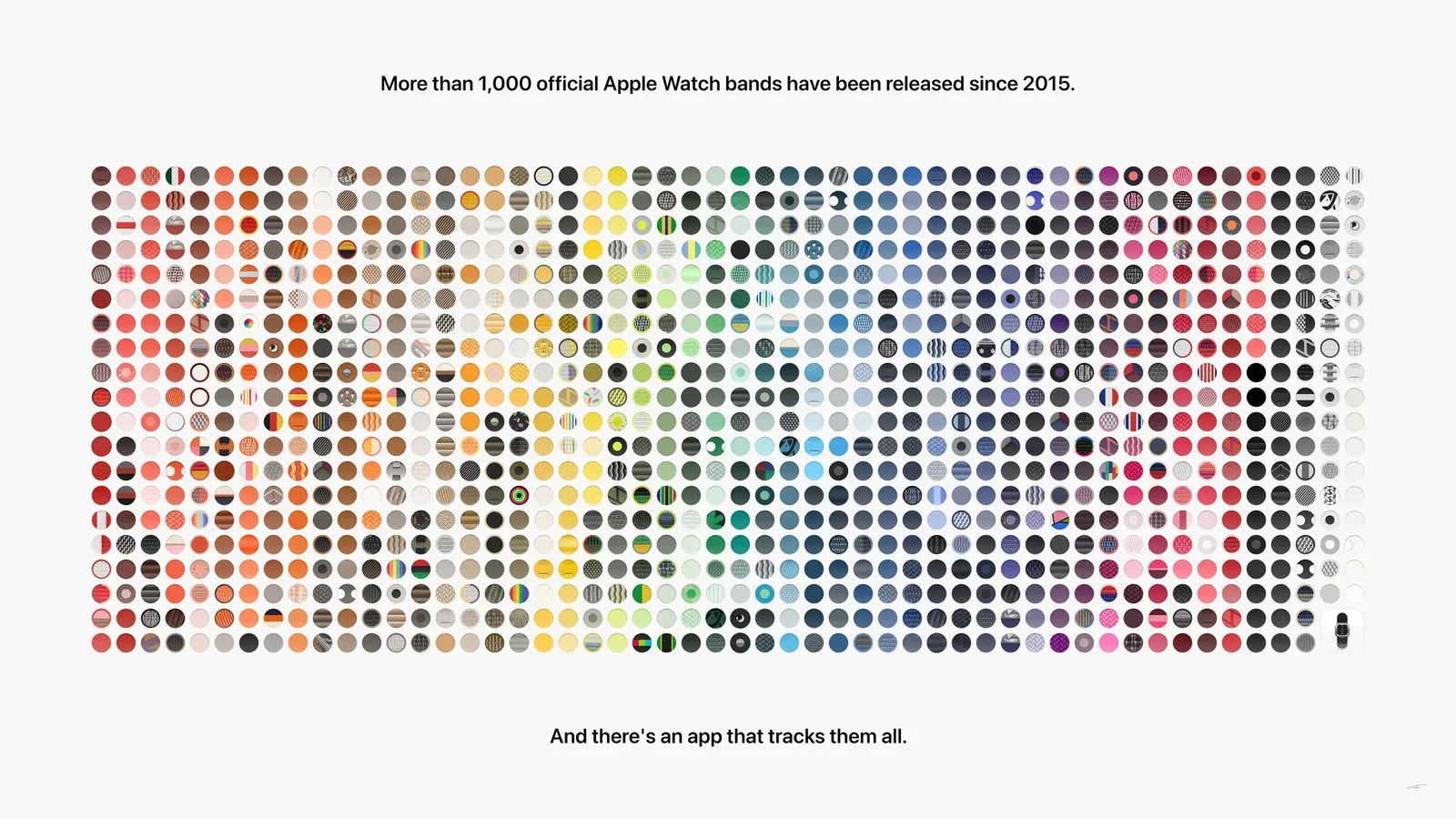
That approach also applies to connected wearables and accessories. Anyone interested in Apple’s longer-running hardware ecosystem may enjoy our look at how official Apple Watch bands have passed 1,000 releases since the Watch debuted in 2015. Whether an accessory is a collectible strap, a controller, or a headset, the phone at the center of that ecosystem still benefits from timely software maintenance.
iOS 27 is the fuller update in this release pair, with more than 100 vulnerabilities addressed. iOS 26.7 is not an afterthought, however: its more than 80 fixes and 75 shared patches offer substantial protection for users staying on the previous major version. No active exploitation is currently known for these flaws, but the publication of fixes makes prompt updating a prudent move rather than a task to endlessly postpone.