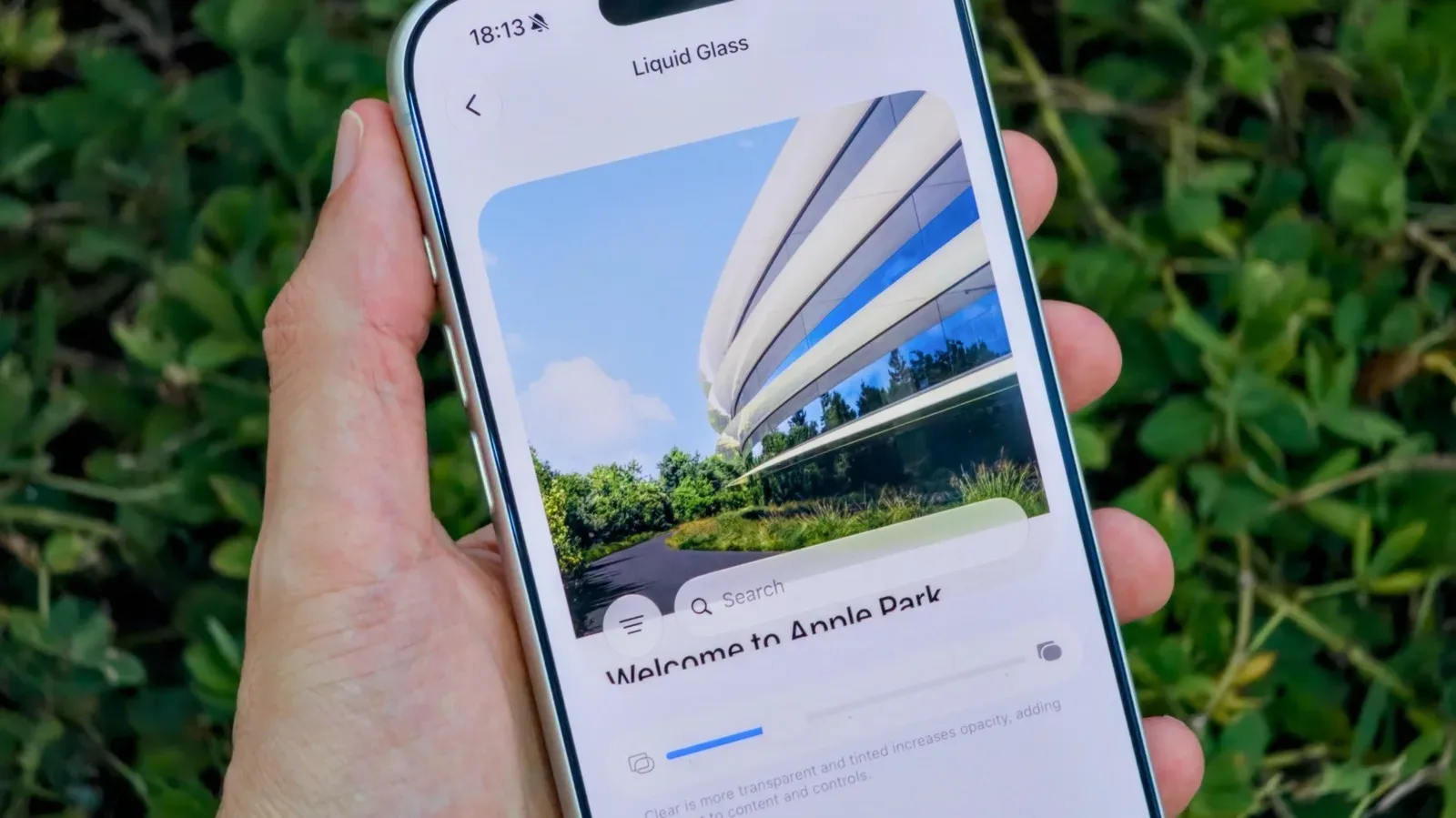
Apple has released iOS 26.7, a security-focused update for iPhones remaining on the iOS 26 branch. Its arrival coincides with the availability of iOS 27, but the two releases are being presented differently in the iPhone Software Update screen: iOS 26.7 appears as the default choice, while iOS 27 is listed separately lower in the interface.
That distinction matters for people who prefer to take the smaller, established-branch update rather than move immediately to a new major version. The published notes for iOS 26.7 identify security fixes and do not list new user-facing features. In plain terms, this is the update for someone whose priority is maintaining the current iOS 26 experience while installing the available fixes.
For the gaming crowd, an iPhone is often less “phone” and more pocket-sized daily driver: the device holding two-factor authentication codes, companion apps, screenshots, chat tools, cloud-storage access, streaming controls, and perhaps an alarming quantity of games acquired during a sale at 1:47 a.m. A security update may not come with a flashy new icon or an exciting patch-note flourish, but it can still be the more practical maintenance choice.
What iOS 26.7 does—and does not—promise
The clear promise attached to iOS 26.7 is security fixes. There are no other features listed for the update. That is useful precisely because it sets expectations: users should not approach this release anticipating a redesigned interface, fresh gaming tools, major application changes, or new capabilities beyond the stated security work.
Security-only releases can look modest on the update page, particularly next to a new numbered version. Yet a quieter update can be an important option. It gives users a route to address known security concerns without making the broader transition to a major system release at the same time.
It is also worth separating what is known from what should not be assumed. iOS 26.7 contains security fixes, but the available information does not describe other functional changes. It does not establish particular improvements to game performance, battery endurance, controller behavior, wireless latency, or individual apps. A security patch may affect the overall software environment, but iOS 26.7 should be judged by its stated purpose rather than credited with an unconfirmed laundry list of upgrades.
Why iOS 27 is not the default choice just yet
When checking for an update, iPhone owners will see iOS 26.7 as the prominent selection and iOS 27 as an option below it. Apple is expected to make iOS 27 the main update eventually, though that shift is not expected for a few weeks.
The current arrangement leaves an intentional choice in front of users. Those ready for the next major version can select iOS 27. Those who would rather remain on iOS 26 for now can select iOS 26.7 and receive the security update instead. There is no indication that choosing iOS 26.7 means a device cannot run iOS 27; the major upgrade remains available as an alternate selection in the update interface.
That kind of staging is particularly understandable for people with a lot of moving pieces tied to their phone. A player might use an iPhone alongside a console, PC, handheld, controller, headset, emulator-adjacent accessory, or a stack of platform-specific apps. Even where everything is likely to work normally, some people sensibly prefer not to change the operating system that supports their whole routine until they are ready.
Others will have the opposite preference. New major versions are meant to be explored, and users who want iOS 27 can choose it now rather than wait for the Software Update screen to elevate it. The important part is that the presentation is not a mystery: iOS 26.7 is the default maintenance path at present, and iOS 27 is the available major-version path.
The compatibility question has a simple answer
There is no split in supported iPhone hardware between these two releases. iOS 27 works on every iPhone that supports iOS 26. That means compatibility alone is not the deciding factor for owners of an iOS 26-capable handset. If the phone can run iOS 26, it can also run iOS 27.
Instead, the decision is about timing and preference. Do you want to install the security fixes while retaining iOS 26? iOS 26.7 is built for that route. Do you want to move to the latest major operating system? iOS 27 is an available option. The choice is more about which software branch you want on your phone than whether your device qualifies for the newer one.
That is a welcome bit of clarity in an era when major operating-system launches can lead to a lot of compatibility anxiety. Here, people do not need to decode a new hardware cutoff before deciding. The same iPhone support list applies to both iOS 26 and iOS 27.
A sensible update choice for players and collectors
There is no single correct answer for every iPhone owner. A useful way to approach the choice is to think about the role the phone plays in the rest of your hobby life.
- Choose iOS 26.7 if you want the available security fixes but would rather keep using iOS 26 for now.
- Choose iOS 27 if you are ready to move to the new major release and want to make that transition now.
- Do not treat iOS 26.7 as a feature update; no additional features are listed alongside its security fixes.
- Do not assume compatibility blocks the major upgrade; every iPhone that supports iOS 26 also supports iOS 27.
For collectors, the phone can be a surprisingly important part of the operation. It may contain inventory photos, marketplace messages, authentication logins, order tracking, notes about card condition, price-watch alerts, and records that are not always duplicated elsewhere. For players, it may be just as essential to account access, social groups, friends lists, account security, and remote tools. Keeping that device updated is therefore less glamorous than acquiring a new game or rare item, but no less part of keeping the hobby functional.
Before installing any operating-system update, it is reasonable to ensure important information is backed up, confirm that you have time for the process, and avoid starting it when you immediately need the phone for an event, trip, sale, tournament check-in, or account recovery. Those are general housekeeping steps, not evidence of a specific issue with iOS 26.7 or iOS 27. They simply reduce the chance that ordinary update timing becomes an inconvenience.
A small release with a clear role
iOS 26.7 is not trying to steal the spotlight from iOS 27. It gives iPhone owners a straightforward security-maintenance option on the existing iOS 26 branch, and it does so while the major upgrade remains selectable. That is the whole proposition: security fixes, no listed feature additions, and a deliberate way to stay on iOS 26 temporarily.
As Apple’s update presentation evolves over the coming weeks, iOS 27 is expected to take over as the main recommended update. Until then, users have a visible fork in the road rather than a forced guessing game. Anyone who wants the security update without taking the major-version step can choose iOS 26.7; anyone keen to proceed can select iOS 27 on the same supported iPhones.
For broader coverage of the security-patch picture across these releases, see our look at iOS 27 and iOS 26.7 security patches. For now, iOS 26.7 is the understated option: no feature parade, no compatibility cliff, just a current security update for users who are keeping their iPhones on iOS 26 a little longer.