There are plenty of ways to build anticipation for a new game: unveil a monster, tease a combat system, show off an impossibly stylish coat, perhaps let a demon explode into a shower of supernatural tailoring. Inviting Elon Musk to a private event during Tokyo Game Show is, admittedly, a more complicated strategy.
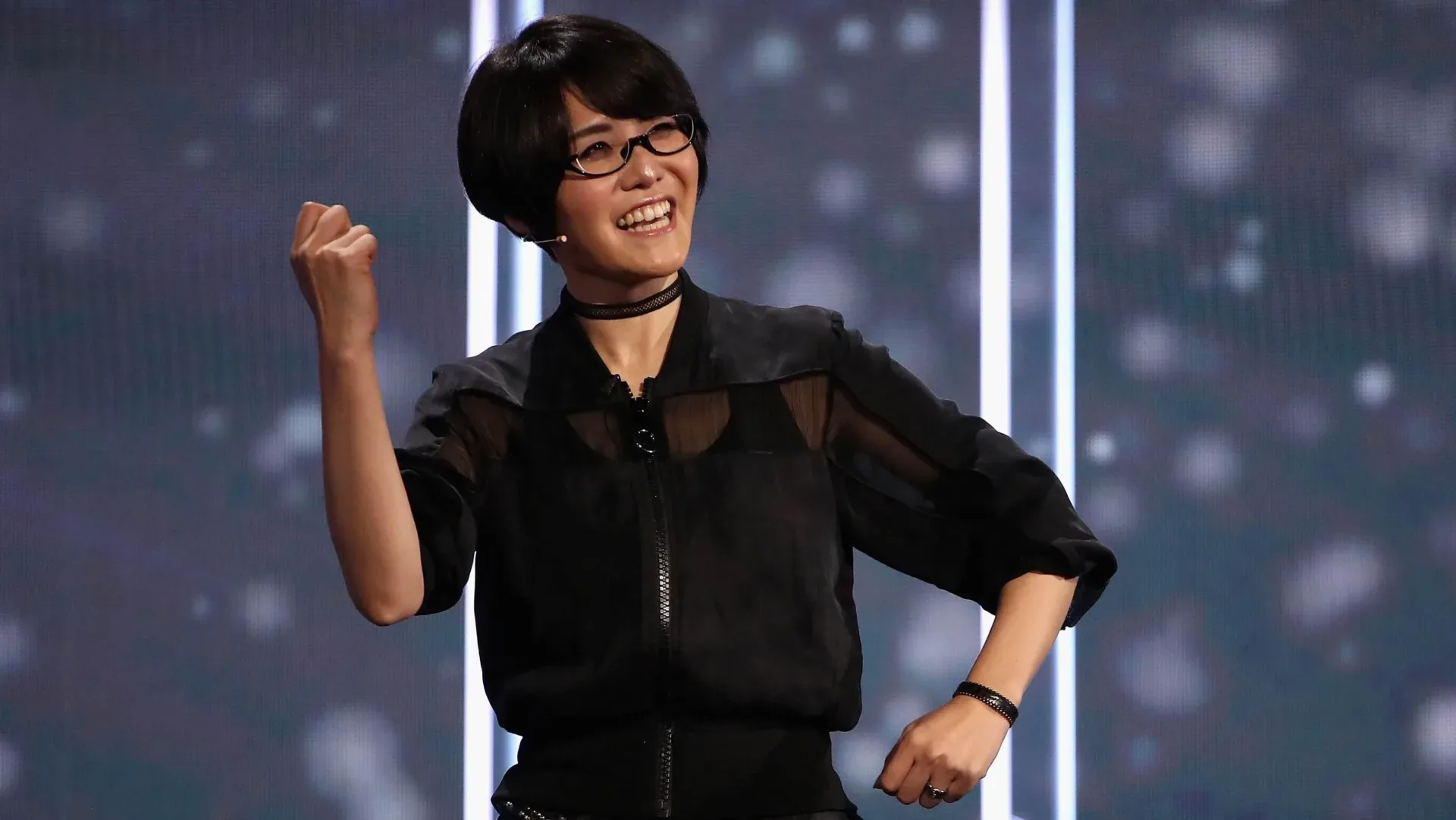
Ikumi Nakamura, the studio head at Unseen, publicly invited Musk to a small experimental closed event for Kemuri at the developer’s Tokyo studio during TGS. In her message on X, Nakamura said she was nervous to ask in public but hoped he might attend if he was in the area. She also requested a direct-message conversation about Unseen, the independent studio behind the upcoming game.
The post came with a charming four-panel comic recalling a moment from The Game Awards in 2019, when Nakamura and Musk were seated near one another. The illustration’s bright, playful energy was very much in keeping with Nakamura’s public persona. The reaction, however, was not a shared round of delighted emotes.
Instead, many players and admirers of Nakamura’s work responded with disappointment and concern. Their central objection was not that a developer had invited a high-profile technology executive to see a game. It was the specific choice of Musk, whose conduct and public statements have long made him a divisive figure. For fans who had been looking forward to Kemuri, the invitation introduced an unwanted argument into a conversation that had mostly been about a wildly imaginative new action game.
A private invitation becomes a very public conversation
The mechanics of this particular internet moment are familiar. A creator makes an overture in public, the public sees it, and suddenly a message aimed at one person becomes a referendum for thousands. It does not matter much that the proposed gathering is small, experimental, and closed. The invitation itself is visible, and visibility is the whole volatile fuel source of a social platform.
Nakamura later explained that she was interested in learning whether Musk was genuinely the same kind of “otaku” as the team. That framing appears to have been an attempt to find common ground through a shared enthusiasm for games and Japanese pop culture. But many commenters felt that an interest in the medium would not address their broader concerns about him—or make the association feel less uncomfortable.
That gap is why the response has been so intense. Fans are often willing to separate the existence of a game from the people who happen to discuss it online. They are much less relaxed when a studio leader appears to actively seek a connection with a controversial figure, particularly while promoting a debut title from an independent developer.
It is also worth keeping the timeline straight. The encounter shown in Nakamura’s comic dates to 2019, before Musk acquired Twitter in 2022, when the platform was renamed X. A photo-op from an awards ceremony and a 2026 invitation are not the same thing, even if the earlier encounter explains why Nakamura had a visual memory to turn into a comic.
Related coverage includes Ikumi Nakamura Invites Elon Musk to Private Kemuri Event, Prompting Fan Backlash.
Kemuri remains the actual reason people were paying attention
Lost beneath the discourse is the fact that Kemuri has an unusually strong premise. Unseen’s first game is a demon-hunting action title in which players take the powers of demons they defeat and absorb them into their own arsenal. Those abilities are expressed through outfits, because apparently saving the world from supernatural threats is better when the loot table includes a new look.
The game first appeared at The Game Awards in 2023. It later received a more substantial showcase during this year’s summer State of Play presentation, giving audiences a clearer view of its creature-filled urban fantasy world and its fashion-forward approach to player powers. The concept naturally plays to the visual imagination associated with Nakamura’s work: monsters are not simply obstacles; they are part of a strange, expressive world that can shape how the player fights and looks.
There is no announced outcome to the invitation in the material available here. Musk’s attendance at the event has not been established, nor is there evidence of a meeting or any business relationship between him and Unseen. The known fact is the public invitation and the subsequent response it received. Everything beyond that is internet weather forecasting, a discipline that has never once been ruined by people making enormous assumptions from one post.
For those following the game rather than the flare-up, the more useful takeaway is straightforward: Unseen is continuing to promote Kemuri around Tokyo Game Show, and the studio’s debut project remains a demon-hunting action game built around power absorption and costume-driven expression. That is the part with the demons. It is, in all likelihood, the more fun part.
Why the reaction matters for an independent studio
Nakamura left Tango Gameworks in 2019 and founded Unseen in 2021. That makes Kemuri more than a routine release on a crowded schedule. It is the first game from a young independent studio led by a developer who has built considerable goodwill among players and peers. Supporters have followed the project because they want to see that studio get the room, attention, and audience it needs to establish itself.
In that context, the pushback is not necessarily evidence that players have stopped caring about Kemuri. In many cases, the opposite is true. The strength of the response reflects how much people want the game to avoid being defined by a celebrity detour. Fans who have waited for gameplay details, creature designs, and a closer read on Unseen’s ambitions may feel that a highly charged invitation threatens to become the headline instead.
It is a reminder that independent-game promotion is not only about reach. Attention is valuable, but it also has a tone, a source, and a cost. A public figure can introduce a project to people who might never otherwise encounter it. They can also dominate every discussion around it, leaving the actual developers and their work squeezed into the margins. No marketing dashboard has ever fully captured the quantity known as “why are we discussing this instead of the cool demon jackets?”
The subject also highlights how complicated the word gamer can be when it is used as social shorthand. Being interested in games, enjoying anime, collecting hardware, or knowing the right genre vocabulary does not automatically establish a meaningful cultural bond with the people making games or playing them. Fandom is not a diplomatic passport. Shared interests can start a conversation, but they do not erase differences in values, public behavior, or the communities a person’s presence may alienate.
The value of keeping the spotlight on the game
Nakamura’s appeal has often come from the directness and enthusiasm she brings to discussing creative work. Fans who reacted negatively to this invitation are responding partly because that warmth has made them invested in what comes next for her and Unseen. The comic and the otaku explanation may have been sincere, but sincerity does not guarantee that an outreach effort will land as intended.
For now, Kemuri deserves to be assessed on what is actually known: it is Unseen’s first game, it has been shown at The Game Awards and State of Play, and it centers on hunting demons, gaining their powers, and wearing those powers as striking outfits. The project’s public materials point toward an action game with a distinctive aesthetic identity. That is a far stronger discussion starter than an invitation that has already generated more heat than useful information.
There is a broader tradition of fascinating, eccentric Japanese game design to celebrate without turning every conversation into a platform-side argument. For a separate dive into a very different corner of that history, see Tiny Discs, Big Breakthroughs: The History of GameCube Modchips and Homebrew.
Tokyo Game Show is built for memorable reveals, unexpected meetings, and a little glorious chaos. Still, when a new studio is trying to introduce its first major project, the best kind of chaos is usually a hulking demon wearing a hat that should not work but absolutely does. Let Kemuri be weird on its own terms.