Level-5 president Akihiro Hino has acknowledged that generative AI was used in a recent studio presentation connected to Professor Layton and the New World of Steam and Yo-kai Watch 2: Haunted Domain, following widespread criticism from viewers. Hino apologized to fans who felt uneasy about the material, while drawing a line between AI-assisted presentation work and the assets ultimately intended for the games themselves.
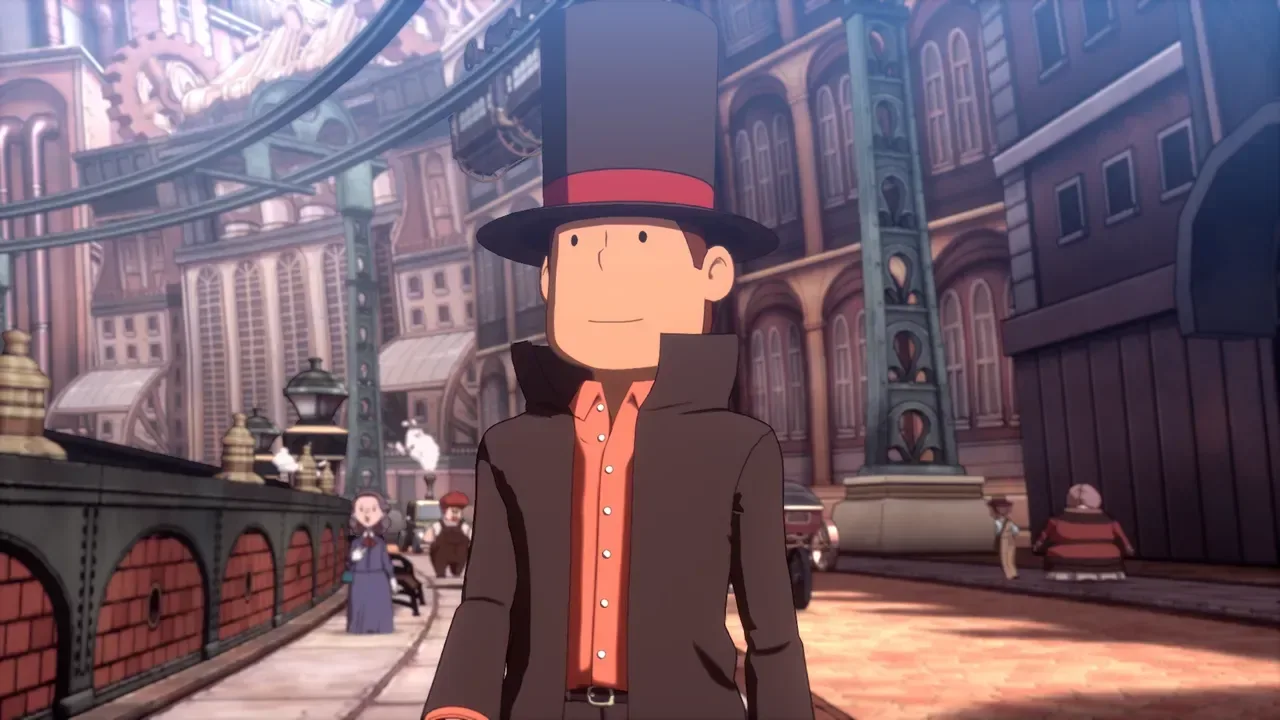
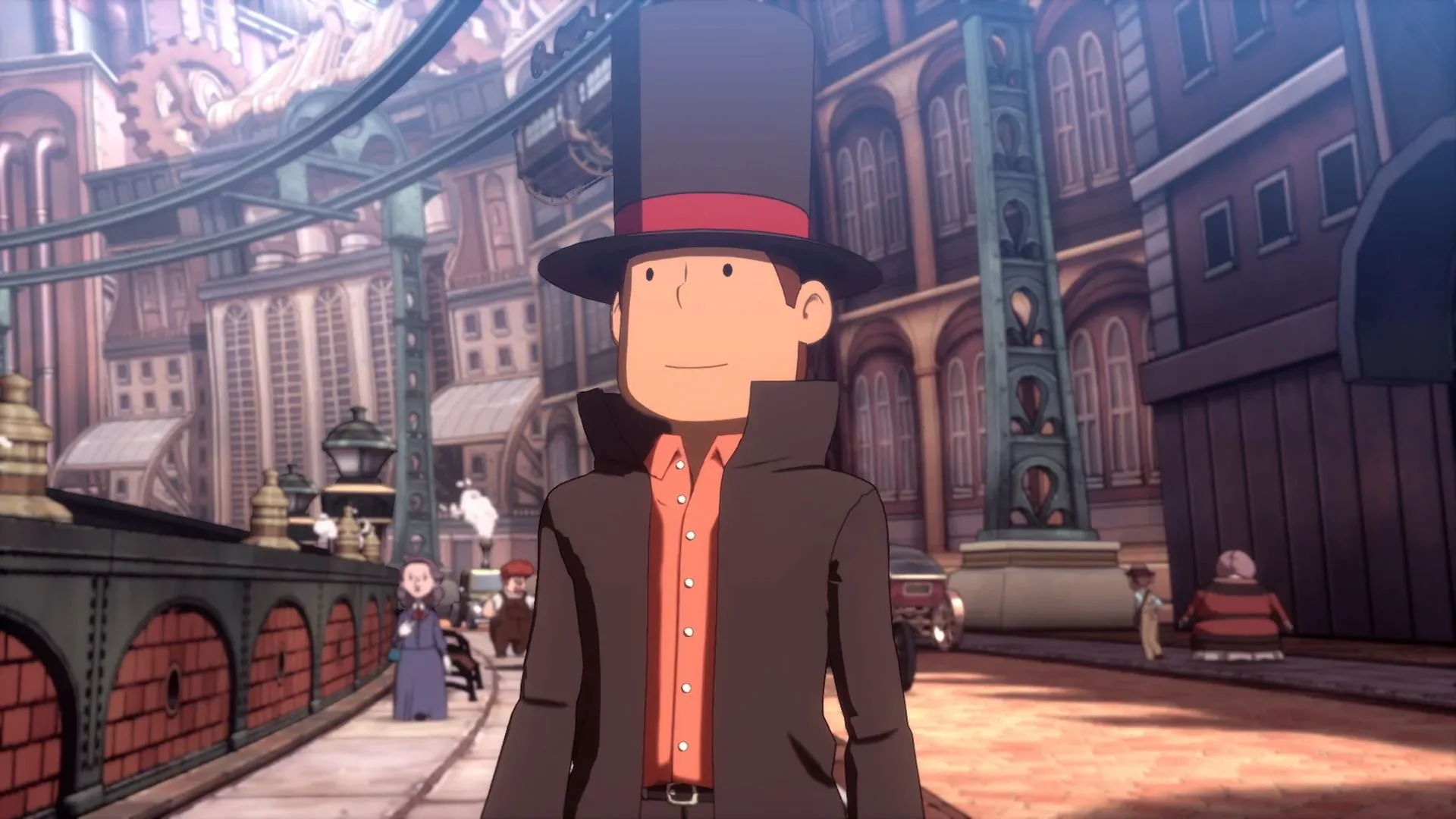
The issue emerged after Level-5 followed Nintendo Direct trailers for both projects with its own showcase. Online viewers began pointing to visual oddities in the stream, especially inconsistent-looking background details, as possible signs of generative AI. Hino subsequently confirmed that the suspicion was correct.
For a company with series so closely associated with distinctive character art, animation, puzzle-box charm, and carefully constructed worlds, that confirmation understandably became a much larger discussion than a question of whether a presentation looked unusually glossy. Fans wanted to know where the tool had been used, why the studio considered it necessary, and whether its involvement might extend into the finished games.
Hino says the showcase aimed to be more visually striking
In his public statement, Hino explained that Level-5 turned to generative AI in pursuit of a more attention-grabbing and spectacular presentation. He also directly addressed the discomfort that choice caused. His apology matters because the criticism was not confined to one region or one social-media pocket; reactions came from audiences in Japan and abroad.
“I deeply apologize.”
That concise apology was paired with an assurance that the major creative components of Level-5’s work are made by people. Hino specifically pointed to elements including character designs and settings. In other words, the company’s message is that the ideas, artistic direction, and core authored identity of these games remain human-led—even if AI was brought into parts of the production pipeline and the showcase itself.
That distinction is likely to be examined closely by fans. “Human-made” is not a single, universally agreed production label when digital work can pass through many tools, departments, revisions, and technical conversion processes. Still, Hino offered a more precise description of what Level-5 says it is trying: using AI for efficiency, including the conversion of pre-existing original artwork into polygons.
The company’s stated boundary: no AI-generated data in released games
The most consequential claim in Hino’s comments is that Level-5 does not include AI-generated data in its released games. He described the technology as a way to make aspects of development quicker, rather than as a substitute for the studio’s artists, designers, or original creative work.
Related coverage includes Level-5 CEO Apologizes for Generative AI Use in Professor Layton and Yo-kai Watch Showcase.
That is a meaningful assurance, but it does not automatically settle every concern behind the reaction. People may interpret “AI-generated data” differently from AI-assisted conversion, workflow support, or presentation imagery. Some players principally care whether final in-game visuals, writing, voices, or assets are machine-generated. Others are concerned with any use of generative AI during production, including its environmental costs, its relationship to creative labor, and the datasets behind the systems themselves.
Those are separate questions, and Level-5’s statement addresses some of them more directly than others. It explains the studio’s intended use case and denies generative material is making it into shipped games. It does not turn the controversy into a debate with one universally satisfying answer, particularly for fans who would prefer the technology not to be part of the process at all.
Why a presentation can still affect confidence in a game
Trailers and showcases are not merely decorative extras. They establish expectations. For games such as Professor Layton and the New World of Steam and Yo-kai Watch 2: Haunted Domain, viewers are being asked to invest in future projects whose full details are still developing. The way a publisher presents that work can influence confidence in the care being given to the work itself.
That is why the backlash did not stop at whether viewers could identify a strange visual in a background. Level-5’s audience has an understandable attachment to the handcrafted feel of its best-known properties. Professor Layton’s appeal has long been bound to ornate visual storytelling, mysteries, and personality. Yo-kai Watch, meanwhile, depends heavily on memorable designs and a lively sense of place. A presentation that appears to lean on generative AI can feel discordant with those expectations, whether or not the final games use such output.
It also illustrates a communication problem that more studios are likely to face. If a team uses automated or generative tools in a limited technical capacity but presents the result without clear context, viewers may fill in the gaps themselves. Once that happens, a studio is no longer only discussing a workflow. It is also rebuilding trust.
Level-5 describes a trial-and-error phase
Hino characterized Level-5 as still experimenting with ways to accelerate development without reducing quality. That framing is candid: the studio is not presenting the current approach as a finished model with every answer already in place. It is testing processes, finding limits, and learning from the response.
But trial and error does not remove the need for accountability. The reaction to the showcase is itself part of the information Level-5 now has to weigh. Hino indicated that the response will be taken into account for future presentations. That does not amount to a detailed policy or a pledge that generative AI will never be used again. It does mean that the company recognizes its attempt to make the showcase more spectacular had a result it did not anticipate—or at least did not anticipate at this scale.
For viewers, the next Level-5 presentation will likely be watched with unusual scrutiny. Clearer disclosures could prevent a repeat of this particular confusion. If artwork has been created by the studio’s teams, communicating that directly can reinforce what fans value. If technical systems are employed for conversion or efficiency, explaining the boundaries before viewers begin forensic background analysis may be the wiser route.
The wider industry has already been wrestling with the same tension: development schedules and production costs create pressure to work faster, while players and creators want confidence that tools do not erase authorship, replace people, or blur the origin of what they are seeing. A recent discussion around an AI game-making prototype showed how quickly the conversation shifts from technical possibility to questions of creative responsibility; that broader debate has only become more visible.
What this means for Professor Layton and Yo-kai Watch
There is no indication in Hino’s statement that the release plans for Professor Layton and the New World of Steam or Yo-kai Watch 2: Haunted Domain have changed. Nor is there evidence that the games’ released content will include AI-generated data; Hino explicitly said it will not. The immediate story is about the presentation, Level-5’s production experimentation, and the company’s response to an audience that objected.
That should keep the focus appropriately narrow. It would be premature to treat a controversial showcase as proof that either game will abandon the qualities fans associate with these series. At the same time, it would be equally unwise to dismiss the response as a minor cosmetic dispute. The showpiece material was intended to build excitement, and it instead prompted questions about process and values.
Level-5 now has a chance to respond through clarity as much as through apology. Future footage that foregrounds the work of its artists, designers, animators, and developers could do more than another broad assurance. It could demonstrate the human craftsmanship Hino says remains central to the studio’s games.
For now, the takeaway is straightforward: Level-5 has confirmed generative AI use in the showcase, apologized for the discomfort it caused, said its characters, settings, and broader creative work are made by human hands, and maintained that AI-generated data is not used in released games. Whether that explanation reassures every fan is another matter. The next presentation may be where Level-5 discovers how much trust it can earn back.