Takaya Imamura, the artist and designer associated with some of Nintendo’s most recognizable worlds and characters, has become part of gaming’s continuing argument over generative AI. In a social-media post translated from Japanese, Imamura said he has been experimenting with AI while building a test game prototype. His description was not of a shipped project, a commercial commitment, or an announced game. It was framed as an experiment: a way to explore whether a creator who does not program can more readily turn an idea into something playable.
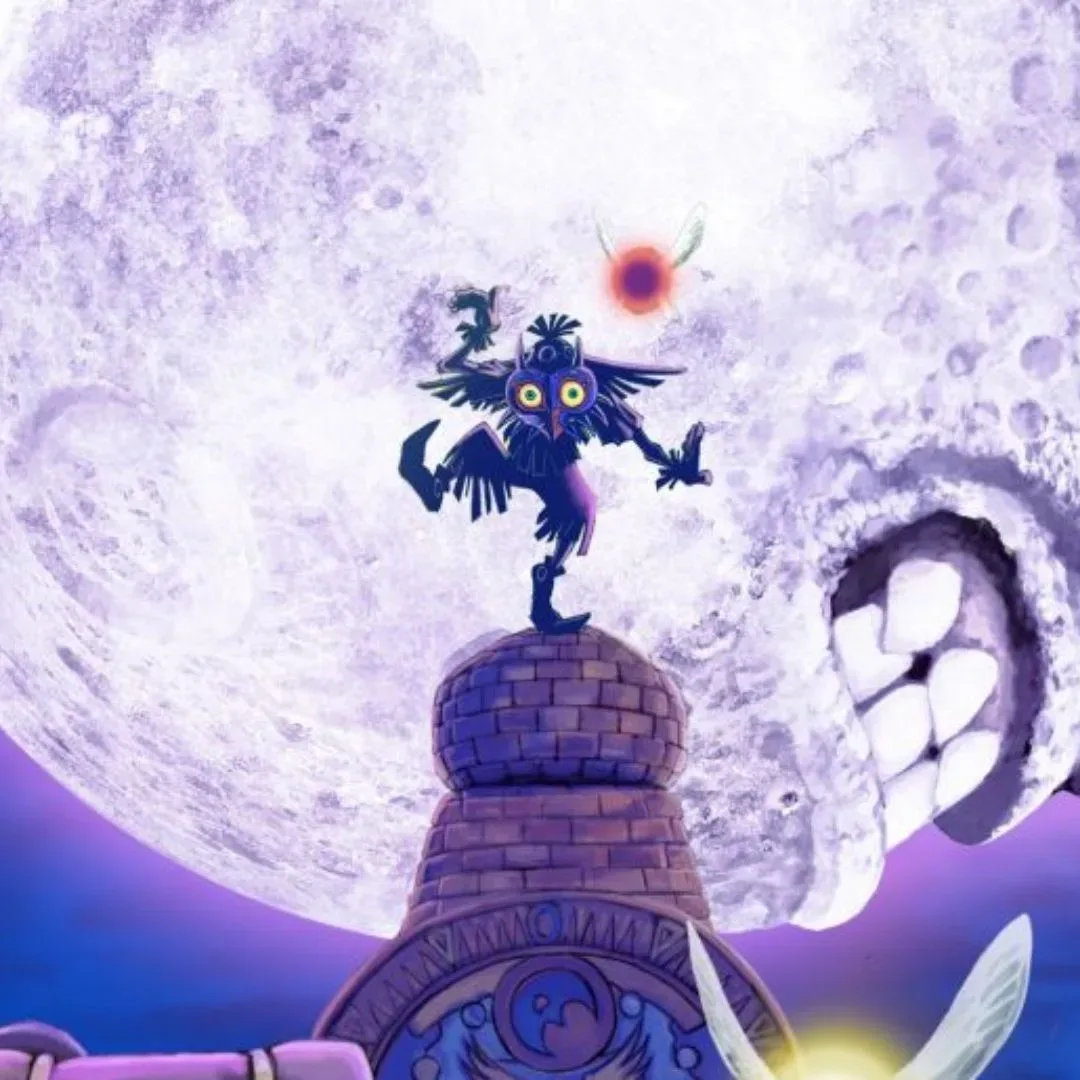
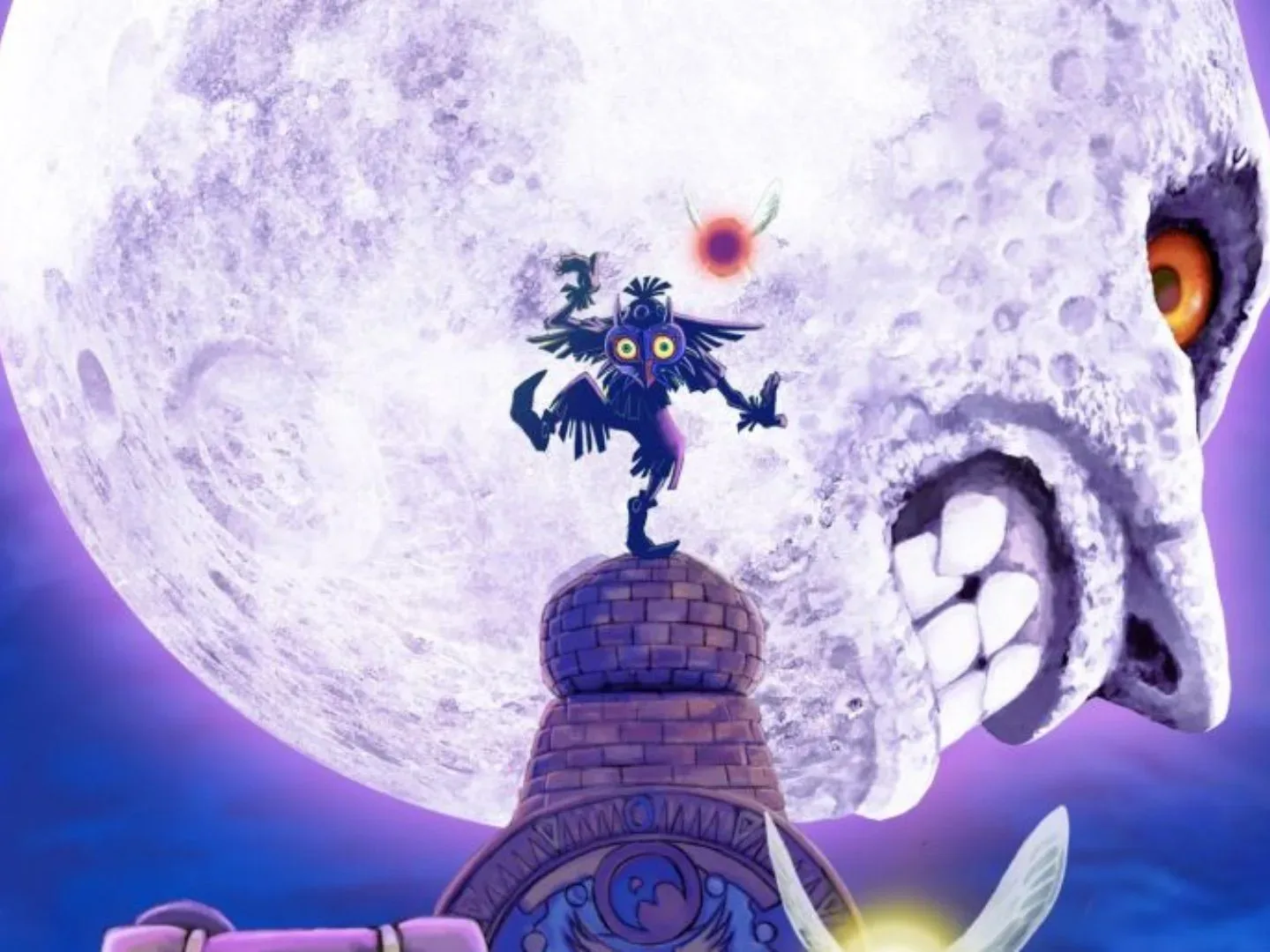
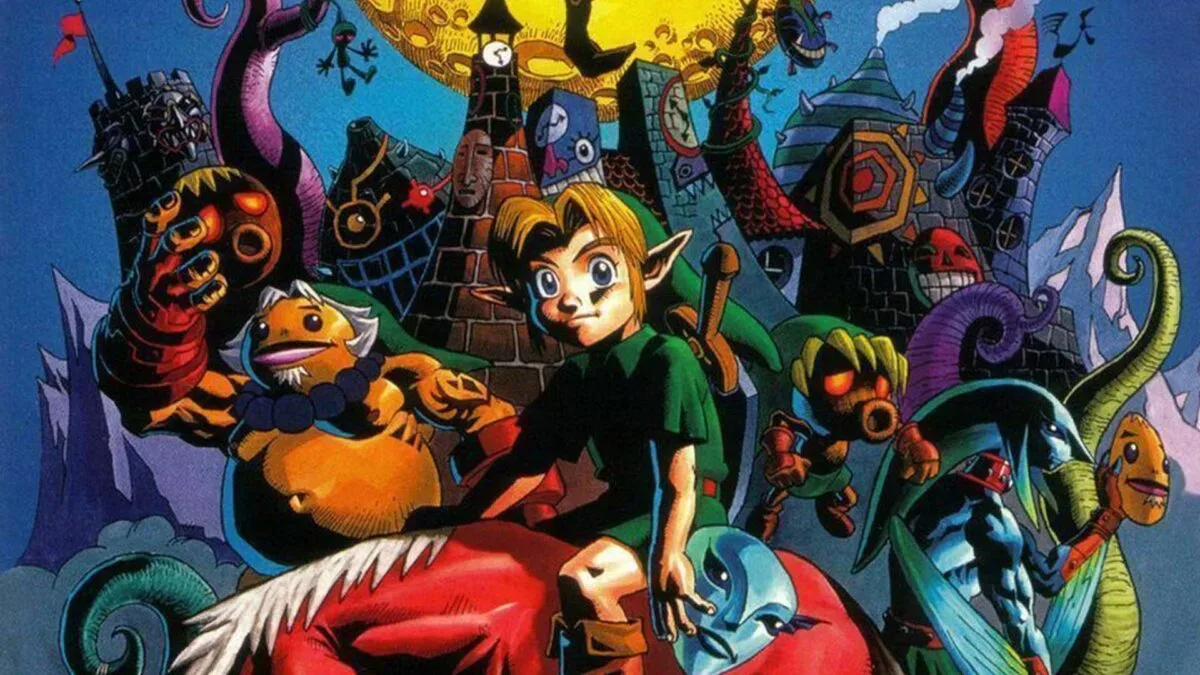
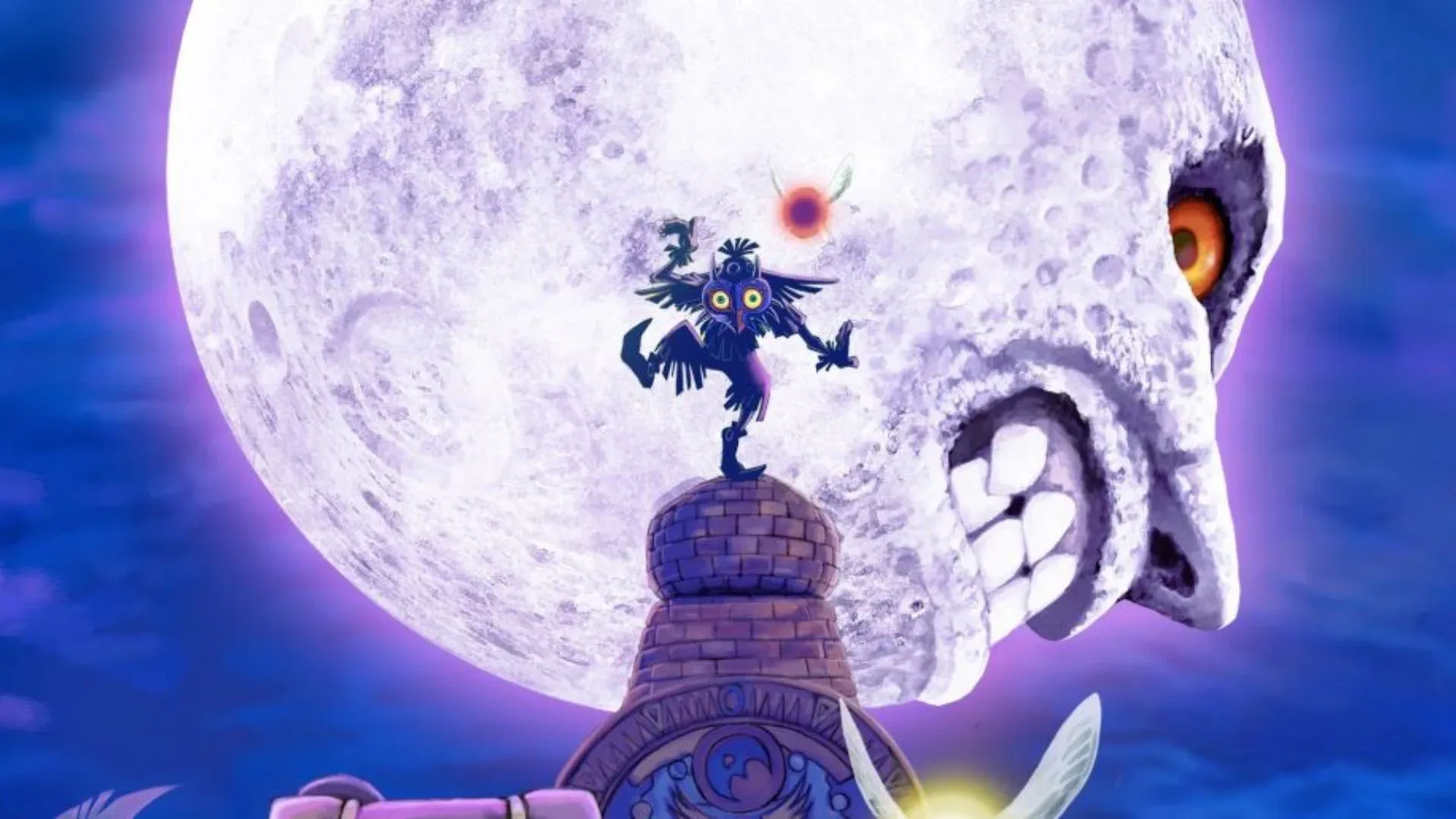
That distinction matters, but it has not prevented a sharp response from Nintendo fans and artists. Imamura’s name carries particular weight because his career includes art direction on The Legend of Zelda: Majora’s Mask and character design work connected to Fox McCloud, Captain Falcon, and Tingle. For many people, those creations embody a highly personal, authored kind of game art. The idea of a celebrated visual designer turning to generative systems therefore landed as more than a routine technical experiment.
The immediate dispute is also bigger than one prototype. It is about where AI belongs in game production, who benefits when it is used, what material trained the models behind it, and whether convenience for an individual creator can coexist with the concerns of artists whose work may be displaced, imitated, or absorbed into systems without meaningful consent.
An experiment aimed at a practical barrier
Imamura compared brainstorming with AI to the earlier collaborative process of developing ideas alongside programmers. He said he is not a programmer himself and expressed genuine amazement at the prospect of AI helping close that particular skills gap. In the most charitable reading, he is describing a familiar independent-development problem: having concepts, design instincts, and visual direction, but lacking the engineering knowledge to produce a functional game alone.
Tools that lower technical barriers are not new. Game engines, visual scripting systems, templates, middleware, tutorials, asset pipelines, and no-code software have all helped people build projects they could not have made by writing every system from scratch. A designer being able to prototype without first becoming an expert programmer is, on its face, not a strange ambition.
Generative AI is controversial because it is not merely another menu of prebuilt tools. Critics have raised objections about training data, attribution, consent, labor, environmental costs, and the possibility that companies will use automation to reduce creative jobs or weaken the role of human contributors. In the response that sparked discussion, one commenter characterized generative models as damaging to artists and argued that their development rests on theft. That is a central ethical critique voiced by many opponents, rather than an uncontested description of every system or every AI-assisted workflow.
Imamura replied that he understood the concern but felt AI was too significant to ignore in his profession, so he was testing it. It is a measured answer in one sense: he did not present the prototype as proof that every concern has been solved. Yet it is also exactly the kind of answer that leaves critics unsatisfied. For artists, “experimenting” is not neutral when the technology being explored may be built and deployed in ways they believe undermine their work.
Why the reaction is stronger around an established artist
There is an irony at the center of the reaction. Imamura is known for work that demonstrates why artists matter. The unforgettable unease of Majora’s Mask, the cartoon-animal bravado of the Star Fox cast, the comic oddness of Tingle, and the bold profile of Captain Falcon are not just outputs that fill a production checklist. They are creative decisions with a point of view.
Related coverage includes Takaya Imamura's AI Game Prototype Sparks Debate Among Nintendo Fans.
That is why some fans see this episode less as a debate about speeding up code and more as a collision between artistic authorship and a technology commonly sold on its ability to approximate creative output. Even if Imamura’s stated purpose is to compensate for programming limitations rather than generate finished art, the wider argument follows the tool. People are understandably wary of normalizing systems that could be used elsewhere in a pipeline to replace illustrators, concept artists, writers, performers, or technical staff.
It also explains why public figures cannot expect a simple “I am only testing it” to end the matter. A veteran creator’s interest can be read as an endorsement, however narrow their actual intent may be. Fans who care deeply about hand-made character design are likely to ask where the boundaries are: Is AI helping with logic? Producing code? Suggesting mechanics? Creating placeholder visuals? Making final assets? The available comments establish only that Imamura is exploring AI to help turn ideas into a working game; they do not specify the model, the precise tasks involved, or whether generative imagery is part of the prototype.
Those unknowns should remain unknown until clarified. Filling in the gaps with assumptions would not make the discussion more useful.
Players have shown a low tolerance for visible AI use
The broader market context helps explain the intensity. Players have repeatedly reacted negatively when generative AI appears in games, especially when its use is visible in artwork or promotional material. Over the summer, Crazy Taxi: World Tour and Tomb Raider: Legacy of Atlantis were among the games connected to backlash around generative AI. Elsewhere, AI-related assets identified by players in Clair Obscur: Expedition 33 and Crimson Desert were removed through patches soon after the issue drew attention.
The common thread is that audiences are not treating AI disclosure as a tiny behind-the-scenes footnote. For some buyers, it directly affects whether a game feels worth supporting. It can be a trust issue as much as an aesthetic one. If promotional art, in-game posters, text, voice, or other material feels automated or insufficiently disclosed, players may wonder which creators were involved, what was replaced, and whether a publisher expected them not to notice.
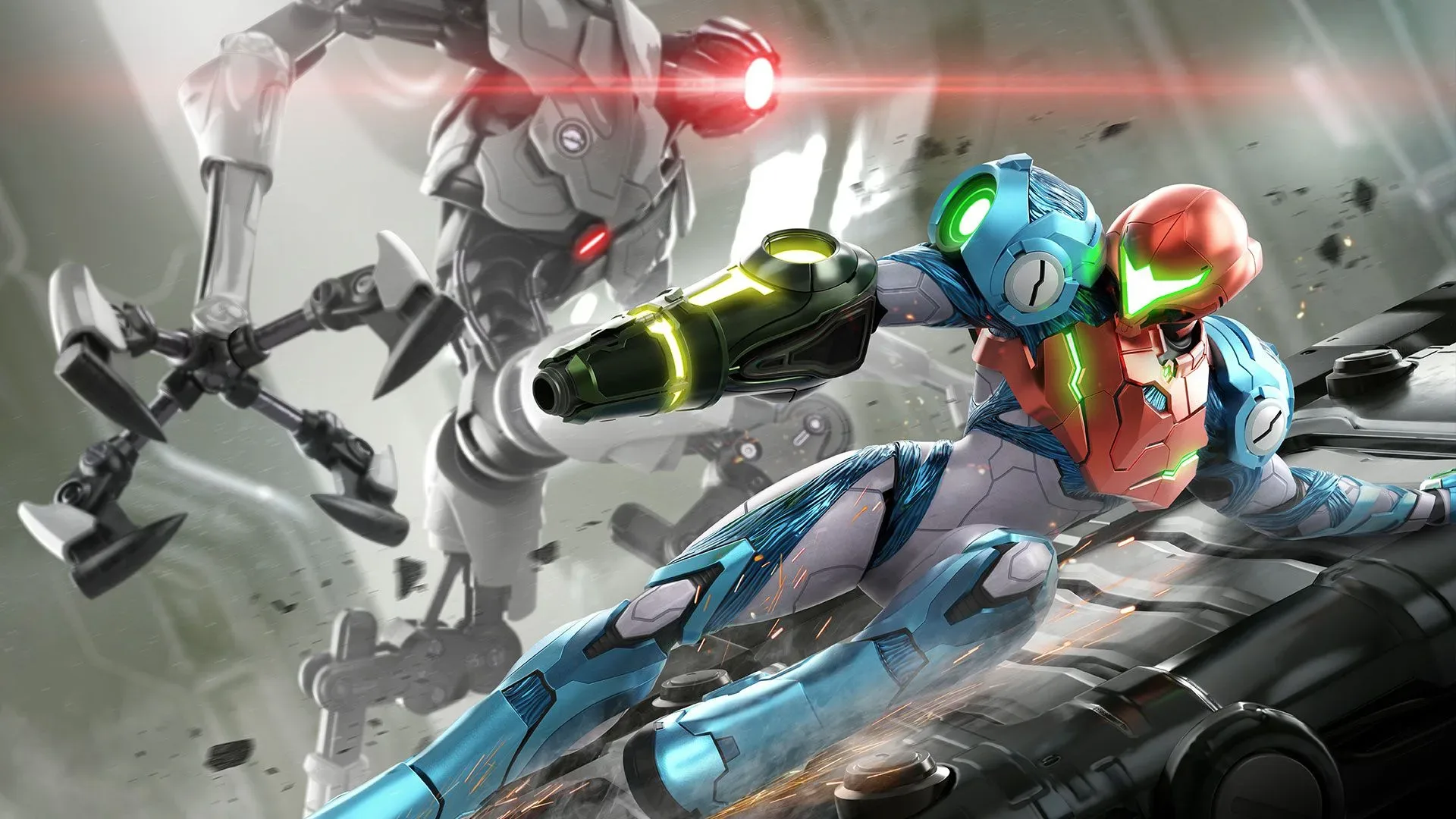
That skepticism is particularly relevant to Nintendo-adjacent nostalgia. Legacy franchises command intense affection because their designs are inseparable from the people who made them. Fans who seek out old Nintendo hardware and software, or follow current Nintendo releases such as the renewed attention around Metroid Dread, often value the distinctive human craft that gives these games their identity. AI-assisted production can feel, fairly or not, like a threat to that lineage.
Even developers who see the trend remain cautious
The technology’s spread has not created an industry-wide consensus. Some developers and companies are exploring AI tools, while others have publicly made clear that they do not want generative AI in their work. Earlier this year, Pocketpair lead John Buckley summarized one commercial concern bluntly: gamers do not want it.
Mewgenics co-developer Tyler Glaiel made a related point while discussing limited uses such as poster art in Clair Obscur: Expedition 33. His criticism focused on the fact that small environmental details can be places where a team should be especially imaginative, not zones to hand over to automation. That perspective challenges the argument that AI’s use is harmless whenever it is confined to something minor. Seemingly incidental art can still build tone, reveal character, or make a game world feel cared for.
For development teams, then, the question is not only whether a task can be accelerated. It is whether the result respects the audience, the workers, and the artistic priorities that distinguish one game from another. A temporary placeholder might be replaced before release; a tool might be used for code assistance rather than art; a prototype might never become a product. But each case needs clarity, because “AI” covers substantially different practices that should not all be treated as identical.
Prototype curiosity does not settle the ethical question
Imamura’s comments highlight a real creative tension. A non-programmer may reasonably want a route from sketchbook ideas to interactive software without assembling a large team. That desire is not evidence of bad faith. At the same time, the artists objecting to generative AI are raising concerns that cannot be brushed aside simply because a result is useful or technically impressive.
The most constructive version of this conversation asks for specifics. What system is being used? What does it contribute? What data practices sit behind it? Are outputs temporary, final, or commercial? Are human collaborators being replaced, or is the tool being used to test a concept that otherwise could not be tested? Without answers, the public can recognize Imamura’s limited stated goal while still objecting to the direction of travel.
For now, the concrete fact is narrow: Imamura is testing AI in a game prototype and says its ability to compensate for his lack of programming knowledge has impressed him. The reaction is broad because the stakes are broad. Gaming has always depended on technical innovation, but it also depends on artists making strange, specific, memorable choices that no production shortcut can guarantee. Fans are asking whether the industry’s next tools will protect that human contribution—or slowly make it easier for businesses to treat it as optional.