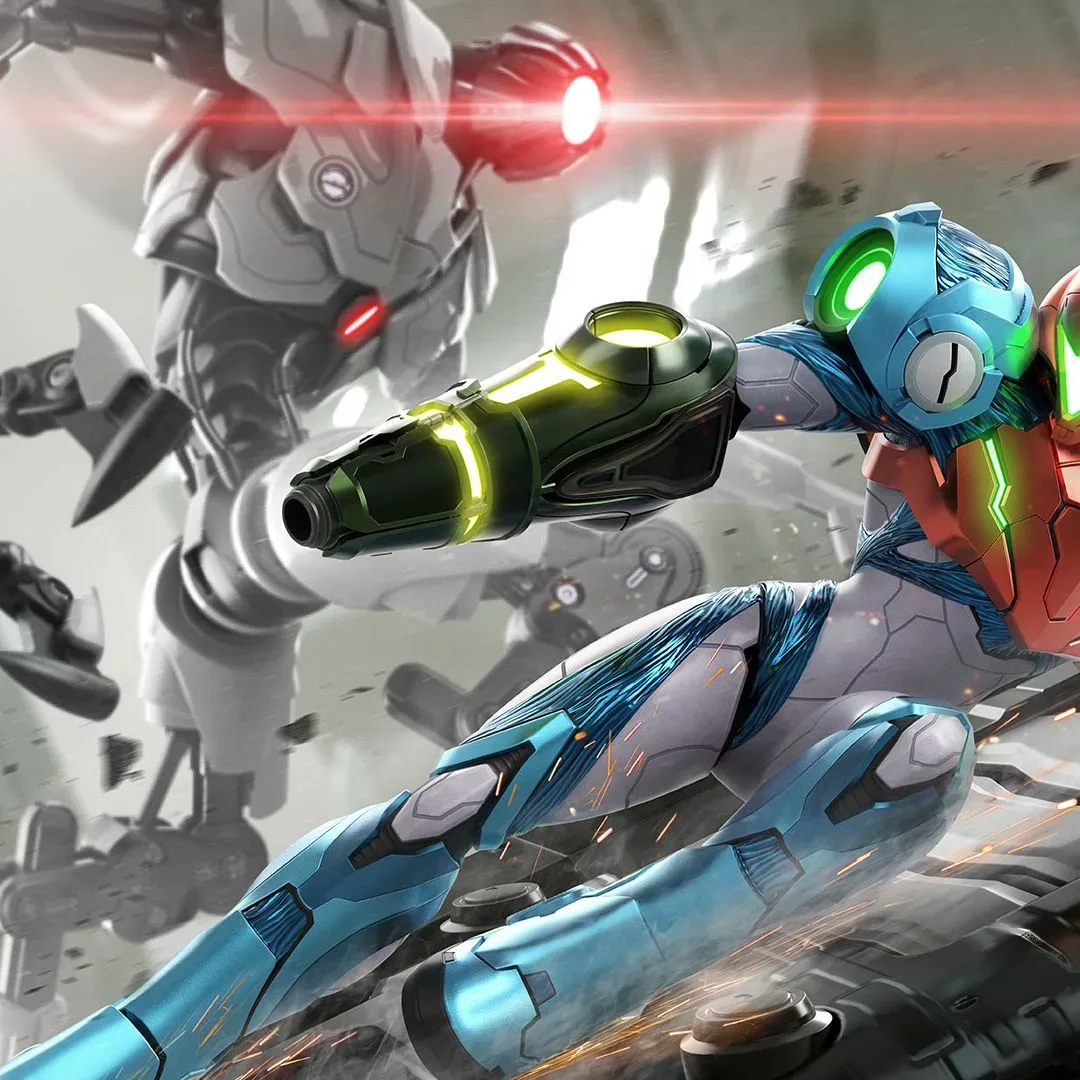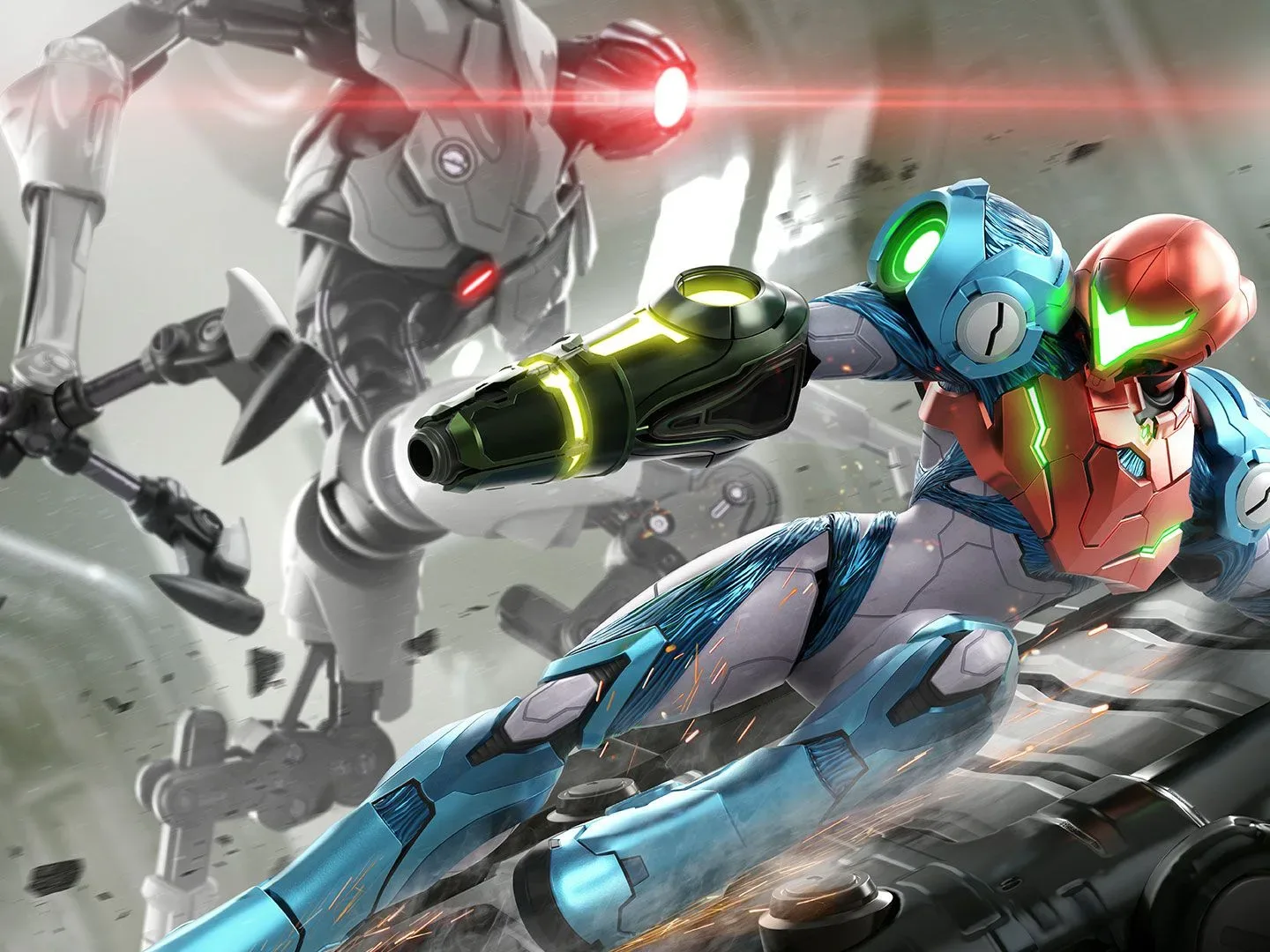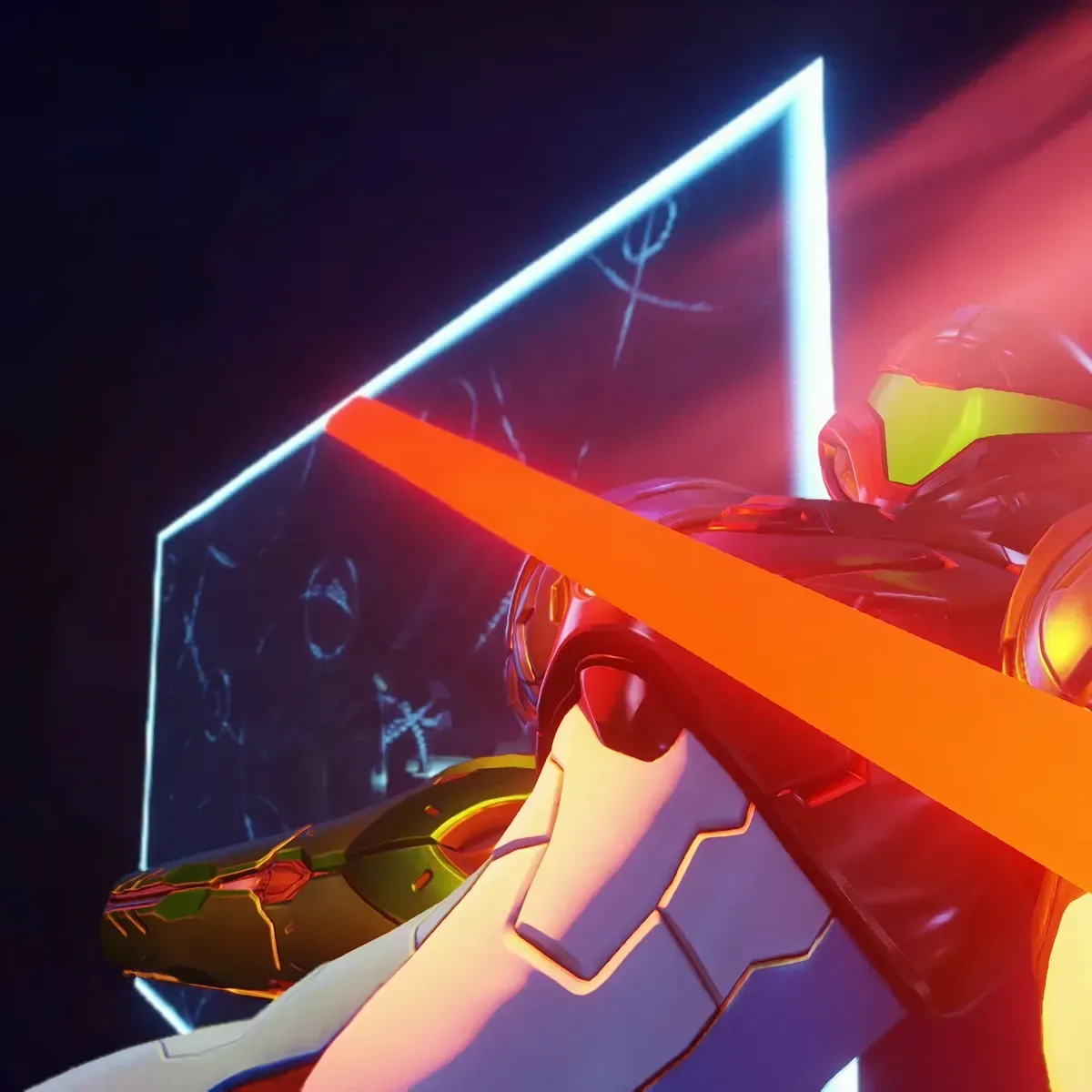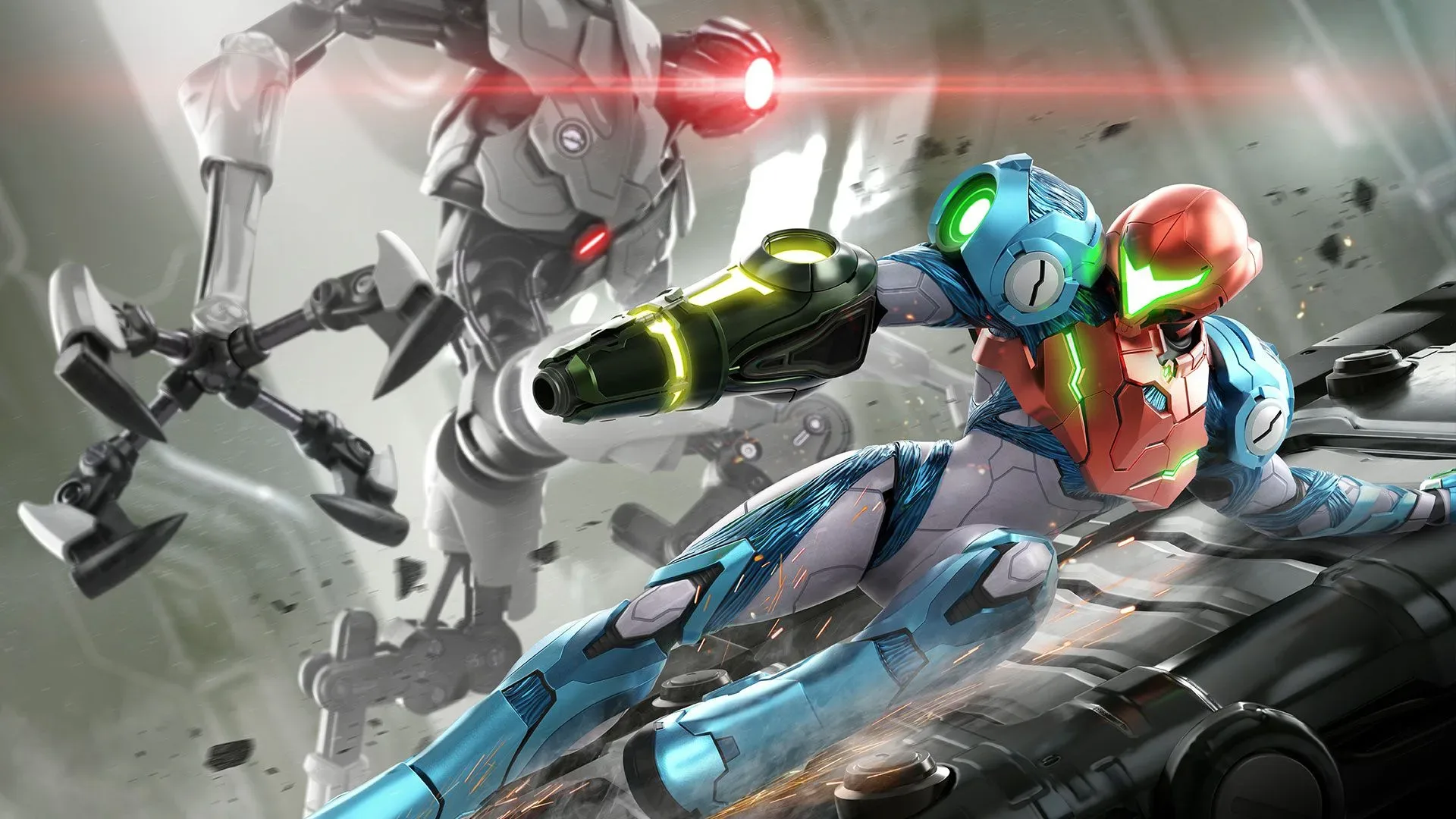
Metroid Dread has climbed to No. 1 on the US Nintendo eShop chart, nearly five years after its original 2021 release. The timing follows the recent reveal of Metroid Ravenous, the next 2D entry for Samus Aran, and suggests that a sizeable group of players is using the new announcement as a reason to finally tackle—or revisit—the game that brought the long-running side-scrolling storyline back in a major way.
The eShop result puts Metroid Dread above major Nintendo catalog heavyweights including Super Mario Galaxy, Super Mario Galaxy 2, Super Mario Party Jamboree, and The Legend of Zelda: Tears of the Kingdom. Chart positions can change rapidly and do not reveal exact sales totals, but reaching the top spot is still a striking second act for a game that has already spent years in Nintendo’s digital storefront.
It is a familiar phenomenon in game retail: reveal a sequel, refresh the audience’s memory of its predecessor, and watch the backlog become a current event. But it feels particularly fitting for Metroid, a series whose history has often been built through rediscovery, reissues, delayed follow-ups, and players comparing notes about the exact order in which Samus’ adventures should be approached.
A sequel reveal can turn a backlog into homework—in the good way
Metroid Ravenous was one of the clearest points of excitement from the latest Nintendo Direct, even as some viewers came away wanting more first-party Switch 2 news heading into 2026. The new game has refocused attention on the 2D branch of the franchise, and that attention has landed squarely on Metroid Dread.
Released in 2021, Dread arrived after an extraordinarily long wait. It continued the core 2D narrative after Metroid Fusion, while retaining the series’ basic appeal: interconnected environments, upgrades that reframe old spaces, bosses that reward concentration, and Samus being the universe’s most efficient demolitions expert.
It also had a strong identity of its own. The game’s E.M.M.I. encounters provided a recurring pressure point, changing exploration from a calm search for new routes into a suddenly urgent escape whenever one of the imposing machines appeared. That mixture of controlled movement and controlled panic made it an accessible reference point for people curious about why the series matters beyond its historical influence.
Now, with another 2D installment on the way, the game has become a natural entry point for anyone who missed it the first time. A player does not necessarily need to complete every earlier release to understand Dread, but the desire to catch up is part of the fun. Metroid has a way of making even a simple map screen feel like an archaeological dig.
MercurySteam’s apparent return adds to the momentum
The renewed interest is also tied to the creative continuity surrounding the upcoming game. MercurySteam, the developer of Metroid Dread, appears to be involved with Metroid Ravenous. That connection gives fans an immediate reason to look at the 2021 game not simply as an older title on sale, but as a useful indicator of the design lineage that could carry into the next adventure.
Related coverage includes Metroid Dread Climbs to No. 1 on the US eShop Following Metroid Ravenous Reveal.
There is no substitute for waiting to see how Ravenous ultimately plays, and a reveal alone cannot answer every question about its structure, difficulty, movement, or place in the wider timeline. Still, the prospect of the team behind Dread returning gives the current eShop surge a sensible context. Players who enjoyed the trailer can sample the previous 2D game from the same development lineage rather than trying to decode Samus lore entirely from dramatic pauses and an alarming number of alien doors.
The chart resurgence also reinforces how quickly a sequel can reshape the perception of a five-year-old game. A title that may have sat untouched in a wishlist can become the obvious next purchase when its follow-up is suddenly on everybody’s mind. Nintendo’s current eShop promotion has likely helped the effect as well, creating a moment where franchise enthusiasm and a lower barrier to purchase meet at the same time.
Today’s catch-up path is much friendlier than it was before Dread
One notable difference between the buildup to Metroid Dread and the buildup to Metroid Ravenous is the practical matter of access. When Dread launched, catching up with key 2D chapters could require older Nintendo hardware. Metroid Fusion and Metroid: Zero Mission meant looking toward Wii U options, while Metroid: Samus Returns was associated with Nintendo 3DS. On Switch at that point, the original Metroid and Super Metroid were the readily available foundational stops.
That made any recommended “play these first” list a small hardware scavenger hunt. It was manageable for dedicated fans, collectors, and people with an unusually well-maintained drawer of charging cables, but it was hardly the smoothest route for a newcomer.
The situation is more accommodating now because the 2D games can be played as a more complete run-up to Ravenous. That does not mean every player needs to undertake the whole mission file. The original game’s age and design conventions will not suit everyone, while individual preferences will determine whether someone clicks more with the SNES atmosphere of Super Metroid, the Game Boy Advance pace of Fusion, or the modern polish of Dread.
For players who do want the broadest path through the major 2D story, a sensible progression is:
- Metroid for the starting point, with the understanding that it is a product of an earlier era.
- Metroid: Zero Mission for a modernized retelling of that opening adventure.
- Metroid II: Return of Samus or Metroid: Samus Returns for the next major chapter.
- Super Metroid for one of the defining explorative action games in the medium.
- Metroid Fusion for the story directly preceding Dread.
- Metroid Dread before moving on to Metroid Ravenous.
That list is a guide rather than a gatekeeping device. Starting with Dread is entirely reasonable, particularly for someone whose interest was sparked by Ravenous. Its modern controls and clear visual language make it a welcoming option despite its demanding encounters. The important thing is that the series is less dependent on retired systems than it was in 2021.
Preservation and convenient access are not identical, of course. Older games remain tied to the condition of their original hardware and the ongoing reliability of vintage displays, controllers, and adapters. Anyone navigating that side of the hobby will recognize the broader issues raised by devices such as the Unico Traveller ULW10 prototype and its reported retro-input concerns: playing legacy software on contemporary equipment is not always as straightforward as plugging in and pressing Start.
What the eShop chart says—and what it does not
It would be premature to treat a chart spike as a full measurement of the franchise’s long-term commercial outlook. The eShop ranking does not provide unit sales, does not separate new customers from returning owners, and may shift as promotions and new releases change. It also does not establish how many of these players will continue through the earlier games before Ravenous arrives.
What it clearly shows is immediate attention. Metroid Dread is not merely benefiting from a nostalgic mention; it has become the leading digital purchase in the US eShop chart at a moment when the franchise’s next 2D chapter is newly visible. That is a meaningful signal of curiosity around Samus’ return.
For Nintendo, the value is larger than one placement. A sequel reveal has made the existing catalog feel active, encouraged players to investigate a connected series, and put a 2021 release in direct competition with some of the company’s biggest names. For fans, it is an excuse to reopen old map files, debate the best sequence break, and discover that getting lost on an alien planet is much more enjoyable when the soundtrack is this good.
Metroid Ravenous still has plenty to prove once it is closer to release. Until then, Metroid Dread has seized the spotlight again—and the US eShop’s top position makes a persuasive case that the wait for Samus’ next mission has already started.