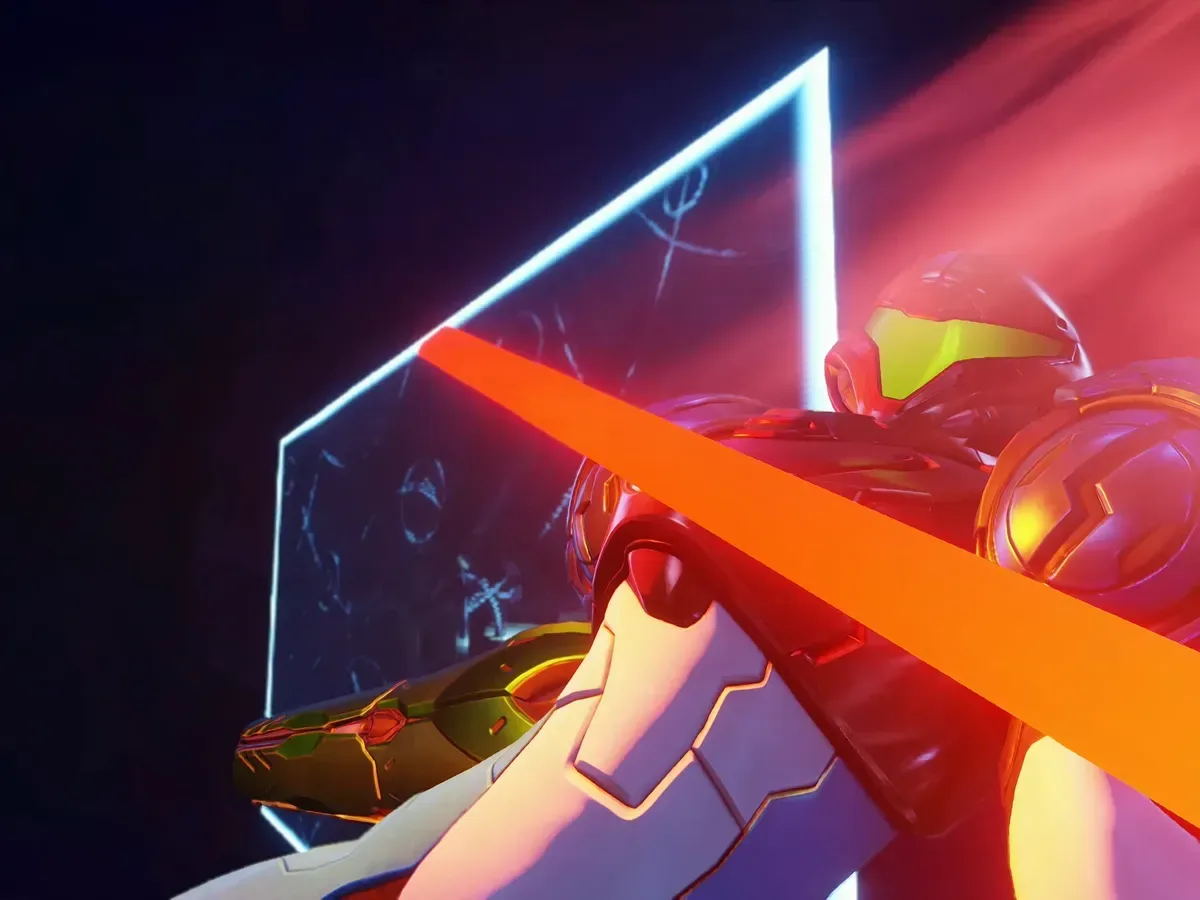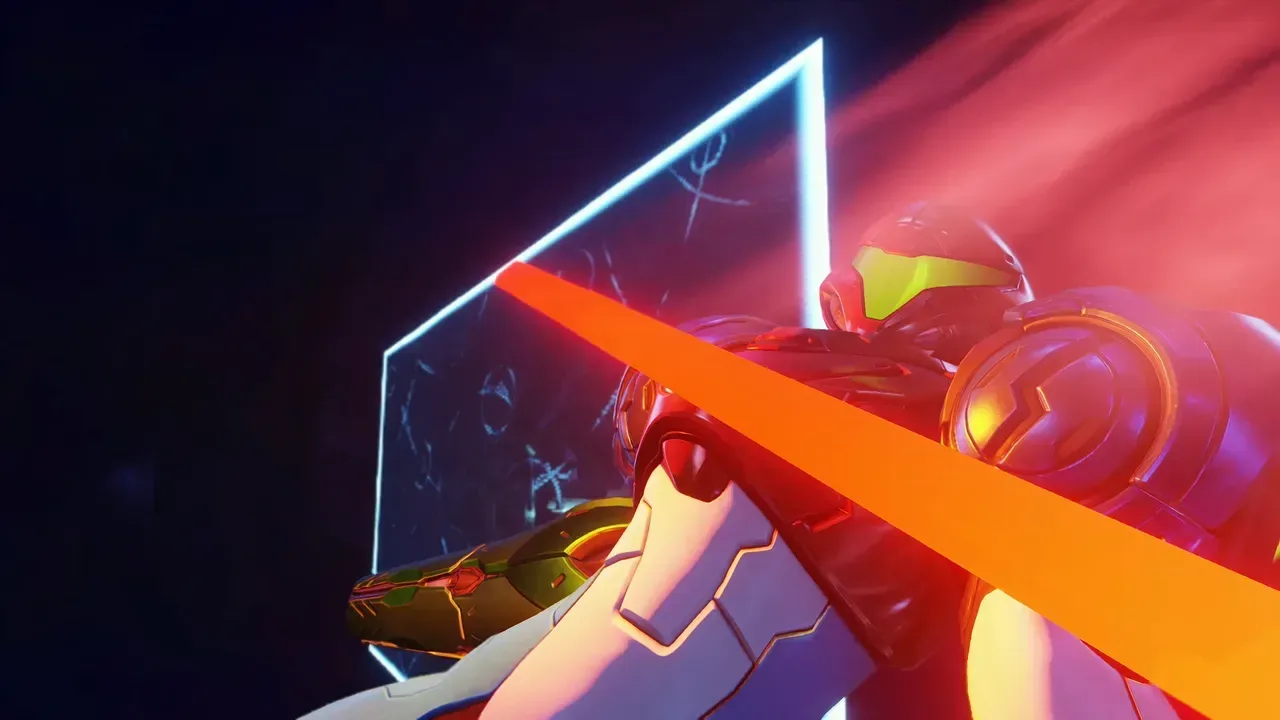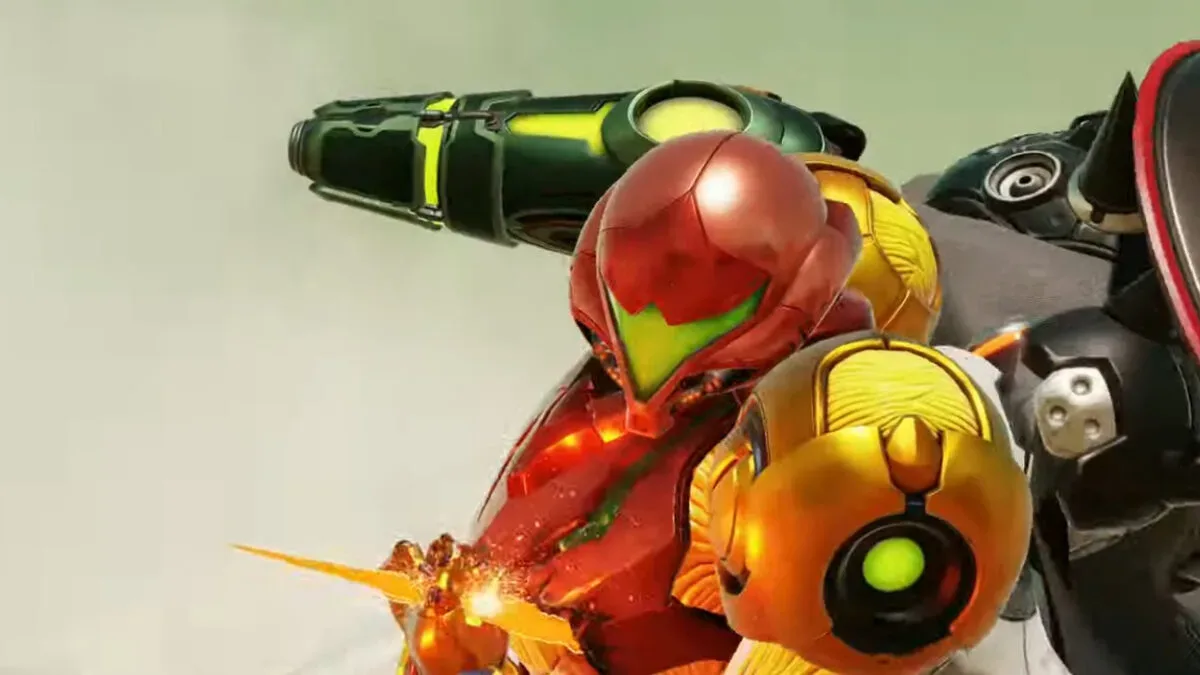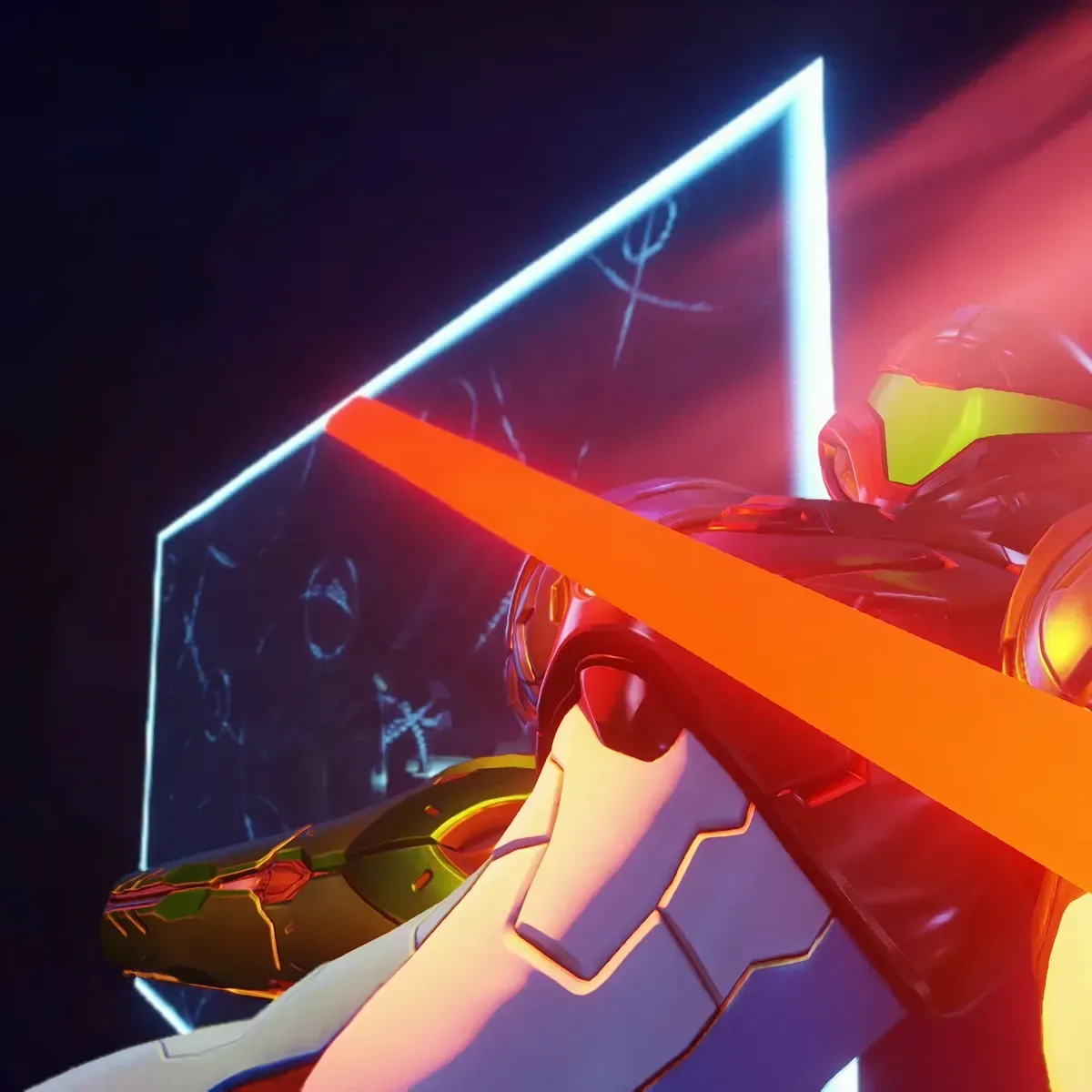
Samus Aran’s next mission has a name, a date, and an appetite for danger. Metroid Ravenous, a new side-scrolling entry positioned as a sequel to Metroid Dread, is scheduled to arrive on Nintendo Switch 2 on January 28, 2027. The reveal places Nintendo’s iconic bounty hunter back in the franchise’s 2D exploration tradition, where every newly opened door tends to lead either to a vital upgrade, a suspiciously empty corridor, or a creature that believes power armor is a food group.
The game was unveiled during a Nintendo Direct presentation, with footage showing Samus under attack from unfamiliar foes capable of draining her energy. The trailer’s central danger is conveyed directly by Samus herself: it is an “eat or be eaten” situation. That is not the kind of mission briefing that suggests a leisurely scan of the local wildlife, and it immediately gives Ravenous a more predatory tone than its title alone already promised.
For fans who watched the name circulate briefly before the official reveal, the announcement also resolves an earlier mystery. Metroid Ravenous had appeared in a Brazilian ratings-board listing that was quickly removed. At the time, observers connected “Ravenous” to Raven Beak, the formidable antagonist of Metroid Dread. The newly announced game confirms that the name was not simply a coincidence, though the trailer leaves the precise nature of that connection for the campaign to explain.
A direct return to Metroid’s side-scrolling path
The key detail is that Metroid Ravenous is being framed as a side-scrolling sequel to Metroid Dread. That matters because Metroid has long operated in two very different, complementary formats. The mainline games are built around side-view action, environmental exploration, locked routes, expanding movement options, weapon upgrades, and a gradually unfolding map. The Metroid Prime games approach the same wider universe through first-person exploration instead.
Both branches share Samus, the power suit, alien worlds, ancient technology, and the series’ enduring talent for making a single missile door feel like an archaeological discovery. But they do not function as one uninterrupted gameplay sequence. A player looking for a direct continuation of the first-person approach should temper those expectations: Ravenous is returning to the 2D lineage represented by Dread.
It also sits at the far end of the franchise timeline as currently understood. Metroid Dread and now Metroid Ravenous take place years after the events of last year’s Metroid Prime 4. The games remain part of one overall continuity, but the new title is not positioned as an immediate narrative follow-up to the Prime storyline. Instead, it extends the thread already established by Samus’s most recent side-scrolling adventure.
That placement is especially interesting given where Dread left the series. Its story brought major long-running elements of Metroid’s mythology into sharp focus while putting Samus through encounters built around speed, pressure, and survival. Ravenous now has the opportunity to work with the consequences of that chapter rather than merely revisit its surface-level formula. The energy-draining attackers shown in the reveal may be only an early glimpse, but they suggest that Samus’s resources—and perhaps her identity as the hunter rather than the hunted—will again be central to the tension.
The Raven Beak shadow over the title
Raven Beak was not a throwaway enemy name in Metroid Dread. As the game’s principal antagonist, he occupied a major place in its story and helped make its late-game stakes feel larger than a simple escape from another hostile planet. Naming the sequel Ravenous naturally invites the question of how much of his legacy remains active.
Related coverage includes Metroid Ravenous Announced for Switch 2 as a Side-Scrolling Metroid Dread Sequel.
What is confirmed is narrower than the theories fans may build around it. The title’s apparent reference to Raven Beak is real, and the game follows Dread. Beyond that, the announcement does not fully spell out whether the connection means a returning character, a related faction, a biological legacy, an ideological echo, or something more surprising. Metroid is at its best when it lets a strange silhouette, a sealed lab, or an ominous piece of architecture do some storytelling before the player receives all the answers. For now, the name is a strong clue, not a complete plot outline.
The word “Ravenous” also neatly fits the danger shown in the trailer. Enemies that sap Samus’s energy make the title sound less like a decorative reference and more like a description of the threat facing her. Metroid has always treated health and ammunition as more than numbers on a display: they dictate how boldly players can push into unknown spaces. An enemy type designed to remove energy could create a particularly unnerving form of pressure, especially if it appears in cramped areas or during encounters where retreat is not easy.
MercurySteam appears set for another mission
Metroid Ravenous appears to be another collaboration between Nintendo and Spanish studio MercurySteam. The developer previously worked on Metroid Dread and Metroid: Samus Returns, the Nintendo 3DS remake of the Game Boy game Metroid II: Return of Samus. That history makes the reported involvement a meaningful signal, even if the announcement details currently leave room for caution about the exact development arrangement.
MercurySteam’s prior Metroid work has helped define the modern shape of the 2D series. Samus Returns brought a foundational chapter back for a newer handheld audience, while Dread carried the core side-scrolling format forward after a very long gap between original mainline entries. The latter balanced freeform exploration with faster combat, more agile movement, and relentless pursuit sequences that made even familiar map-reading habits feel dangerous.
The reception to Dread underlines why a sequel is a noteworthy event. It earned a 9/10 review score and was praised for restoring the series’ exploration-and-progression strengths while pairing them with modern combat and exceptional boss encounters. That legacy sets a formidable target for Ravenous: players will reasonably expect a world worth getting lost in, upgrades that fundamentally change how they move through it, and confrontations demanding more than simply pointing an arm cannon in the correct direction.
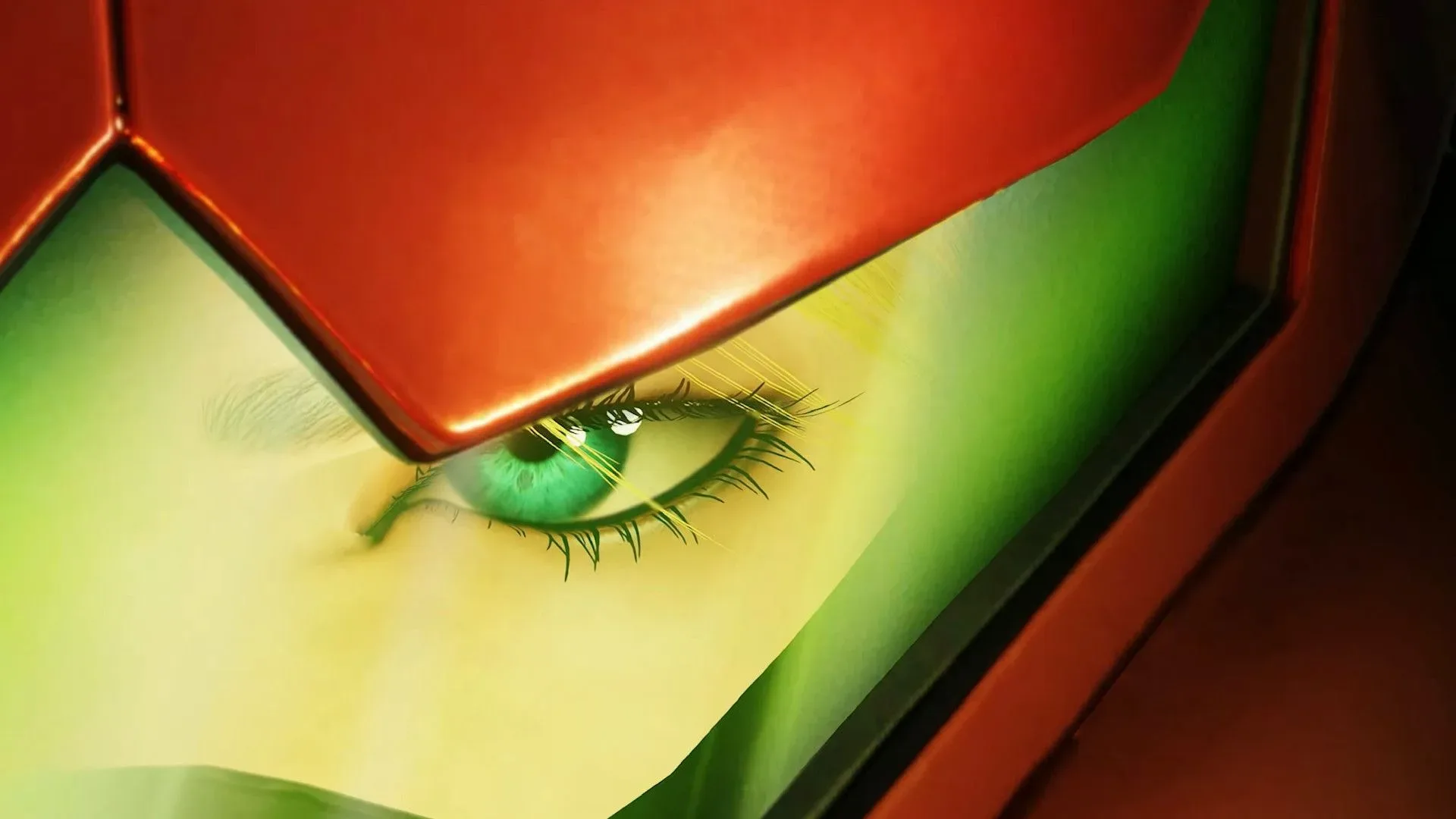
Of course, “sequel” does not guarantee that every feature or structure will return unchanged. Nintendo has not laid out the full systems list, map design, boss roster, upgrade suite, or the role of the energy-sapping enemies. It has also not provided an exhaustive account of the plot. Those absences are worth preserving rather than filling with assumptions. The available material establishes the game’s platform, genre, date, connection to Dread, and early threat; the rest is still space inside the helmet visor.
A crowded Switch 2 future, but a distinct mission
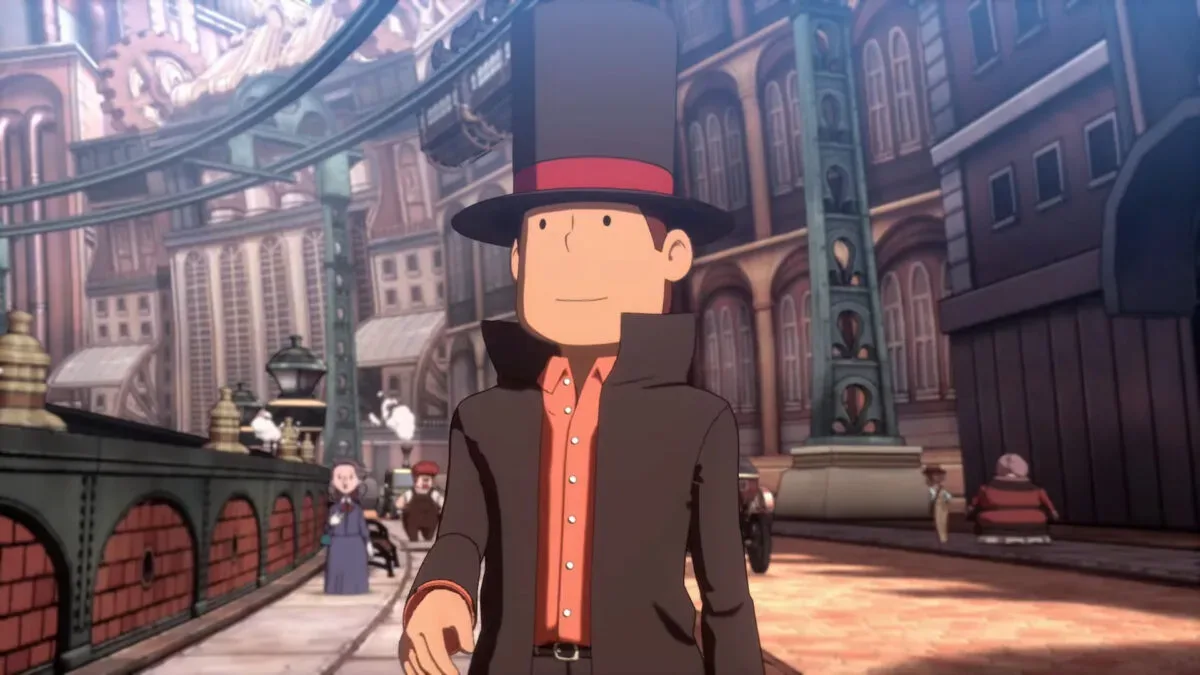
January 28, 2027 is still a substantial wait, yet the firm date makes Metroid Ravenous a clear part of Nintendo Switch 2’s upcoming calendar. It joins a broader run of announced Nintendo projects, including the newly dated Professor Layton and the New World of Steam. The contrast is almost comically perfect: one game promises puzzles and gentlemanly investigation, while the other sends a heavily armed space hunter toward creatures that drain her life force. Variety remains Nintendo’s most dependable superpower.
For Metroid specifically, the announcement is significant because it keeps both the character and the series’ side-scrolling identity moving forward. Samus can be a quiet protagonist, but the games around her rarely feel quiet. Their tension comes from isolation, restricted access, ominous machinery, hostile ecosystems, and the persistent possibility that the next upgrade will reveal a route that should perhaps have remained sealed.
Metroid Ravenous has revealed only a slice of what is ahead, but that slice is pointed: a continuation of Dread, an apparent Raven Beak thread, strange enemies that drain energy, and a 2027 destination on Switch 2. Samus has survived worse than an ominously hungry title. Still, when the warning is “eat or be eaten,” packing extra energy tanks sounds less like a strategy and more like basic etiquette.