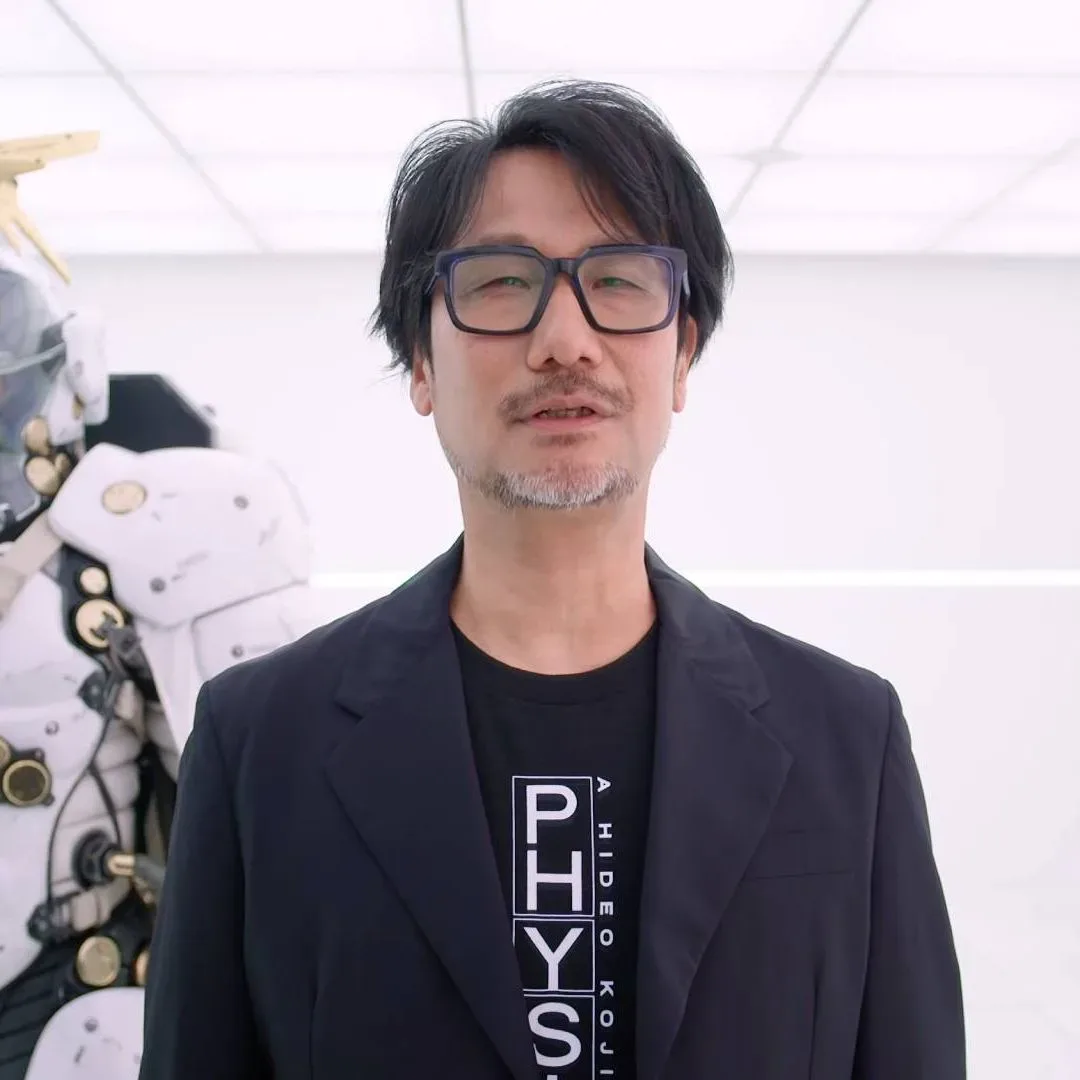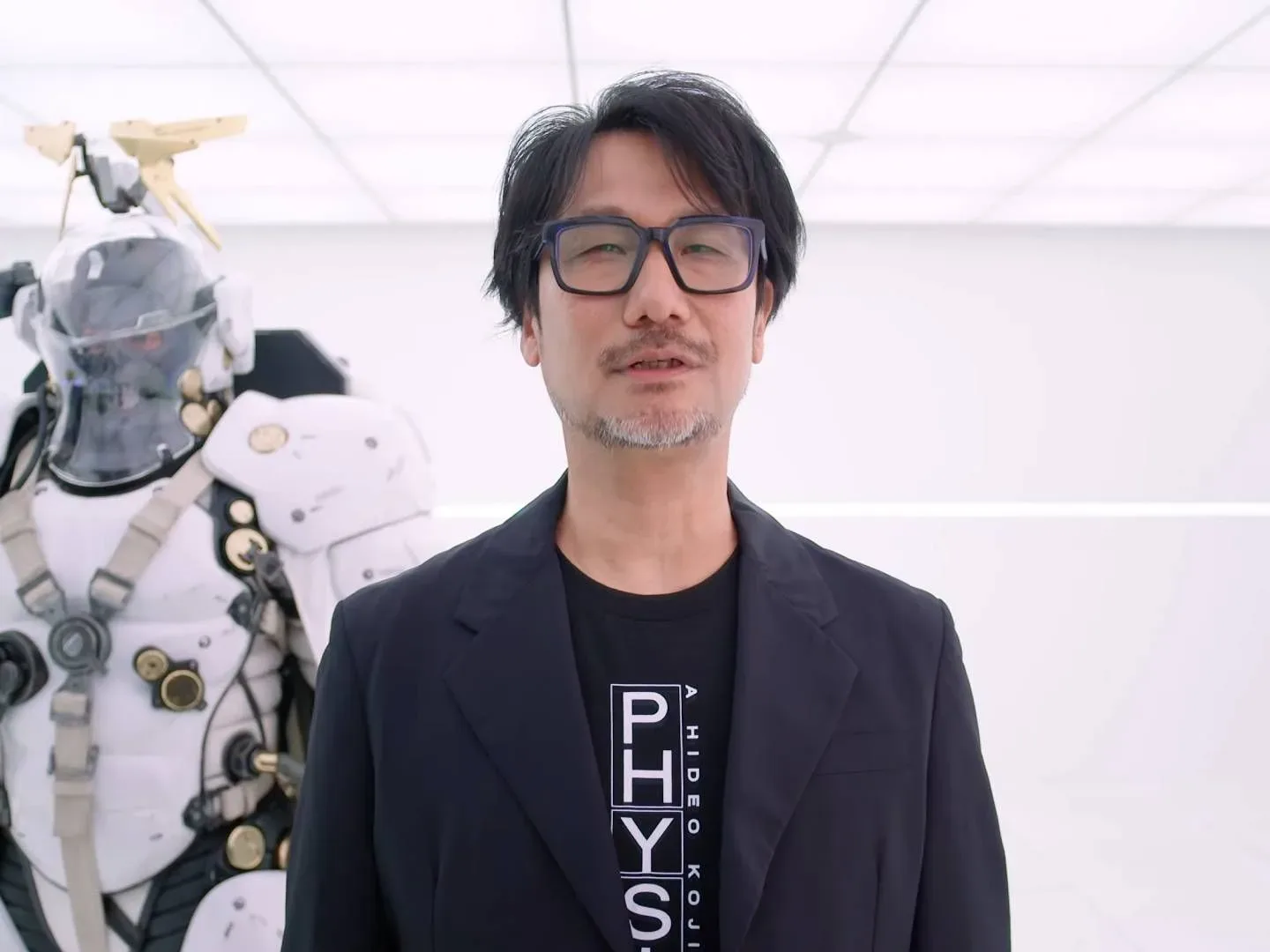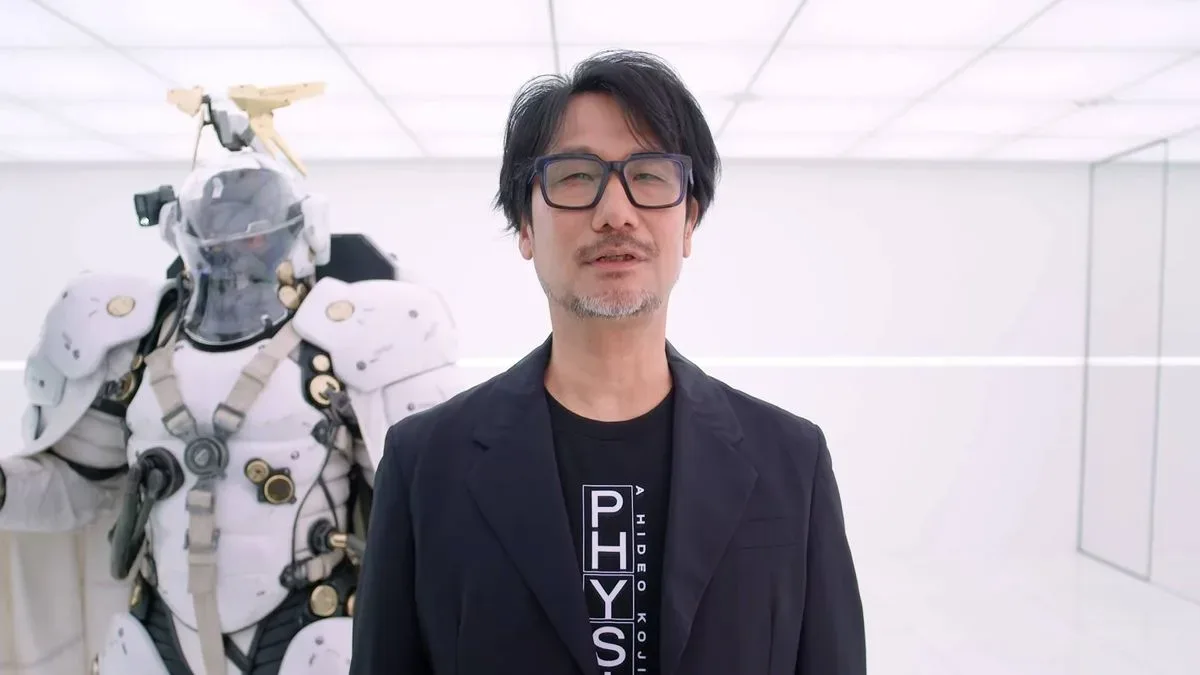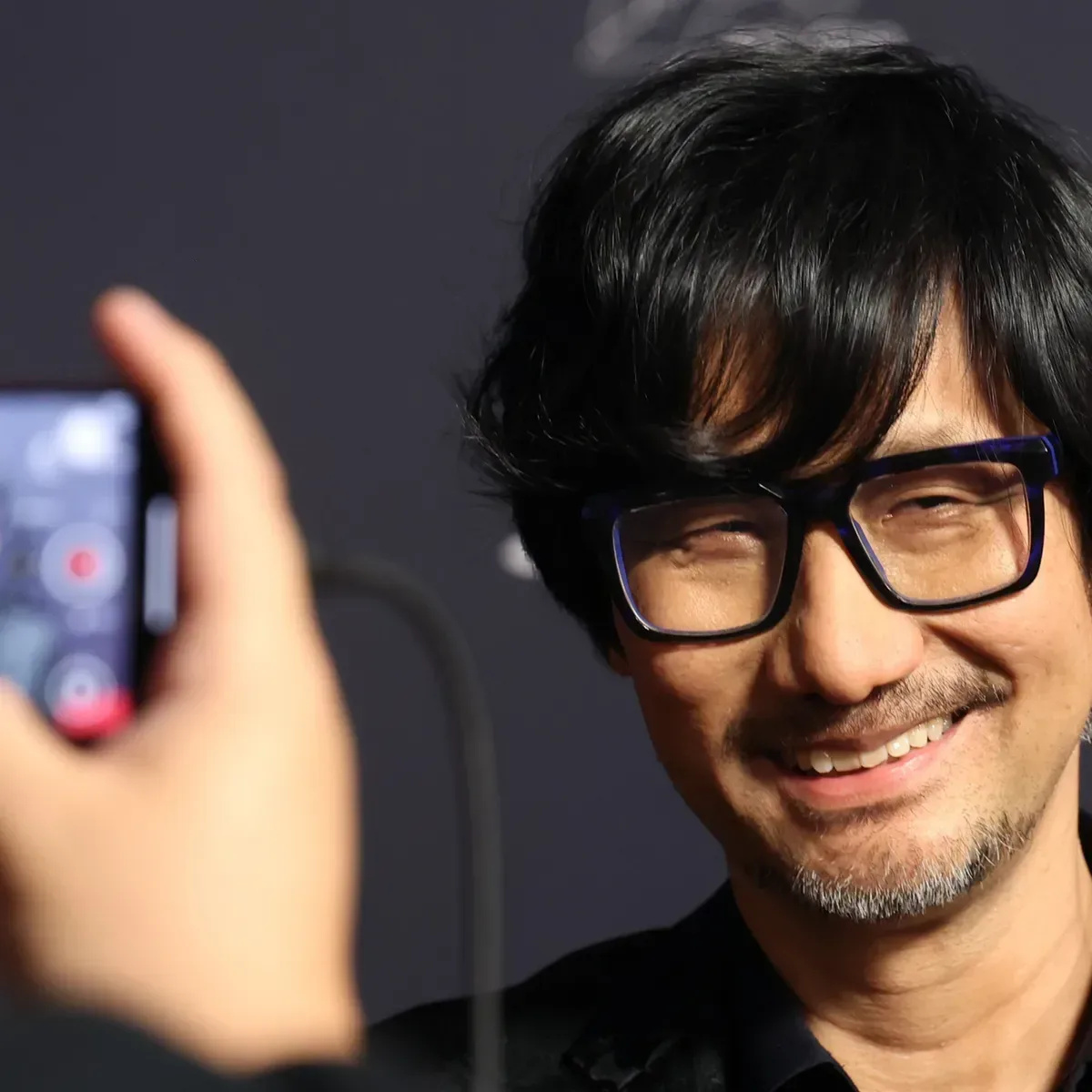
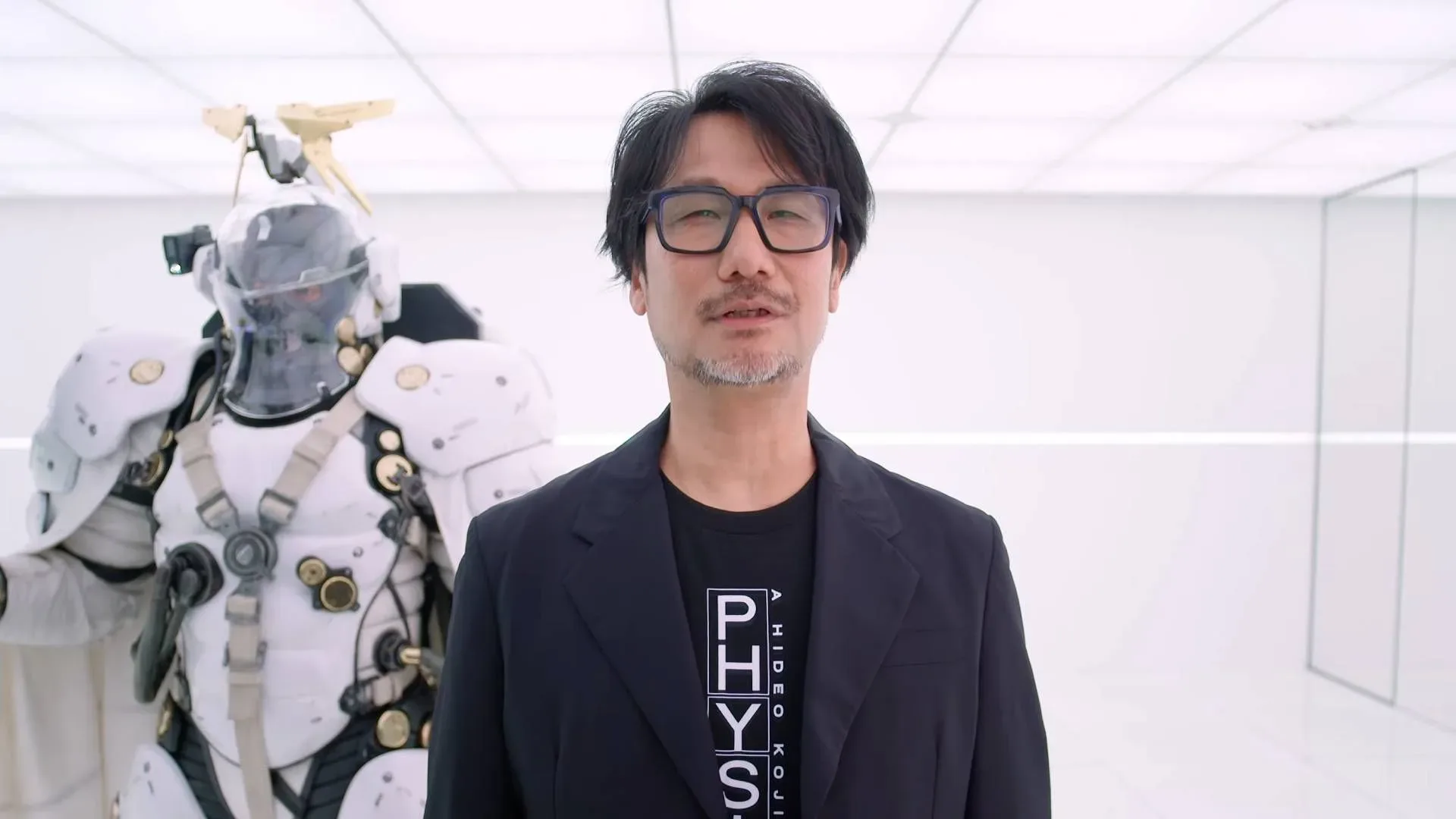
Hideo Kojima has offered a characteristically process-first view of artificial intelligence in game development: AI may make teams faster and help them meet deadlines, but a creative culture built around its unchecked use could sacrifice the part of making things that creators actually enjoy.
The creator associated with Metal Gear and Death Stranding discussed the changing tools of development across roughly four decades, placing contemporary AI alongside earlier efficiency shifts brought by software such as Photoshop and word processors. His point is not that technology itself is the enemy. These tools make work more efficient, and he acknowledged that AI can push that efficiency further. The concern is what happens if speed, cost and output become the only measures that matter.
“Getting a finished picture is not what’s fun about drawing; it’s the process,” Kojima said. That distinction sits at the center of his argument. A finished image, script, model or other asset is valuable, of course. Games need completed work to ship. But he sees the decisions, revisions and unexpected turns on the way to that result as the creative experience—not as waste to be removed from a production schedule.
Efficiency is useful; authorship is the question
AI is a broad label, and discussions about it can become muddled when every possible use is treated as the same thing. In this context, Kojima draws a meaningful line between assistance and substitution.
An assistive use would mean a tool helps with tedious tasks, potentially saving time or money while leaving creative direction and judgment with people. Kojima has previously described AI as more of a friend for this kind of work. That is a notably less absolute position than rejecting the technology outright. He accepts the appeal of reducing repetitive labour and making production more manageable.
A substitutive use, by contrast, is closer to entering prompts repeatedly until a system produces an image that seems acceptable. Kojima said he does not find that approach especially interesting as a form of creation. His objection is not simply that a computer has participated; it is that the person may be pushed out of the exploratory work that gives creative practice meaning.
That distinction matters because “AI in games” can describe radically different workflows. It can mean a tool intended to reduce a tedious task. It can also mean treating generated output as a shortcut past the experimentation that shapes an idea. Kojima’s comments focus on the latter risk: not whether a project can reach a finished state faster, but what creative habits may be lost if the path to that state is continually compressed.
For a team focused entirely on delivering a product, he conceded, efficiency has obvious benefits. Deadlines are real, and faster workflows can be attractive. But Kojima argues that enjoying the act of making something is part of what defines a creator. In his view, the trial-and-error period is not an unfortunate gap between concept and deliverable. It is where engagement, discovery and excitement happen.
Related coverage includes Hideo Kojima Warns AI Could Diminish the Joy of Game Creation.
The value of trial and error
Trial and error is a simple phrase, but it describes a substantial part of artistic and game-development work. Someone tries an approach, sees its shortcomings, changes direction and learns from the result. Sometimes the early version fails. Sometimes a mistake suggests a better route. Either way, the creator is actively developing judgment.
Kojima said that intermediate process is what gets his adrenaline pumping. That is why his concern is ultimately about more than the finished image generated by a prompt. A process designed to eliminate all uncertainty can also eliminate the moments in which a creator notices a new possibility, solves an unexpected problem or changes their original idea.
He illustrated this with model kits and Lego: the pleasure is often in constructing the thing, not just having it sit completed at the end. The comparison is useful because it reframes the debate away from raw output. If a person only values possession of the completed object, skipping assembly could seem like an improvement. If the assembly is the activity they care about, skipping it defeats the point.
Creative development can work the same way. Completion remains necessary, especially in commercial games, but the route to completion has value. Kojima’s position suggests that production choices should not assume every stage between an initial idea and a finished asset is disposable friction.
A warning aimed beyond the immediate future
Kojima did not present this as an imminent collapse of creative work. He said he thinks things will be fine over the next five to 10 years. His worry is longer-term: if AI remains unrestricted, it could eventually take a key role within creative fields.
That wording is important. He is expressing concern about direction and degree, not claiming that AI has already replaced creative work or that every use necessarily leads to the same outcome. The future he does not want is one where the pleasure and learning of making things are no longer protected because automated output has become the default answer to every creative problem.
He added that he likely will not be around when that larger shift arrives and said he wants to pass the torch to younger generations. It is a generational framing rather than a declaration that the current moment is beyond repair. The implication is that newer creators may inherit not merely more capable tools, but assumptions about whether making something should involve sustained human experimentation at all.
For players, this does not create a simple rule that a game involving AI must be judged one way or another. Kojima’s comments instead point to questions worth asking about creative priorities. Is a tool assisting people with work they still direct? Is it being used to chase faster completion at the expense of the iterative work that establishes a project’s identity? And is a development culture leaving room for creators to discover ideas rather than only select from outputs?
Those questions overlap with a wider industry conversation about creative continuity. In a separate discussion, Eiji Aonuma described how long-standing teams can provide a creative base for Zelda. Kojima’s comments arrive from a different angle, but both perspectives emphasize that creative work depends on more than efficiently delivering assets. Teams, accumulated knowledge and the freedom to iterate can shape what ultimately reaches players.
Technology has always changed the workflow
Kojima’s comparison with Photoshop and word processors is a reminder that game development has never been static. Digital tools can accelerate routine tasks and make revisions easier. In that sense, improving efficiency is not new, and neither is adapting to a tool that changes how creators work.
His argument is that AI raises a sharper version of an old question. Earlier software can speed up a process while still leaving the user actively making a series of choices through that process. Generative systems, as discussed by Kojima, can shift the work toward requesting and selecting an outcome. The important issue for him is whether that shift weakens the hands-on experimentation creators find rewarding.
That does not mean a faster workflow is inherently shallow, nor that a slow workflow is automatically meaningful. Kojima’s concern is more precise: the measure of success should not be reduced to how quickly a team obtains a usable result. Creative work can involve value that is difficult to express in schedules alone—skill-building, judgment, surprise and the satisfaction of working through a problem.
His perspective also explains why the phrase “AI will make development faster” is incomplete. Faster for which task, under whose direction and with what effect on the people doing the work? An efficiency gain can be welcome when it removes a burden. It becomes more complicated when the same logic turns an entire creative process into a step to bypass.
What this means for Kojima’s own creative outlook
Kojima’s comments do not offer a detailed policy proposal or a checklist for studios. They do establish a clear personal principle: tools should not erase the iterative, human part of creation simply because an automated route can deliver a result sooner.
That emphasis on new ideas is relevant to his current comments on Physint, which he has described as quite different from Metal Gear. He has said he wants plenty of fresh concepts and a different kind of spy action. There are no additional details here about how the project is being made or whether AI will be involved, so it would be wrong to infer a production plan from his broader views. Still, his stated desire to pursue a distinct kind of spy action fits the larger value he places on exploration rather than reproducing a known outcome.
For Kojima, the essential creative reward appears to reside in the work between a blank page and a finished product. That is the part he believes is most vulnerable if the industry treats AI solely as a mechanism for removing time, cost and uncertainty. The technology may offer genuine help, especially with tedious work, but he does not want efficiency to become a rationale for hollowing out the act of making.
“The trial-and-error process in between is what gets my adrenaline pumping and makes the experience engaging,” Kojima said. “I don’t want a future where that aspect is lost.”
It is a compact warning with practical force. Games are products, and development needs tools that help teams finish them. But games are also made through choices that are revised, tested and sometimes discarded. Kojima’s concern is that the industry may become too eager to automate away the very work through which creators develop those choices in the first place.