Long-running game series are often discussed in terms of characters, mechanics and hardware eras. Eiji Aonuma is pointing to another kind of continuity: the people who carry a project’s accumulated knowledge forward.
The veteran Nintendo producer, who has worked at the company for 38 years and most recently worked on the Ocarina of Time remake, has described long-term staff retention as a practical creative advantage. His argument is not that teams should be frozen in place, or that new employees should simply copy what came before. Instead, he presents a balance between experienced developers who understand a studio’s methods and newcomers who can question, reinterpret and extend them.
For a series such as The Legend of Zelda, that balance can help explain how a franchise changes without losing all sense of itself from project to project. Aonuma’s comments also land amid continued discussion of job losses across the games business, including reported plans for 3,200 cuts at Xbox this year. His focus, though, is less a broad claim about every company’s employment practices than a specific case for why a studio benefits when knowledge is not repeatedly broken apart and rebuilt.
Shared experience is more than institutional memory
Aonuma’s central point is that developers who have worked together over a long period can draw on shared experience when facing the next problem. That can make it easier to discuss a new direction, because core team members already understand how earlier decisions were reached, what language the group uses, and which processes exist for particular reasons.
“I think you see a real benefit to having some very long-term-tenured staff members around who have shared the same experiences over time because every time you get to the next step, it’s easier to discuss how to proceed, or if you’re going to do something new,” Aonuma said.
That idea is sometimes called institutional knowledge: know-how held by people and teams rather than contained entirely in a document. In game development, it can include the reasoning behind a workflow, an understanding of how a series has approached a recurring design problem, or familiarity with the vocabulary colleagues use to describe a feature. Aonuma specifically emphasizes the value of people who can introduce newcomers to long-standing processes, series conventions and the language of the team.
His framing matters because institutional knowledge is not the same thing as nostalgia. It is not merely knowing that something was done a certain way in an older game. The useful part is knowing why it was done that way, which trade-offs were involved, and whether that solution still fits the new project. That distinction sits at the center of his comments about training new staff.
Onboarding takes time—and understanding
When people join a team, Aonuma says they need substantial discussion. They must be shown how things are done, why those practices exist, and what the team’s terminology means. This process is commonly called onboarding: the work of helping a new employee become capable of contributing within an organization.
Related coverage includes Eiji Aonuma Says Long-Term Nintendo Teams Help Zelda Preserve Its Identity.
It is easy to treat onboarding as an administrative phase that ends after introductions and tool access. Aonuma describes something deeper. A developer joining a longstanding franchise may need context for both the game in progress and the inherited habits around it. Without that context, a person can follow a procedure correctly on paper while missing the design purpose behind it.
“You don’t want your new staff doing things by rote or without understanding the reasons; you have to invest there,” Aonuma said.
Rote work means repeating a process mechanically, without grasping its purpose. In a creative medium, the drawback is obvious: a developer can preserve an old pattern while being unable to tell whether it serves the new game. Aonuma’s preferred balance is therefore not veteran authority on one side and fresh talent on the other. It is a structure in which experienced people provide context while incoming staff learn enough to make informed choices.
That investment has an immediate practical cost: discussion and explanation take time. Yet Aonuma presents it as work that supports a team over the long term. If new hires understand the rationale behind established practices, they are better positioned to participate in changing those practices intelligently rather than treating them as untouchable rules.
Zelda’s continuity does not mean standing still
Aonuma uses the Zelda team as his example of continuity alongside change. Team membership changes over time, he says, but a core group carries over from one project to the next. That group provides a base on which newcomers can be brought up to speed.
“You do see the Zelda team change over time, but there is a continuity of core staff, certainly at least from one project to the next, so that we have that base that we can build from and bring up new staff within it,” Aonuma said.
That is a useful distinction for anyone reading “continuity” as a synonym for sameness. A continuing core does not imply an unchanged team, and an established franchise does not require each installment to repeat the previous one. Aonuma explicitly describes the value of retaining a base while adding people to it. The desired outcome is continuity of understanding, not an inability to revise a formula.
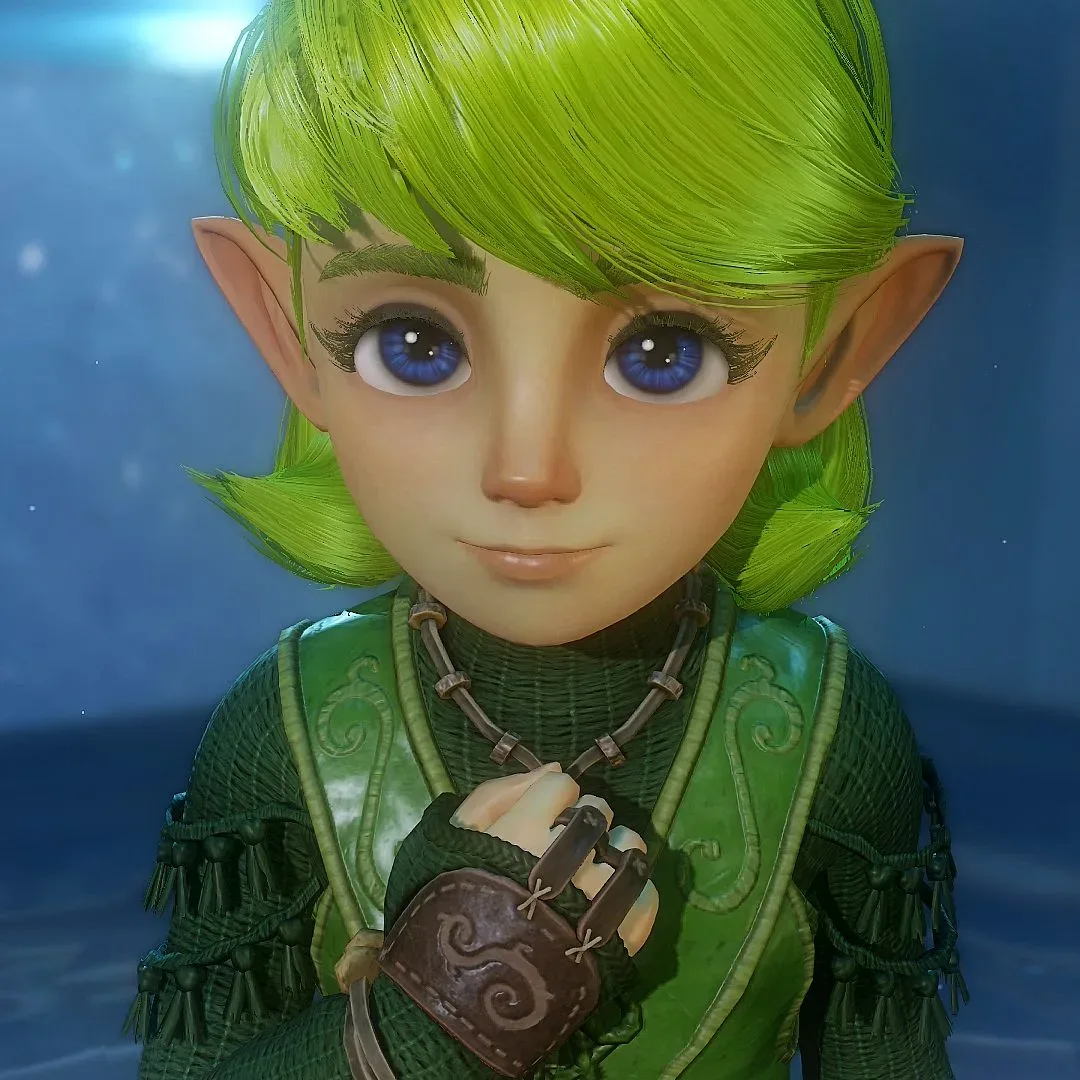
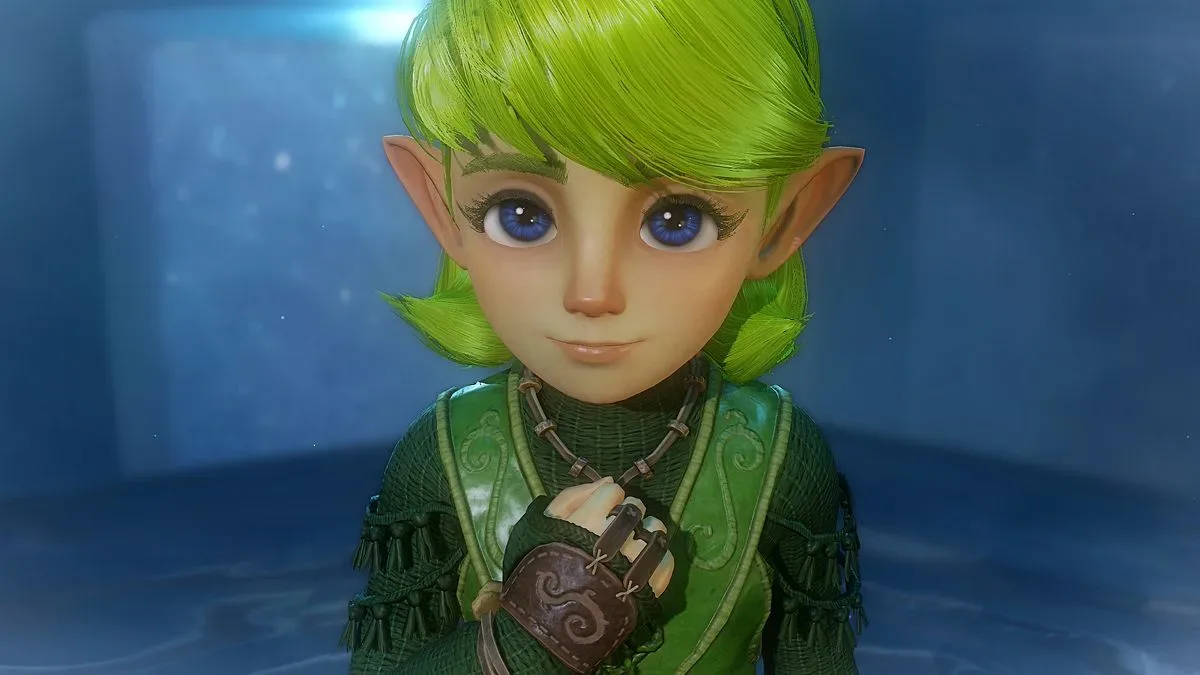
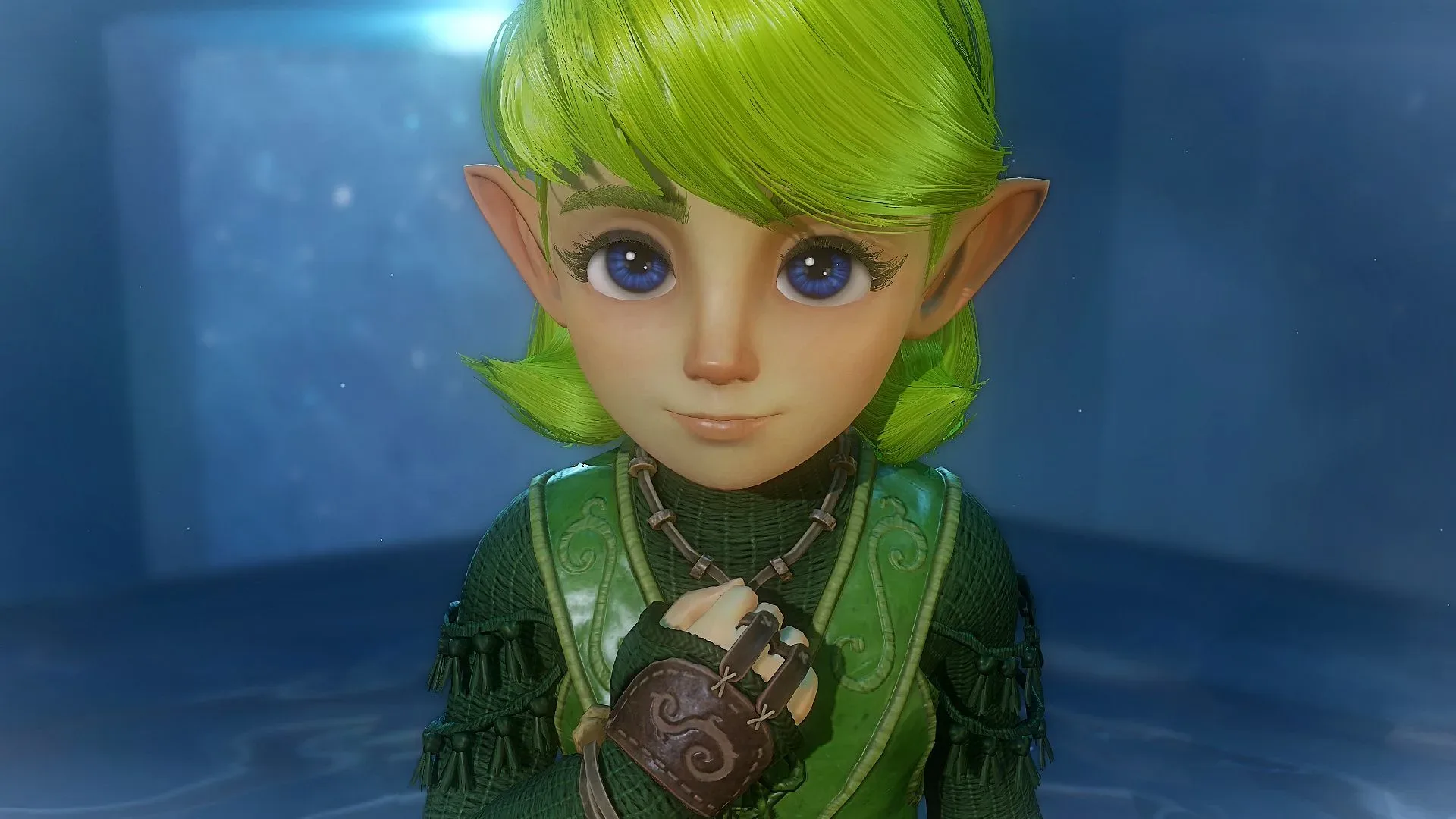
His recent comments about the Ocarina of Time remake illustrate the point. Not every developer on that project had played the Nintendo 64 original, and Aonuma credited younger team members as important to how the remake turned out. Others on the team had experience with the original. That mixture creates a potentially productive tension: people familiar with the older game can identify what needs care, while people without that history can approach the work without assuming every previous choice must remain untouched.
The supplied details around the remake point to changes including new sidequests, dungeon adjustments, a user-interface toggle associated with Breath of the Wild, and a jump button. Taken together, they are a concrete example of the balance Aonuma describes: preservation of a beloved foundation alongside additions and revisions from a team that includes both veterans and newer developers.
What “continuity” can mean to players
Players often recognize continuity as a feeling before they can name its cause. A game may present a different structure, altered controls or new optional content while still seeming recognizably connected to earlier entries. Aonuma says the blend of longtime staff and newer employees contributes to that sense in Zelda.
That does not mean there is a single hidden formula that guarantees a game will feel right. Nor do Aonuma’s remarks establish that staff tenure alone determines quality. Game development involves many decisions, and the comments do not claim otherwise. What they do offer is a straightforward explanation for why a team may be able to make major changes with a stronger grasp of the series it is changing.
For players, the practical implication is that visible features are only one part of a game’s identity. The less visible part is the conversation behind them: which elements are understood as essential, which are open to revision, and whether the people making those calls share enough context to debate them clearly. A core team with experience of prior projects can provide that context; newer colleagues can ensure the conversation is not confined to old assumptions.
A workforce argument rooted in creative practice
Aonuma’s remarks arrive at a moment when layoffs have made workforce stability an unavoidable industry topic. The reported Xbox cuts are one high-profile example of the scale such decisions can reach. His argument does not reduce that wider issue to a simple comparison between Nintendo and every other game company. Instead, it identifies what a studio risks losing when experienced teams are not retained: shared context, mentoring capacity, and a foundation from which the next project can begin.
There is also a business-facing dimension to that creative argument. A franchise is not only a name or a catalog of past releases; it depends on people able to interpret what that franchise has been and what it might become. Similar debates about the value of established properties and long-term planning are shaping the wider sector, including the way major publishers frame portfolios beyond a single blockbuster; one recent industry discussion focused on how a publisher positions strength across multiple major franchises.
Aonuma’s contribution is more specific. He argues that keeping people through multiple projects makes future decisions easier to discuss, because the team has lived through earlier decisions together. It also makes it possible for those employees to explain not only the process but the reasoning to incoming developers.
The balance Aonuma is describing
The strongest takeaway is not a call for a closed creative circle. Aonuma repeatedly makes room for new staff and the work required to support them. The value of tenure, in his account, is that experienced employees can pass along the context that lets newcomers contribute meaningfully. The value of newcomers is that they join the effort to make something new rather than merely preserve old routines.
For Zelda, that approach is presented as part of the series’ recognizable continuity. For the broader industry, it is a reminder that retaining a team is not only a staffing decision. It is an investment in a studio’s ability to explain itself, challenge itself and move forward with a clear sense of what came before.