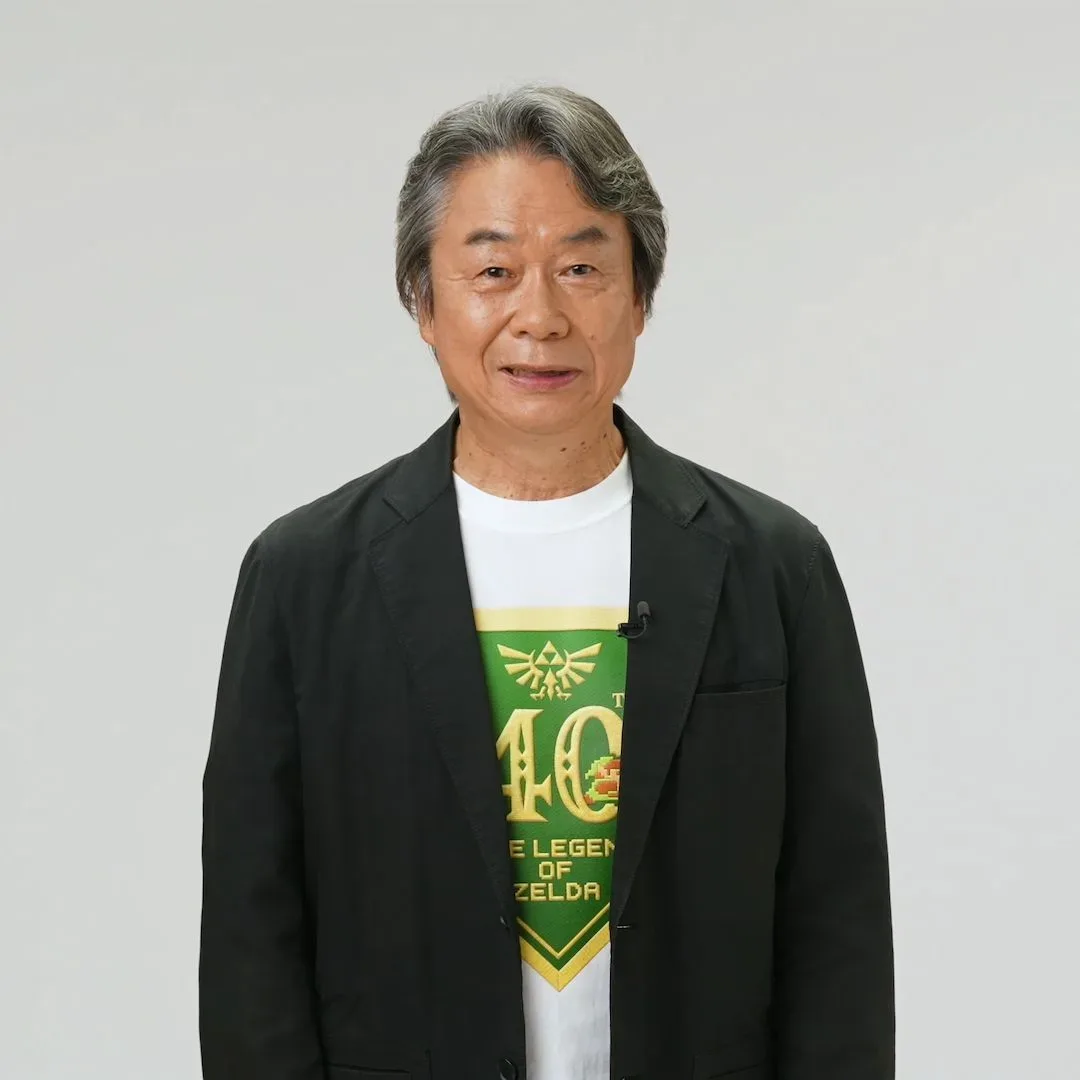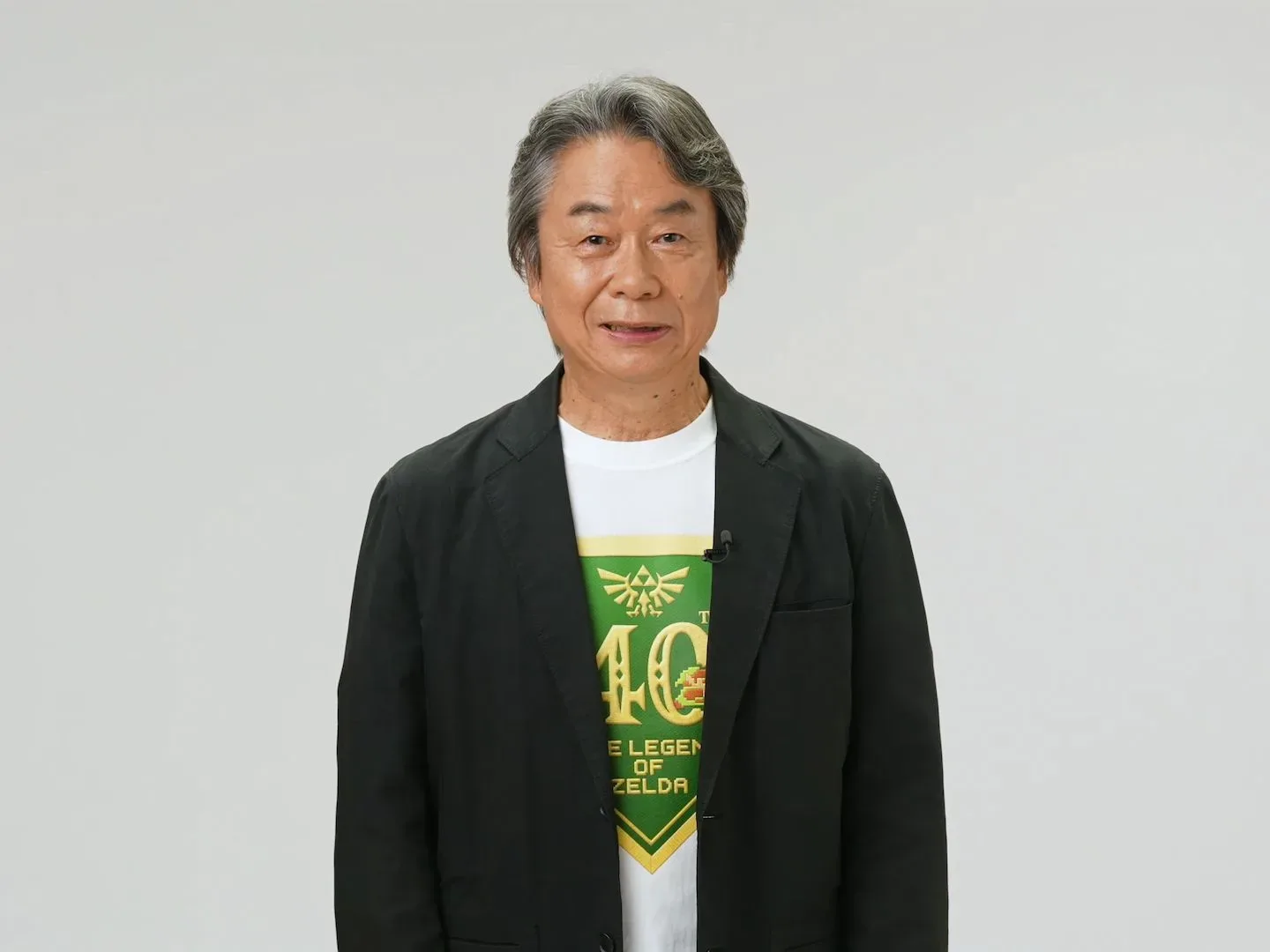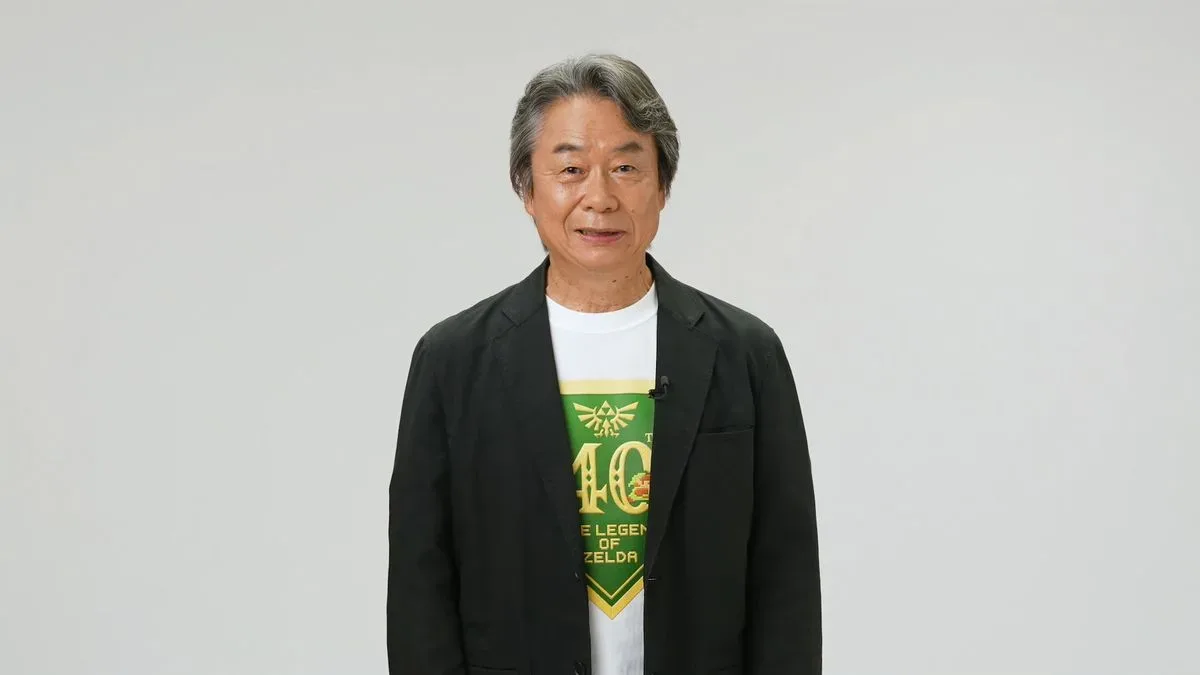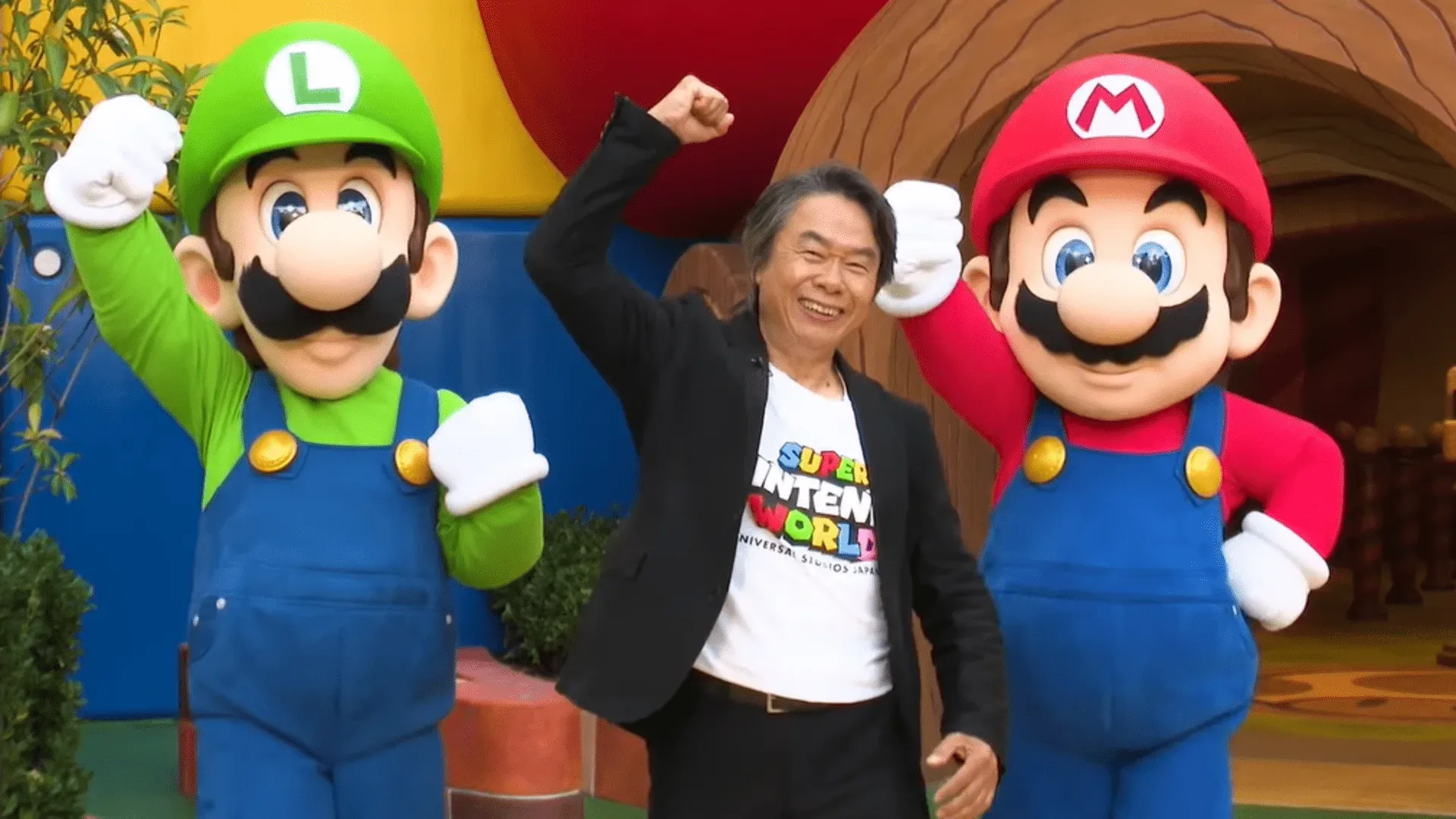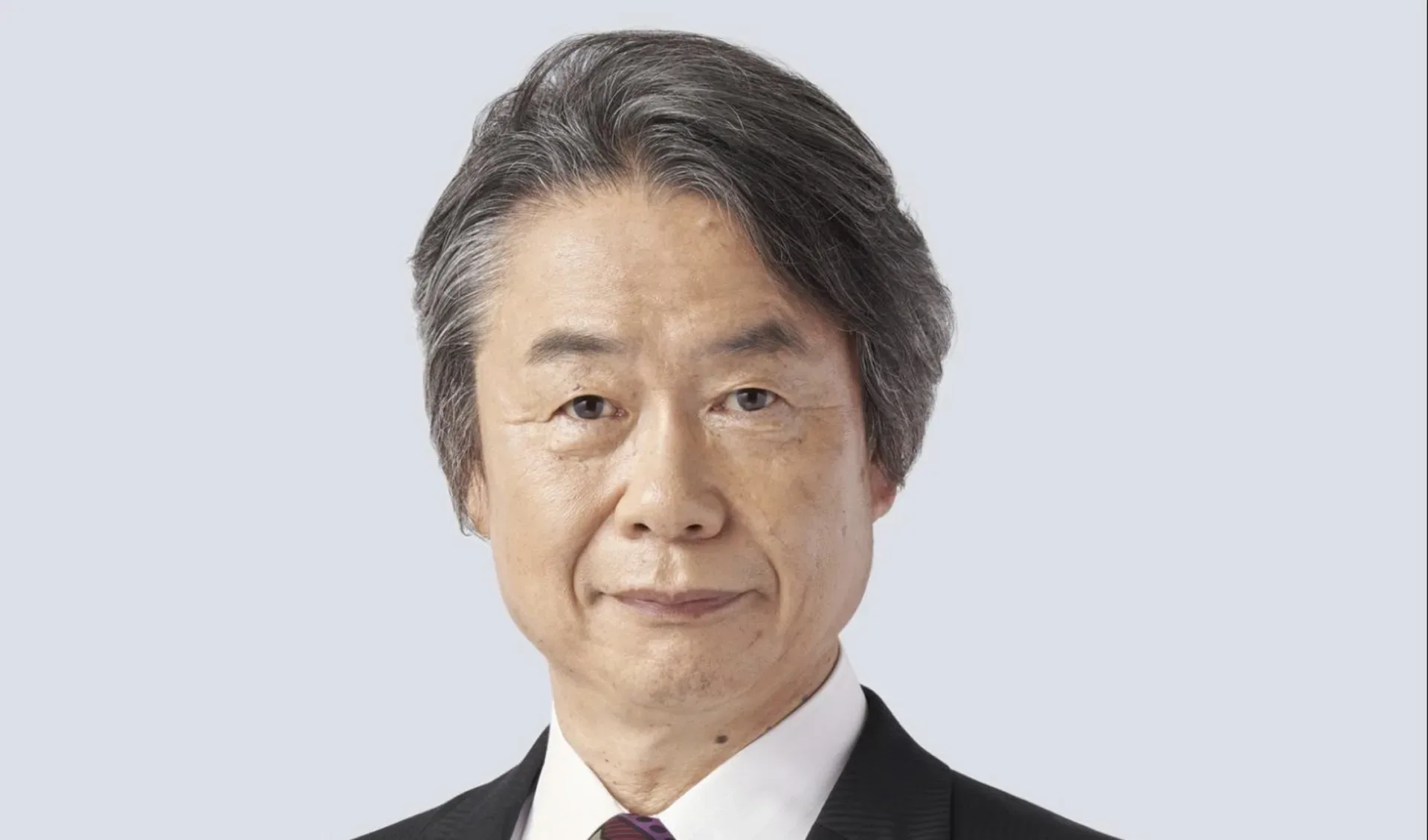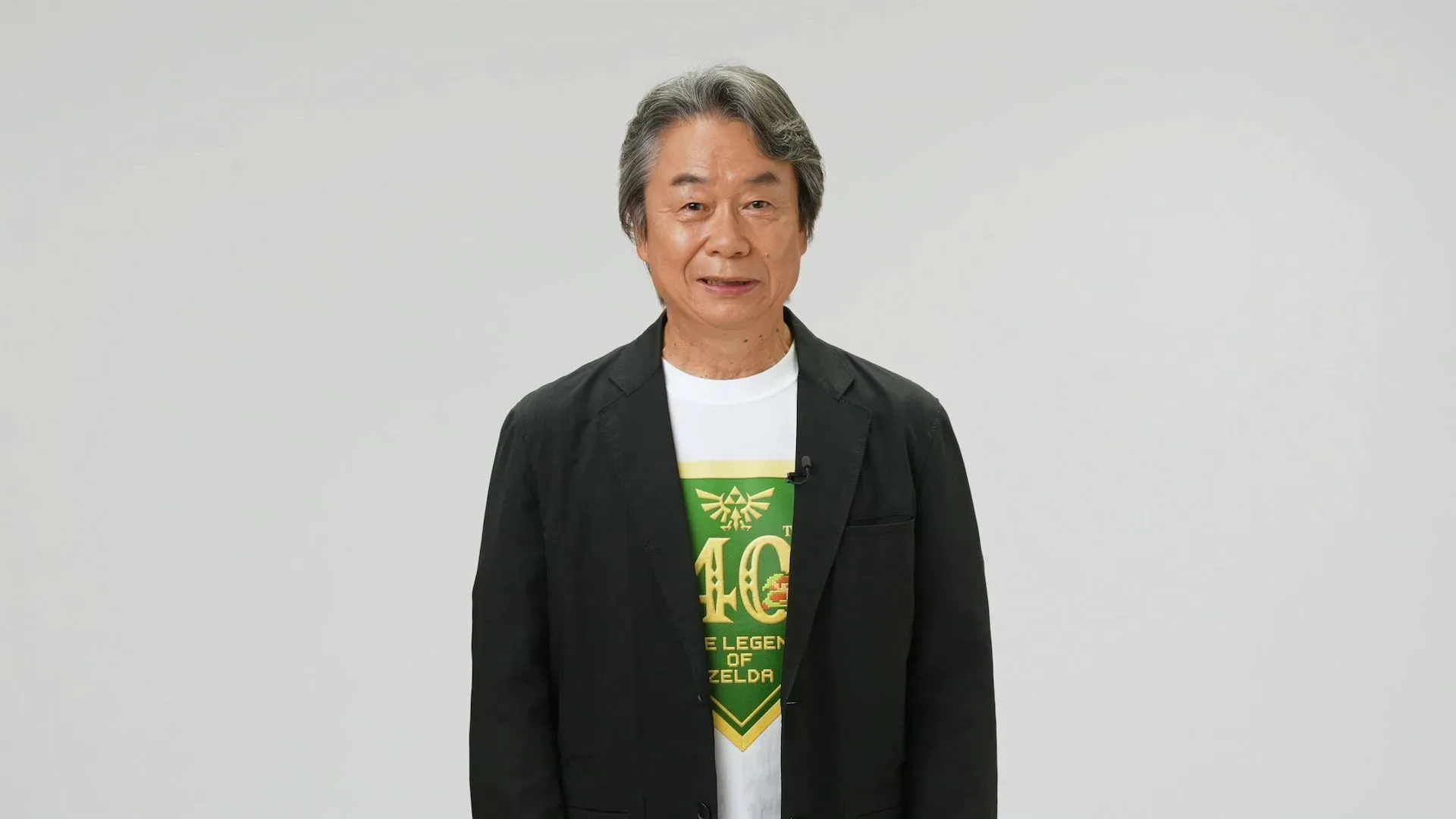
Shigeru Miyamoto will receive Japan’s Order of Culture on November 3, an honor that makes him the first video game developer chosen for the award. Miyamoto is Nintendo’s representative director and executive fellow, and his work is closely associated with Super Mario, The Legend of Zelda, and Donkey Kong.
The selection is a significant moment for games as a cultural medium. The Order of Culture is not an industry award and is not limited to entertainment: it recognizes substantial contributions to Japanese art, literature, science, and technology. Established in 1937, its recipients have included people working across fields such as fashion, manga, and biology. Miyamoto is one of eight people selected by the Japanese government this year.
Rather than frame the accolade as an individual victory, Miyamoto emphasized the collaborative nature of making games. In a statement, he said:
“I am truly honored to receive such a prestigious award. As I have often said, these achievements were not the work of one person, but the result of collaboration with many others. I accept this honor on their behalf.”
What the Order of Culture recognizes
The Order of Culture is among Japan’s most prestigious cultural honors. Its remit matters here. An award that covers art, literature, science, and technology does not evaluate a single release, platform, sales result, or a person’s current job title. It recognizes a broader record of contribution.
That makes Miyamoto’s selection meaningful in two related ways. First, it acknowledges the cultural reach of a career that has extended for 49 years at Nintendo. Second, it places video-game development within the same wider national conversation as other creative and intellectual disciplines represented among the honor’s past recipients.
Games have long been made through overlapping specialties: design, programming, art, audio, hardware, production, testing, localization, and many other forms of work. Miyamoto’s response directly points to that reality. Even when audiences attach a famous name to a franchise, the finished work comes from teams and from sustained collaboration across projects.
That distinction is important because a cultural honor can easily be read as a claim that one person made everything connected to a body of work. Miyamoto did not present it that way. His statement instead makes room for the many Nintendo colleagues involved over nearly five decades.
Related coverage includes Shigeru Miyamoto to Receive Japan's Order of Culture, a First for Game Developers.
A career spanning arcade games and current consoles
Miyamoto’s career links very different eras of Nintendo and the games business. The record stretches from arcade machines in the 1980s through successive generations of home and portable hardware, reaching today’s Switch 2 era. Across that period, Mario, Zelda, and Donkey Kong became some of Nintendo’s defining series and have continued to reach players around the world.
That continuity is part of why an award focused on culture, rather than simply technology or business, fits the occasion. These characters and series have endured across changing hardware and changing player expectations. They are not presented as relics of an earlier format; their influence has continued as Nintendo moves through new console generations.
It is also useful to separate three ideas that often get bundled together: a developer, a franchise, and a platform. Miyamoto’s recognition is for his career and cultural contribution. It is not an award for a specific console, a single game, or a forthcoming release. The practical effect is symbolic, but symbols carry weight: a government cultural selection formally recognizes game development as work capable of making a major contribution beyond its immediate audience.
For a related look at Miyamoto’s perspective on the future-facing side of game creation, see Miyamoto’s comments on how AI could refocus game development.
Why collaboration is central to the story
Miyamoto’s comment is more than conventional humility. It addresses a basic tension in the way video games are discussed. Fans and media often use individual creators as shorthand because names help organize a huge, complicated history. That shorthand can be useful, but it can obscure the many people who turn concepts into games that players can actually experience.
A franchise may have recognizable creative leadership, yet its long-term identity is built by recurring collaboration and the ability of different teams to carry ideas forward. That is especially true for series that continue across multiple decades, platforms, and technological transitions.
In this case, the honor lands on an individual while Miyamoto explicitly redirects attention to his collaborators. Both statements can be true at once: an individual can be worthy of recognition, and the work being honored can remain fundamentally collective. His acceptance frames the award in precisely those terms.
The timing: Culture Day and an ongoing Zelda legacy
The formal presentation is scheduled for November 3, Japan’s Culture Day. The date reinforces the nature of the recognition: this is a national cultural honor, not a Nintendo product event.
The award also arrives alongside continued attention on the series connected with Miyamoto’s work. The Legend of Zelda: Ocarina of Time, originally released in 1998, is set to receive a remake on November 5. Miyamoto served as producer and supervisor on the original game. Its return underlines how projects from earlier periods of Nintendo’s history can remain relevant to audiences and to the company’s present-day catalog.
That does not mean every new project should be treated as a direct measure of one person’s legacy. A remake is made by its own team and belongs to its own production context. But the planned release does provide a clear example of the durability of work associated with Miyamoto: a game from 1998 is being revisited decades later, while Nintendo’s established series continue to be enjoyed by millions of players worldwide.
What this first means for the medium
Miyamoto being the first game developer selected for the Order of Culture does not mean he is the first person in games to make culturally important work. It means this particular honor has now recognized a game developer for the first time. That is a narrower claim, but a consequential one.
Recognition from outside the games industry can change the terms of a conversation. It invites people to consider games not only as products, hardware showcases, or competitive businesses, but as creative work with a place in cultural life. The Order of Culture already spans art, literature, science, and technology, all categories that intersect with the many disciplines involved in game development.
The selection should not erase the collective labor Miyamoto highlighted, nor should it turn decades of Nintendo history into a story of one person alone. Instead, it provides a rare institutional acknowledgment of both a major career and the medium that career helped shape. On November 3, Miyamoto will accept the honor on behalf of the many people he says made those achievements possible.