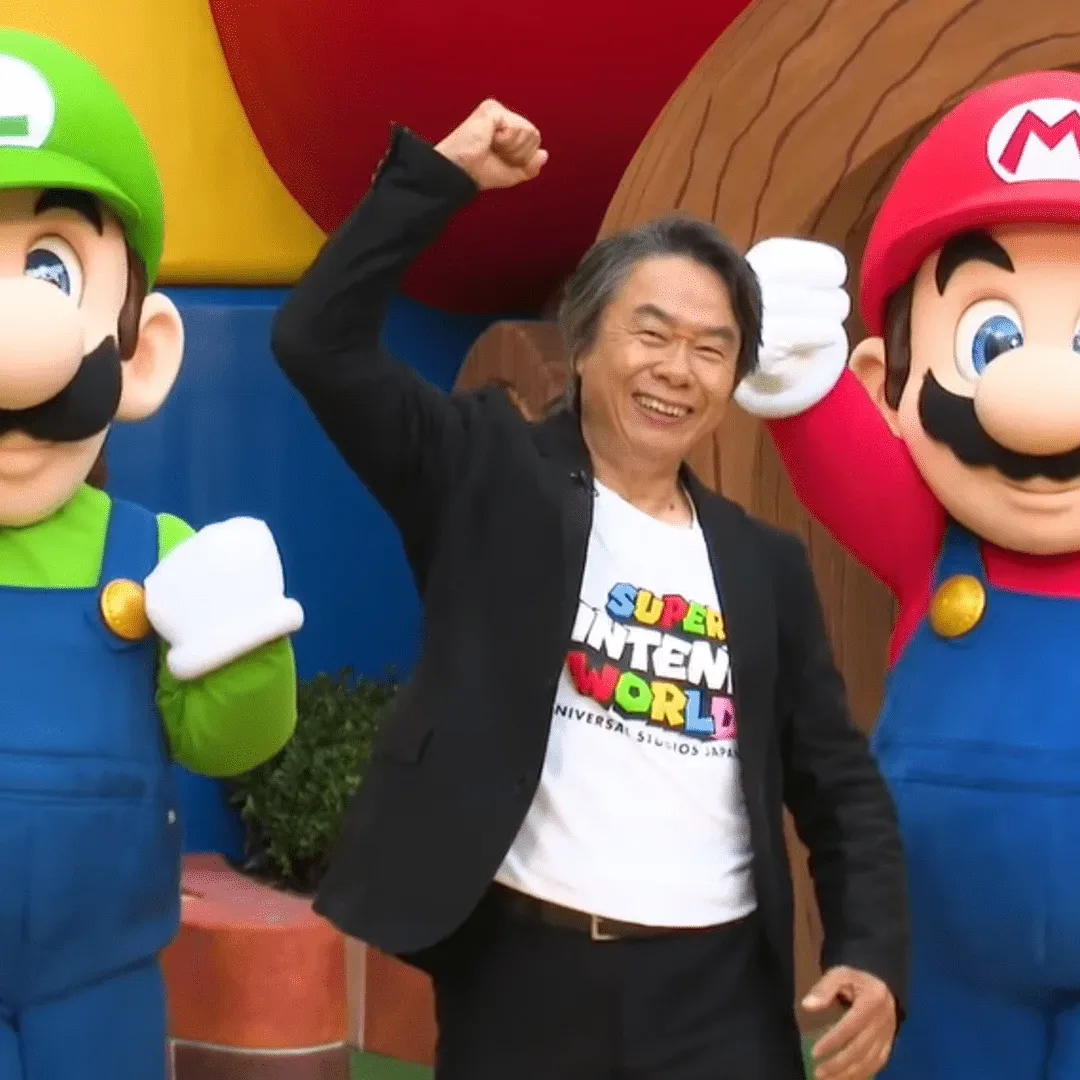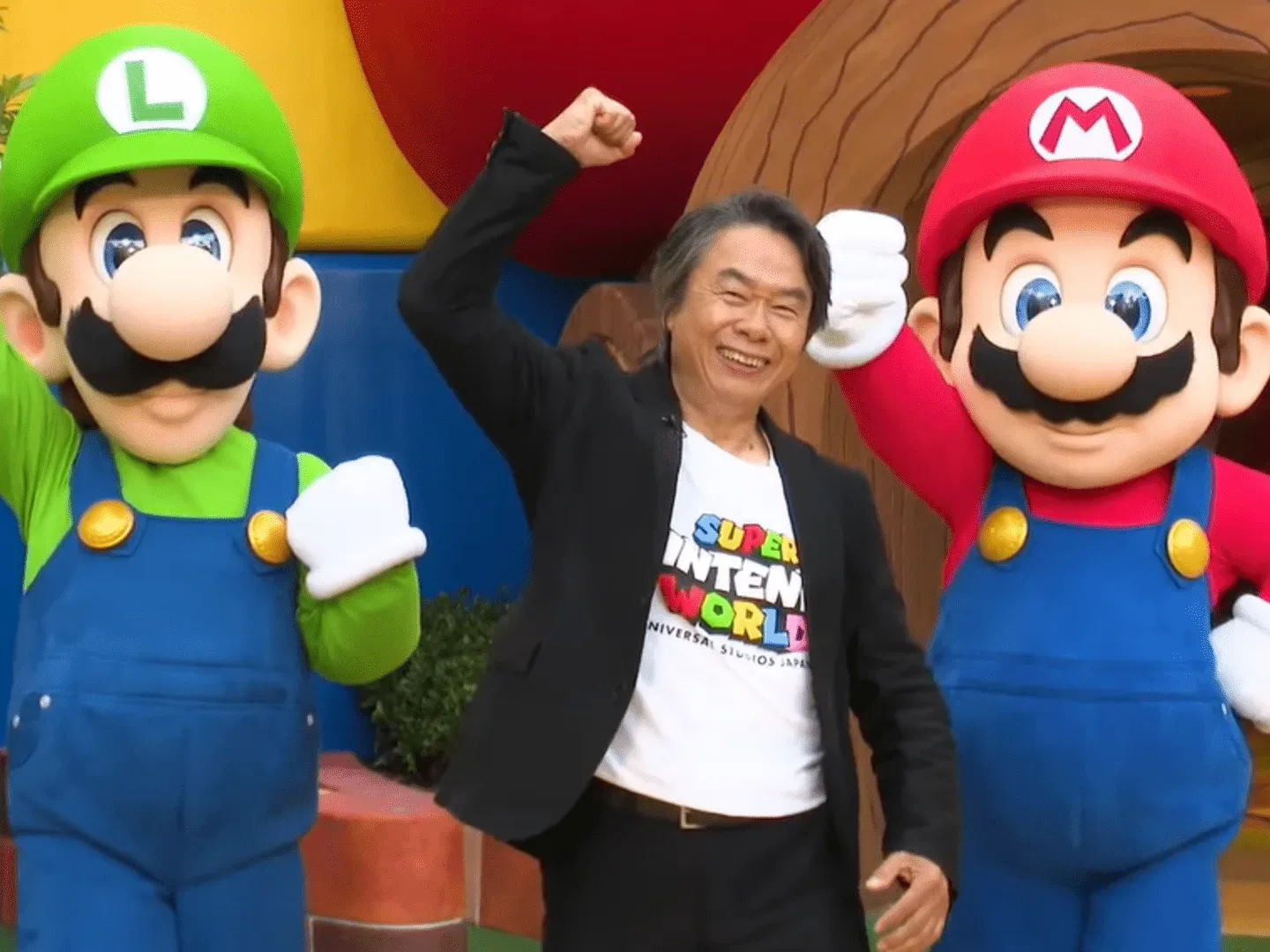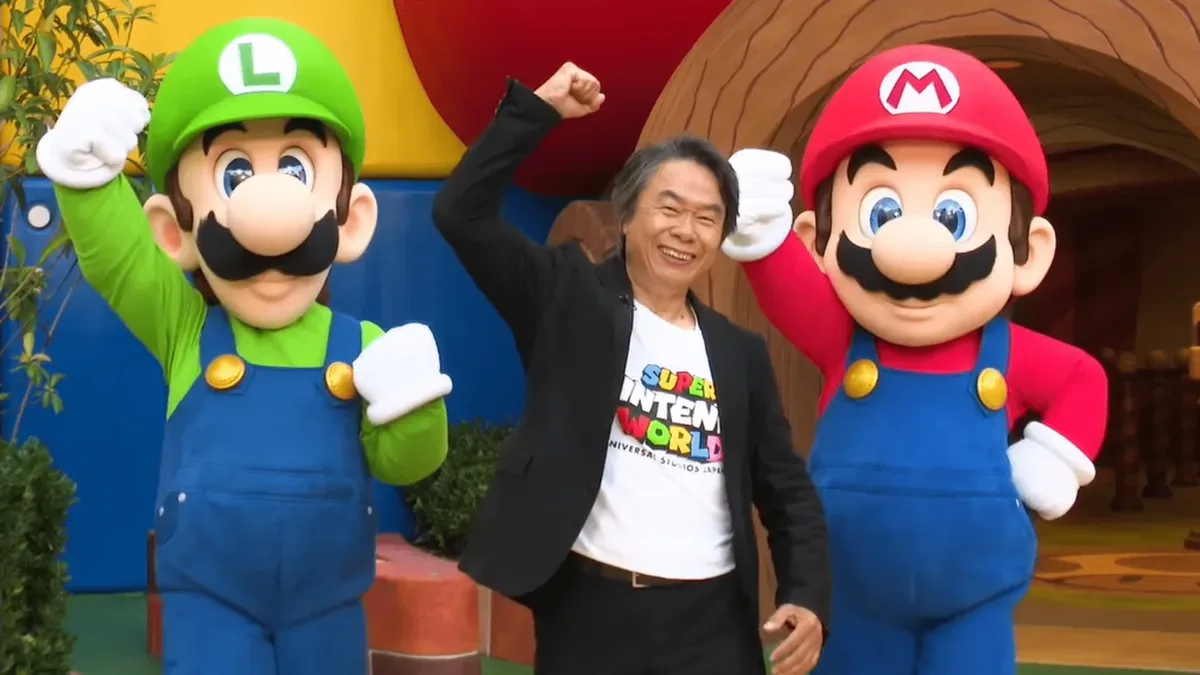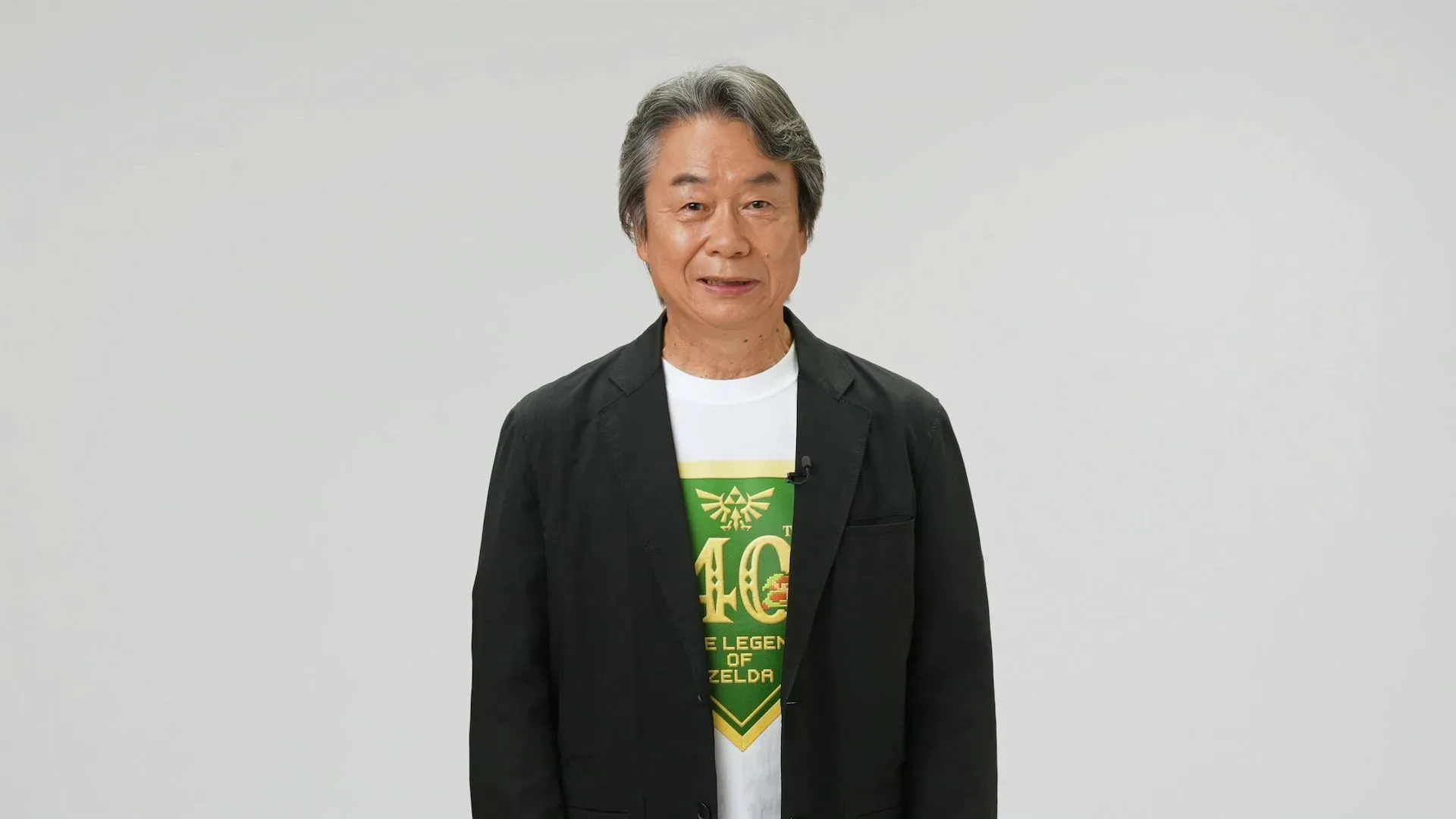
Shigeru Miyamoto says he has several projects in progress, but the remark should not be read as confirmation that he is designing a new Nintendo game. The veteran creator, whose work is closely associated with Super Mario, The Legend of Zelda, Donkey Kong, Pikmin and Nintendogs, has increasingly been visible in Nintendo’s work beyond game software: movies and the continuing expansion of Super Nintendo World.
The comments arrived in an interview conducted around Miyamoto receiving Japan’s Order of Culture. The award is conferred by the Japanese government, and Miyamoto is described as its first game-developer recipient. Its previous recipients have included figures from science, mathematics, acting and music, putting the honor in a much broader cultural context than the games business alone.
Asked whether the recognition represented the capstone of a 49-year career, Miyamoto did not frame it as an exit. He said he did not know how much longer he could continue working, while also expressing a desire to enjoy the time he has and follow the work he wants to pursue. He also confirmed that multiple projects are underway.
That is meaningful news about one of Nintendo’s best-known creative figures. It is not, however, a product announcement. No project names, platforms, formats, release windows, or game-development roles were supplied alongside the statement. For players hoping the comment points to a new Mario, Zelda, Pikmin, Donkey Kong or another series entry, the responsible reading is simply that nothing has been announced on that front.
Why “projects” is broader than “games” here
In ordinary entertainment-industry language, a project can mean a game, film, attraction, licensing initiative, production role, creative consultation or any number of related efforts. The word does not identify the medium by itself. That distinction matters especially in Miyamoto’s case, because his recent public-facing responsibilities have extended across Nintendo’s character businesses.
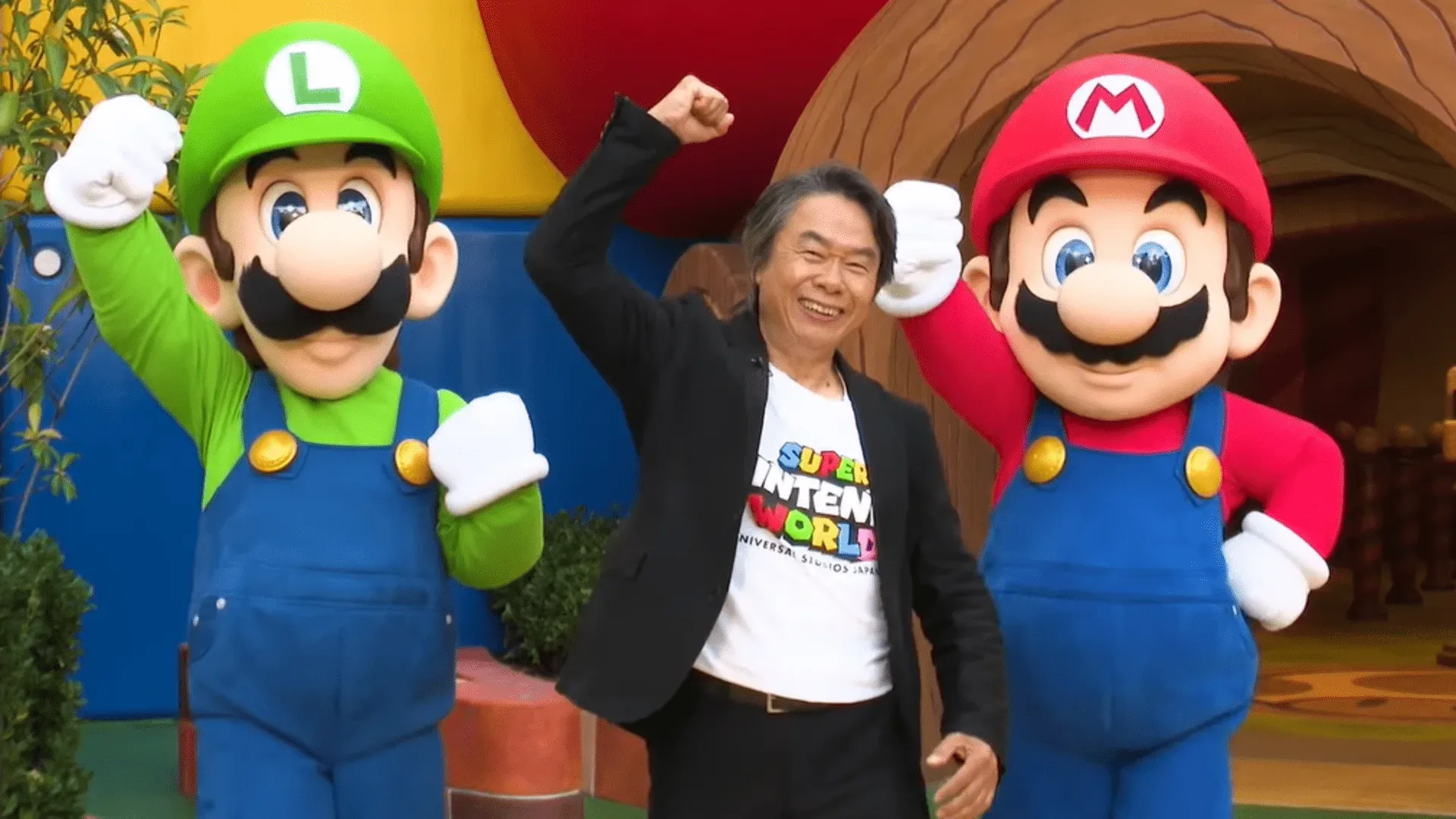
Miyamoto has been involved with the Super Nintendo World expansions at Universal Studios. A theme-park expansion is a substantial creative undertaking even though it is not a console release: it involves translating game worlds, recognizable characters and familiar interactive ideas into a physical destination. That makes it one plausible area for continuing involvement, based on the role he has already held.
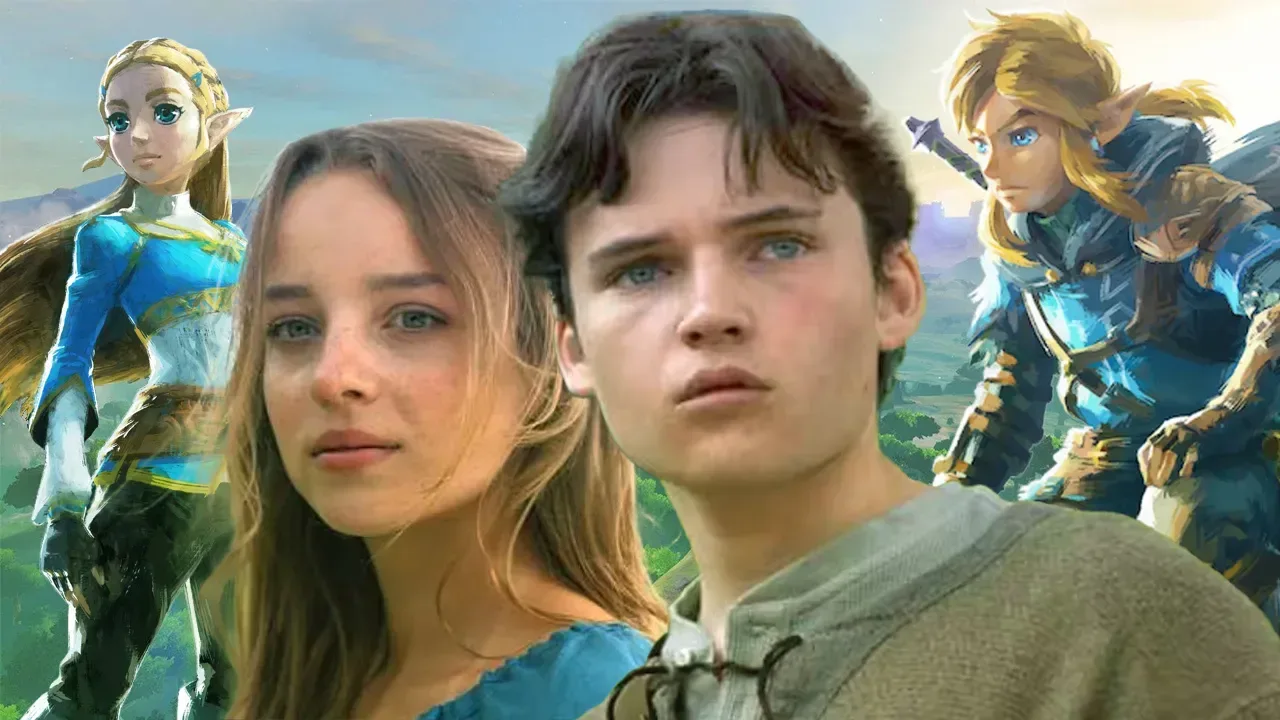
He has also served as a producer on the Super Mario Bros. films and on the upcoming The Legend of Zelda film. A producer credit can cover many responsibilities depending on a production, so it should not be used to assume specific day-to-day duties that have not been detailed. At the basic level, though, it establishes that Miyamoto’s recent Nintendo work includes helping bring major game properties into film.
That pattern makes multimedia work a more grounded possibility than treating the new comment as a hidden game reveal. It does not rule game work out. It only means the available evidence does not establish it.
What has been confirmed—and what has not
- Confirmed: Miyamoto said he has several projects in the works.
- Confirmed: He intends to keep working for as long as he can and to pursue work he enjoys.
- Confirmed: His recent responsibilities have included Super Nintendo World activity and producer roles connected to Mario and Zelda films.
- Not confirmed: That any of the projects is a new game.
- Not confirmed: A title, release date, platform, genre, or development team for any project.
- Not confirmed: That reported Donkey Kong, Luigi’s Mansion, or Star Fox film possibilities are among the projects he meant.
There have been claims and rumors tying additional Nintendo properties to potential film adaptations, including Donkey Kong, Luigi’s Mansion and Star Fox. Those reports are not the same thing as an announcement, and Miyamoto did not identify them in his comments. They therefore cannot be treated as evidence that any particular film is underway, much less that he is attached to it.
The significance of the Order of Culture
The award provides the clearest context for why Miyamoto was asked about retirement and legacy. His influence is often discussed through individual franchises, but the Order of Culture recognizes cultural contributions at a national level. For a game developer to receive it for the first time is a notable acknowledgment of games as a creative field with lasting cultural impact.
Miyamoto’s position in that history is unusually wide-ranging. Mario is one of gaming’s most recognizable characters, while The Legend of Zelda and Donkey Kong are foundational Nintendo series. Pikmin and Nintendogs show a different side of his body of work, associated with Nintendo’s willingness to pursue distinct kinds of play and audiences. The point is not that Miyamoto alone accounts for the accomplishments of vast development teams; it is that his name has remained central to several of Nintendo’s most enduring creative identities.
That long connection also explains why a short statement about “several projects” can create immediate speculation. Fans naturally associate Miyamoto with landmark games, so they may interpret any update as a signal that another game is coming. But Nintendo’s current reach is wider than its hardware and software catalog. Its characters now operate across theatrical film and destination entertainment as well, and Miyamoto’s visible work has reflected that expansion.
What this means for Nintendo fans
For now, the practical implication is patience rather than prediction. There is no new game to pre-order, no project schedule to follow, and no reason to infer a pending reveal from the comment alone. The most accurate takeaway is that Miyamoto remains active, with work spread across a company whose characters are being developed in multiple media.
That does leave room for interest in the ongoing Zelda film and in future Super Nintendo World developments, because both fit responsibilities Miyamoto has already publicly held. But even there, the statement does not add dates or specific details. It is evidence of continued involvement in creative work, not a roadmap.
The same restraint applies to discussions of artificial intelligence in game development. Miyamoto has previously described AI as an opportunity to reflect on what is truly important in making games, and called that a positive thing. That is a perspective on the creative conversation around AI, rather than confirmation of a particular Nintendo AI tool, production policy, or game feature. For a broader look at how game-industry claims and player data need careful framing, see this analysis of estimated Elden Ring player milestones.
Analysis: a creative role built for a larger Nintendo
The strongest interpretation of Miyamoto’s remarks is not that he has moved away from games, nor that he has secretly returned to full-time game direction. It is that his career now operates at the intersection of Nintendo’s major character properties and the formats in which they appear. Film production and theme-park development are natural fits for someone whose work has helped define the personalities, settings and simple visual language of Mario, Zelda and Donkey Kong for decades.
That role is especially valuable when a game property moves into another medium. An adaptation must be recognizable to longtime players while also functioning for people who have never held a controller. Likewise, a theme-park area must turn game-inspired ideas into spaces guests can walk through and interact with. Those are not identical challenges to making a game, but they rely on a clear understanding of what makes the underlying property work.
None of this reduces the possibility that a future project could involve games. Miyamoto’s comment is intentionally broad, and his career remains inseparable from game design. Still, the evidence currently available supports only a narrower conclusion: he has not retired, he remains motivated to create, and he is working on several unspecified projects. Any attempt to attach a specific Nintendo game or unannounced film to that sentence goes beyond what has been confirmed.
For a figure whose career has already spanned 49 years, that may be the more interesting update anyway. The Order of Culture honors what Miyamoto has already contributed, while his comments make clear that he does not regard it as a final curtain. Nintendo fans will have to wait for formal announcements to learn what comes next—and whether those projects arrive in a theater, a theme park, on a screen at home, or somewhere else entirely.