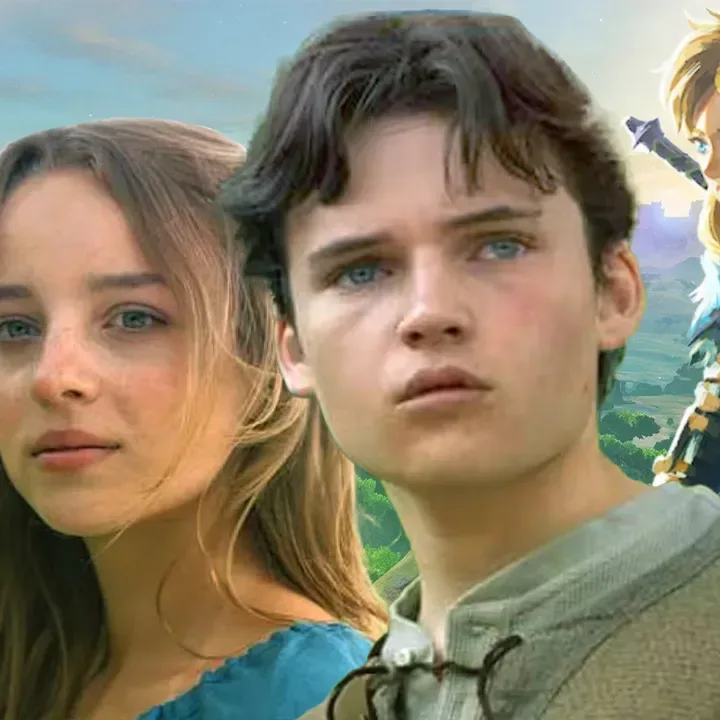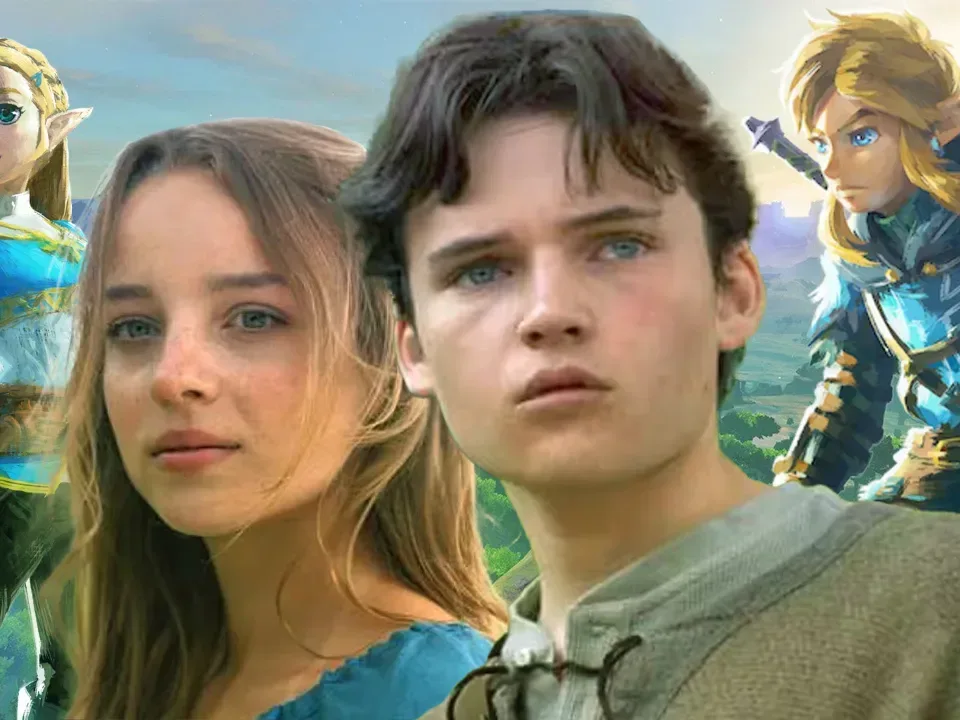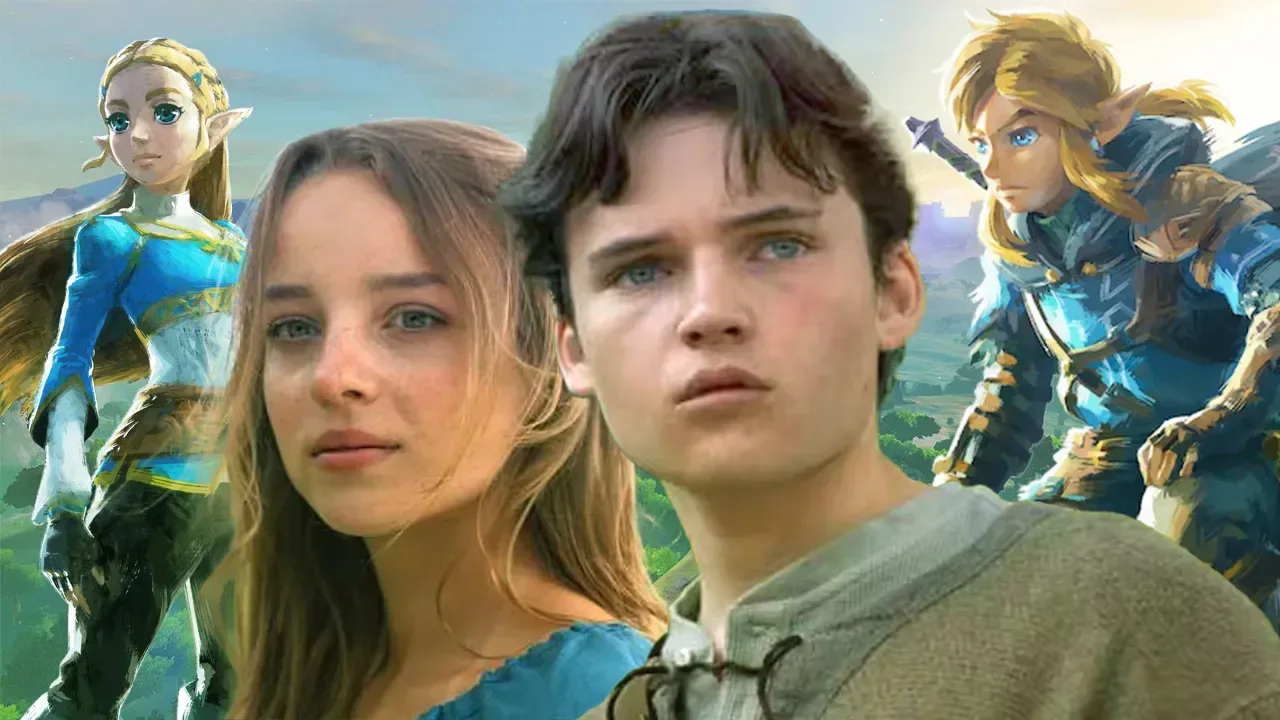
Nintendo has clarified two of the biggest questions surrounding its live-action The Legend of Zelda film: what it will be called and what kind of story it intends to tell. The answer to the first is wonderfully direct. The movie’s title is The Legend of Zelda.
The answer to the second carries much more room for speculation, though the central point is clear. The film is not being positioned as a scene-for-scene adaptation of any single Zelda game. Instead, it will tell an original story built from the stories and concepts established across the series so far. That approach potentially gives the production freedom to use the broad vocabulary of Hyrule without becoming obligated to reproduce one specific adventure’s plot beat by beat.
The film is currently scheduled for April 30, 2027. It was first announced in 2023, is directed by Wes Ball, and lists Shigeru Miyamoto and Avi Arad as co-producers. Filming took place in New Zealand last winter, lending the production a location already strongly associated in the public imagination with sweeping fantasy landscapes.
A title with a deliberate missing piece
Keeping the name at The Legend of Zelda may sound like the most obvious choice imaginable, but there is an intentional wrinkle: there is no subtitle, at least not yet. Miyamoto indicated that the reason for that absence will become clear when audiences see the movie.
That is not a detailed plot disclosure, and it should not be treated as one. Still, it establishes an intriguing possibility: the final significance of the title may be part of the film’s own storytelling. Zelda games have frequently used titles to foreground an object, a kingdom, an era, or a particular legend—whether that is an ocarina, a wind-guiding baton, twilight, a skyward sword, or a tearful kingdom. The movie’s bare title could be a way of leaving its central idea unrevealed for now.
For a franchise with a famously unusual relationship to continuity, that restraint makes sense. Zelda has recurring names, symbols, locations, and roles, but its individual games often reframe them across different periods and versions of Hyrule. A film that arrives under the franchise’s foundational name rather than the title of one specific installment has room to introduce its own interpretation of that mythic cycle.
What an original Zelda story means
The important distinction is between an original story and a story detached from Zelda. Nintendo’s description says the movie will be based on the series’ accumulated stories and concepts. In practical terms, that means the production can draw from the franchise’s established foundations while choosing a new arrangement of them.
Those foundations are extensive. Hyrule, the Triforce, heroic destiny, royal responsibility, ancient evil, lost civilizations, monsters, sacred relics, and journeys between dramatically different regions have all helped define Zelda over decades. Yet none of those ingredients requires the filmmakers to retell the exact chain of events from Ocarina of Time, Twilight Princess, Breath of the Wild, or another individual game.
Related coverage includes The Legend of Zelda Movie Will Tell an Original Story, Miyamoto Says.
That flexibility may be especially useful in a live-action format. Adapting one beloved game closely creates a very clear expectation, but it also means every deleted dungeon, changed costume detail, or rearranged character moment can become a comparison point. A new narrative avoids claiming to be the definitive live-action reproduction of one existing adventure. At the same time, it still faces the larger challenge of making its Hyrule, Link, Zelda, and supporting mythology recognizable as Zelda.
There is also a structural benefit. Many games can spend dozens of hours letting players explore, experiment, solve puzzles, and wander toward their next objective. A feature film operates at a different pace. Constructing a story specifically for cinema gives the filmmakers the ability to build a beginning, middle, and end around its own dramatic rhythm, rather than trying to compress an interactive game’s long journey into a checklist of famous locations.
A franchise large enough to support a fresh legend
The Zelda series is particularly suited to a story that is new without being unfamiliar. Its history contains multiple versions of Hyrule and numerous eras separated by legends, disasters, and vast stretches of time. Repetition is not a flaw in that framework; it is part of the design. A hero in green, a princess tied to Hyrule’s fate, and an encroaching darkness can return in new forms while carrying the same thematic weight.
That does not confirm precisely which elements will appear in the film, and Nintendo has not supplied those finer details. There remains no official indication of a particular game’s plot serving as the movie’s template, nor has a full character rundown been provided in the information available so far. Fans looking for confirmation of more eccentric favorites will have to keep waiting; Tingle, for one, has not been revealed.
The more restrained announcement may be frustrating for viewers eager to catalogue every costume, creature, and weapon, but it sets an expectation that the movie will be judged first as a distinct Zelda tale. Familiarity can come from themes and worldbuilding as much as it comes from recreating a specific scene.
Wes Ball, Miyamoto, Arad, and New Zealand’s Hyrule
Wes Ball is directing the project. His previous feature work includes the Maze Runner films and Kingdom of the Planet of the Apes, placing him in a lane of large-scale genre filmmaking that has required extensive world construction and effects-driven environments. The Zelda movie’s exact visual approach has not been detailed, but the choice of director indicates the production is being mounted as a major fantasy undertaking rather than a modest contemporary reinterpretation.
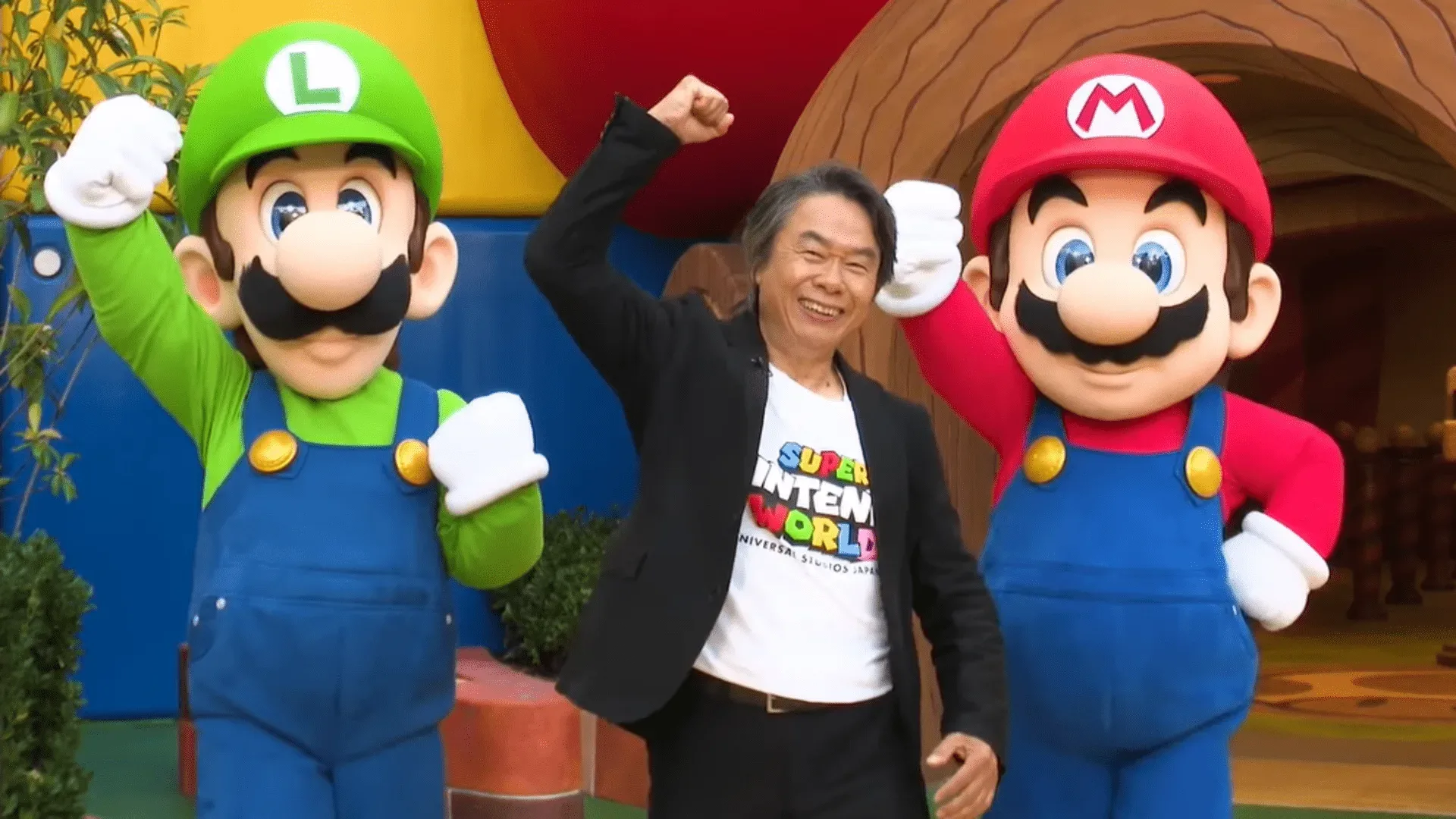
Miyamoto’s co-producer role provides a direct link to Nintendo’s creative leadership, while Avi Arad brings longstanding production experience in Marvel-related screen projects. These credits do not tell audiences what the final movie will feel like, of course, but they establish the team overseeing a property that has spent decades as one of Nintendo’s central pillars.
New Zealand is another meaningful part of the picture. Production was filmed there last winter. The country’s landscapes have long held a major place in modern fantasy filmmaking, and the setting will stand in for Hyrule. Zelda has portrayed its kingdom in many visual styles, from bright, compact storybook worlds to immense plains and ruined landscapes. Real locations could give this version a physical sense of scale, while the final balance between practical scenery and visual effects remains unknown.
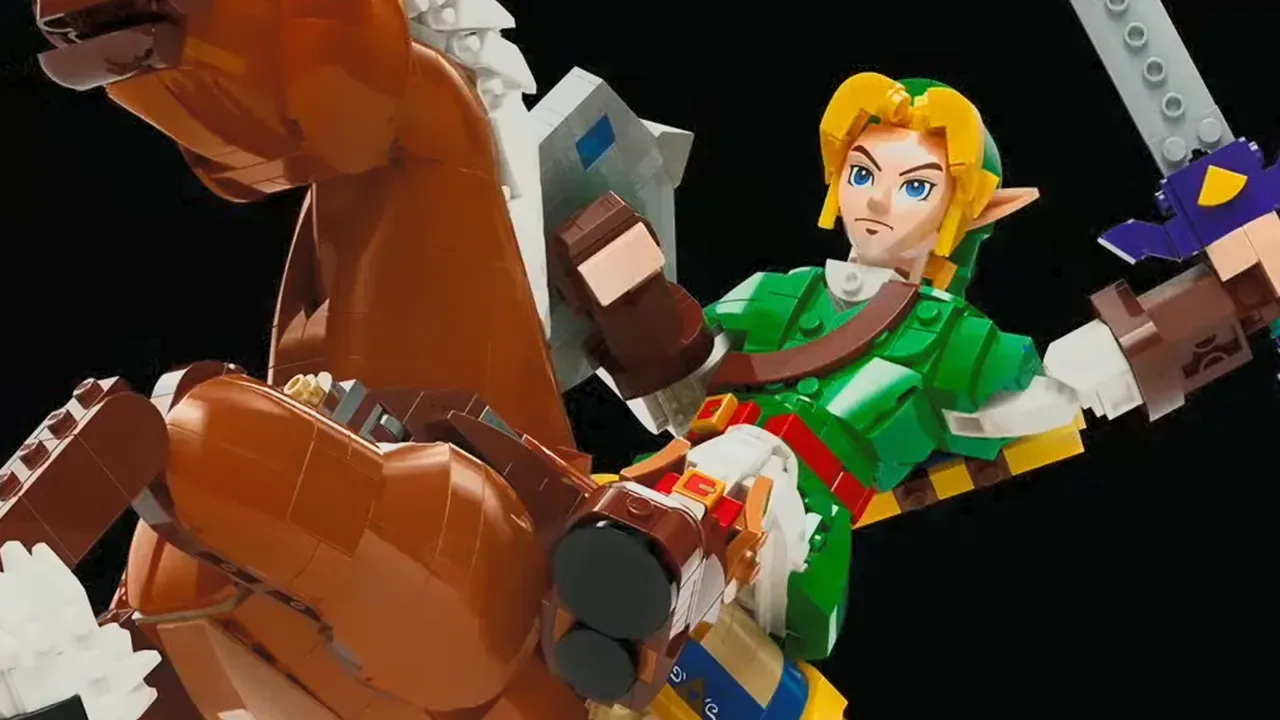
The timing also places the movie close to a major milestone for the series. The Legend of Zelda reaches its 40th anniversary in 2026, and Zelda activity is already extending into 2027. For example, a Link and Epona LEGO project is planned for spring 2027; the 1,750-piece set is tied to the franchise’s 40th-anniversary celebration. The film’s April 30, 2027 date therefore arrives during an extended period of attention on Nintendo’s fantasy series.
Why not adapt Ocarina of Time—or any other single game?
Ocarina of Time remains one of the most commonly discussed candidates whenever fans imagine a Zelda adaptation, and it is easy to understand why. Its coming-of-age structure, large cast, time-travel premise, and transformation of Hyrule offer ready-made cinematic moments. Nintendo’s current plans, however, mean audiences should not approach the film expecting that exact story.
The same applies to the more recent open-air journeys of Breath of the Wild and Tears of the Kingdom, or to the darker fairy-tale atmosphere of Majora’s Mask and Twilight Princess. Any of those games may be influential in spirit, but no particular title has been identified as the direct source. That leaves room for recognizable pieces of Zelda’s legacy to be combined in ways the games themselves have not used.
It also asks fans to separate adaptation from validation. A movie does not need to follow one game exactly to acknowledge what makes Zelda endure. The core appeal has often been the invitation to cross a mysterious landscape, uncover old secrets, and turn a seemingly small act of courage into a defense of an entire kingdom. If the film can build its new plot around that feeling, it can be faithful in a broader sense while remaining a new entry in the legend.
What remains unconfirmed before 2027
For now, the confirmed information is still limited. The title is The Legend of Zelda. Its narrative will be an original one inspired by the series’ existing stories and concepts. Wes Ball directs, Miyamoto and Avi Arad co-produce, New Zealand served as the filming location, and the scheduled release date is April 30, 2027.
Much else remains unknown, including specific plot details, how the film will explain its title’s lack of a subtitle, and which exact corners of Zelda history may inform its world. That uncertainty is now part of the project’s identity. Rather than announce a familiar game retold in live action, Nintendo is preparing a new Hyrule legend—one that will have to show, rather than merely claim, why it carries the series’ defining name.