Elden Ring’s audience appears to be doing far more than simply visiting the Lands Between. New estimates shared by Rhys Elliott, head of market analytics at Alinea Analytics, suggest that roughly 9.8 million people have spent more than 100 hours with FromSoftware’s action-RPG. The same analysis puts the number of players who have earned every achievement at almost 3.5 million.
Those figures, if understood as estimates rather than platform-holder disclosures, offer a striking picture of sustained engagement for a game released in 2022. Elliott’s wider estimate places Elden Ring at approximately 36.4 million copies sold across Steam, PlayStation 5, and Xbox Series X, with around $2 billion in total revenue.
The sales estimate is huge on its own. The playtime and achievement figures are more revealing, however, because they point to how much of the audience has stayed with a famously demanding and expansive game long after purchase. A game can sell extremely well on launch-week curiosity, cultural visibility, or a strong premise. Getting millions of people past 100 hours is a different kind of result: it suggests a large share of players found reasons to keep exploring, experimenting, overcoming setbacks, or starting anew.
What the estimates say about Elden Ring’s staying power
A total of 9.8 million players at more than 100 hours is substantial beside the estimated 36.4 million copies. Using those two analyst estimates together, it would represent roughly 27% of the estimated player base. That calculation should be treated cautiously, since the figures are not a platform-by-platform public accounting and may not use identical definitions of owners, players, and activity. Even so, the basic takeaway remains clear: this is not a small hardcore fringe.
One hundred hours is a meaningful threshold in any game, but especially in an action-RPG. It means time spent learning combat, revisiting difficult encounters, travelling through the world, improving a character, and potentially following optional paths. Elden Ring is built around an open-world structure, meaning players are not necessarily pushed down one fixed route at all times. That format can make it easier to step away from an obstacle, investigate somewhere else, gain strength, and return later with a new approach.
That flexibility matters when discussing engagement. A hard boss or dangerous region does not automatically end a playthrough when players have alternate directions available. It also makes playtime a less simplistic measure than “how long the main story takes.” A player may spend hours searching the map, testing weapons or character builds, helping other players, pursuing achievements, or repeatedly attempting a fight. The number does not say why each person stayed, but it does show that a great many did.
The longevity is particularly notable because the game’s reputation for challenge is part of its identity. Difficulty can be a barrier, but it can also make progression memorable. When an encounter requires observation, timing, persistence, or a change in strategy, success can give players a reason to continue rather than a reason to stop. That will not appeal to every player, and the estimates cannot show how many people bounced off early. They do suggest that Elden Ring has converted a very large number of buyers into long-term participants.
Nearly 3.5 million all-achievement players is a different milestone
The estimate of almost 3.5 million players with every achievement is arguably the more remarkable of the two. Achievements, often called trophies on PlayStation, are optional platform goals tied to particular in-game accomplishments. Earning every one typically asks players to engage beyond a straightforward first completion, whether that means finding key content, meeting specific conditions, or pursuing outcomes they might otherwise miss.
“Every achievement” should not be casually equated with every possible activity in a game. Achievement lists are designed lists of milestones, not necessarily exhaustive checklists of every item, encounter, or variation. Nor do achievement figures reveal a player’s exact route, time spent, or level of mastery. Still, completing an entire list generally calls for attention, patience, and repeat engagement. Almost 3.5 million people doing so would be an enormous dedicated audience by any ordinary measure.
Relative to the 36.4 million-copy estimate, that works out to just under 10%. Again, this is a rough comparison based on analyst figures rather than an official, unified tally. It should not be read as a definitive completion rate across all platforms. It is more useful as an indication of scale: even a minority can be vast when the overall audience is this large.
There is also an important distinction between a game being widely admired and a game prompting players to pursue every listed objective. The latter asks for a commitment that is often separate from simply liking a game. Some players finish a campaign and move on happily; others decide that the achievement list gives them a structure for revisiting unexplored goals. Elden Ring appears to have attracted an unusually large population in the second group.
Why the numbers need careful interpretation
The estimates come from an analyst, not from a single official statement covering all listed platforms. That does not make them unhelpful, but it does define what they can and cannot prove. The reported 36.4 million figure is described as an approximate total across Steam, PlayStation 5, and Xbox Series X. The supplied information does not provide the underlying methodology, individual platform splits, or a detailed explanation of how the revenue and engagement figures were calculated.
For that reason, the most responsible reading is not that each number is a final audited count. The figures instead provide an informed market-level snapshot of Elden Ring’s scale and depth of use. Rounding also matters: “around 9.8 million” and “almost 3.5 million” describe estimates, not precise public leaderboards.
Achievement comparisons are especially tricky across games. Different titles have different achievement requirements, platform ecosystems, release histories, and player behavior. One game may reserve achievements for a compact set of major goals, while another may include more obscure or demanding tasks. Comparing raw all-achievement populations without matching those variables can produce misleading conclusions.
Likewise, a 100-hour threshold does not tell us whether someone completed the game, completed it several times, spent time in optional systems, or simply left it running. It is best understood as a broad engagement marker. With millions of people above that line, though, minor differences in individual player behavior do not erase the overall significance.
An evergreen audience, not just an initial surge
Elliott characterized Elden Ring as an evergreen seller, a term for a product that continues finding buyers over a long period rather than depending entirely on its release window. The engagement estimates help explain that argument. A highly active player base can keep a game visible through conversation, recommendations, strategy discussion, achievements, and shared stories about difficult encounters or unexpected discoveries.
Public interest has also extended beyond the usual game audience. Post Malone and WWE champion Randy Orton have both spoken openly about playing Elden Ring, adding to the game’s broader cultural profile. Celebrity interest does not account for the whole commercial story, but it illustrates how the game has moved into wider public conversation.
There is more potential attention ahead as well. An Elden Ring movie is expected in 2028, which could introduce the setting to people who have not played the game or bring existing fans back to it. That possibility does not guarantee a particular sales result, but it gives the property another future moment of visibility.
For players, the practical implication is simple: Elden Ring remains surrounded by a very large community of people who have invested serious time in its systems and world. For publishers and developers, the estimated numbers underline the value of a game that can support long-term curiosity rather than merely a rapid first playthrough. Exploration-heavy design can create a lot of room for personal stories, but it also gives players reasons to revisit routes, objectives, and decisions they previously left behind.
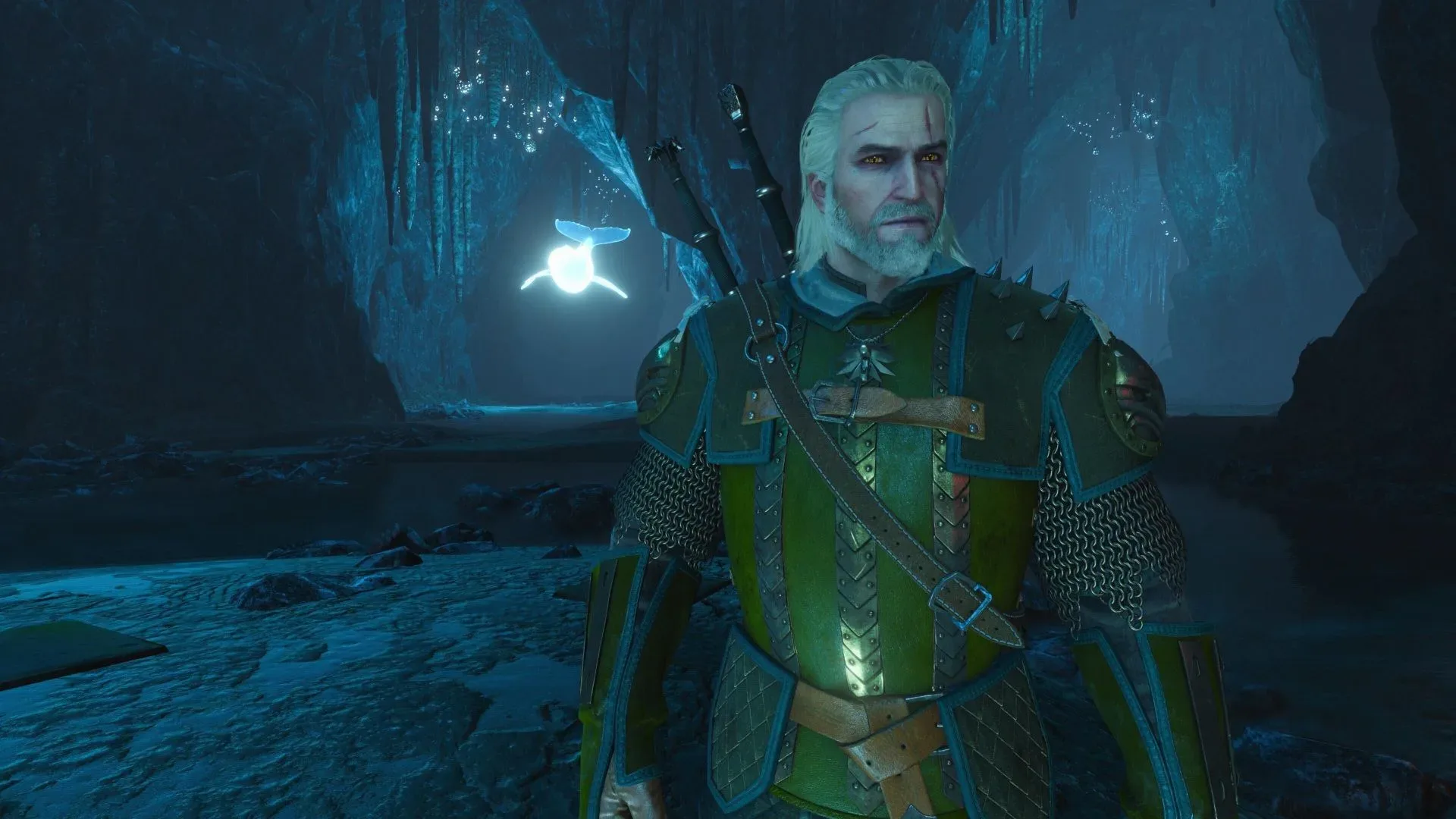
That relationship between open-ended exploration and player commitment is not unique to one game. For a different example of how game structure can shape what players see and when they see it, The Witcher 3’s Cave of Dreams highlights why quest order can matter in Skellige.
The main takeaway: a large game with an unusually large dedicated core
Elden Ring’s estimated sales and revenue establish it as a major commercial success. The new engagement estimates add another layer. Around 9.8 million players crossing 100 hours suggests a community that has spent an extraordinary amount of time with the game, while nearly 3.5 million all-achievement players points to a formidable completion-minded core.
Neither figure should be overstated as an official platform census, and neither alone explains every reason players return. But together they support a strong conclusion: years after release, Elden Ring is not merely a game many people bought. It is a game millions appear to have made considerable time for.