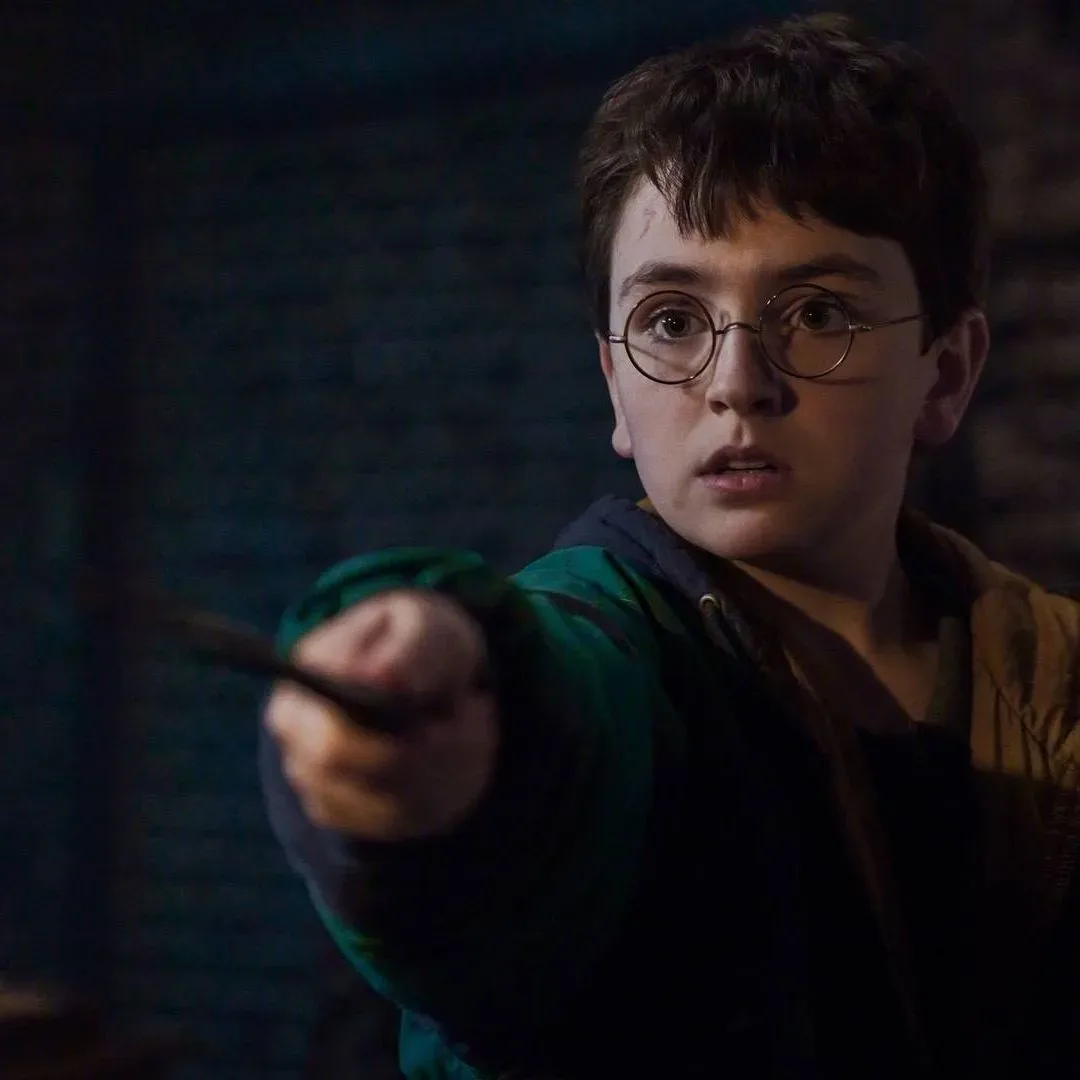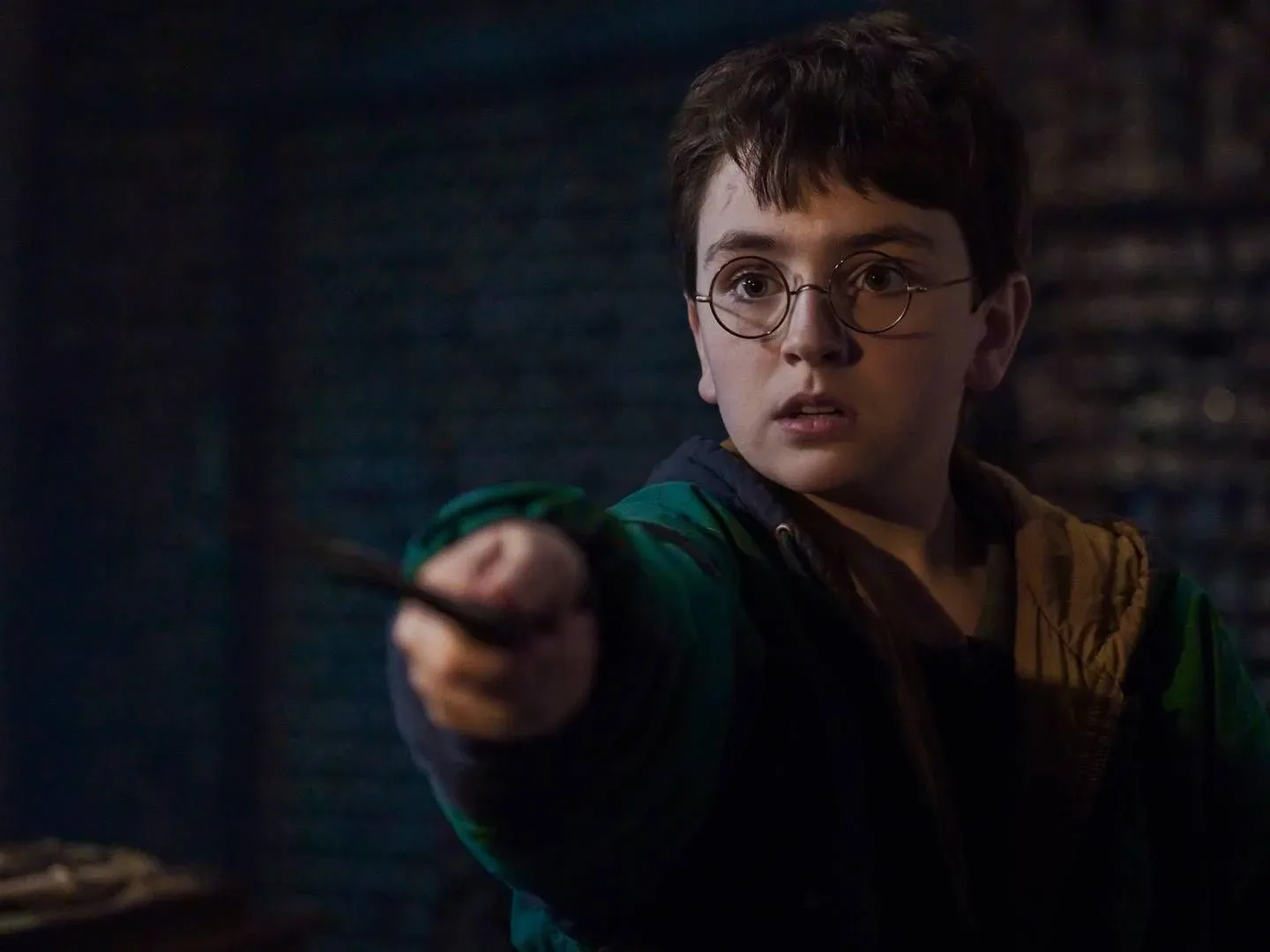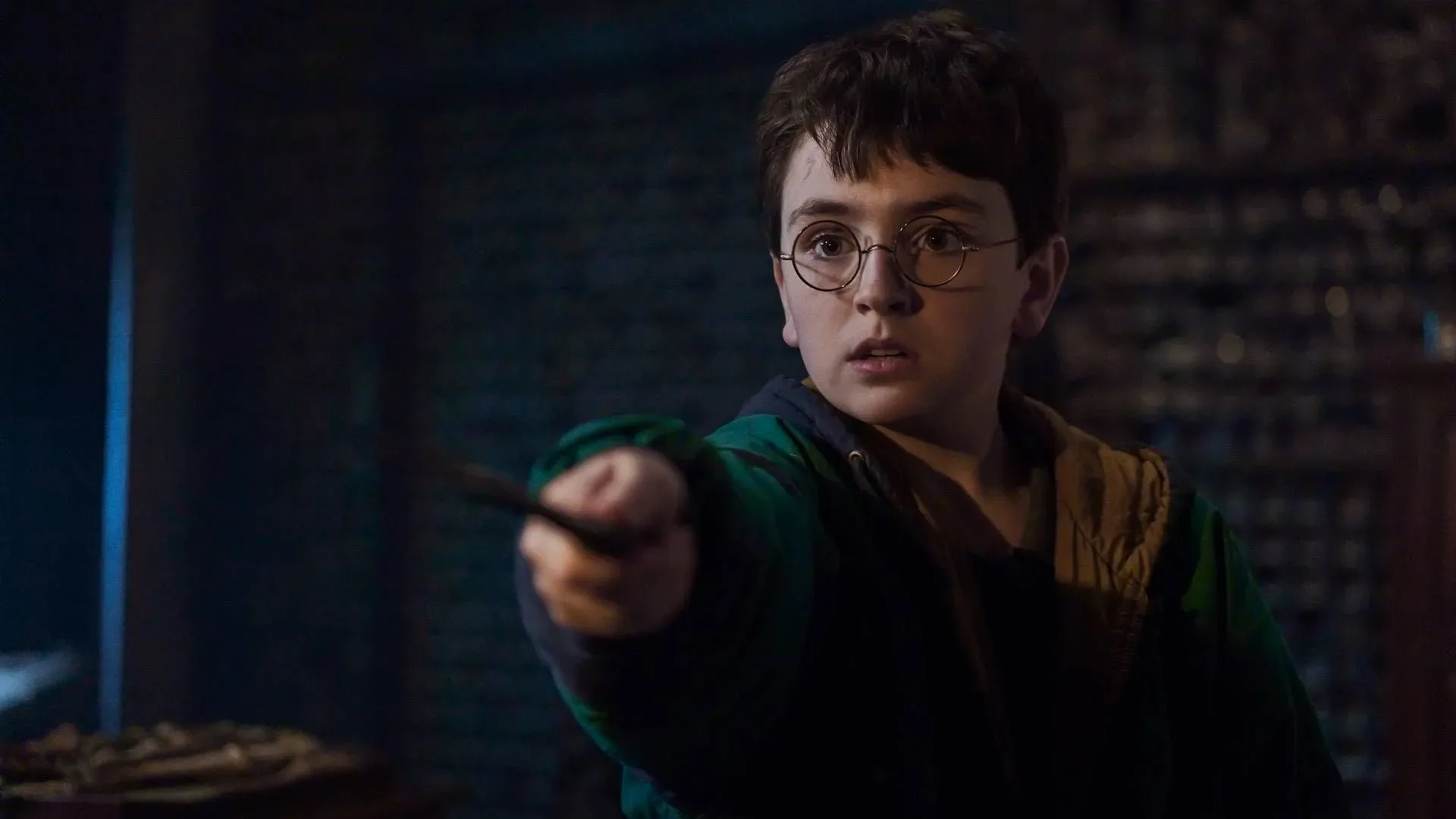
The first trailer for HBO’s Harry Potter television series has put a very recognizable train on the tracks. Its look at Harry Potter’s first trip to Hogwarts revisits some of the franchise’s most indelible milestones: the Hogwarts Express, the Sorting Hat, the Great Hall, Quidditch, a dangerous encounter in a bathroom, and the mystery surrounding the Philosopher’s Stone.
That is a lot of ground to cover in a trailer, but it is also exactly the ground the opening novel covers. The series’ first season is set to adapt Harry Potter and the Philosopher’s Stone, known in the United States as Harry Potter and the Sorcerer’s Stone. HBO has set the premiere for December 25, positioning the debut as a holiday-season return to a school of magic that has already been translated for the screen once before in enormous detail.
The immediate talking point is not merely that Hogwarts is back. It is that this version of Hogwarts appears deliberately close to the visual memory many viewers have of the original films. The trailer’s sets and costumes evoke that established cinematic language, making the new production feel less like a total aesthetic reset and more like another guided tour through a place audiences think they already know by heart.
The trailer starts at the beginning
The footage follows Harry, Ron, and Hermione as they make their way toward their first year at Hogwarts. Their presence on the Hogwarts Express gives the preview a familiar opening rhythm: the journey away from ordinary life, the arrival at the castle, and the looming prospect of being placed into one of the school’s houses.
Harry’s Sorting Hat moment is among the trailer’s clearest callbacks. He quietly urges the Hat not to place him in Slytherin, a crucial early piece of the character’s anxiety about belonging and identity. It is a small line, but it immediately recalls the story’s foundational conflict: Harry enters Hogwarts knowing very little about its traditions while simultaneously discovering that other people have already attached extraordinary meaning to his name.
Other glimpses point toward the first book’s major set pieces. Quidditch appears in the footage, as does the Great Hall and one of Hogwarts’ feasts. There is also a tease of the bathroom confrontation with the ogre, plus the Philosopher’s Stone itself. For longtime readers and movie viewers, these are not cryptic signals requiring a detective board and a red string budget. They are direct reminders of the first year’s biggest stops.
That approach gives the preview a distinctly comforting quality. A new cast and a new episodic format mean the show has a different framework from the feature films, but the trailer is not hiding the fact that it is returning to a well-worn route. It wants viewers to recognize the platform, hear the whistle, and understand which train they have boarded.
A familiar design raises a big adaptation question
Adaptations of beloved material often face an awkward choice. They can depart sharply from previous versions and risk alienating people who cherished them, or they can embrace familiar iconography and invite questions about why the story is being retold at all. This trailer lands much closer to the second option.
The resemblance in set and costume design matters because the original film series created a powerful shared image of the wizarding world. Even for people who encountered the books first, the films helped standardize how many audiences picture Hogwarts, house robes, school feasts, and the broader atmosphere of Harry’s early adventures. The new series is stepping into that visual shadow rather than pretending it is not there.
Familiarity does not automatically mean duplication. Television has different structural possibilities than a feature-film series, particularly when a season is dedicated to one book. The first season can potentially spend more time moving among the smaller beats that build Harry’s school year: his growing friendship with Ron and Hermione, the routines of lessons and meals, the peculiar social logic of Hogwarts houses, and the clues that lead toward the Stone.
Still, the trailer itself is making its first impression through recognition. It presents the moments viewers expect to see, in an environment that looks notably close to the screen version already lodged in popular culture. That is likely to make comparisons unavoidable, especially whenever the series reaches scenes previously associated with especially memorable film performances or production design.
For collectors and media-history-minded fans, that visual continuity also underlines a practical distinction: a new series may revive the imagery of a franchise, but it does not turn earlier editions into the same thing. Screen-used props, licensed memorabilia, home-video releases, and other artifacts remain connected to the particular productions that created them. Anyone navigating terms like scarcity or retirement in adjacent collecting worlds can find a useful reminder in this explanation of what “vaulted” means for Funko figures: labels need context, and a familiar character alone does not tell the whole story.
One book per season, with a longer-than-seven-year plan
The series is beginning with the first novel, but the production is already looking ahead. Season 2 is filming and will adapt Harry Potter and the Chamber of Secrets, the second book. That is a substantial indication that the project is being organized as a long-term adaptation rather than waiting for the first season to complete before preparing its next chapter.
Viewers should not read “already filming” as a promise of a rapid follow-up, however. HBO’s Casey Bloys has previously explained that large, world-building productions such as Harry Potter, House of the Dragon, and The Last of Us are difficult to deliver annually from a production standpoint. An annual rhythm might be desirable, but it is not considered feasible for shows operating at that scale.
That point is especially important for a story centered on school years. The original seven-book series has a built-in progression through Harry’s time at Hogwarts, and the stated plan is for a season per book while taking the overall adaptation through roughly 10 years. The arithmetic may look unusual at first glance—there are seven main books, not 10—but the reported timespan reflects the reality that major television productions can require extended development, filming, post-production, and release gaps.
In other words, the journey from the first Sorting to the final chapters is intended to be long. The trailer may concentrate on the franchise’s earliest, most immediately recognizable images, yet the project’s broader shape is one of patient serialization. Season 2’s active production does not erase the likelihood of waits between installments.
Why the first-year material still carries so much weight
Philosopher’s Stone is often remembered as the entry point, but its individual components have done a remarkable amount of cultural heavy lifting. The Hogwarts Express is more than transportation; it marks a transition into a separate world. The Sorting Hat is more than a comic magical object; it transforms personality, loyalty, and social identity into a public ritual. The Great Hall establishes the school’s scale, while Quidditch instantly gives the wizarding world a sport with rules, rivalries, and spectacle.
The early mystery around the Stone also demonstrates why the first book adapts so readily to a seasonal television shape. It is a school story, a friendship story, and a lightly disguised puzzle at once. Each strange encounter or restricted piece of information can point toward the larger secret, while the ordinary business of attending classes and navigating an unfamiliar castle provides the texture around it.
The bathroom ogre sequence is an equally important piece of the first-year puzzle. It is not only a threat scene. It is a turning point for Harry, Ron, and Hermione, putting their emerging friendship under pressure and helping define the trio as a group. A trailer can use it as a burst of peril; within the season, its dramatic value will depend on the relationship-building that comes before it.
This is where the television format has its clearest opportunity. The famous plot landmarks are all present, and the trailer makes no attempt to disguise them. The more revealing question is how much room the episodes give to the connective tissue between those landmarks—the jokes, classroom dynamics, small discoveries, and gradual shifts in friendship that make Hogwarts feel like a lived-in school rather than a checklist of magical attractions.
December 25 is the date to watch
HBO’s new Harry Potter series arrives on December 25, beginning with the story of Harry’s first year and the Philosopher’s Stone. The trailer indicates a production willing to lean into the most familiar visual and narrative signatures of the property, from the train ride to the Sorting Hat’s decision.
Whether that familiar presentation proves to be a strength, a constraint, or a bit of both will become clearer once the season has room to unfold beyond its preview’s greatest hits. For now, the message is straightforward: Hogwarts is reopening, the first-year itinerary is intact, and the long road toward a seven-book adaptation is already in motion.
While the calendar fills with high-profile serialized worlds, it is worth remembering that television’s most memorable moments often come from the time spent sharing a space with characters, not only the major plot reveals. That principle also happens to be the heart of the unwritten rules of couch multiplayer, where the experience around the event can matter as much as the event itself. Hogwarts has always been built for that kind of communal recognition—even when everyone in the room is insisting they definitely would not have been sorted into Slytherin.