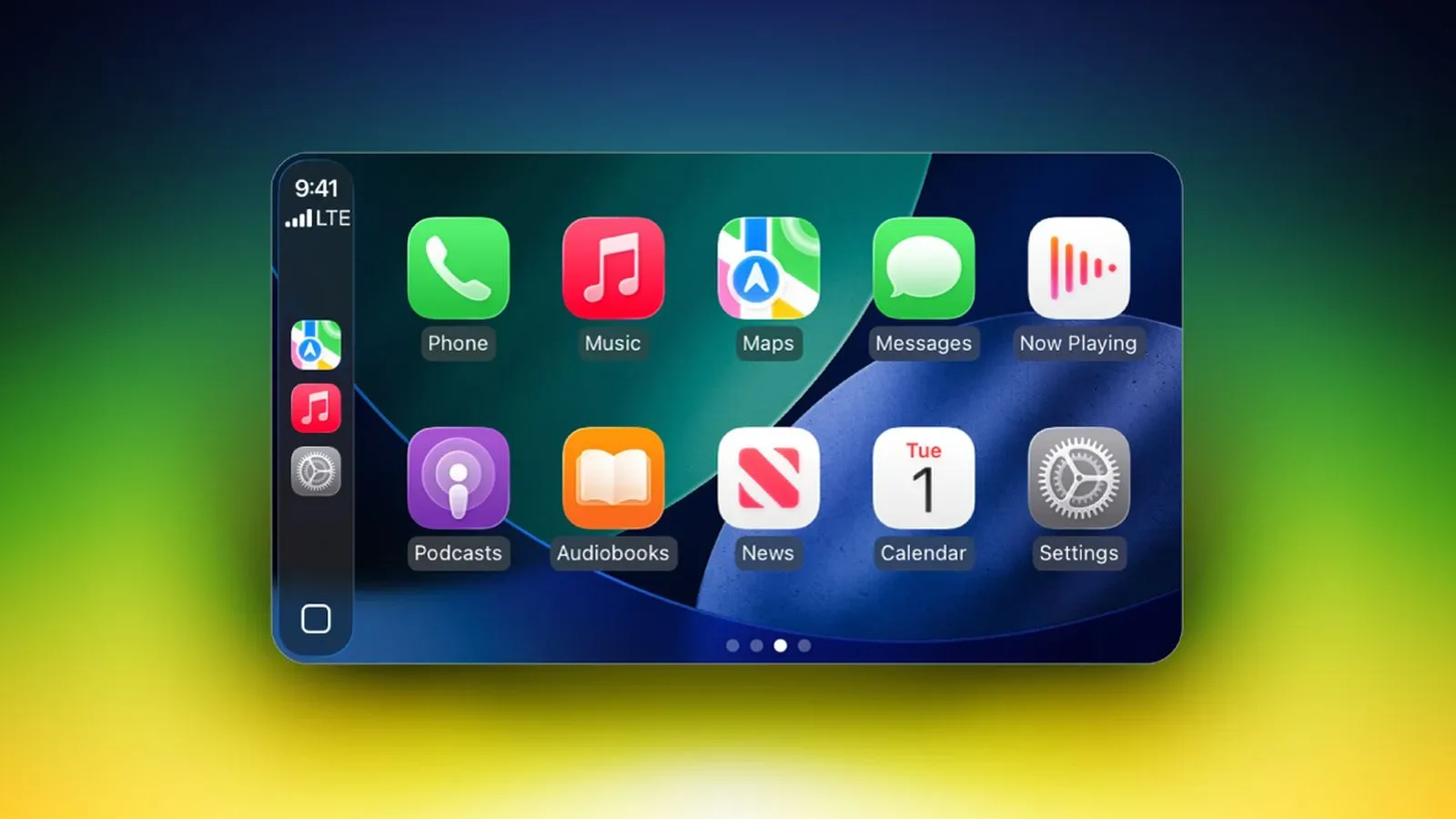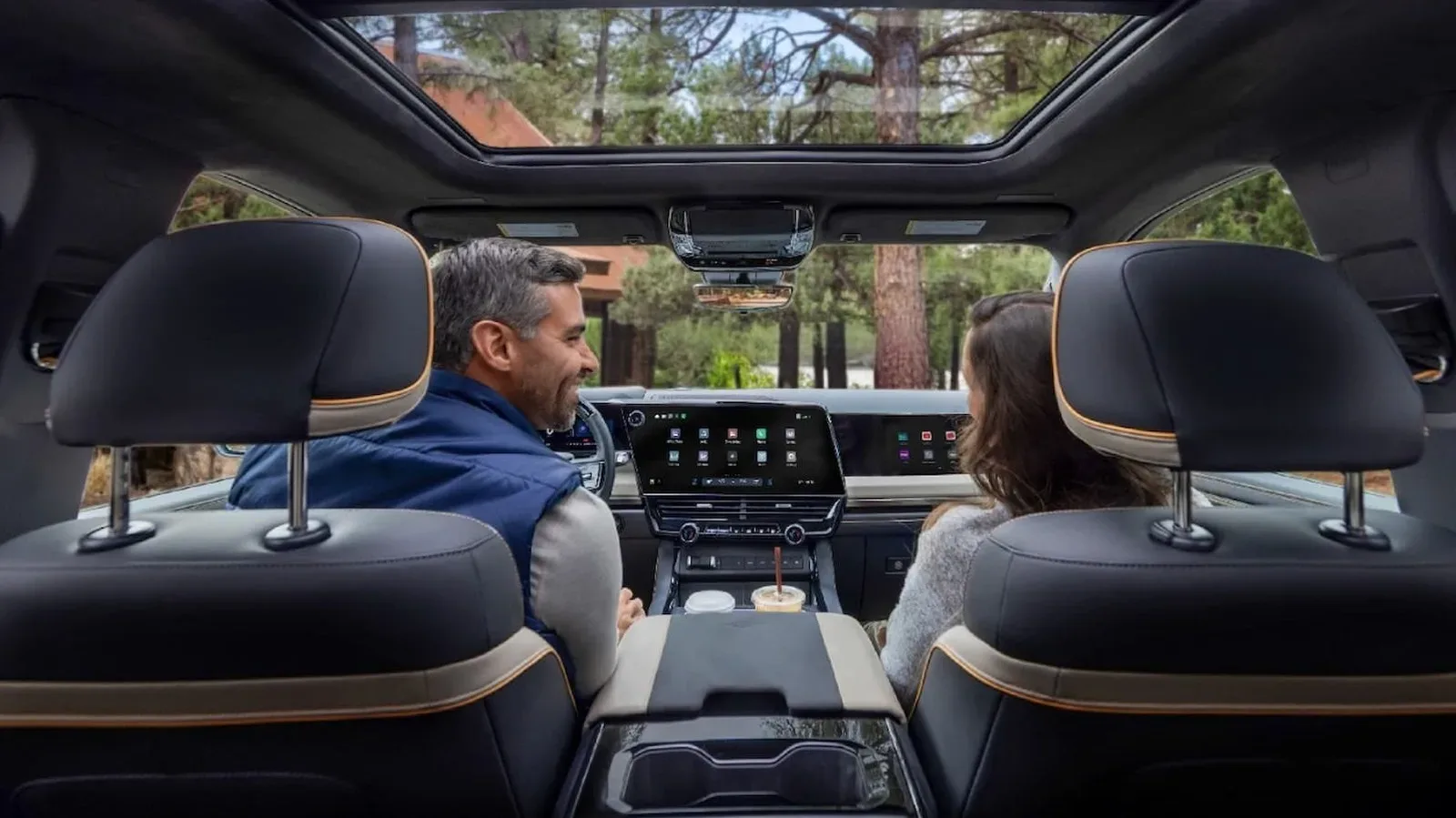
General Motors has clarified that reports of a retreat from its plan to remove Apple CarPlay and Android Auto from future electric vehicles were premature. The immediate source of confusion is real: new software in 2027 Chevrolet Silverado and GMC Sierra pickups can show CarPlay or Android Auto alongside GM’s own native system. But that arrangement applies specifically to the gas-powered versions of those trucks.
In other words, this is not GM quietly putting phone mirroring back into its EV roadmap. It is the company continuing two different policies at once: gas-powered vehicles retain CarPlay and Android Auto for the “foreseeable future,” while future GM EVs are still expected to go without them.
That distinction may sound like a trim-level footnote, but it matters enormously to shoppers. The same model-family names can now imply dramatically different infotainment expectations depending on what powers the vehicle. A buyer who hears that a 2027 Silverado or Sierra supports their preferred phone interface needs to establish whether they are looking at the gas model rather than assuming the support follows across an electric counterpart.
The truck interface is not an EV policy reversal
GM’s new 2027 pickup software is being described as an interface that places CarPlay or Android Auto alongside the automaker’s native system. That is a notable arrangement in the gas-powered Chevrolet Silverado and GMC Sierra, but its meaning has been overstated in some early readings. GM has already said that new gas-powered vehicles would continue offering both systems for the foreseeable future. Their presence in the trucks is consistent with that stated position, not evidence of a new decision.
The important dividing line is propulsion. GM’s clarification makes the gas-versus-EV split explicit:
- 2027 gas-powered Chevrolet Silverado and GMC Sierra: CarPlay and Android Auto remain supported, with the new interface displaying them beside GM’s native software.
- Future GM EVs overall: GM continues to maintain that CarPlay will not be offered.
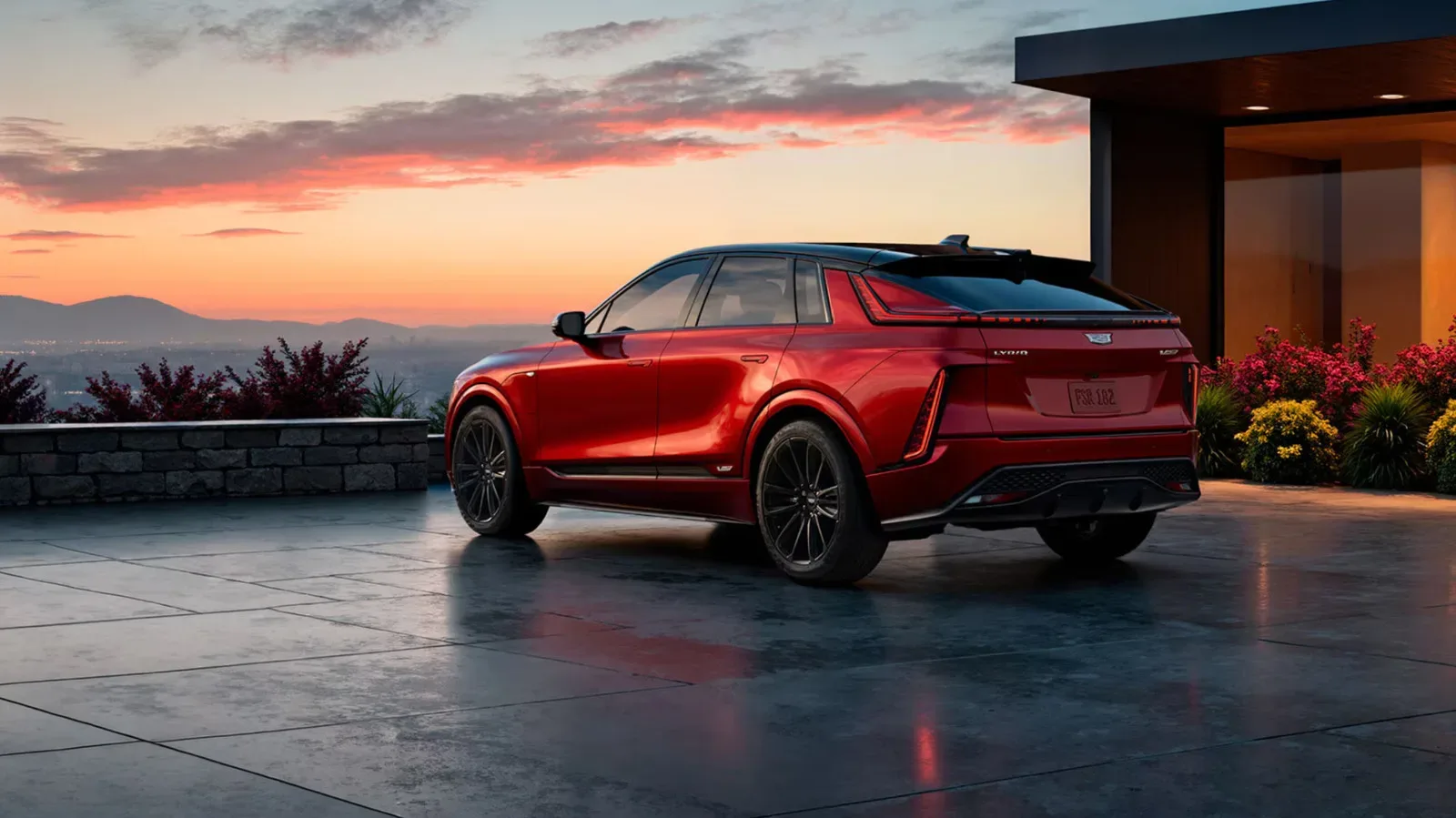
- 2027 Cadillac LYRIQ: The all-electric model still supports CarPlay and Android Auto, though its long-term status has not been made clear.
This is less a U-turn than a reminder that broad corporate plans and individual vehicles can coexist awkwardly. GM’s policy has a visible exception, or perhaps a temporary holdover, in the LYRIQ. It also has a clear continuation of the old approach in gasoline vehicles. Neither point, on the available information, establishes that the company has reversed its EV direction.
The LYRIQ remains the awkward detail
The 2027 Cadillac LYRIQ is the piece that prevents this story from becoming a perfectly clean line on a product chart. It is electric, and it still has CarPlay and Android Auto. Yet it is not known whether GM intends the LYRIQ to remain a lasting exception or whether it will be among the final GM EVs to retain phone-mirroring support.
That uncertainty is worth preserving rather than smoothing over. It would be easy to treat the LYRIQ as proof that GM’s policy has already collapsed, but the available details do not support that conclusion. It would be just as speculative to declare its support definitely temporary. What is clear is narrower: the LYRIQ continues to support the platforms for 2027, while GM’s overall stated commitment remains to omit CarPlay from future EVs.
For consumers, this means model-specific confirmation is more useful than brand-level shorthand. “GM has CarPlay” and “GM has abandoned CarPlay” can both be misleading depending on the vehicle, its powertrain, and where it sits in the company’s transition. The answer currently appears to be neither universal availability nor an immediate, total disappearance.
What phone mirroring means in this debate
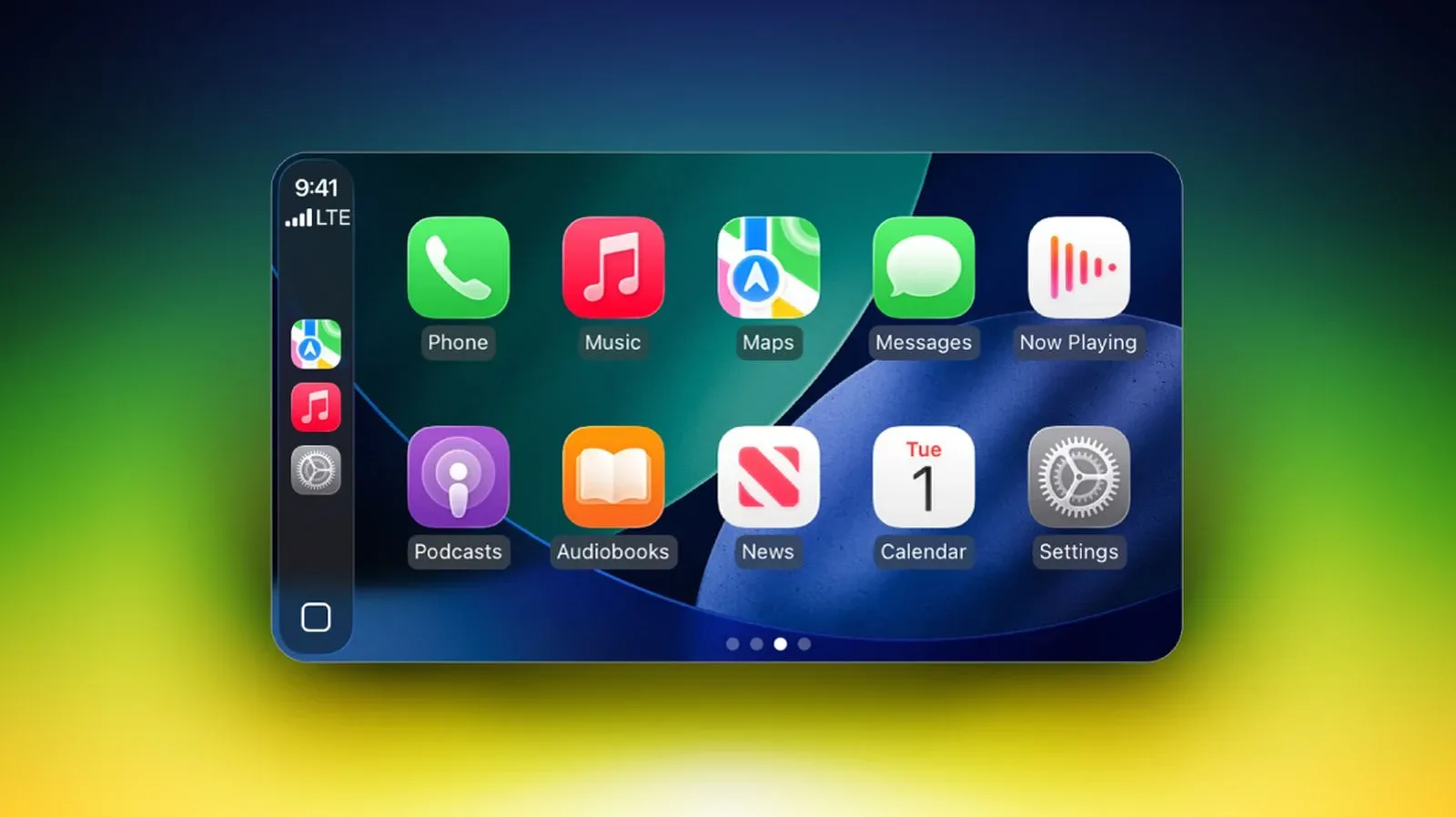
CarPlay and Android Auto are frequently grouped together as phone-mirroring systems in this discussion. The term matters because the dispute is about more than whether a screen can display maps, music, messages, or other familiar phone-driven functions. It is also about which software environment occupies the dashboard and how much control the vehicle maker retains over that environment.
GM’s truck arrangement is particularly revealing because it is described as showing CarPlay or Android Auto alongside its own native system. That phrasing suggests a coexistence model rather than one interface completely displacing the other. For a driver, the practical appeal is straightforward: access to their preferred phone platform while keeping GM’s system present in the same overall dashboard experience.
Future EVs, by contrast, are where GM is drawing the harder boundary. The company’s insistence that CarPlay will not be part of those vehicles means the native system is set to carry more of the responsibility that many drivers may otherwise expect from their phone interface. The source material does not specify what GM will offer instead, how features will compare, or which future EVs arrive first under the policy. Those are questions shoppers should not fill in with assumptions.
Why the clarification matters before anyone shops
The controversy is not merely about an icon on a center display. CarPlay is described as an extremely popular feature, which explains why even a limited report involving 2027 pickup software generated the impression that GM might be backing away from its position. The phrase “CarPlay support” carries a lot of weight for buyers who consider it part of their normal driving setup.
There are several practical takeaways for anyone comparing GM vehicles in this period:
- Check the powertrain, not just the badge. A Silverado or Sierra name alone does not resolve the infotainment question. The confirmed CarPlay and Android Auto arrangement is for gas-powered 2027 models.
- Treat the LYRIQ as a currently supported model, not a settled precedent. It has both platforms in 2027, but GM has not clarified whether that support is permanent or transitional.
- Do not turn a software-interface detail into a company-wide reversal. GM’s existing gas-vehicle policy already allowed continued support, so those pickups do not contradict its future-EV stance.
- Look for explicit model-year information. The EV policy is forward-looking, while the available facts identify particular 2027 vehicles. A general assumption about every present or future GM model is not dependable.
That last point is especially relevant in technology coverage, where labels such as “native,” “integrated,” and “supported” can be read more broadly than they were intended. A native system is GM’s own in-vehicle interface. Support for CarPlay or Android Auto means those phone-oriented systems remain available. An interface that can display them side by side is a specific software design, not necessarily a promise that every related vehicle will receive the same treatment.
GM is choosing a split experience, for now
The clearest reading of GM’s position is that it is managing a split fleet. Its gas-powered vehicles will continue to offer CarPlay and Android Auto for the foreseeable future. Its future EVs are headed in another direction. The all-electric 2027 Cadillac LYRIQ complicates the boundary, but does not erase it.
That split is likely to keep generating confusion whenever a GM vehicle receives a new interface or a familiar connectivity feature. It is understandable why the 2027 Silverado and Sierra news looked, at first glance, like a change in direction: the trucks are receiving software that accommodates the systems many drivers expect. Yet GM’s clarification says the key condition is the part many headlines can lose: these are gas-powered models.
For GM, the messaging challenge is now unavoidable. The company wants customers to understand that its gas vehicles and future EVs are not following the same infotainment path. For customers, the burden is to read beyond the model name and confirm the exact vehicle configuration. In a car market increasingly shaped by software expectations, that is not a small caveat. It can be the difference between choosing a vehicle that fits an established phone setup and choosing one built around a different dashboard philosophy.
The broader pattern will be familiar to anyone following how platforms shape consumer expectations in games and other software-driven products: access to a popular ecosystem can become part of the purchase decision, even when the underlying hardware is otherwise appealing. The same tension over platform control and user preference has surfaced elsewhere in technology, including debates around virtual ownership terms and annual resets.
For now, GM’s answer is unusually direct. The company has not changed course on future EVs. The 2027 gas Silverado and Sierra support CarPlay and Android Auto because GM says its gas vehicles will continue to do so for the foreseeable future. The LYRIQ remains an unresolved exception. Anyone hoping the pickup software signaled a blanket restoration of phone mirroring across GM’s electric lineup will need to keep waiting for evidence that actually says so.