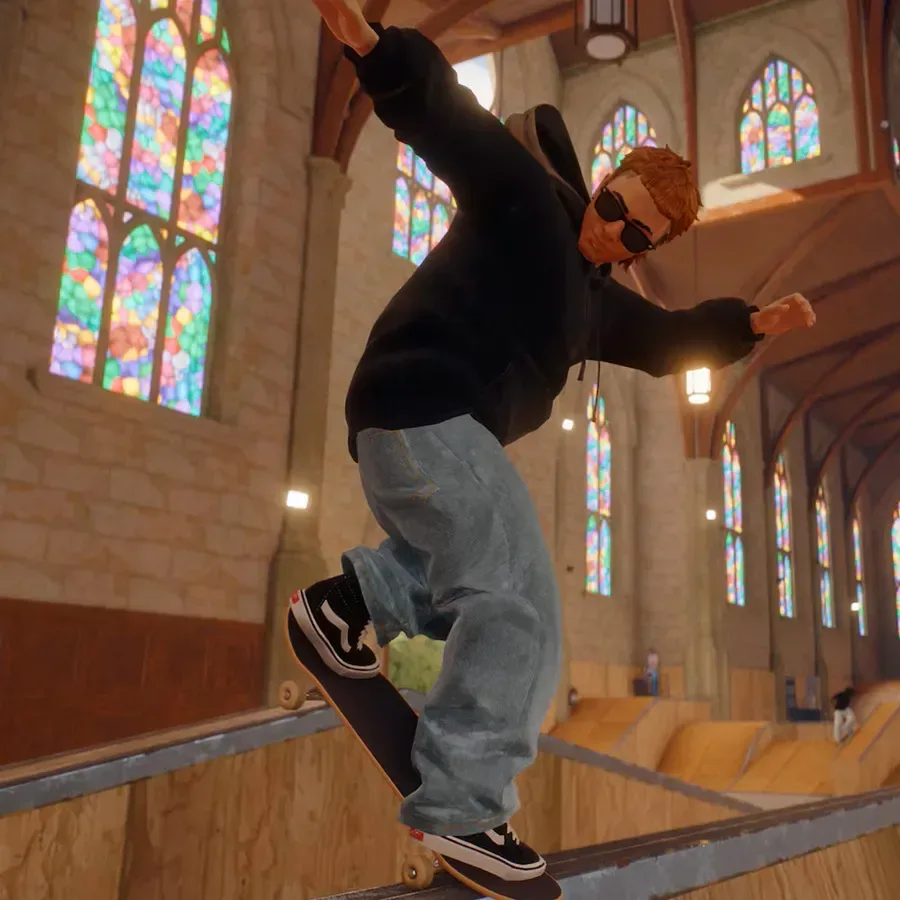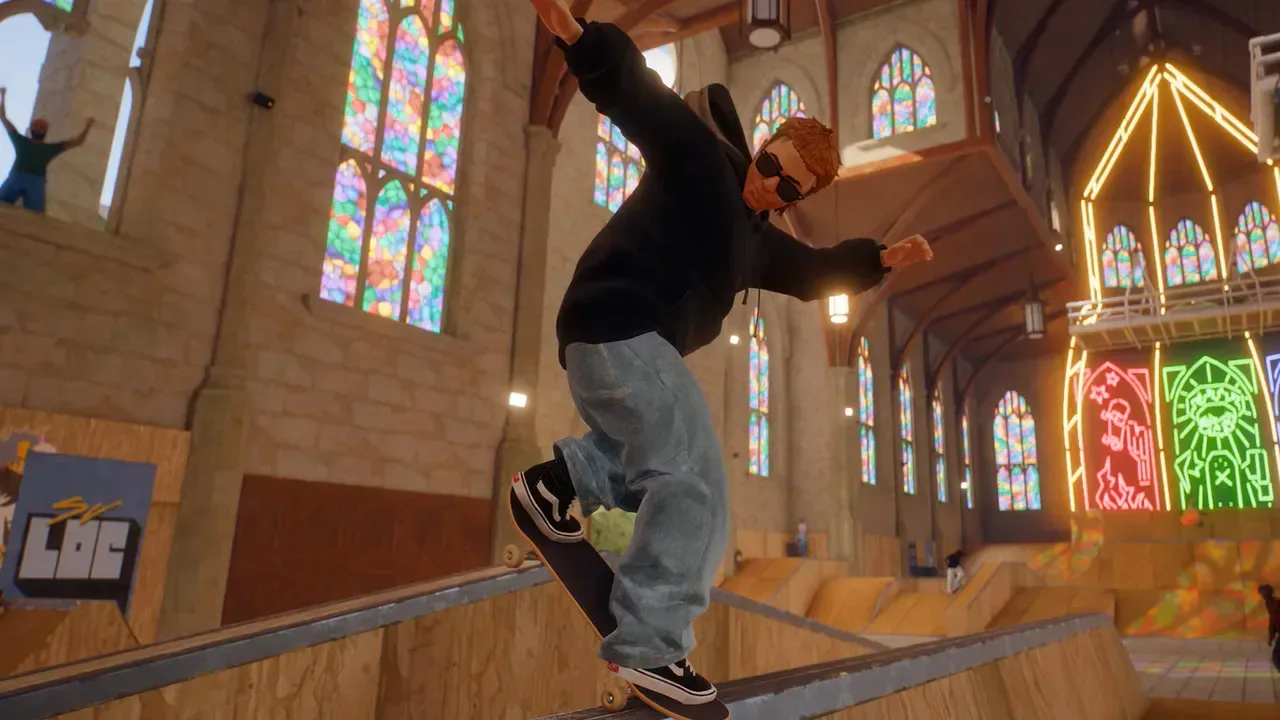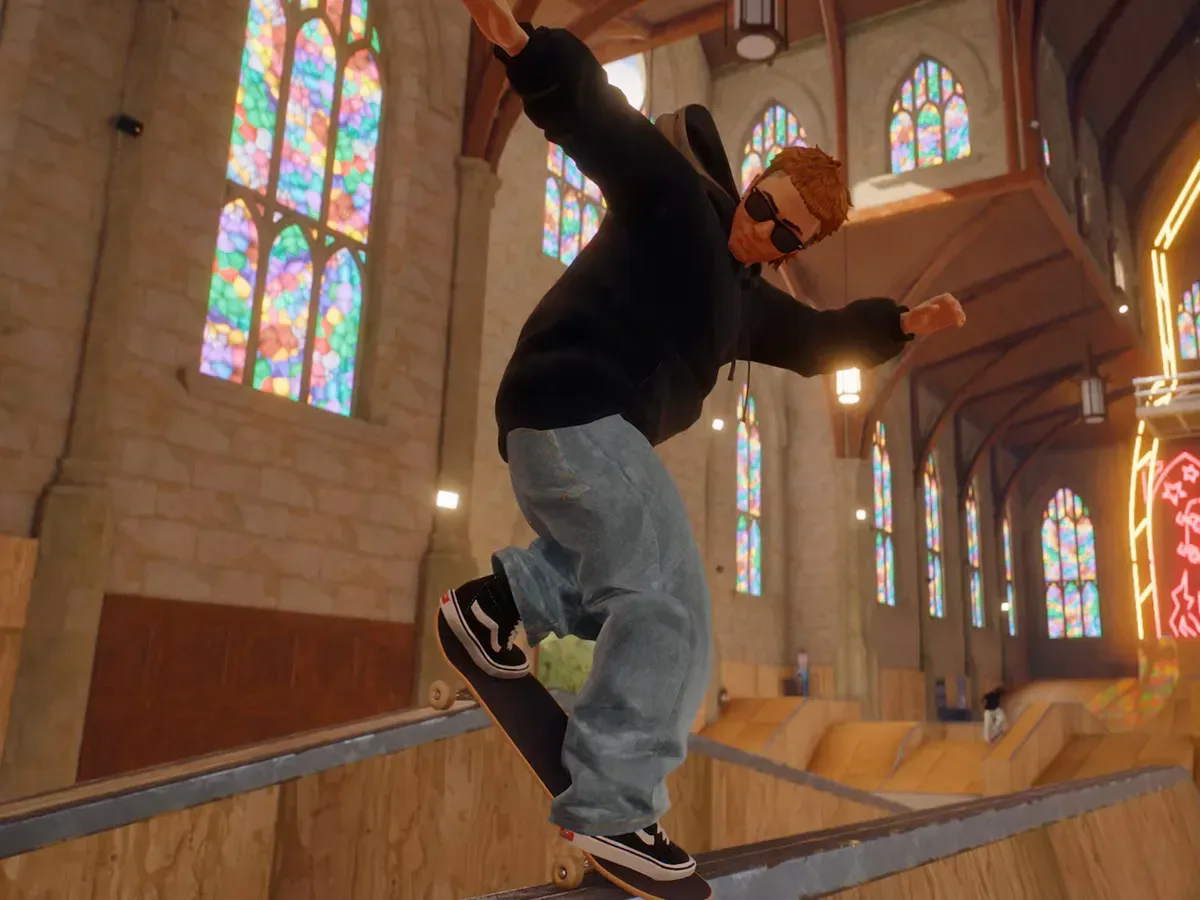
Full Circle, the studio behind the current live-service skate., has reportedly been hit by another round of layoffs. Several developers publicly said their roles had been eliminated, while EA has characterized the change as a move toward a smaller, more focused team with a clear long-term roadmap for the skating game.
The scale of the cuts at Full Circle has not been disclosed. That distinction matters: individual developers have confirmed departures, but there is no confirmed total for the studio. What is clear is that the affected roles include experienced creative and design staff, and that this is not the first workforce reduction Full Circle has faced this year.
Several experienced developers confirm their departures
Seasonal creative director John Epler said his role at Full Circle had been eliminated, bringing an end to nearly 19 years spent in the games industry and at EA. Epler described feeling some understandable uncertainty but also said he was looking ahead to doing something new.
Senior game designer Adam Martinazzi likewise said he was among the Full Circle staff let go. His comments acknowledged both frustration and sadness, alongside appreciation for the time spent working with the team and on the game.
Senior designer David Milne also confirmed that his position had been eliminated. Milne said he had enjoyed working on Skate and valued the team, but would now move on to what comes next.
Those public statements establish that cuts reached multiple disciplines rather than representing a single isolated role. They do not, however, reveal how responsibilities will be redistributed, whether particular game areas are changing, or what the final headcount will be.
EA says Skate remains active, but the studio is being reshaped
EA included skate. among its active projects in its internal communication surrounding broader reductions. Its message frames the Full Circle changes as a sustainability decision: the company says the game has been successful at bringing players in, but needs to do more to retain them over the long term.
EA says it is making changes to create a more focused, smaller team that can deliver a clear roadmap for the community and build a healthier, more sustainable business.
Related coverage includes Full Circle Developers Report Layoffs as EA Restructures Skate Team.
That wording is significant for players because it does not say development of skate. is ending. Instead, it suggests EA is concentrating production around a narrower plan. Still, an ongoing project is not immune from the practical effects of losing staff. Creative direction, seasonal work, features, community-facing tools, quality assurance and future scheduling can all be affected when teams contract, even when a game remains supported.
A live-service game is a game intended to evolve after release through ongoing updates, seasons, events, cosmetics, systems or other recurring additions. Its success is therefore measured not only by attracting players initially, but by giving them reasons to return. EA’s reference to long-term engagement places skate. squarely in that operational model.
For the community, the immediate take-away is more limited than it may appear: skate. is still described as an active project, but EA has not publicly laid out which upcoming content, features, dates or support commitments may change after the reorganization. Until the studio provides that specificity, it would be premature to treat the smaller-team language as confirmation of a particular update cadence or a cancelled feature.
A second Full Circle reduction in the same year
Full Circle had already been affected by layoffs in February. At that time, the studio said the departing employees had helped establish the foundation of Skate, and stressed that the decision did not reflect their impact on the game. The latest reports make the new reductions part of a broader pattern rather than a one-off adjustment.
That context is difficult for both developers and players. A game can remain online and in active development while the people who shaped its systems, feel and community work leave the studio. Credit for what players experience does not disappear with a role, but knowledge transfer and continuity become important challenges for the smaller group that remains.
It is also worth separating what the current information supports from what it does not. The reported departures show that Full Circle has lost staff. EA has said it wants a smaller team and a clearer roadmap. Neither point, by itself, confirms an exact effect on future maps, modes, seasons, monetization, creator tools or the game’s wider release plans.
The modding conversation is now even more relevant
The staffing news arrives shortly after Full Circle addressed a major player discussion around ReSkate, a fan-made modding platform that spread widely through the community. ReSkate enables offline play, private servers, custom maps and other community-led options.
Full Circle said it recognizes the importance of community mods, while drawing firm boundaries around modifications that bypass paid cosmetics or generate money from new features. The studio also said it knows players want more freedom and customization, and that it is building official, secure access tools intended to support broader and deeper community creation.
Modding refers to players or third parties altering a game or building additions for it, such as maps, gameplay changes or server options. An official creator-tool approach differs from an unofficial mod platform because the developer can set security, ownership, monetization and technical compatibility rules. In a live-service game, those issues become especially sensitive where online services and paid cosmetic items are involved.
That makes Full Circle’s stated interest in official tools one of the most concrete areas to watch. The studio has expressed a desire to offer deeper community-creation access, but it has not provided a timetable or a complete feature list. The current cuts add uncertainty to any effort that requires sustained engineering, moderation and support, though they do not establish that the initiative has been dropped.
Part of wider EA reductions
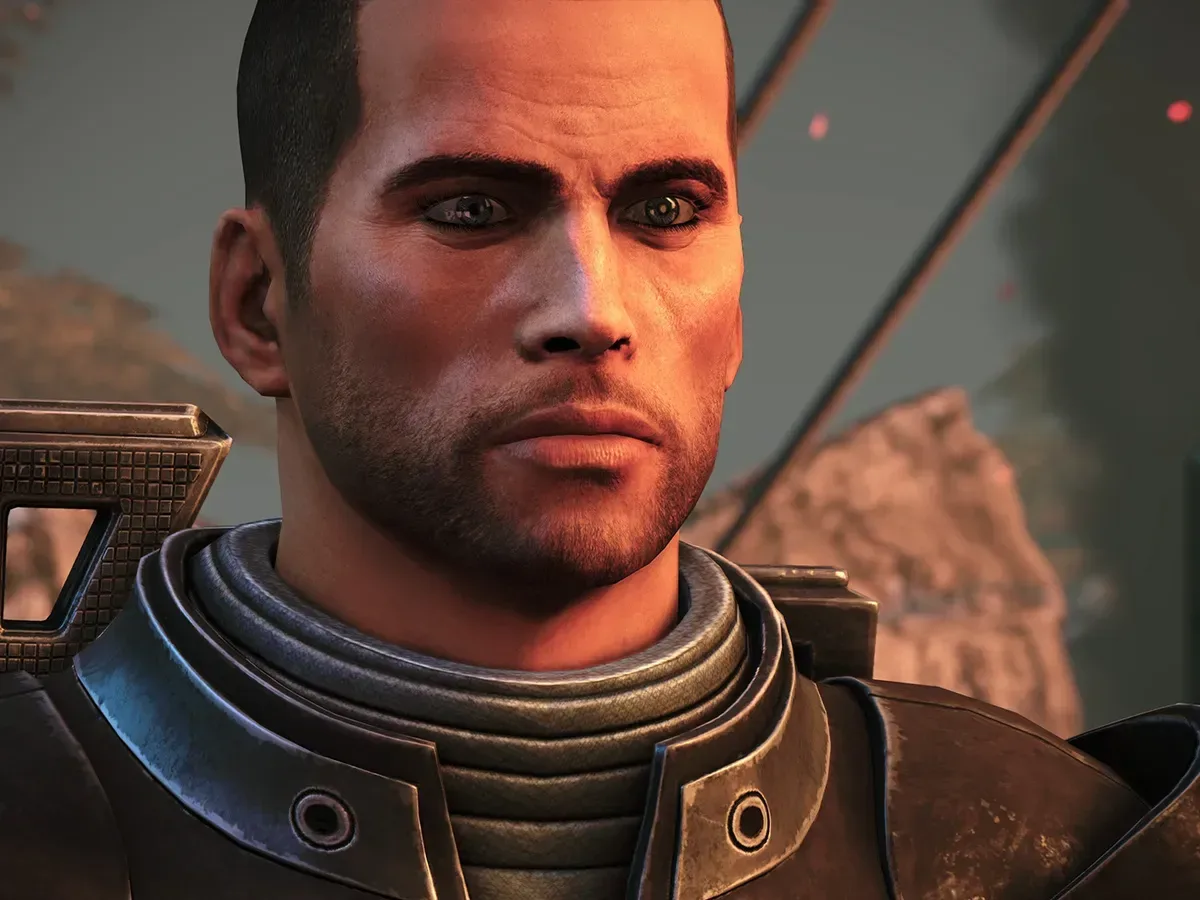
The Full Circle departures are occurring alongside wider cuts at EA. About 400 jobs, or roughly 3% of the company’s staff, are reported to be going. Fifty of those roles were connected to the next Mass Effect before BioWare’s closure.
The scale of that wider restructuring gives important context to the situation at Full Circle. EA’s decision is not being presented as a response to one studio alone, or as a declaration that skate. is inactive. Instead, the company is making cuts across multiple teams while prioritizing what it views as sustainable ongoing projects.
Elsewhere in the company, even strong commercial performance has not insulated teams from reductions. Battlefield Studios has also seen layoffs despite the strong performance attributed to Battlefield 6. That broader pattern makes clear why a game’s visibility or player interest should not be read as a guarantee of stable staffing.
The BioWare situation is covered in more detail in our report on the team and the cancelled Mass Effect project.
What Skate players can reasonably watch for next
With no confirmed number of Full Circle layoffs and no revised public content plan, the most useful signals will come from the studio’s future actions rather than speculation. Players can watch for:
- an updated roadmap that defines what the smaller team is expected to deliver;
- clarity on the status and timing of official community-creation tools;
- changes to how often the game receives seasons, events or other updates;
- further statements about the support model for the live-service game; and
- any additional information on how Full Circle plans to preserve continuity after the departures.
For now, the picture is mixed but clear in its fundamentals: skate. remains an active EA project, Full Circle is being reduced, and several developers have publicly confirmed they have lost their jobs. The stated goal is a leaner team pursuing a durable roadmap. Whether that produces the stability EA is seeking—and whether it meets the community’s expectations for creative freedom and ongoing support—will depend on details the company has yet to provide.