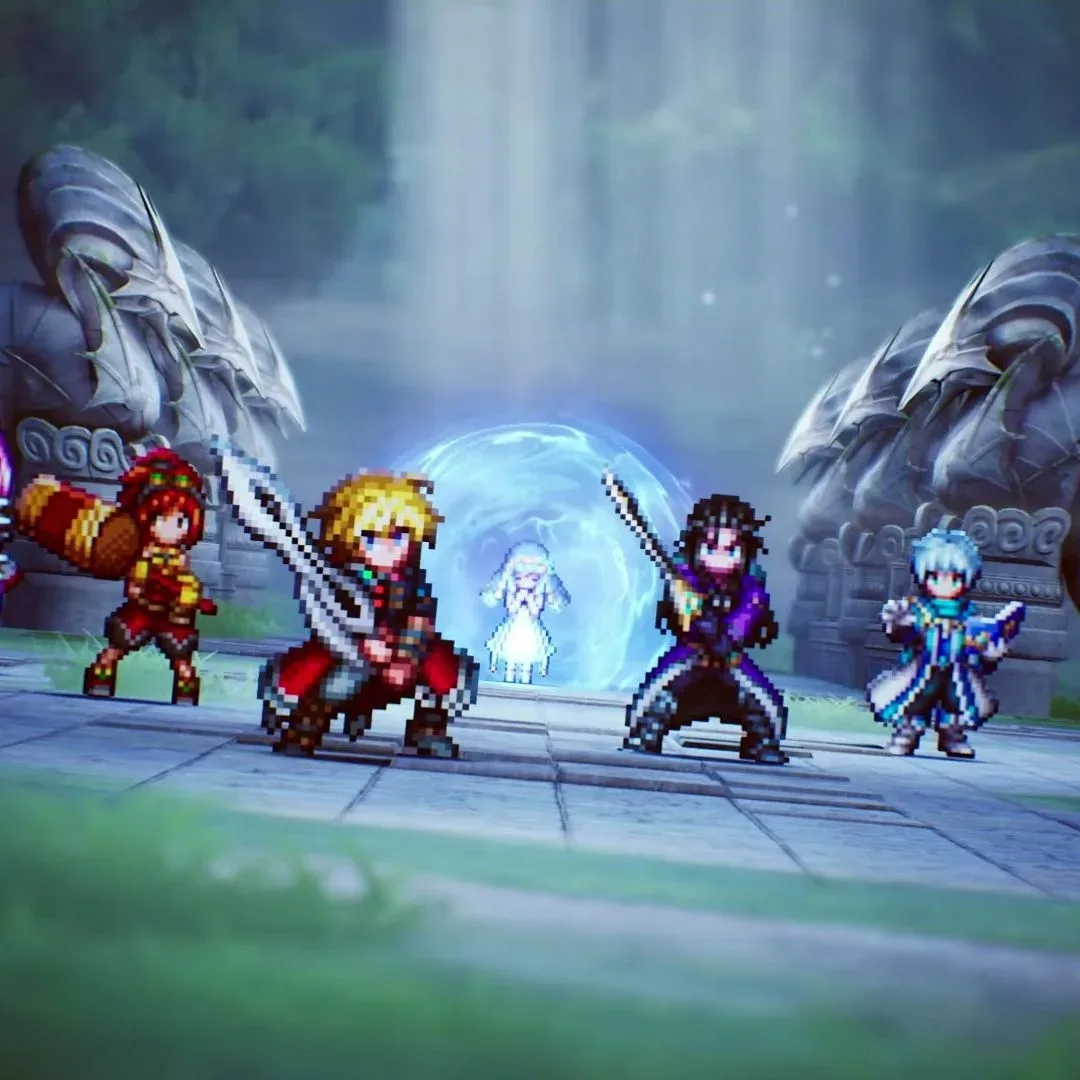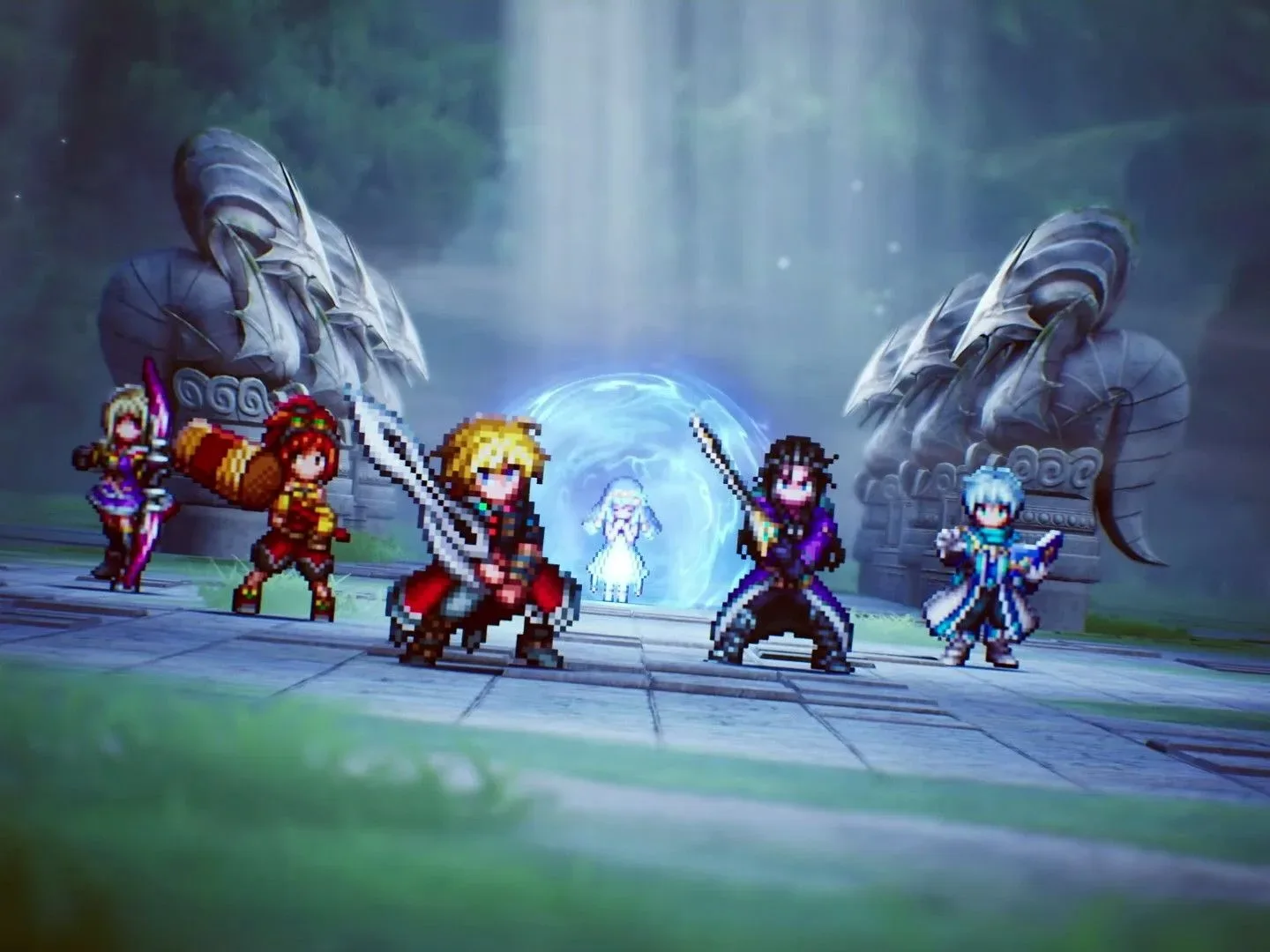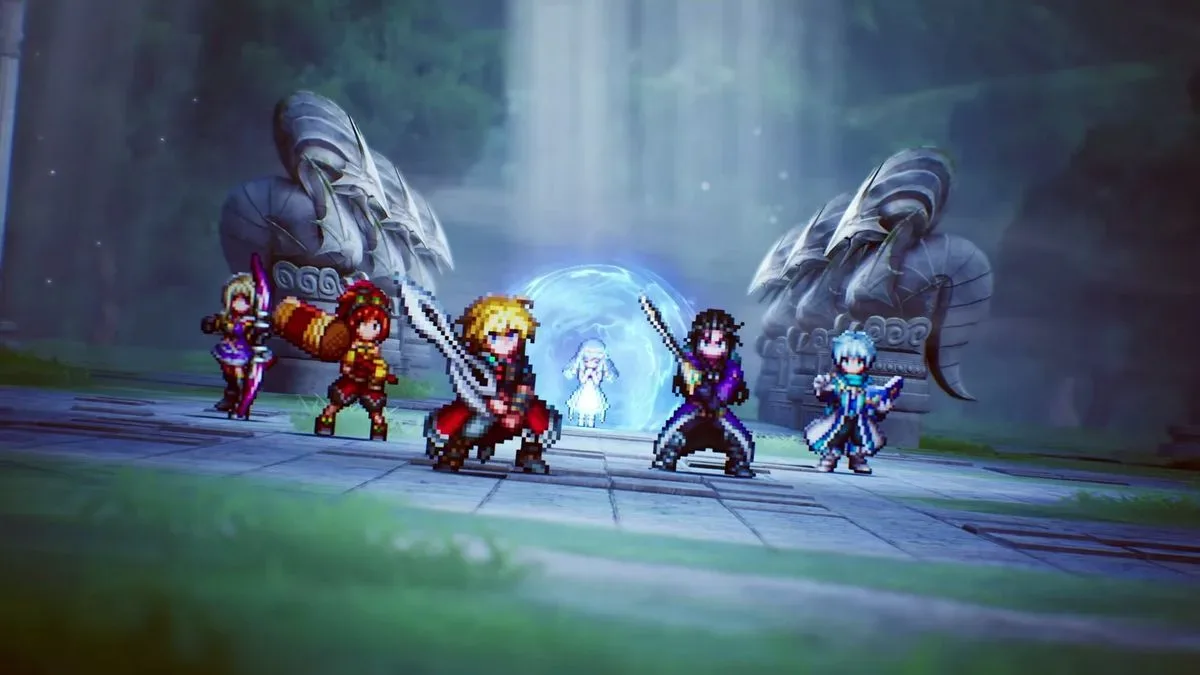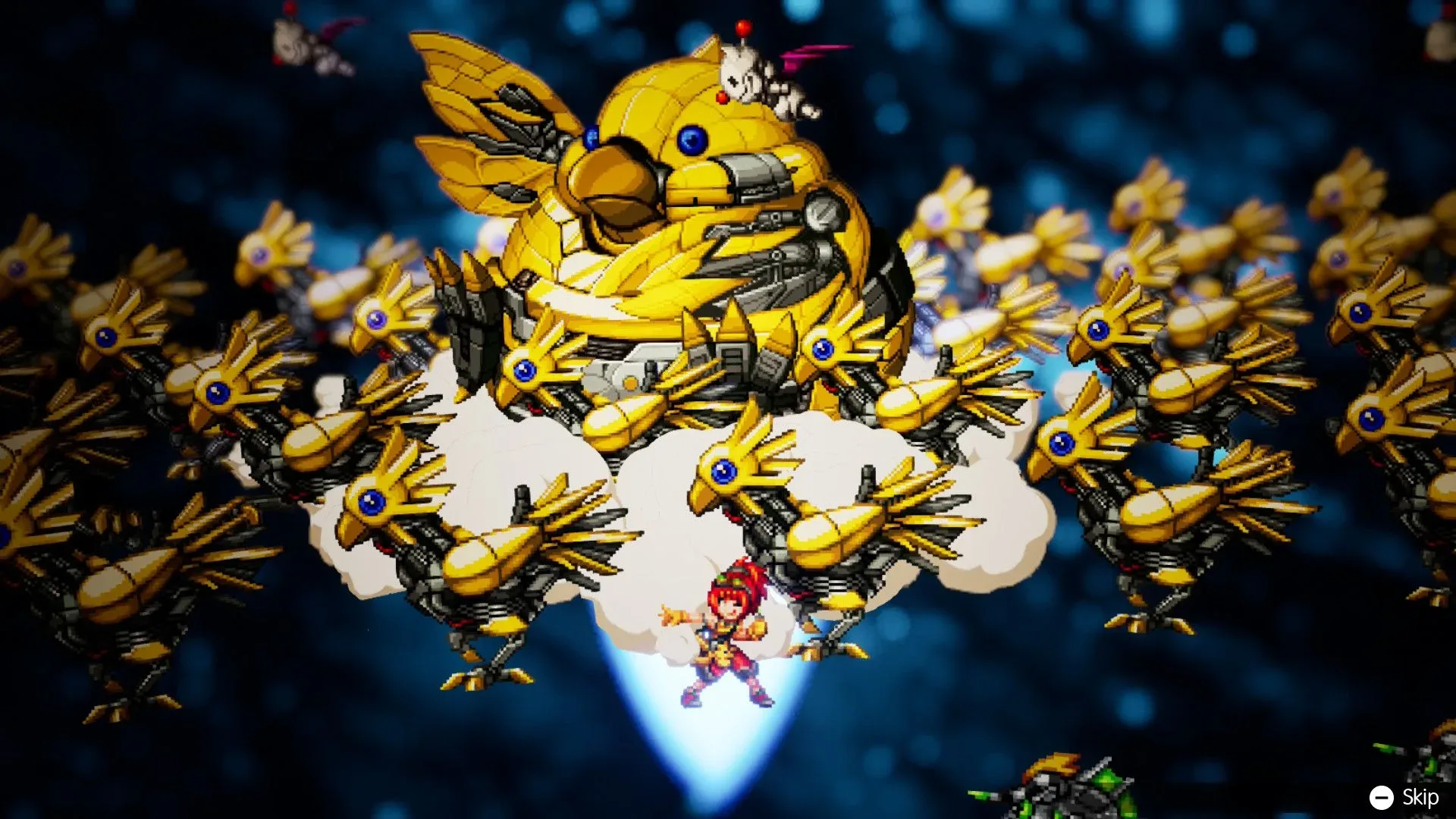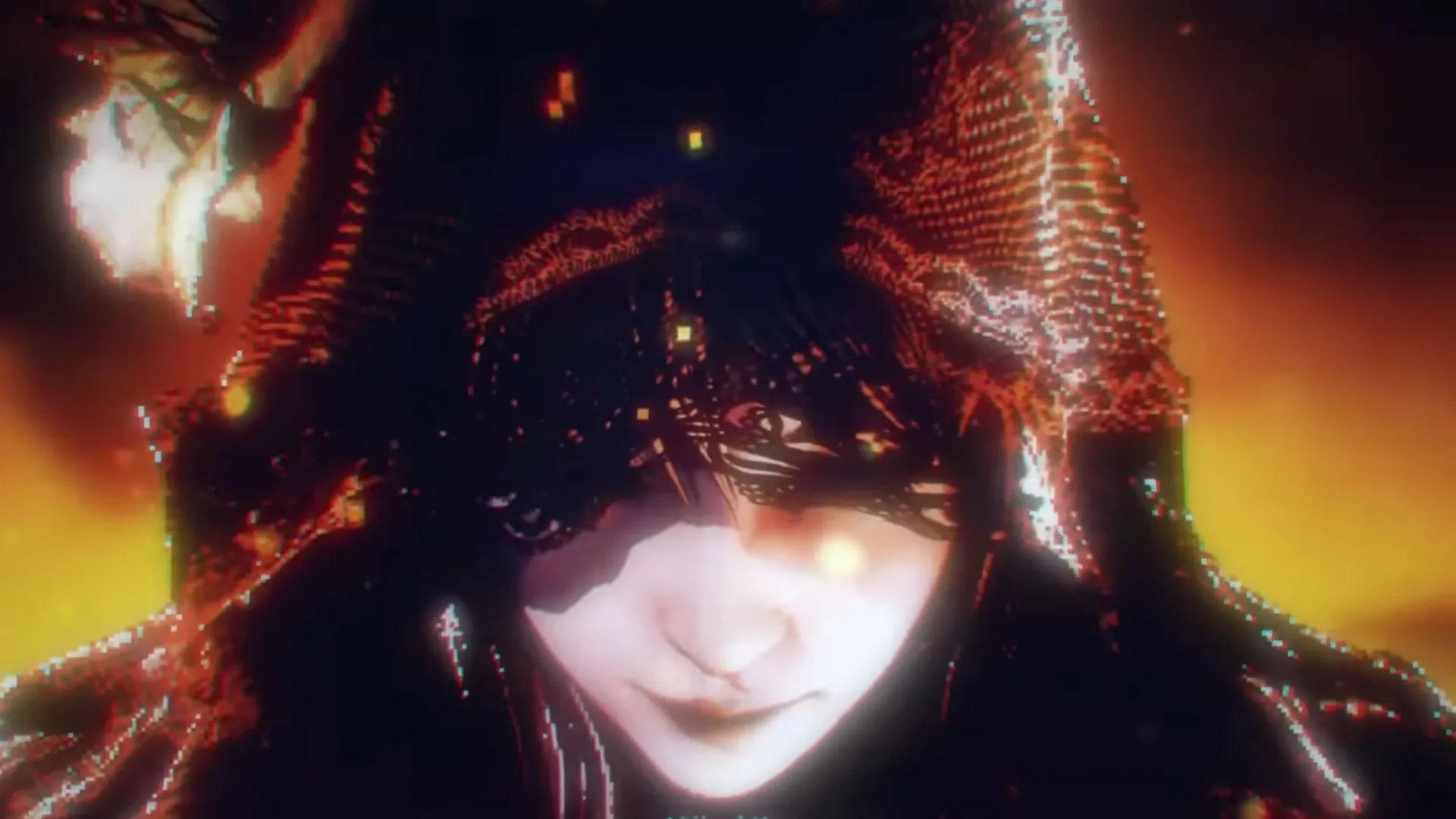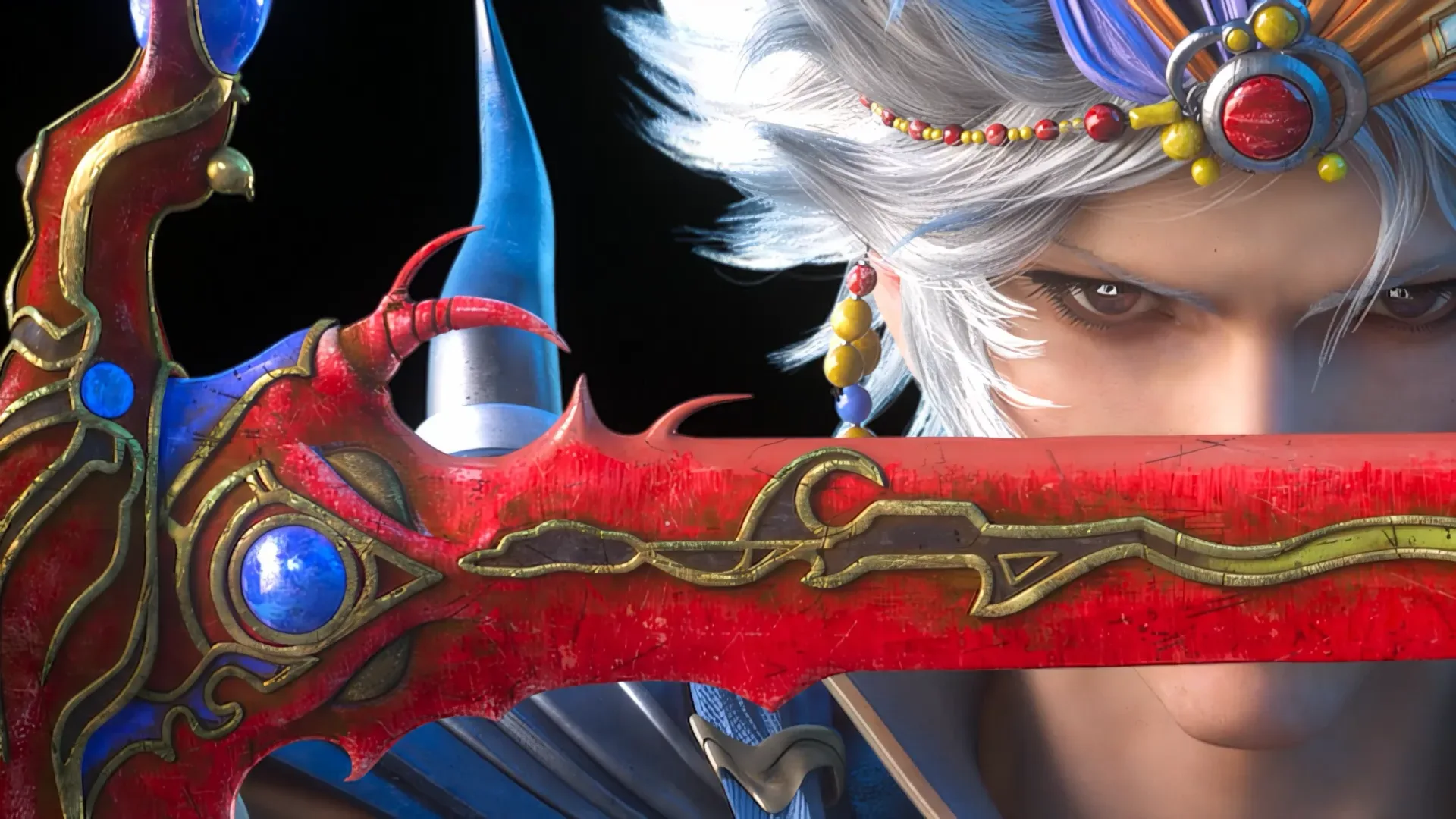
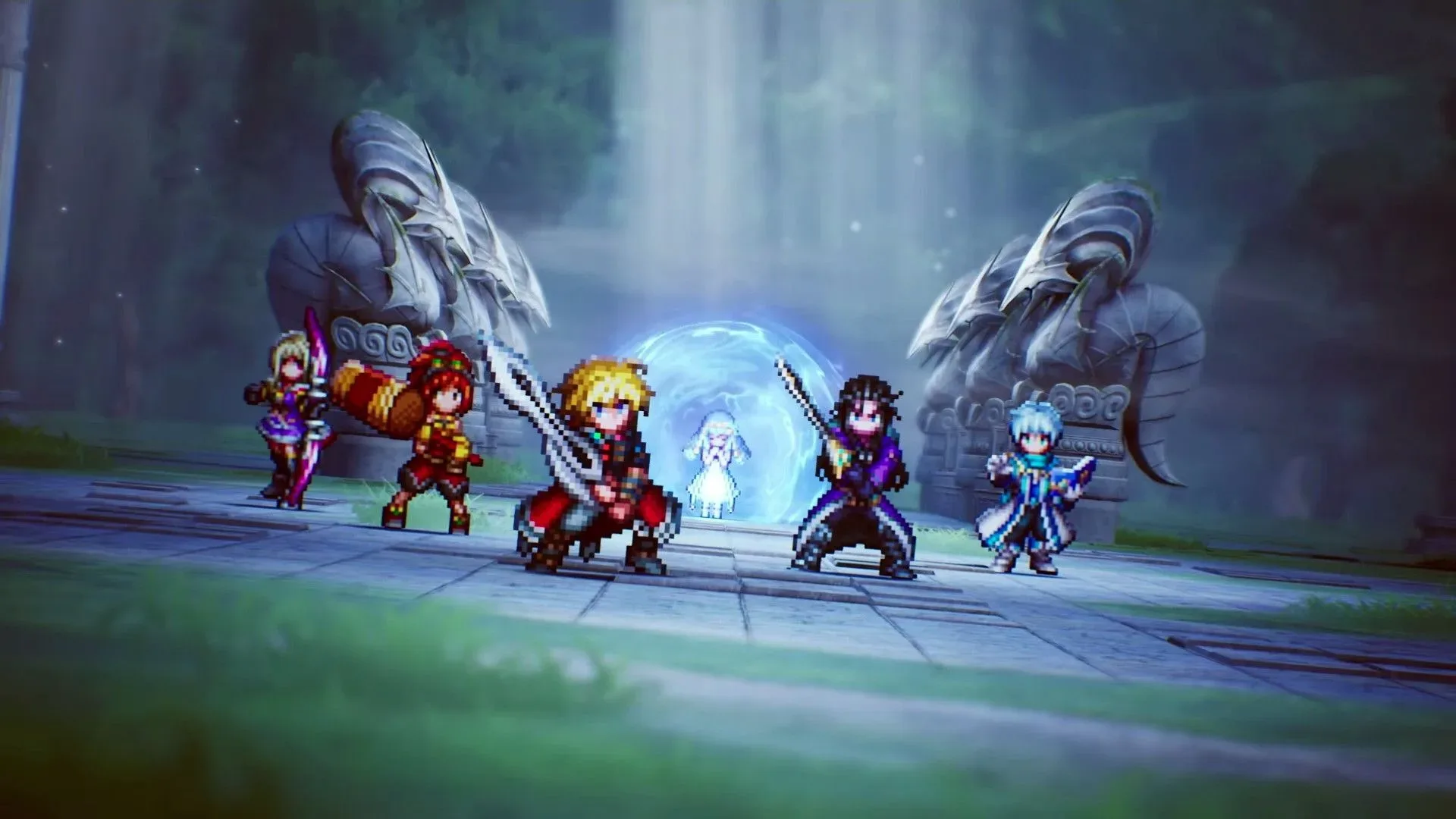
The team behind Final Fantasy Resonance did not take its warm reception for granted. Producer Keisuke Nakashima and director Hiroto Furuya have described being surprised by the breadth of interest in a Final Fantasy designed around overtly classic-looking ideas: pixel-art presentation, a 2.5D visual approach and a return to the series’ older stylistic language.
Nakashima said the team knew it was making something it personally wanted to play and believed other players would share that interest. What caught it off guard was the scale of the appetite, both in Japan and internationally, for a Final Fantasy that recalls earlier entries rather than the franchise’s modern action-focused, 3D direction.
“I was surprised to see just how many people, not only in Japan but overseas as well, are eager for the kind of Final Fantasy they remember from back in the day, with classic turn-based battles and pixel art,” Nakashima said.
Furuya, meanwhile, said he had expected opinions to be more divided. For a project with an unusual lineage and a deliberately old-school sensibility, that concern is understandable: nostalgia can be a powerful draw, but it can also be selective. Players do not all remember the same parts of a long-running series, nor do they necessarily want new games to reproduce those memories in the same way.
For more context, explore Bo Nix Prices Stay Flat as Anthony Richardson and Aaron Rodgers Reshape the NFL Card Market.
Resonance appears to have found a broader audience than the team anticipated. Related coverage of the team’s comments similarly frames the response as unexpectedly strong for a retro-inspired RPG.
What “retro-inspired” means here
The description of Resonance is more specific than a simple throwback label. It is presented as a top-down remake of aspects of Final Fantasy Brave Exvius, the mobile game released in 2015. A top-down perspective generally places the player above the world and characters, making environments readable as maps rather than emphasizing cinematic camera angles. It is a viewpoint closely associated with many earlier console role-playing games.
The game is also described as using a 2.5D aesthetic. The term is commonly used for work that combines two-dimensional visual language with depth, lighting or spatial staging associated with 3D presentation. In practice, it signals that Resonance is not merely trying to look technically old; it is using contemporary techniques to evoke an older visual form.
That distinction matters. Pixel art is sometimes treated as shorthand for a game that must be mechanically conservative, but visuals and systems do not have to move in lockstep. The available description calls Resonance a game with a real-time battle system, while Nakashima’s comments point to enthusiasm for classic turn-based battles. Those are not interchangeable design terms: turn-based combat normally gives participants discrete opportunities to act, while real-time combat unfolds continuously and can demand immediate inputs. The comments show the wider appeal of classic Final Fantasy traditions, but they do not establish that Resonance simply replicates every battle rule associated with older titles.
Rather than flattening that difference, it is more useful to see the response as interest in a cluster of qualities: readable pixel-art characters, top-down exploration, a stylized fantasy-RPG mood and a willingness to foreground design ideas that many players associate with an earlier era of the series.
A crowded Final Fantasy moment, not a single direction
Nakashima explicitly praised the action-oriented and 3D Final Fantasy games as well. That is an important qualification. Resonance’s reception is not evidence that one style has replaced another, or that modern large-scale Final Fantasy has suddenly lost its audience. It instead suggests that the series can contain multiple approaches at once.
Recent Final Fantasy activity illustrates that range. Final Fantasy 7 Rebirth continued the blockbuster remake trilogy built from a classic entry, while Final Fantasy Tactics: The Ivalice Chronicles brought a fan-favorite strategy RPG back to modern systems. Resonance occupies another position within that broad field: a newly framed project drawing on material from a mobile Final Fantasy, then presenting it through an intentionally retro lens.
That context helps explain why Furuya considered the game’s background unusual. Final Fantasy has a huge catalogue, but not every branch of it carries the same cultural visibility. A remake that selects elements from Brave Exvius is not the most predictable route for a release intended to appeal to people who fondly remember earlier console RPGs. The strong response therefore says something not just about demand for pixel art, but about the potential for older-feeling presentation to introduce or reintroduce material that some players may have missed.
It also makes clear that “classic” is not a single fixed category. For some players, the defining memory is turn-based party management. For others, it is an overhead map, sprites, menus, a particular balance between imagination and visual abstraction, or simply a story told at a scale that feels different from a 3D spectacle. Resonance can connect with that varied audience without being a literal recreation of any one past installment.
Why the team’s surprise is notable
Furuya called the game’s embrace by so many players a positive development for the industry. That statement is not a prediction that every retro-styled project will receive the same response. It is, however, a useful reminder that the audience for prominent RPG franchises is not uniform.
Games often get discussed as if their audience can be reduced to a contest between “old” and “new.” The available comments point to a less rigid reality. Players can appreciate action-oriented 3D entries and still want a separate game rooted in pixel art and earlier RPG conventions. Those preferences can coexist within the same fanbase.
For developers, the practical implication is not that nostalgia alone guarantees attention. Resonance’s circumstances are specific: it is connected to a recognizable franchise, it reworks elements of an existing title, and its style is described as a deliberate blend of retro touchstones with contemporary presentation. But the reaction does suggest there is value in treating smaller-scale or stylistically distinct installments as projects with their own identity, rather than as lesser versions of a franchise’s biggest releases.
For players, it widens the kinds of Final Fantasy projects that can plausibly be made and supported. A series known for reinvention need not choose between only one future-facing template and a museum-piece past. The response to Resonance indicates that revisiting familiar forms can still feel like a current creative choice when those forms are applied with intent.
The Brave Exvius connection leaves room for questions
Resonance’s relationship with Final Fantasy Brave Exvius also naturally invites curiosity about what could be adapted next. The game is described as remaking aspects of that 2015 mobile title rather than as a comprehensive retelling. That wording leaves the scope deliberately limited: it does not confirm a sequel, another remake, or any plan to draw on later parts of the Brave Exvius narrative.
Still, the reception gives the underlying idea a stronger foundation than the developers expected. If players who were not closely connected to the original mobile game are embracing a reworked version of its material, that is meaningful evidence that the concept can travel beyond its first platform and format. It is not confirmation of a follow-up, but it makes the question more interesting than it would have been before Resonance found its audience.
For now, the clearest takeaway is Furuya’s original concern turned on its head. A Final Fantasy with a distinctive origin, a visual language tied to earlier generations and an approach that stands apart from the franchise’s largest contemporary releases was expected to split opinion. Instead, the team has encountered a notably enthusiastic response—and a reminder that the demand for different kinds of Final Fantasy remains wider than any one formula.