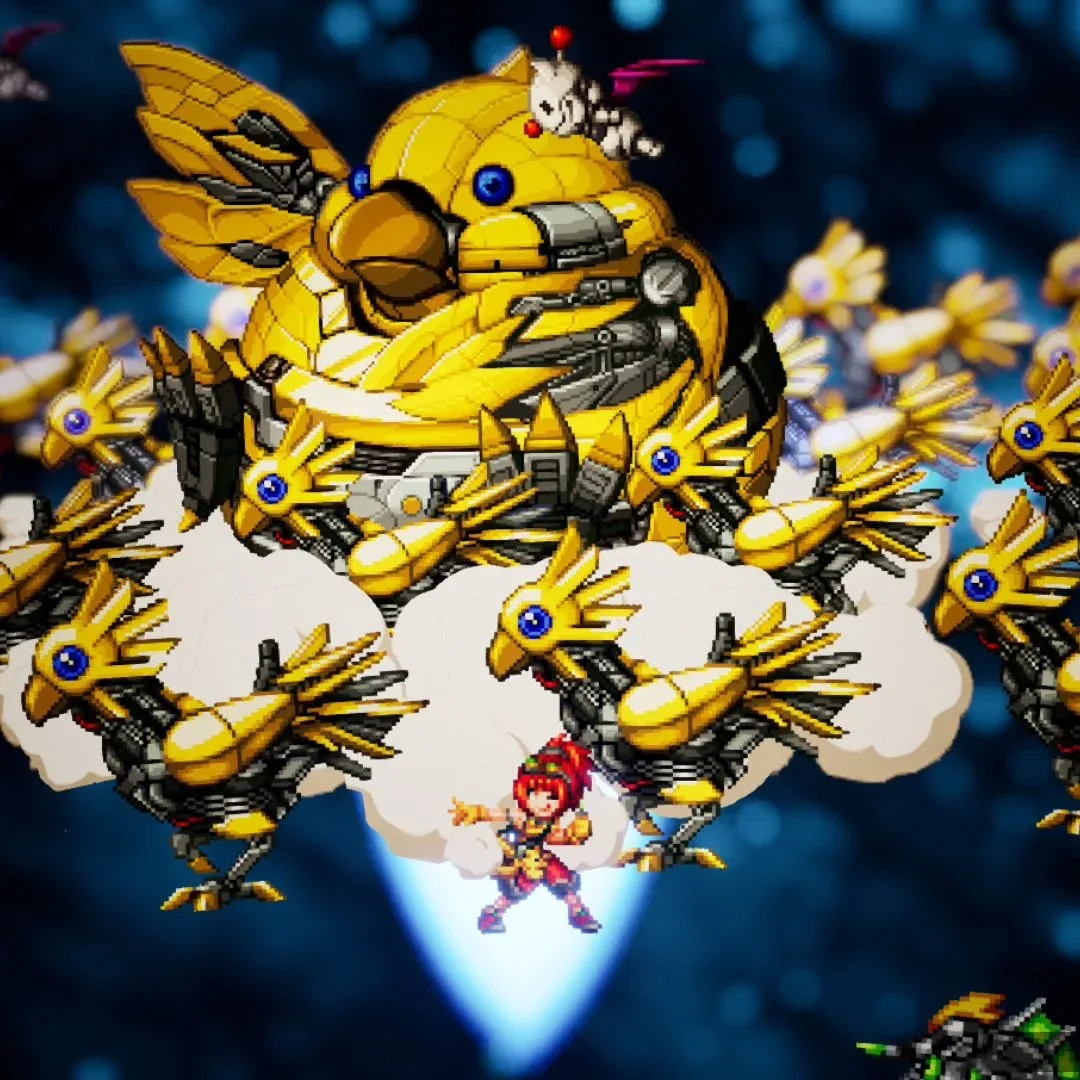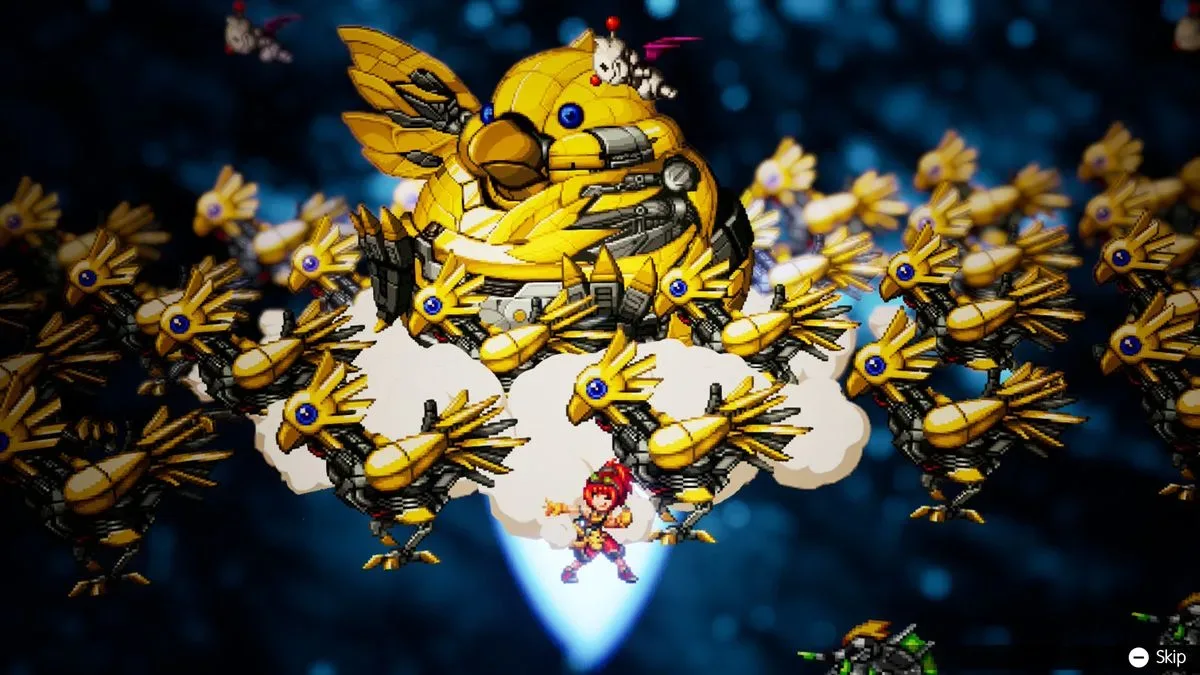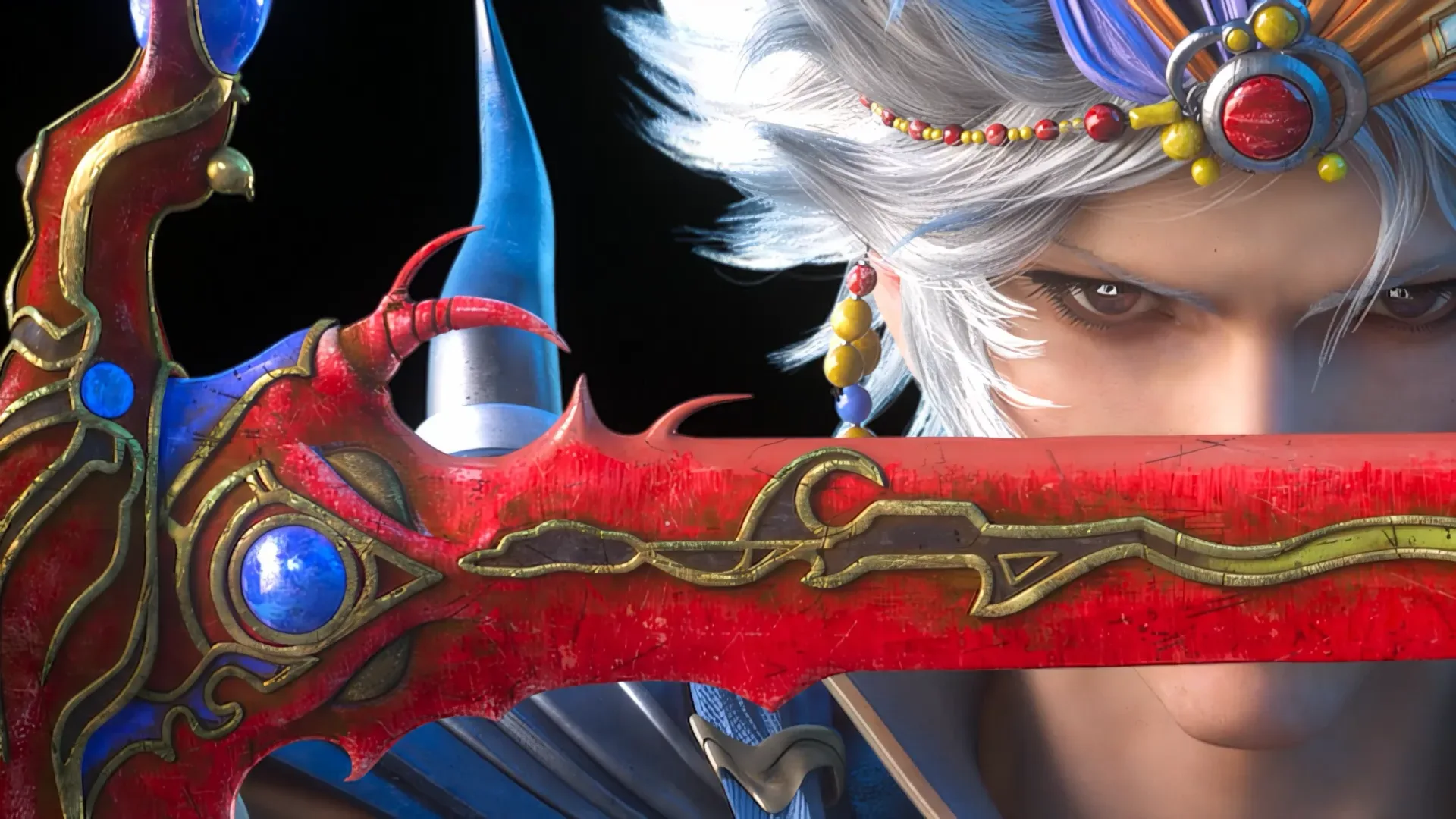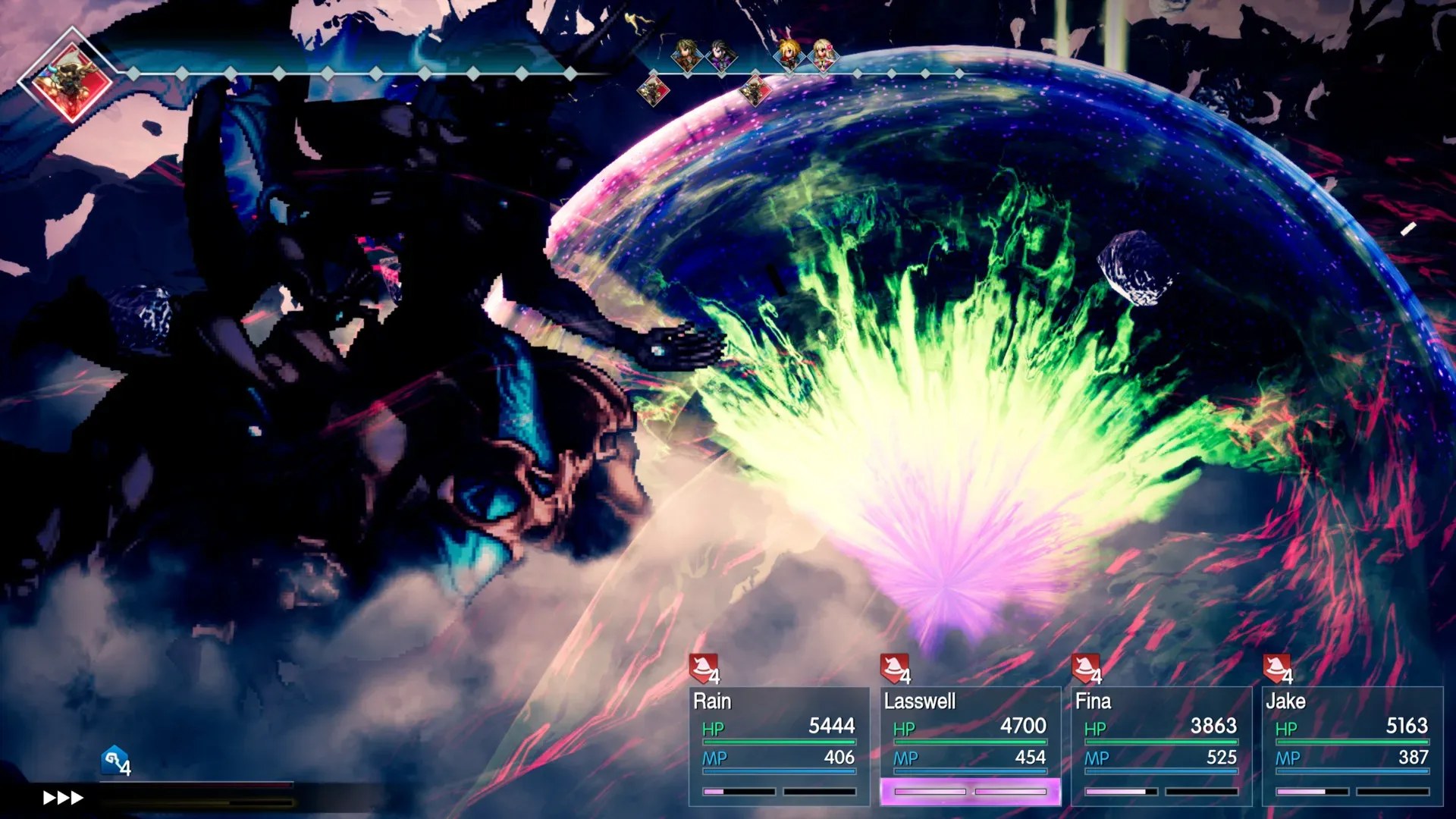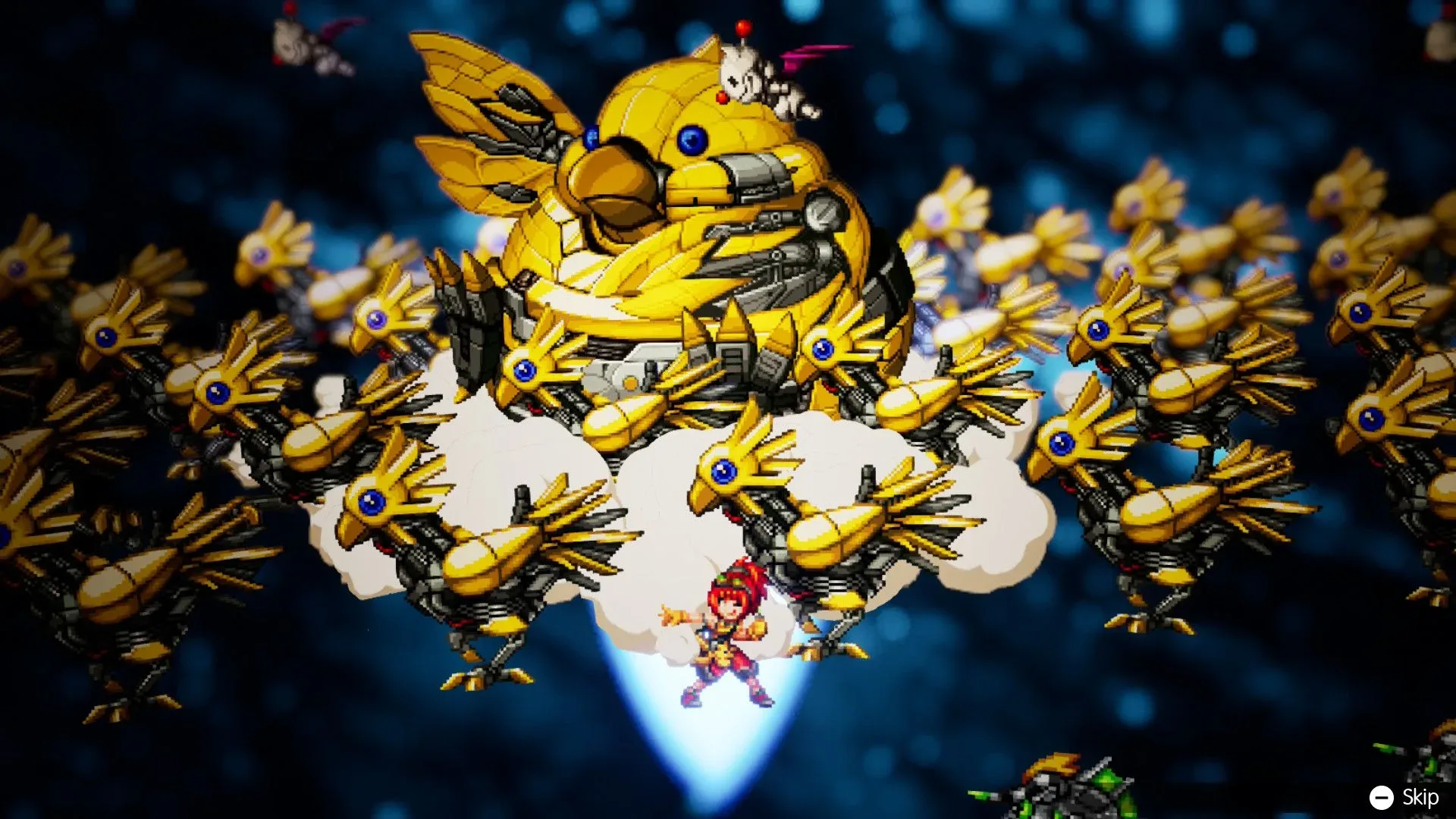
Final Fantasy Resonance was not always intended to be the larger console adaptation it became. Producer Keisuke Nakashima has said that when he proposed expanding Final Fantasy Brave Exvius into a dedicated console release in 2020, some Square Enix executives favored a simpler alternative: a basic port that would cost less and reach players sooner.
Nakashima rejected that path. His stated aim was an original console version with the scope of a complete gameplay experience, rather than a direct transfer of a mobile title. The distinction matters because Resonance is tied to Brave Exvius, a mobile game that has since shut down, while also being presented as a new HD-2D, turn-based Final Fantasy game in its own right.
The reported early internal disagreement is a useful reminder that “bring it to consoles” can mean radically different things. A port, an adaptation and a new game built from existing material are often grouped together in conversation, but they answer different player expectations, require different development commitments and carry different risks.
A port was not the experience Nakashima wanted to make
Nakashima’s recollection frames the original proposal as a choice between speed and reinvention. A straightforward port was attractive to decision-makers because it could be cheaper and faster to produce. That logic is easy to understand: an existing game has a known foundation, and a direct conversion can avoid the expense of substantially rebuilding its structure.
But Nakashima did not want to take that route. He said he wanted to make an original console version that felt like a full-scale gameplay experience. That does not mean a console adaptation has to discard every connection to its mobile predecessor. Resonance still draws from Brave Exvius. It means the team’s ambition was not limited to moving the same product onto different hardware.
The phrase “basic port” is especially important here. It suggests a version that preserves the underlying mobile design rather than reconsidering whether that design suits a player who expects a self-contained console RPG. The supplied details do not outline every system that changed in Resonance, so it would be wrong to treat the project as a total remake or claim features that have not been identified. What is clear is that its intended format was broader than a quick conversion.
Port, adaptation and console-first design
A port generally describes a game moved to another platform while retaining its core content and design. It may receive technical changes, control adjustments or performance work, but its basic identity remains intact.
An adaptation can go further. It takes characters, story material, systems or settings from an earlier work and reshapes them for a new format or audience. The degree of change varies widely. In Resonance’s case, the reported objective was to expand material from Brave Exvius for a proper console release.
Related coverage includes Final Fantasy Resonance Producer Pushed Back Against a Basic Brave Exvius Port.
Console-first design, in this context, is not a formal label with one fixed definition. It is a helpful way to describe a game built around the expectations of a conventional premium console and PC release: a complete gameplay loop rather than one organized around mobile monetization mechanics. That is the line Nakashima appears to have been trying to draw.
The closest comparison provided is Octopath Traveler 0 and Octopath Traveler: Champions of the Continent. That relationship similarly involves taking a mobile game’s story material into a full console release, with additional narrative material in Octopath’s case. It is not proof that both projects share the same structure or scale, but it helps explain the kind of transition Resonance was pursuing.
Gacha concerns helped shape the pitch
Nakashima also connected the console push to feedback he heard while promoting Brave Exvius. He recalled encountering people who were interested in the game but unwilling to play because of its gacha elements. He described that reaction as disappointing, and said it became another reason to pursue a console game that could reach a wider audience.
Gacha refers to a randomized acquisition system, commonly associated with mobile games, in which players obtain characters, equipment or other items through chance-based pulls. The source material identifies gacha systems and microtransactions as mobile elements removed in these kinds of console adaptations. A microtransaction is a smaller in-game purchase, which can be connected to randomized systems but is not automatically the same thing.
For players who avoided Brave Exvius specifically because it used gacha, the appeal of Resonance is straightforward: it offers a path into related Final Fantasy material without asking them to engage with that particular framework. That does not establish that every mobile mechanic is inherently unwelcome, nor does it make the mobile game’s audience less legitimate. It does show why an interested audience may still be inaccessible if a game’s business model is a deal-breaker.
That is a practical consideration for publishers weighing whether to preserve a mobile game as-is or build something new from it. A direct port may be efficient, but it may also preserve the exact obstacle keeping some potential players away. Removing microtransactions and gacha systems changes more than the store page; it changes the terms on which players approach progression, collection and spending.
In this case, the approach also has archival importance. Brave Exvius has shut down, so Resonance helps keep aspects of its legacy available through a different kind of game. “Keeping a legacy alive” should not be confused with preserving every piece of the original mobile release exactly as it existed. Instead, it describes carrying forward story and series connections after the original service is no longer operating.
Early results support the larger bet, with caveats
The initial market indicators cited for Resonance make Nakashima’s decision look more persuasive. The game reached the highest Steam player peak reported for a single-player Final Fantasy title. That is a platform-specific engagement measure, not a complete sales total or a universal verdict on the game, but it is a meaningful sign of early interest on PC.
Less than five days after launch, an analyst estimated that Resonance had sold 400,000 copies across PlayStation 5, Xbox Series X and Steam, generating roughly $20 million in revenue. Those figures are estimates rather than confirmed company results, so they should be read as an early external assessment, not a final accounting or an official lifetime total.
Even with that caution, the combination of a Steam peak record and the analyst’s cross-platform estimate points to substantial early momentum. It also gives context to the original debate. The cheaper, faster route might have reduced development demands, but it could have offered a narrower proposition to players wary of mobile-game structures. Resonance’s performance does not prove that every mobile property should receive an ambitious console rebuild. It does, however, strengthen the case that a more complete adaptation can unlock interest that a simple port might not reach.
Why this decision resonates beyond one Final Fantasy game
The story is ultimately about product definition. When a mobile game has an audience, story material and recognizable characters, there is a temptation to assume the shortest route to another platform is automatically the best one. Nakashima’s comments argue for a different question: what would make people who were curious before, but put off by the original format, actually want to play?
That question is particularly relevant when a live-service mobile game has closed. The original product may no longer be available, but its world and narrative can still have value. A console-focused adaptation can provide continuity without requiring the new release to replicate the systems that defined the earlier one.
It also underlines why creative and commercial priorities can collide during development. Executives may reasonably focus on cost, timing and the risk of a larger project. Creators may focus on audience fit and the chance to make something that stands independently. Neither side of that tension is mysterious, but the result can shape whether a release is viewed as preservation, conversion or a genuine new entry.
For Resonance, Nakashima’s preference won out. The game retains its Brave Exvius roots, removes the mobile-oriented gacha and microtransaction approach described in the available information, and arrives as an HD-2D turn-based Final Fantasy experience. Its early Steam and sales signals suggest there was an audience ready for that combination.
More broadly, the project illustrates the upside of refusing to treat a platform change as merely a technical exercise. Sometimes the most consequential part of bringing a game to consoles is deciding what should not make the trip. For more on the business choices that can shape games before players ever see them, read our coverage of creative control and the meaning of “indie” in publishing.