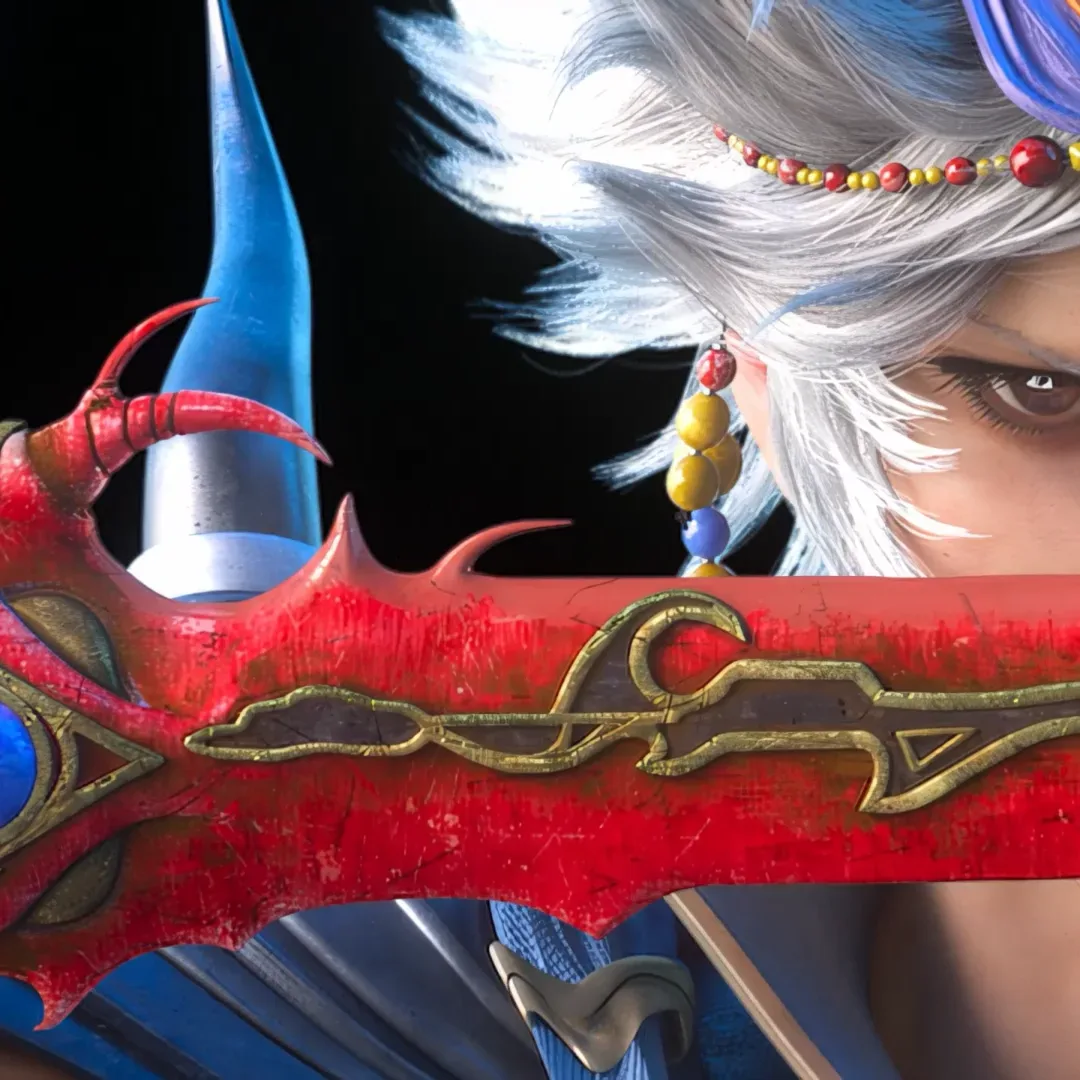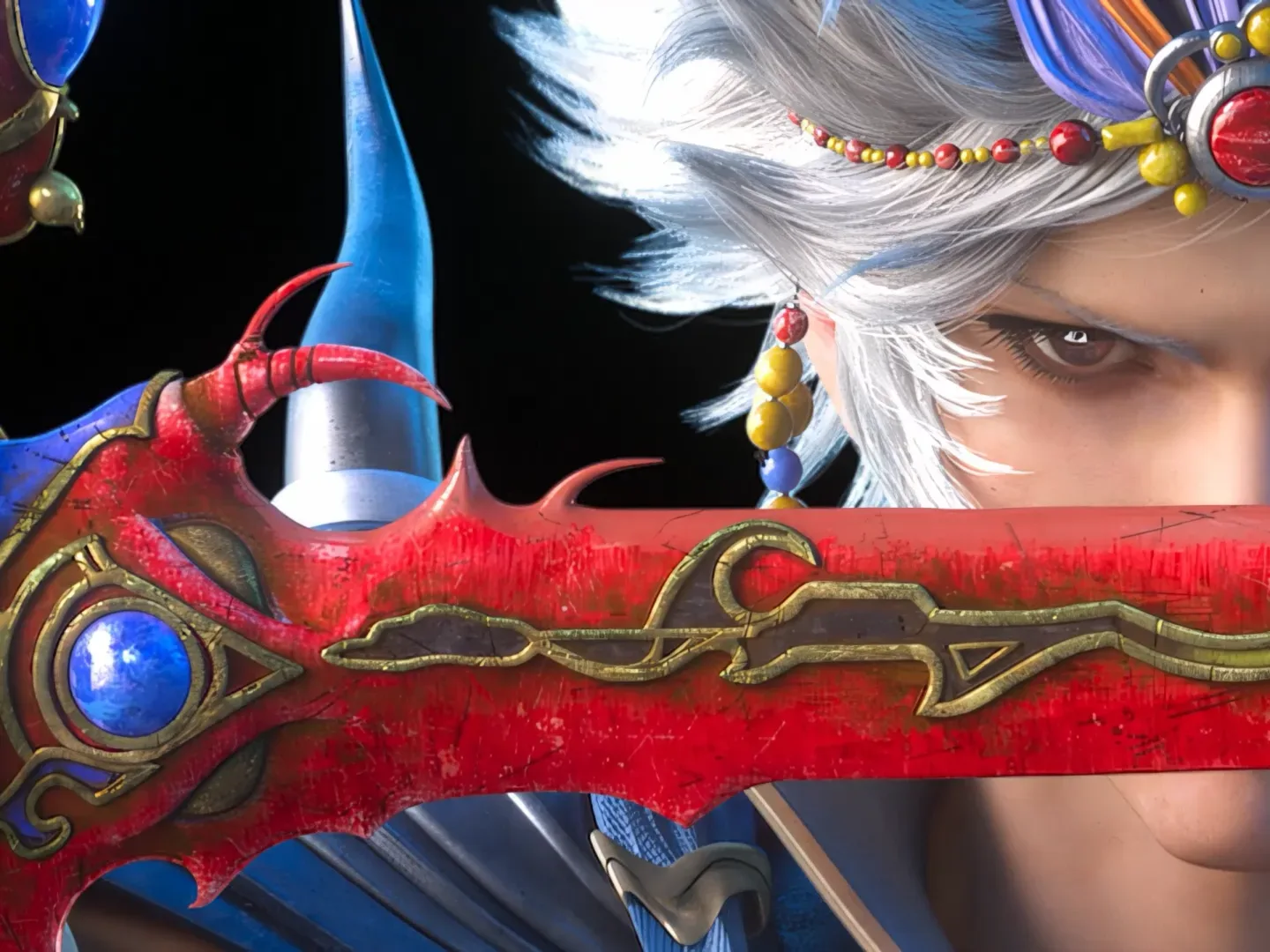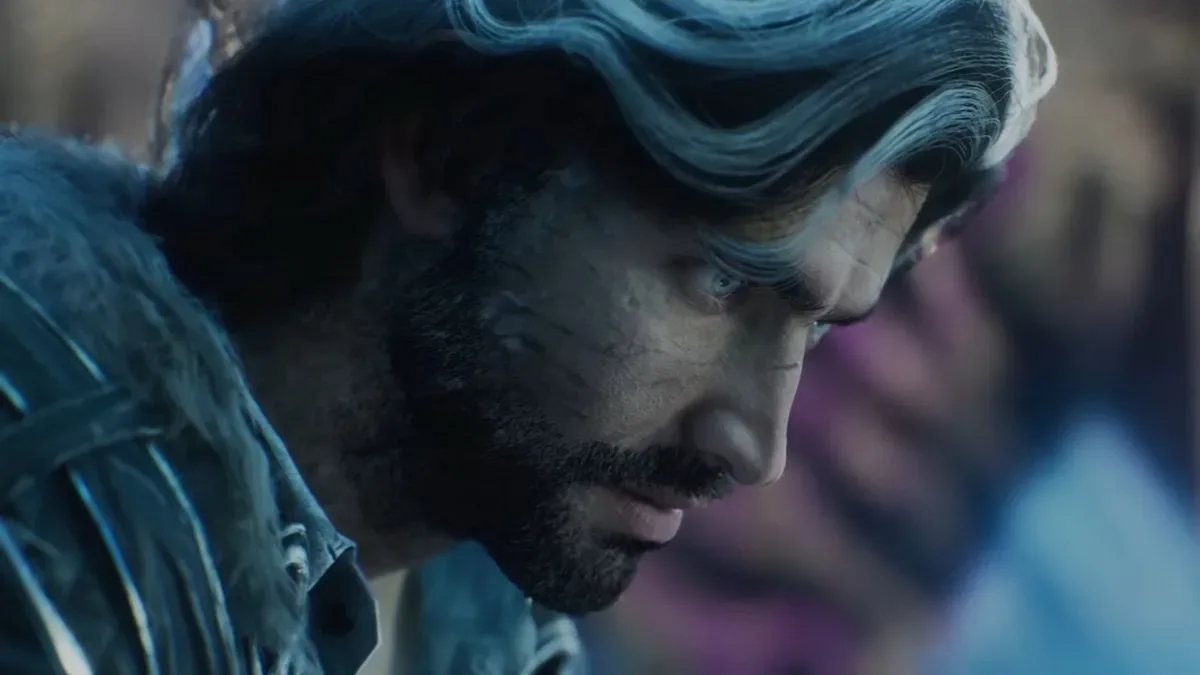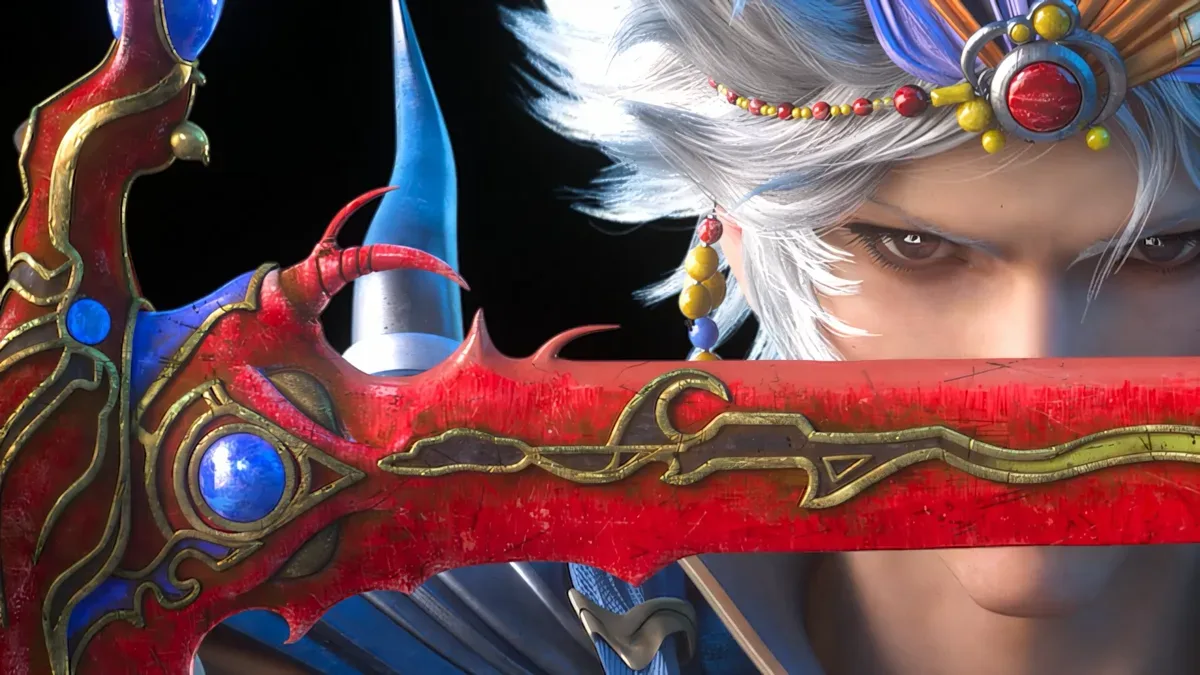
Final Fantasy Resonance’s early performance has put an old question back at the center of the series’ future: is there room for a fully turn-based, big-budget mainline Final Fantasy again?
There is no announced project that answers that question, and there is no evidence that Resonance was built as a reaction to another recent role-playing hit. But its arrival has supplied a timely data point. The HD-2D, turn-based release reportedly reached a higher Steam concurrent-player peak than Final Fantasy VII Rebirth, making it the strongest peak for a single-player Final Fantasy game on the platform. It also arrives after Clair Obscur: Expedition 33 found major attention with a turn-based structure of its own.
For analyst Rhys Elliott, the combination suggests Square Enix may have left some players underserved while recent major Final Fantasy entries leaned further toward action-oriented combat. His argument is not that every Final Fantasy must now return to one format. It is that a meaningful audience exists for a flagship-scale entry that puts deliberate, menu-driven party combat back at its core.
What Resonance’s early numbers do—and do not—say
Elliott estimates that Final Fantasy Resonance has sold 400,000 copies across PC, PlayStation 5 and Xbox Series X|S, producing $20 million in revenue. Crucially, that estimate does not include Nintendo Switch 2 sales. These are analyst figures rather than a publisher-confirmed sales announcement, so they should be read as a snapshot and not a final commercial verdict.
Even with that caveat, the reported result gives the discussion substance. A strong concurrent-player peak on Steam measures the number of people playing at the same time, not total owners, total sales, player satisfaction, or long-term retention. It is useful because it shows launch-window momentum and concentrated interest on one platform. It cannot, by itself, determine which combat system every fan prefers or what a future Final Fantasy should cost to make.
Likewise, revenue is not the same as profit. Revenue describes money brought in before development, marketing, platform, distribution and other costs are considered. The reported $20 million therefore should not be treated as a measure of the game’s profitability. Yet the scale of the estimate, alongside the Steam result, helps explain why Resonance has become part of a broader strategic conversation rather than simply another release-week statistic.
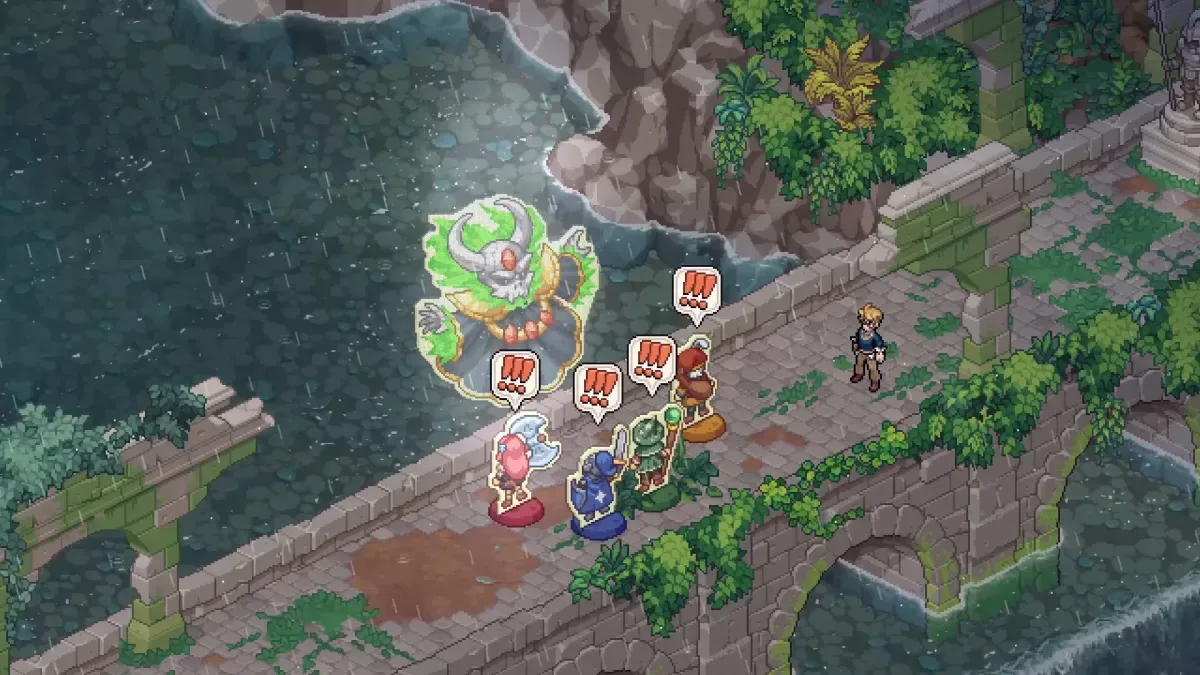
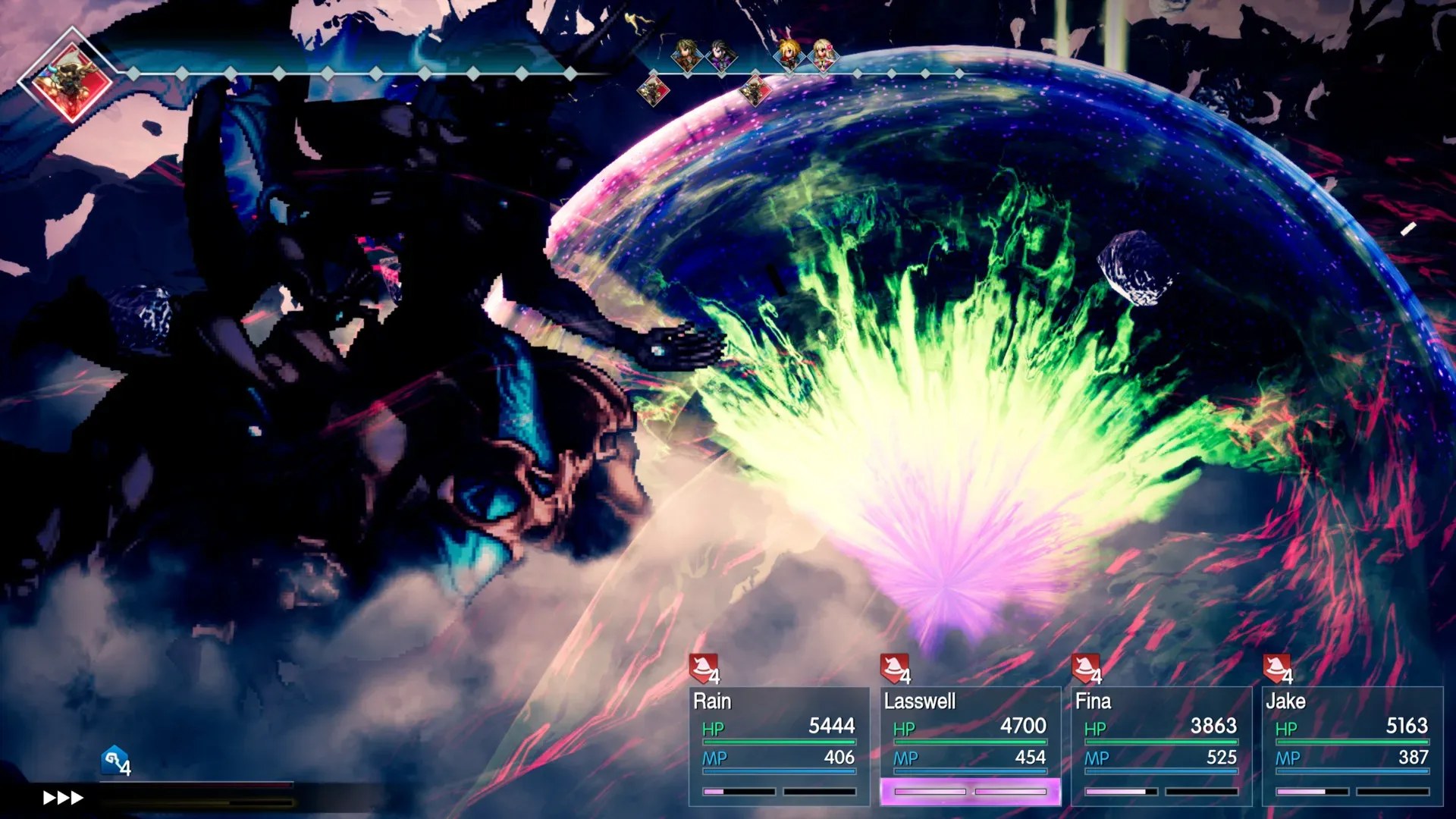
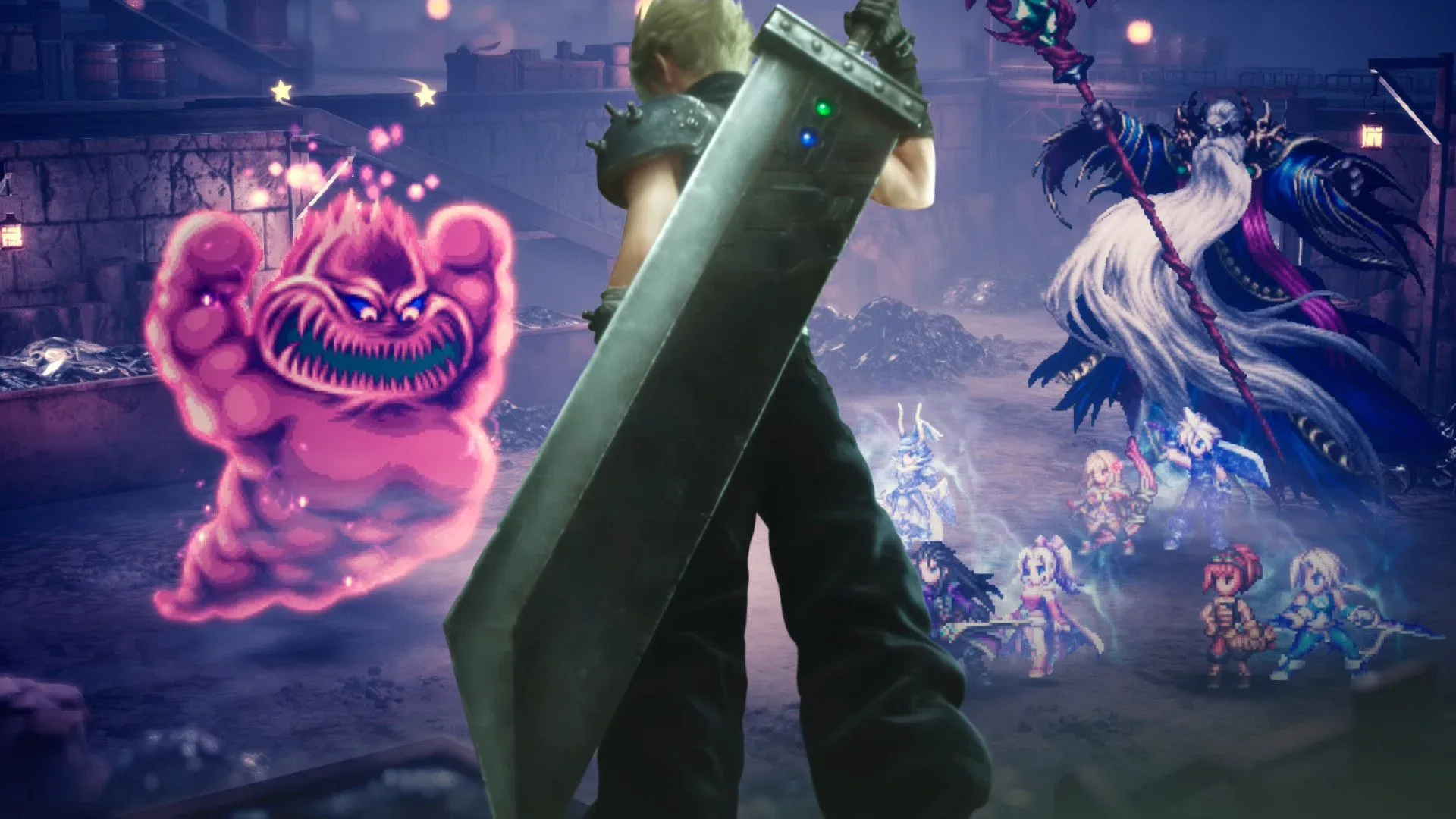
Resonance is especially notable because its approach is not framed as a retreat into the past. HD-2D is a modern visual style that combines pixel-art-inspired character work with contemporary lighting and depth effects. In this case, it gives a new original game a stylized presentation while its turn-based systems emphasize a different kind of RPG pacing from real-time action combat.
That distinction matters. The debate is not necessarily “old graphics versus new graphics,” nor “smaller games versus larger games.” It is about whether tactical turns, party planning and command selection can support a new Final Fantasy at the highest budget level as well as they can support a comparatively more compact HD-2D project.
Related coverage includes Final Fantasy Resonance Sales Renew Calls for a Turn-Based Mainline Future.
Why Clair Obscur: Expedition 33 is part of the conversation
Clair Obscur: Expedition 33 is the other major reference point in Elliott’s assessment. The game released last year, performed strongly, and won Game of the Year at The Game Awards. Its success has been interpreted by many players as proof that turn-based RPGs remain capable of broad, contemporary appeal when the setting, presentation and combat are compelling.
That does not mean Resonance was designed in response. It was already in development before Clair Obscur: Expedition 33 was revealed, much less before it launched and became a breakout success. Treating one game as a direct answer to the other would erase that development reality.
The meaningful connection is timing. Two recent high-profile examples have given proponents of turn-based design fresh evidence that the format is not inherently a niche limitation. They also challenge the idea that action combat is the only route toward a large global audience for a modern RPG.
“Turn-based” itself covers a broad range of systems. At its most basic, it means combatants act in discrete turns rather than attacking continuously in real time. The appeal is often readability: players can examine enemy status, select abilities, manage resources and coordinate a party without relying solely on reflexes. A game can still make those decisions tense through turn order, damage types, defensive timing, limited resources or punishing enemy patterns.
Action-oriented systems serve a different set of strengths. They can make movement, timing and direct control central to a fight’s excitement. Neither model is automatically deeper or more accessible; their value depends on the game being built around them. The current argument is instead about variety: whether Final Fantasy is strongest when it gives its many audiences more than one major way to engage with RPG combat.
A portfolio argument, not a single-track future
Elliott’s forecast is more nuanced than a call to abandon action RPGs. He sees room for Square Enix to pursue several Final Fantasy paths at once: its MMO, high-fidelity remakes, large mainline releases, HD-2D remakes and smaller original HD-2D games. In that model, a turn-based mainline project would fill a gap in the lineup rather than replace every other branch.
That is an important practical distinction. A long-running series can meet different player expectations through different projects. An MMO has ongoing service and community demands. A remake can be shaped by the expectations surrounding an existing story. An HD-2D title can prioritize a distinctive visual identity and a more focused scope. A big-budget numbered entry carries another level of commercial and creative expectation.
Making a mainline game turn-based would therefore be a choice about the experience being offered, not a declaration that one audience matters and another does not. It could potentially appeal to players who want the series’ party-based strategic identity foregrounded, while action-led games and remakes continue to address other preferences.
There are risks in drawing a sweeping plan from early performance, of course. Different Final Fantasy projects have different budgets, release circumstances, platforms, marketing approaches and creative goals. A Steam peak cannot cleanly compare all of them. Nor can the reported Resonance sales tell us how a much more expensive mainline production would perform years from now.
Still, decision-makers do not need a single number to settle the entire question for the number to matter. A successful game can reduce perceived risk. Resonance’s early reception and sales estimate give Square Enix a current example of its own turn-based work attracting attention across PC, PS5 and Xbox Series X|S, with Switch 2 sales not included in the estimate. Clair Obscur: Expedition 33 supplies an additional example from outside the company.
Multiplatform plans could make the test more meaningful
Elliott also points to Square Enix’s stated move toward a fully multiplatform approach and away from timed PlayStation exclusivity. If carried through consistently, that strategy could make future launches easier to assess across a wider audience from day one.
Multiplatform means releasing on more than one hardware ecosystem, such as PC and multiple consoles. For players, the straightforward benefit is choice of platform. For a publisher, the potential benefit is access to more potential buyers at launch. It can also make comparisons between game concepts more informative, although performance would still depend on many factors beyond platform reach.
PC is particularly relevant to the immediate discussion because Resonance’s Steam performance is one of the headline indicators behind it. Steam concurrent-player data is highly visible, making it a frequent shorthand for momentum. Visibility has limits, but it can quickly turn a game’s launch into a public debate about a franchise’s direction.
The same multiplatform lens also makes the conversation larger than Final Fantasy’s own history. Elliott argues that Square Enix should take cues from Capcom’s handling of legacy series and PC. He specifically cites a strong year featuring Resident Evil Requiem, Pragmata and Onimusha: Way of the Sword as an example of pursuing both established properties and newer ideas. The point is not that these franchises should be copied mechanically. It is that a company can maintain recognizable pillars while exploring distinct formats and audiences.
For players watching Square Enix’s next moves, the immediate takeaway is more modest than a prediction of an imminent announcement. Final Fantasy Resonance has strengthened the commercial and creative case for keeping turn-based design in the company’s active toolbox. It has not confirmed that the next numbered Final Fantasy will use it.
That uncertainty is worth preserving. Series strategy develops over long production cycles, and one launch does not dictate every subsequent decision. But Resonance has helped turn a familiar fan request into a more concrete business question: if a new turn-based Final Fantasy can generate this much early interest, what might happen when the format is given the resources and visibility of a major mainline release?
Until Square Enix provides an answer, Resonance and Clair Obscur: Expedition 33 will remain the clearest recent reminders that strategic, turn-by-turn RPG combat still has a substantial audience. For another upcoming RPG release across PC, Switch and current consoles, see Witchbrook’s release plans.