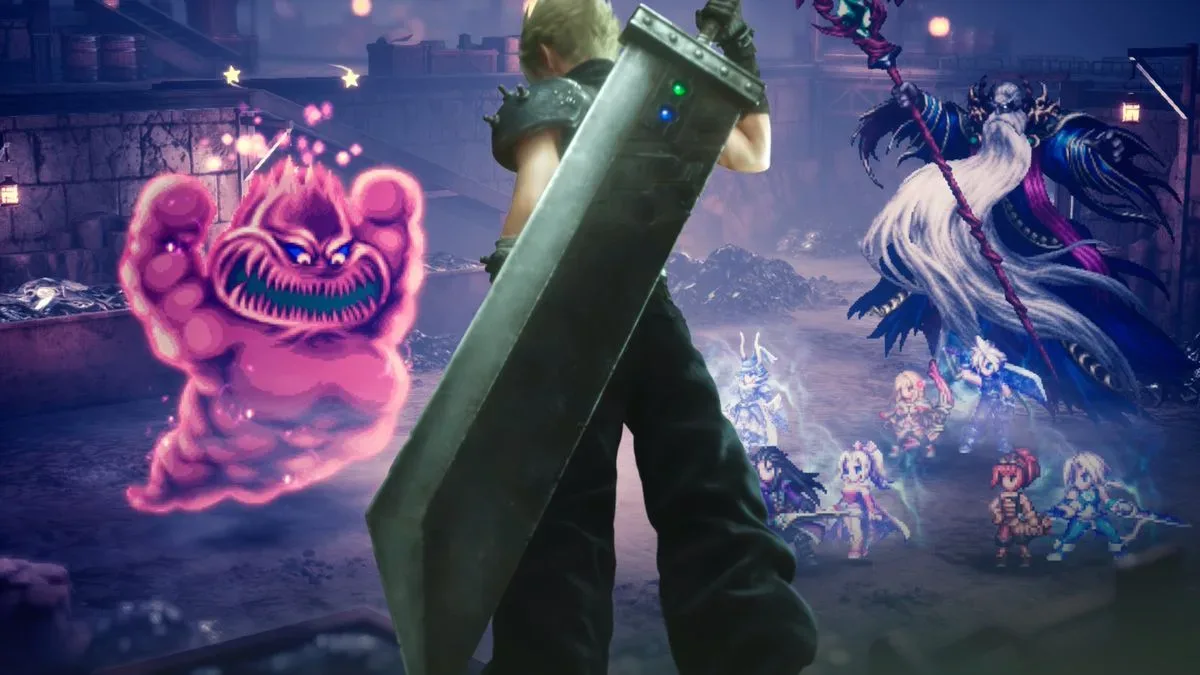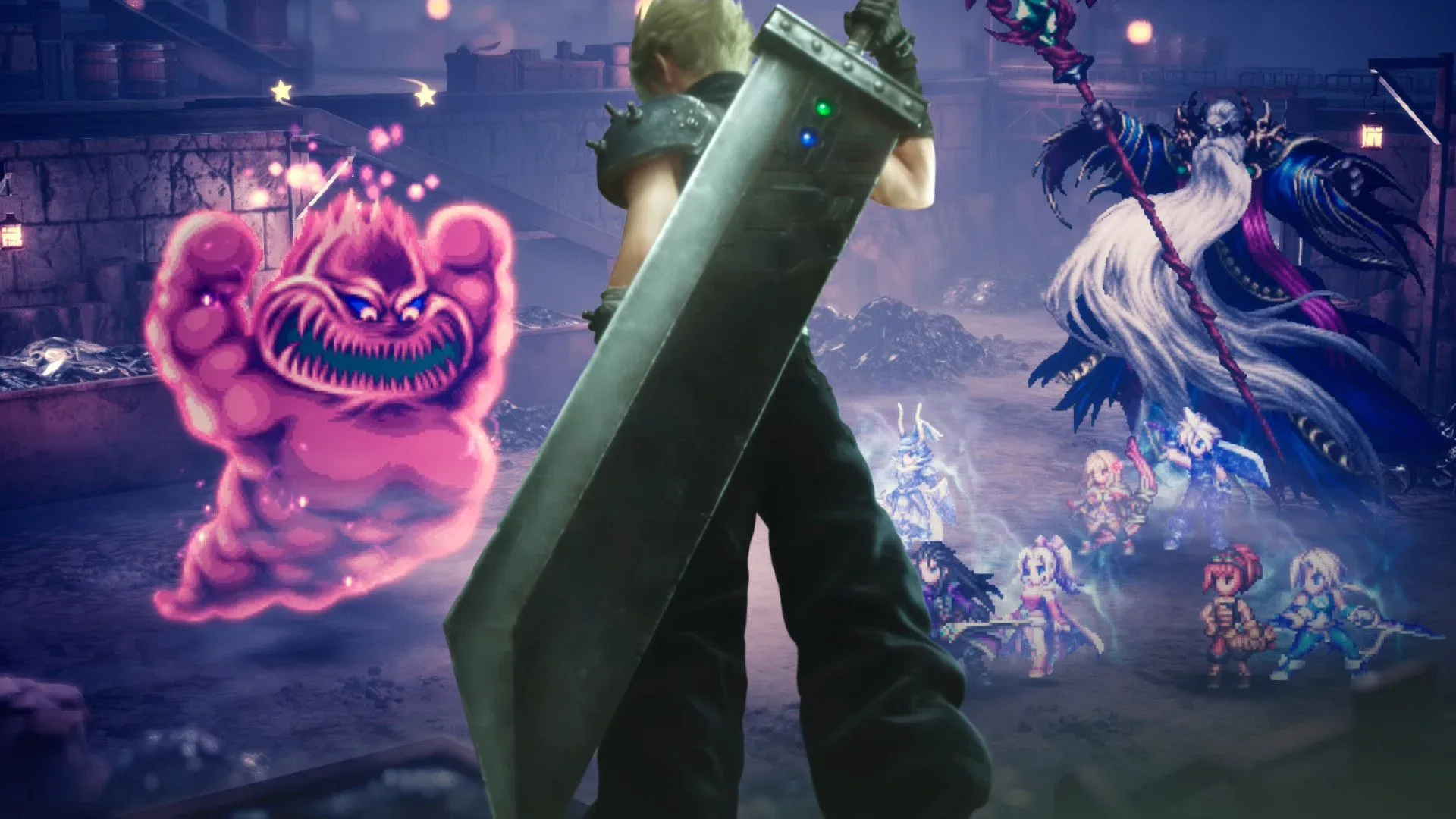
Final Fantasy Resonance has established a new Steam high-water mark for a single-player game in the Final Fantasy series. The HD-2D JRPG reached 42,885 concurrent players on the PC platform, edging past the 40,564-player peak achieved by Final Fantasy 7 Rebirth. It is a narrow lead, but an important one: Resonance now holds the series’ largest documented concurrent-player peak on Steam among its single-player entries.
The milestone also shows that Resonance’s launch interest did not stop at its initial surge. Shortly after release, the game peaked at just under 28,000 concurrent users. Its later rise to 42,885 means the earlier figure was not its ceiling, and it places the game in unusually strong company for a turn-based RPG on Steam.
What the new record actually measures
A concurrent-player peak is the highest number of people using a game at the same time on a platform. It is not the same thing as lifetime sales, total owners, total players, revenue, critical reception, or the number of people who have finished the game. It is a time-specific measure of simultaneous activity.
That distinction matters, especially when interpreting a close comparison such as Resonance’s 42,885 against Rebirth’s 40,564. The result says Resonance had a slightly larger maximum audience online on Steam at one moment. It does not, by itself, settle which game has reached more people overall or which has performed better across every platform.
Even so, concurrent figures are useful because they can illustrate the intensity of launch-period attention on a particular storefront. A high peak can reflect a large group arriving together, whether they are beginning a campaign, returning after release-week discussion, or simply taking advantage of the game’s launch window.
For PC-focused comparisons, the measure is particularly relevant. Steam has a visible ecosystem for tracking activity, and games that build momentum there can generate a very public sense of scale. Other recent PC stories have likewise shown how updates, sales and wider interest can reshape active-player counts, as seen when Cyberpunk 2077 reached a major Steam-player resurgence. The lesson is not that the situations are identical, but that a peak is best read as a snapshot with context rather than a complete commercial report card.
Resonance clears Rebirth by a small but meaningful margin
Final Fantasy 7 Rebirth previously set the relevant single-player benchmark with 40,564 concurrent Steam players. Resonance’s 42,885 peak exceeds it by 2,321 players. That is close enough that the record is more of a photo finish than a runaway victory, but it remains a record.
The two releases did not arrive on Steam under matching conditions, however. Rebirth reached PC nearly a year after its PlayStation 5 debut. By the time the Steam version arrived, some of the audience most eager to play may already have done so on console. Resonance, by contrast, released simultaneously on PC and consoles, giving Steam players a chance to take part in the initial release wave rather than wait for a later version.
Related coverage includes Final Fantasy Resonance Claims the Series' Biggest Steam Peak for a Single-Player JRPG.
This is the central caveat behind the headline. Simultaneous release can concentrate attention from PC players who want to experience a new Final Fantasy immediately, while a delayed PC launch spreads interest across different dates and platforms. The records are still real platform milestones, but they should not be treated as perfectly like-for-like tests of franchise demand.
That context does not diminish Resonance’s accomplishment. A simultaneous launch is an opportunity, not a guarantee. Resonance still had to attract enough active players to overtake a major entry in the Final Fantasy 7 remake project on the same platform. Its peak suggests that the combination of a new series release, PC day-one availability and the game’s HD-2D presentation found a substantial audience.
A strong result for a turn-based RPG
Resonance’s earlier peak of just under 28,000 players had already made it Square Enix’s second-largest Steam launch for a turn-based RPG, behind Dragon Quest 3 HD-2D Remake. The subsequent climb beyond 42,000 adds a second layer to the story. It was not merely a solid opening for a turn-based title; it grew into the biggest Steam concurrent-player result for a single-player Final Fantasy game.
HD-2D describes a visual approach combining pixel-art-style characters and environments with modern lighting, depth and three-dimensional scene effects. Resonance is the first Final Fantasy game from Square Enix identified with that style. The format gives the game a distinct visual identity within a series known for changing its look and structure from one numbered era or project to another.
Meanwhile, turn-based RPG refers here to a role-playing format built around players and opponents taking actions in turns rather than resolving every decision through continuous real-time control. The supplied figures do not explain precisely why players chose Resonance, so it would be speculation to assign the result to any one feature. What the numbers do establish is that a new single-player, turn-based Final Fantasy reached a notably large simultaneous PC audience.
Why Final Fantasy 14 remains outside this particular contest
Resonance is not the largest Final Fantasy game ever by Steam concurrent players. That broader distinction belongs to Final Fantasy 14, which reached 95,150 concurrent users around the release of its Endwalker expansion nearly five years ago. That total is more than double Resonance’s 42,885 peak.
But placing an MMO beside a self-contained single-player RPG in a direct leaderboard comparison has obvious limitations. An MMO, or massively multiplayer online game, is designed around an ongoing shared world and recurring play. Expansions, persistent characters, group activity and long-term engagement can keep a large population active at once in ways that are structurally different from a single-player release.
Resonance’s record is therefore most informative when stated precisely: it is the Final Fantasy series’ biggest Steam concurrent-player peak among single-player games. Final Fantasy 14’s much larger peak remains a major franchise achievement of its own, but it describes a different type of game and audience pattern.
How long might Resonance keep the crown?
The record may have a clear future challenger. Final Fantasy 7 Revelation, described as the third and final entry in the FF7 remake trilogy, is scheduled for next April and is set to launch simultaneously on PC and consoles. That release setup removes one of the major contextual differences affecting Rebirth’s Steam debut.
It would be premature to declare the result in advance. A simultaneous release gives Revelation access to the launch-day PC audience, but it cannot guarantee a specific concurrent-player total. Steam peaks depend on many factors that are not provided here, including when players choose to begin and how interest gathers around release.
Still, the forthcoming launch gives Resonance’s new record a useful frame. It is not a static trophy placed beyond reach; it is a benchmark for the next major single-player Final Fantasy on Steam to chase. If Revelation overtakes it, that would not make Resonance’s result less notable. It would instead show another PC-and-console simultaneous release pushing the series’ Steam audience further.
For now, the numbers are straightforward. Final Fantasy Resonance has climbed from an initial peak below 28,000 to 42,885 concurrent Steam players, passed Final Fantasy 7 Rebirth’s 40,564 peak, and become the series’ Steam leader for single-player games. With Final Fantasy 14 properly separated as an MMO comparison, Resonance has a record that is both specific and substantial.