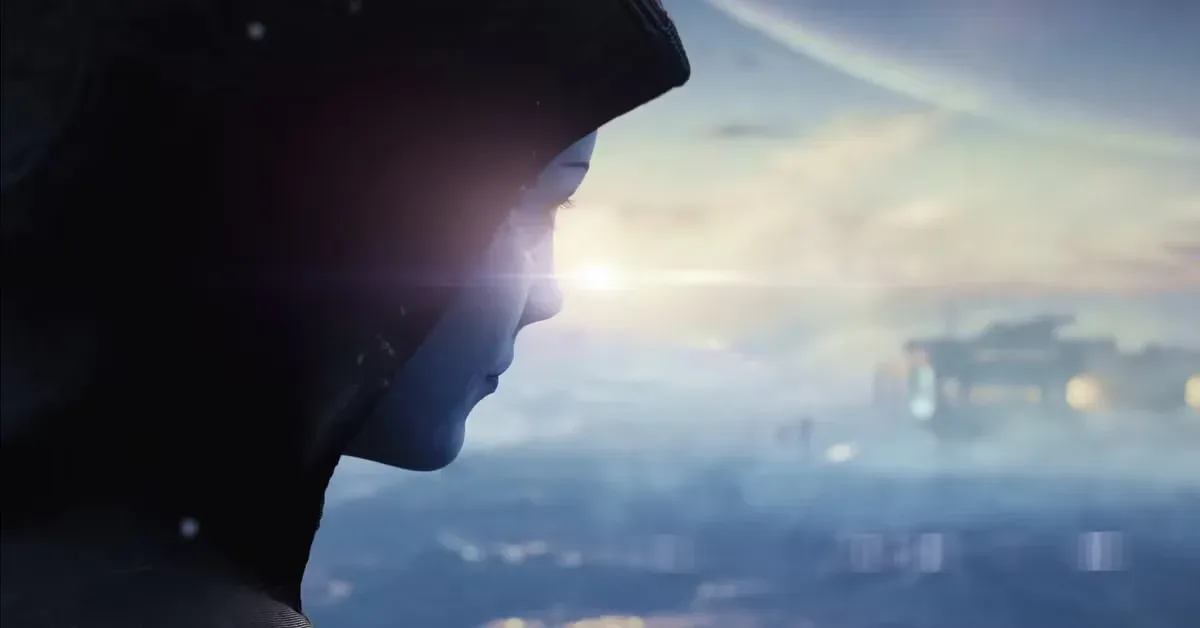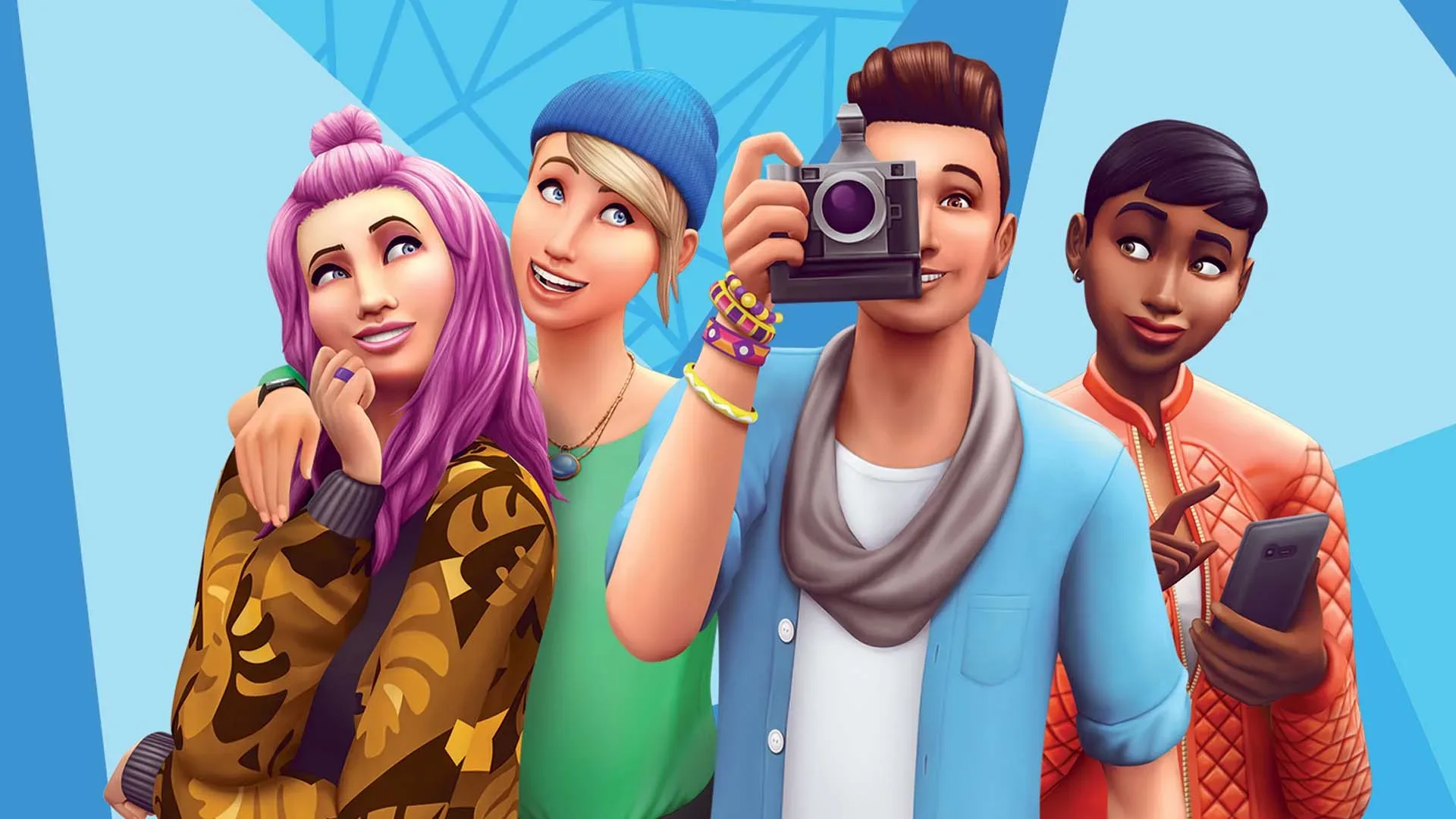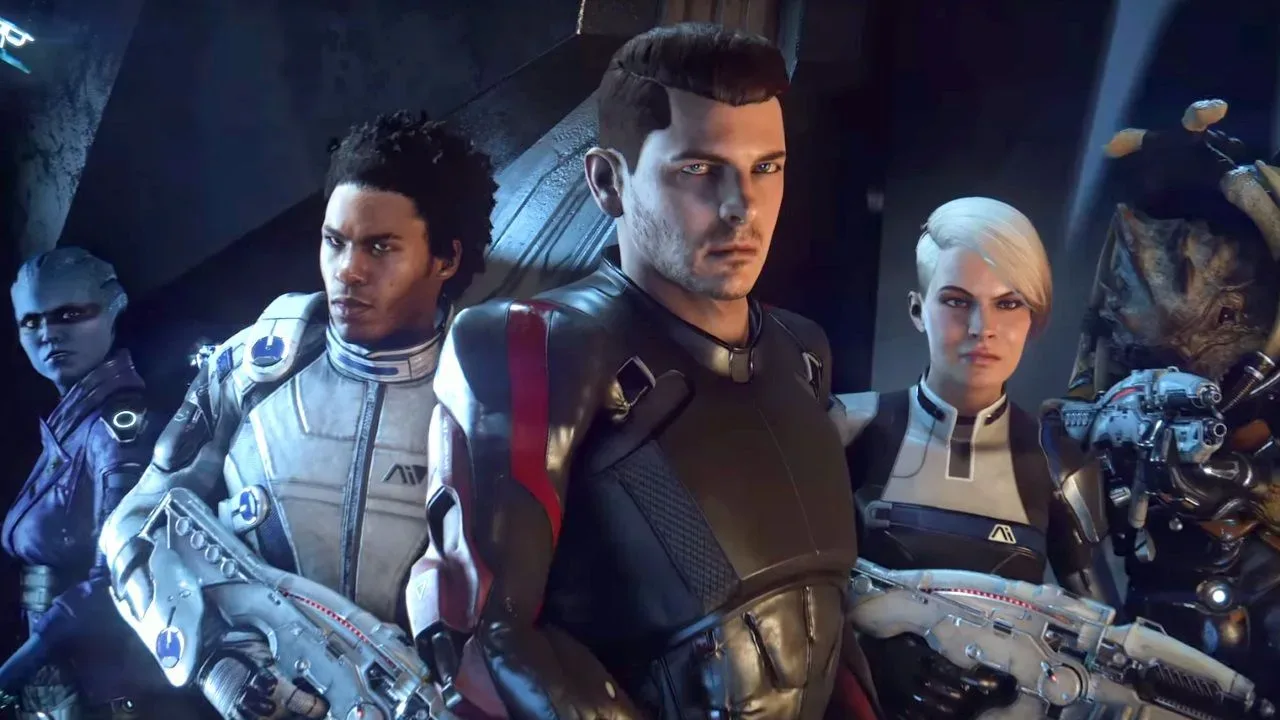
Electronic Arts’ reported $55 billion sale to Saudi Arabia’s Public Investment Fund, Silver Lake Partners and Affinity Partners has sharpened two overlapping fears around one of gaming’s biggest publishers: what happens to its workforce, and what happens to the inclusive worlds created by studios such as BioWare, Maxis and Respawn?
The acquisition was announced in September 2025 and reportedly closed on August 4. In a global staff town hall held the following day, EA executives reportedly told developers that the company’s new partners would not be involved in creative decisions. That message matters enormously to players who see Dragon Age, Mass Effect, The Sims and Apex Legends as unusual AAA spaces for queer characters, identity exploration and communities built around both.
But a reassurance is not a roadmap. The same reporting describes broad answers at the town hall, no clear discussion of possible layoffs or budget changes, and employee concern that questions in the Q&A did not address the issues workers actually wanted answered. Meanwhile, EA reportedly told debt investors that it would seek $170 million in savings through “organizational efficiencies” while managing $18 billion in debt connected to the deal.
For many employees and fans, the combination leaves little room for confidence. The immediate story is not proof that creative restrictions are planned. It is that the people most attached to EA’s inclusive games do not believe a general promise settles their concerns—particularly amid uncertainty about staffing, future projects and the commercial pressures of a highly leveraged acquisition.
What EA’s message does—and does not—settle
The reported internal line is straightforward: new ownership will not make creative decisions. Taken literally, that would mean choices about characters, romances, player options, scripts and representation remain with EA’s existing creative leadership and studio teams rather than being dictated by its buyers.
Yet the distinction between direct creative intervention and business direction is important. Creative decisions are the visible choices players encounter in a game: a protagonist’s options, a character’s identity, a romance path, dialogue, story themes and customization tools. Business decisions can include staffing levels, budgets, release schedules, greenlighting projects and the types of games prioritized. Those may not dictate a specific line of dialogue, but they can still define what work is possible, which teams remain intact and whether a project gets made at all.
That is why the lack of detail around cost reductions has intensified concern. “Organizational efficiencies” is corporate language generally used to describe spending reductions or operational changes, but the material supplied does not establish precisely where EA intends to make cuts. It should not be treated as confirmation of layoffs at a named studio or of changes to any particular game. It does, however, explain why employees outside the company’s prominently discussed pillars—sports, Battlefield, The Sims and Apex Legends—reportedly feel particularly exposed.
One worker’s assessment of the town hall was blunt: staff expected little beyond language fit for a press release. That mood is central to the response. Corporate reassurances tend to carry less weight when workers are already waiting for clarity about their jobs and when fans are looking at years of publisher decisions they felt put financial targets ahead of individual studios’ identities.
Why these series mean more than brand value
The anxiety around EA is not limited to a generic concern about an ownership change. Players are reacting because these games have served different, specific roles in queer gaming culture.
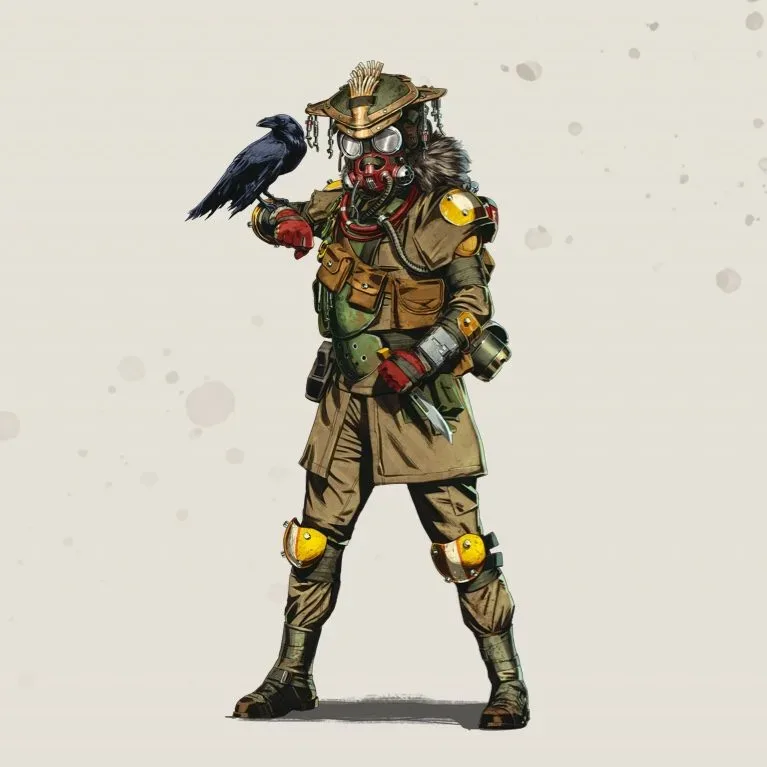
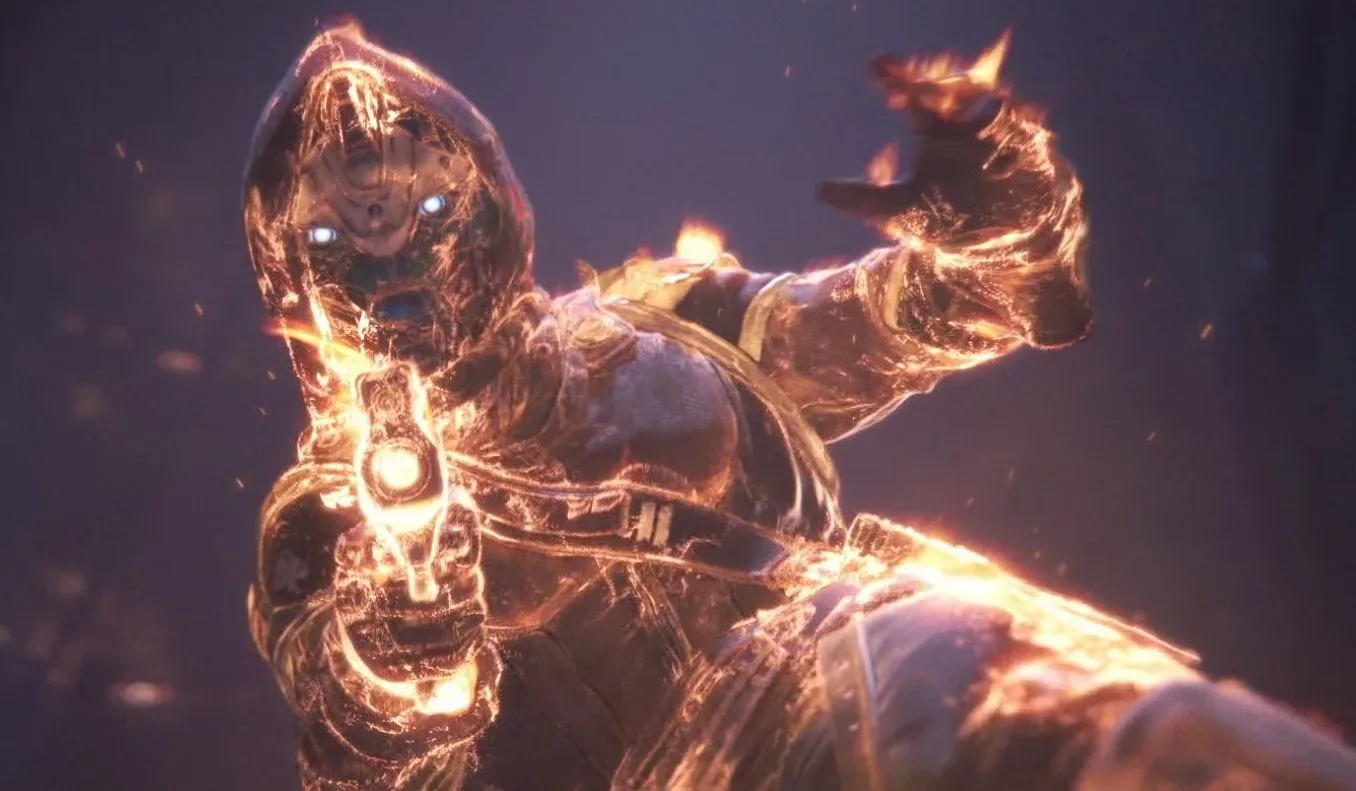
Apex Legends offers a roster of defined heroes rather than player-created protagonists. For fans, Bloodhound’s nonbinary identity and the use of they/them pronouns have been meaningful not merely as character trivia but as an explicit part of the game’s world. Players also point to Respawn’s public affirmations of Bloodhound’s identity during backlash online. In this context, representation includes both what a game says in fiction and whether its developer stands behind that reading when its community becomes hostile.
For some fans, that approach fostered an active creative community of lore writers, artists and creators. The practical significance is easy to miss if representation is reduced to a checklist: a character can become a meeting point. Players share art, stories, strategies and friendships around a world that recognizes them. Removing or softening that recognition could affect more than a future character bio; it could change the sense of welcome around the game.
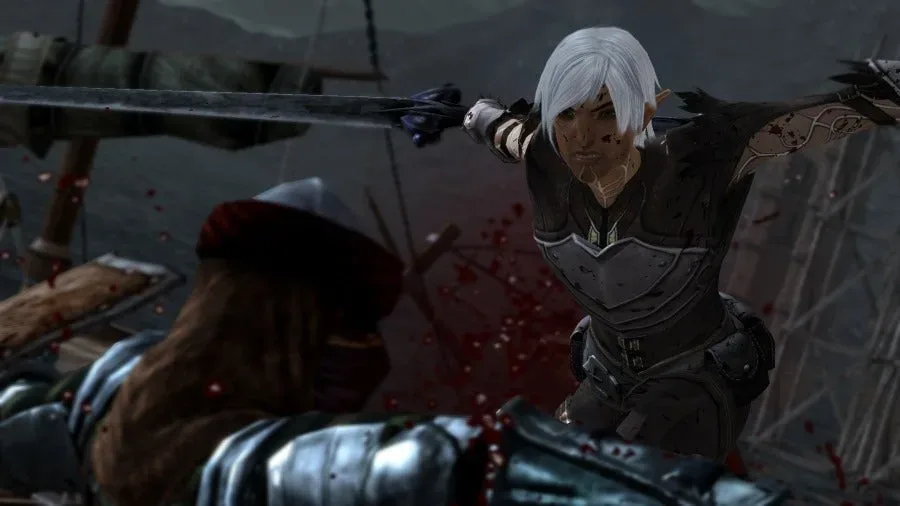
BioWare’s role is different. RPGs such as Dragon Age and Mass Effect let players create protagonists, make choices and form relationships. That player agency can make romance and identity options personally resonant. Fans describe experimenting with same-sex relationships in these games before they had language or certainty about their own identities. For a player raised with heterosexuality treated as the assumed default, the ability to flirt with a character such as Zevran in Dragon Age: Origins could be a startling reminder that the boundaries imposed in real life were not universal.
This is not to say a game mechanically creates someone’s identity. Rather, interactive fiction lets people test choices, imagine a self and encounter reactions from virtual characters in a comparatively low-risk setting. A romance system is a technical game feature—usually a set of dialogue conditions, relationship variables and narrative branches—but it can have consequences far beyond its implementation.
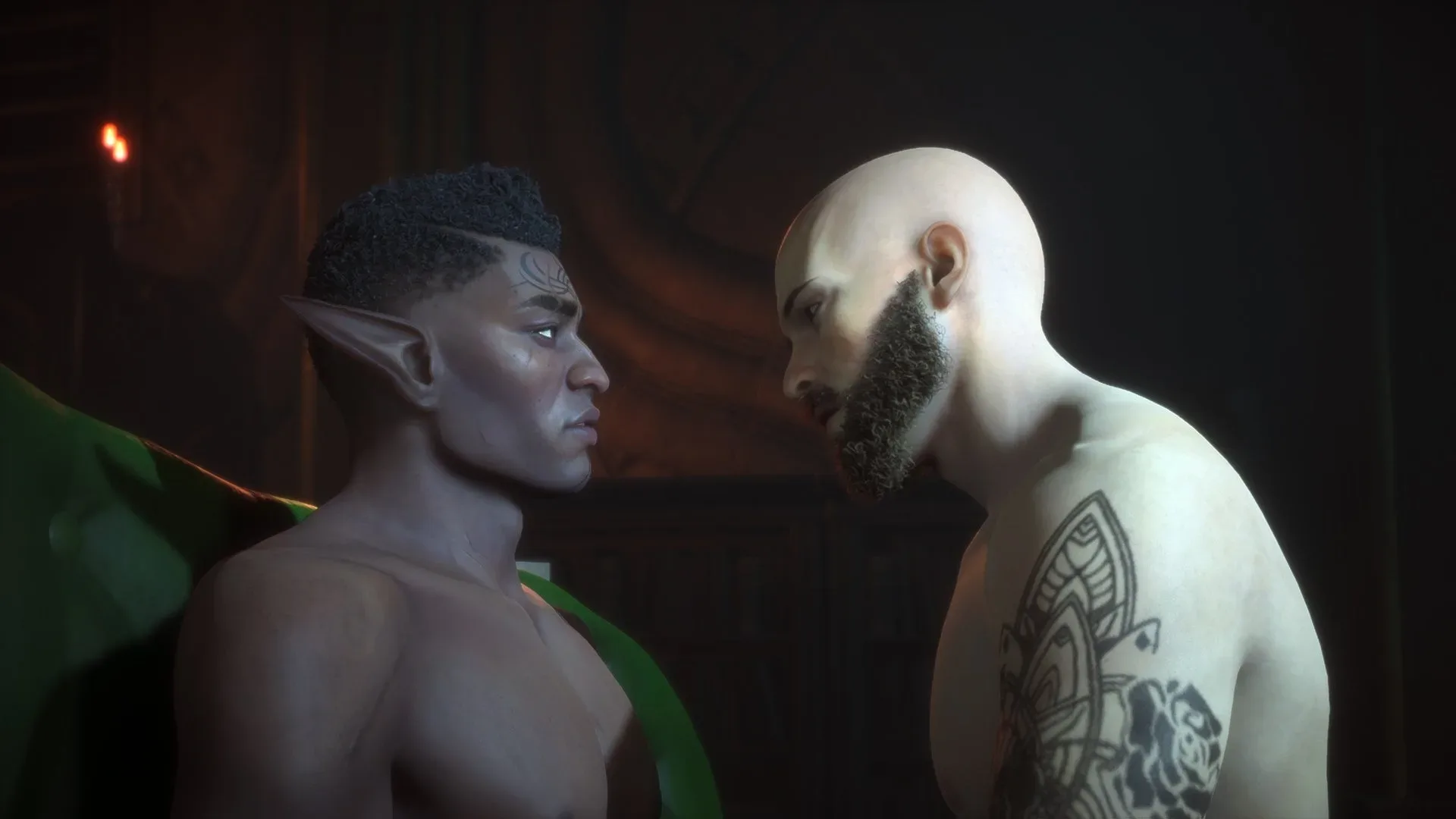
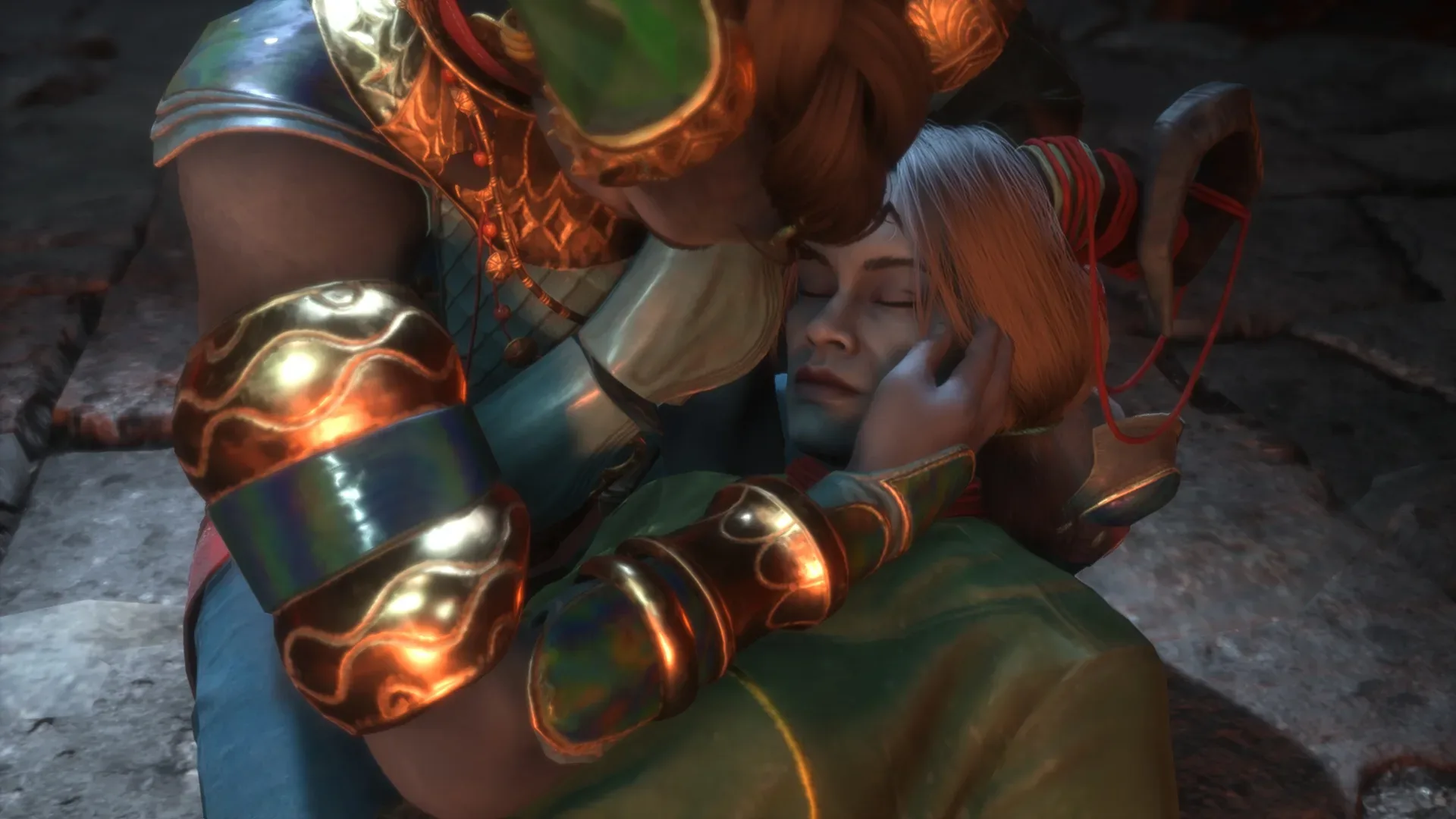
Dragon Age: The Veilguard, released in 2024, extended that space through player options to identify as transgender and through Taash’s storyline concerning a nonbinary identity. Fans who connected with the character describe the story as difficult and cathartic, especially where it explores family misunderstanding and acceptance. Its importance was not that every player would have the same response, but that a mainstream game gave a complicated gender journey meaningful narrative room.
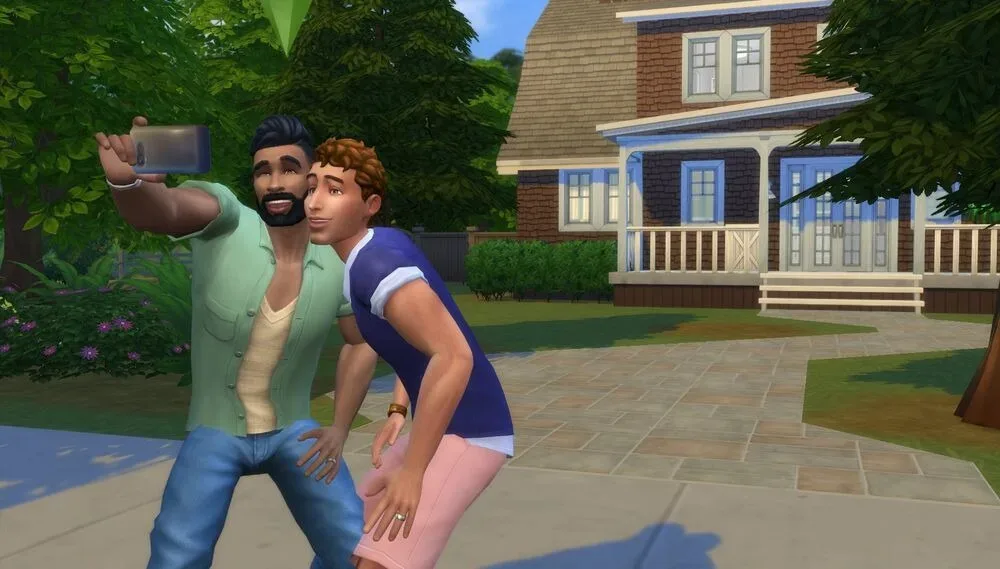
The Sims has arguably offered the broadest form of experimentation. Since the first game, the life-simulation series has allowed same-sex marriage and gay couples having children. Later games added trans and nonbinary representation, Pride-themed decorations and other inclusive elements. Because its central appeal is building people, homes and relationships, it can become a particularly flexible tool for self-expression. Players can try styles, identities, relationship structures and domestic lives that feel unavailable, unsafe or simply unspoken elsewhere.
One fan’s recollection of discovering an autonomously formed same-sex couple in the original game captures the series’ particular power. It was not staged as a special exception. It was part of the simulation. For players used to seeing only one kind of relationship normalized, ordinary inclusion can be transformative precisely because it is ordinary.
The ownership concern is inseparable from Saudi Arabia’s human-rights record
Queer players’ skepticism is tied directly to Saudi Arabia’s criminalization of same-sex relationships and transgender expression. For fans, this is not an abstract question about whether a distant investment group will meddle with a character creator. It is a question of whether a government whose laws and record clash with their lives can ultimately benefit from, influence or reshape games that they have considered welcoming.
The Public Investment Fund has also built a sizable presence in games, with interests that include Pokémon Go developer Scopely and Nintendo. Critics use the term sportswashing to describe efforts to improve or redirect a country’s public image through prominent investments in sports and entertainment while human-rights abuses remain a concern. In this case, players are applying the same criticism to games: major franchises can provide cultural prestige and broad public engagement, not just financial returns.
That context explains why the promise of no creative interference has met such a cold reception. Fans interviewed about the sale overwhelmingly viewed the statement as insufficient, with several arguing that even executives who mean it today might not retain the authority to uphold it later. Those are expressions of distrust and predictions, not established facts about an imminent change to a game’s content. Still, they show how much credibility EA must earn if it wants its reassurance to land.
Debt, cost cutting and the threat to creative continuity
There is another concern that does not depend on a direct ideological order from owners: financial pressure can damage inclusive creative work through disruption. A studio facing cuts may lose writers, designers, artists, producers or community staff who carry institutional knowledge. A project may be narrowed, redirected or cancelled before an individual representation decision ever reaches a script meeting.
Fans are already worried about BioWare’s stability after the underperformance of Anthem and Mass Effect: Andromeda. The material also describes uncertainty surrounding the planned fifth Mass Effect game, while Dragon Age is seen by fans as having an unclear future after EA considered sales of The Veilguard tepid. None of that confirms the fate of either series. It does explain why a vague internal assurance is being received against a backdrop of long-running anxiety.
Some players fear the acquisition will deepen EA’s preference for recurring-revenue games over smaller single-player projects. A live-service game is a title designed to receive ongoing updates and often to generate repeat spending over time, through mechanisms such as battle passes, cosmetics or other microtransactions. That model is not inherently incompatible with queer characters—Apex Legends itself is a live-service game—but it can change which projects a publisher prioritizes and what success is expected to look like.
It is also important to separate evidence from speculation. Claims that EA will be dismantled, that intellectual property will be sold, or that every future game will reduce representation remain fan theories and fears. The supplied material does not substantiate them as plans. The reported debt and cost-reduction target are real grounds for scrutiny; the exact operational consequences are not yet known.
What players can realistically watch for next
In the absence of concrete detail, fans looking to judge the promise can focus on observable actions rather than marketing language:
- Staffing clarity: whether EA communicates candidly with workers about restructuring, budgets and job security.
- Greenlights and cancellations: whether projects with character-led, single-player or inclusive ambitions continue to receive meaningful support.
- Creative continuity: whether future games preserve meaningful romance options, character customization and explicitly queer protagonists or supporting casts.
- Community moderation and support: whether studios continue to defend inclusive characters and manage harassment without retreat.
- Transparency: whether EA explains how its new owners’ influence is separated from creative work in practice, not just in a single assurance.
Players are responding in different ways. Some say they will not spend further money on EA games but will continue enjoying the titles they already own. Others intend to remain active in fandom spaces, where art, lore discussion and friendships can persist independently of a publisher’s store page. Still others say the quality of future games will determine whether they engage. None of these responses is universal, but all reflect the fact that audiences are weighing both the games themselves and where their money ultimately goes.
There are also players considering alternatives, including the life-sim Paralives, while others hope talented developers who leave large publishers can eventually make new independent work. That does not replace the history or communities of The Sims, Dragon Age or Apex Legends. It does underscore a practical reality: fans can preserve culture through communities, but only studios and publishers can decide whether future official games remain welcoming places.
EA now has a difficult burden of proof. Its executives reportedly told workers that ownership will not steer creative choices. The games at the center of this debate have earned loyalty because they made room for people who often did not see themselves in blockbuster releases. Whether that tradition continues will be measured in staffing decisions, games that survive development, and the actual characters and choices players encounter—not by the town hall promise alone.
For more on the business choices shaping game development, see our coverage of how pricing strategy can position a game within a crowded release schedule.