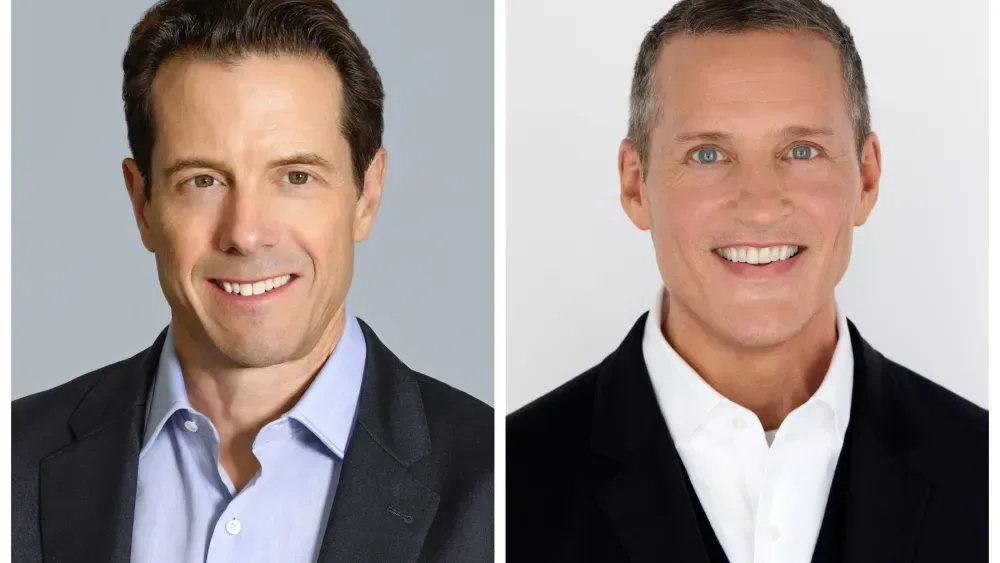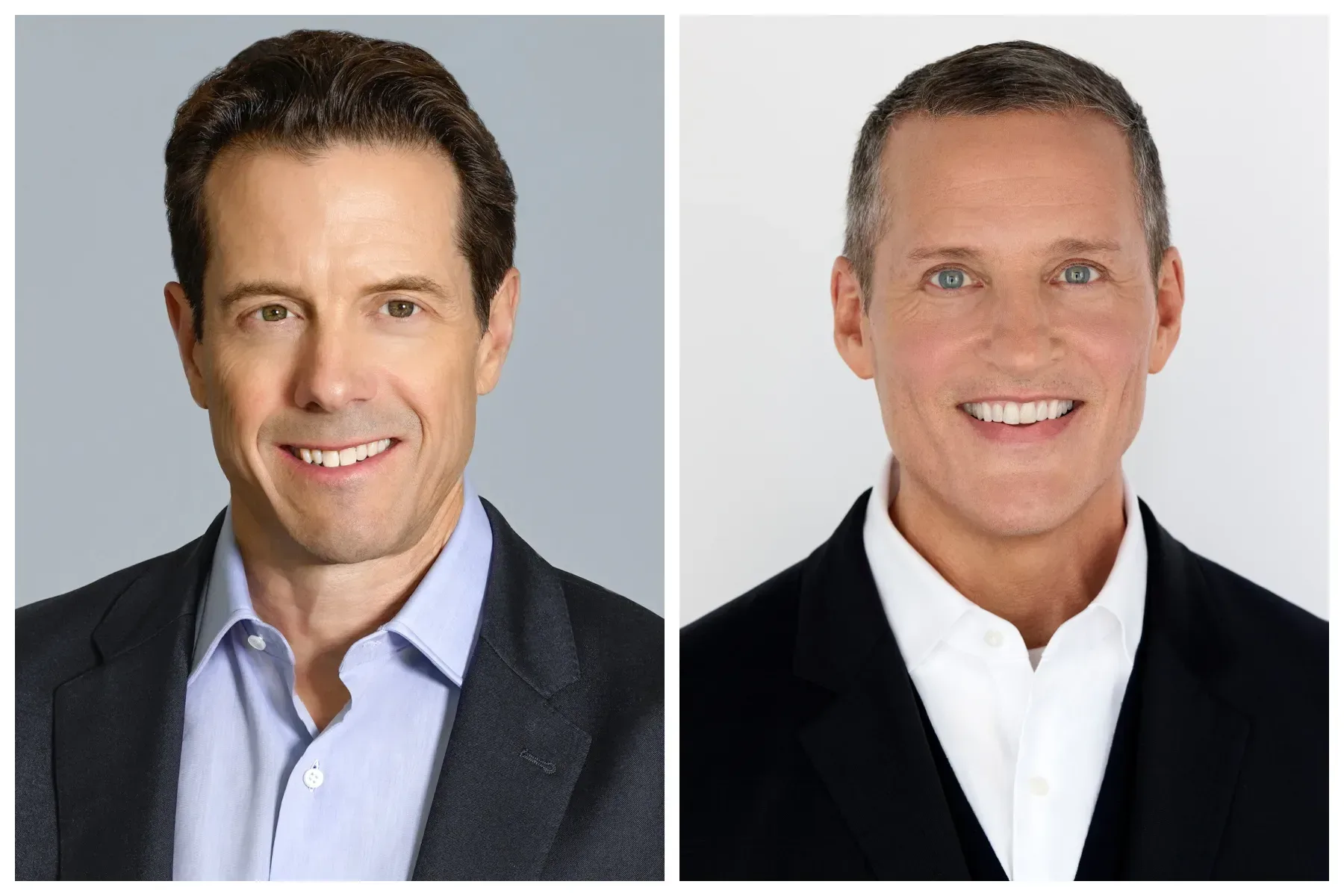
Disney has redrawn the leadership map around its streaming and television businesses, elevating Adam Smith to chairman of direct-to-consumer for Disney Entertainment and moving Joe Earley into the newly created position of president of Disney Entertainment Television franchise and content strategy.
The change ends the pair’s brief stint as co-presidents of direct-to-consumer and gives the company one dedicated leader for the global entertainment streaming operation. Both executives will report to Dana Walden, Disney’s president and chief creative officer.
For viewers, this is not a promise of a particular show, app redesign or subscription change. Those specifics have not been announced. But the division of responsibilities is revealing: Smith’s remit centers on the machinery and customer-facing side of Disney+ and Hulu, while Earley’s new portfolio is about building television franchises and guiding the content operation that can feed them.
Smith gets a consolidated direct-to-consumer mandate
Smith will oversee Disney’s global entertainment SVOD business. SVOD means subscription video on demand: services that provide streaming libraries and programming through a subscription rather than a conventional broadcast schedule. At Disney, that responsibility includes Disney+ and Hulu.
His portfolio is notably broad. Disney says Smith will oversee product, engineering, advertising technology, programming strategy, viewer experience, partnerships, and data and analytics across the services. He is also tasked with strategy, development and continued innovation across streaming platforms, proprietary ad technology and emerging technologies.
That is more than a content-selection job. Product and engineering cover how an app works and develops. Viewer experience concerns the practical customer journey of finding, choosing and watching programming. Data and analytics refers to the information used to understand how audiences use the services and to inform decisions. Advertising technology is the technical infrastructure involved in delivering and measuring ads within streaming offerings.
Putting those connected functions under a single chairman signals an attempt to make the direct-to-consumer business operate with a clearer center of gravity as Disney makes Disney+ a central focus. A streaming service can be judged by its shows, but the service itself is also a product: its search, presentation, reliability, advertising systems, partnerships and ability to connect people with the company’s wider entertainment ecosystem all matter.
Smith said the aim is for Disney+ to become a connection point where fans can engage with the breadth and depth of Disney’s broader ecosystem.
Related coverage includes Disney Names Adam Smith Streaming Chairman, Moves Joe Earley to TV Franchise Strategy.
Smith arrived at Disney in 2024 as chief product and technology officer for Disney Entertainment and ESPN, following more than two decades at Google and YouTube. He was promoted to co-president of direct-to-consumer with Earley in March. Walden credited Smith with assembling a product and technology leadership team and significantly improving the Disney+ user experience globally over the past two years.
Earley’s new job puts the emphasis on franchise building
Earley will now lead the strategic development of Disney Entertainment Television franchises. In practical terms, Disney says that means working to maximize franchise value, create fresh audience-engagement opportunities and advance the business around those properties.
His oversight will include content and production for international originals, production, labor relations and creative talent development. It is an unusually wide mix of creative and operational responsibilities. International originals are productions made for audiences outside the company’s domestic base; labor relations involves the company’s relationship with organized labor and workforce agreements; creative talent development concerns cultivating the people who make and shape programming.
The title’s phrase “franchise and content strategy” is important. A franchise is not simply a recognizable name. In corporate entertainment terms, it is an intellectual-property world or programming brand that can sustain continuing audience interest and support multiple creative or commercial opportunities. The announcement does not identify individual franchises or lay out a new slate. It does, however, establish a senior role designed specifically to determine how television franchises are developed and extended.
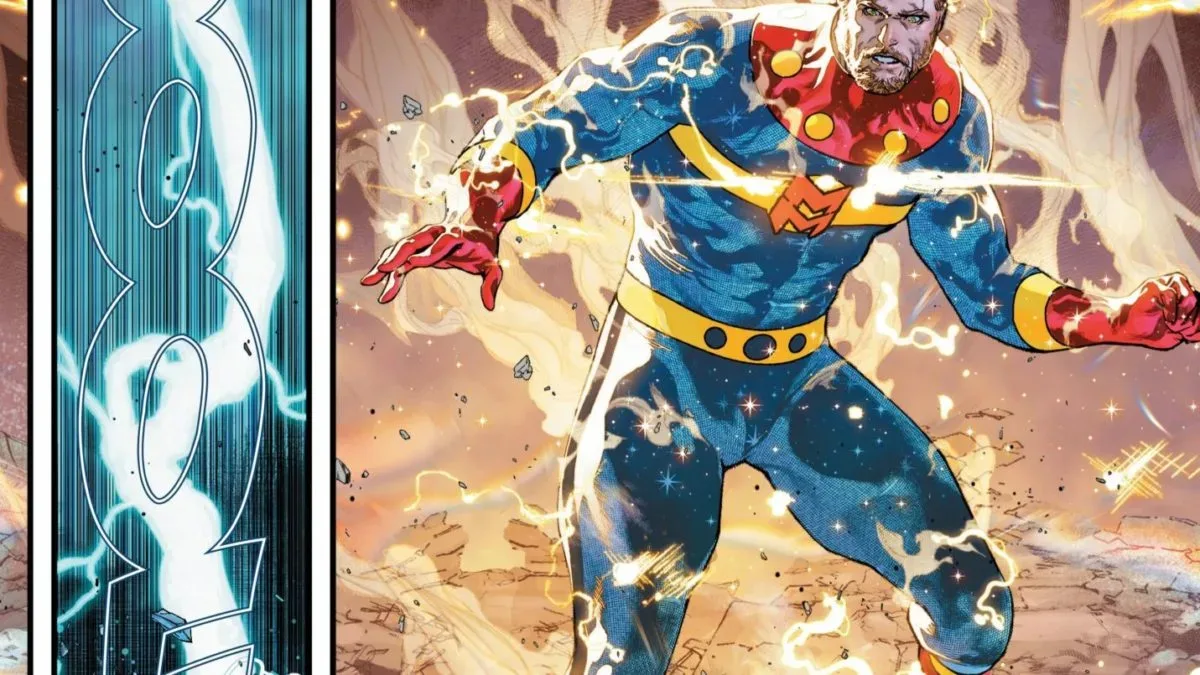
That approach has clear relevance to audiences who follow Disney-owned genre brands and the broader entertainment conversation around them. Questions of which characters, stories or television properties receive more attention often begin long before a trailer arrives; they are tied to how a company defines the long-term potential of its catalog and creative teams. For a related look at the stakes around one comic-book property and its place in a larger franchise discussion, see why Miracleman’s “Kimota” moment could matter to Avengers: Armageddon.
Earley brings substantial direct-to-consumer experience to the television assignment. He joined Disney in 2019 to oversee global Disney+ marketing and operations in advance of the service’s launch. He became Hulu president in 2022, then head of Disney’s direct-to-consumer division in April 2023. Before Disney, he worked at Fox.
Walden described Earley as a leader with both business acumen and creative instincts, and said she and Debra OConnell were eager to bring him onto the Disney Entertainment Television leadership team. That combination fits the stated scope of the role: franchise planning needs creative judgment, while international production, labor relations and the effort to turn audience engagement into a sustainable business all require operational judgment.
What the restructuring does—and does not—tell us
The most concrete takeaway is organizational. Disney is separating the leadership of the streaming platform business from the leadership of television franchise and content strategy. Smith owns the direct-to-consumer destination; Earley moves into a role focused on the television programming and franchise system around it.
There will inevitably be overlap. Programming strategy is listed under Smith’s streaming responsibilities, while Earley has television content and production among his duties. That is not necessarily a contradiction. One role can focus on how programming serves a streaming product and its audience, while the other can focus on creating, producing and growing the television franchises themselves. Both reporting to Walden supplies a common leadership line for coordinating those connected decisions.
It would be premature, though, to translate the leadership shuffle into claims about particular titles or changes to either service. Disney said that further details will arrive later. The announcement does not describe new platform features, programming plans, release dates, advertising products or organizational reporting structures beneath Smith and Earley.
It also does not make a consumer-facing claim that Disney+ and Hulu are becoming the same product, or that audiences should expect any immediate difference in how they use either service. What it does show is that Disney considers product, technology, advertising and data important enough to place under one expanded streaming chairman at a moment it is trying to keep scaling its direct-to-consumer business.
Why a single streaming leader matters
Disney’s stated reason for the change is straightforward: it wants a structure with one dedicated direct-to-consumer leader as the business continues to grow. The chairman role makes Smith accountable across a set of functions that affect both the commercial and creative usefulness of a streaming platform.
For example, a recommendation system, a home-screen presentation, a search tool, an ad-serving platform and a partnership can all shape whether a subscriber discovers a program and remains engaged. None of those systems replaces storytelling. But they are the route by which storytelling meets an audience in a streaming environment. Smith’s background in product and technology, together with the scope Disney has assigned him, makes that relationship central to his job.
Earley’s new focus supplies the complementary side of the equation. A platform benefits from an organized pipeline of distinctive programming and franchises that can sustain audience interest. His remit reaches from international originals and production to labor relations and talent development, suggesting that franchise strategy is being treated as something that involves the full television-making process rather than only brand management after a hit has already appeared.
The pair are therefore moving from shared stewardship of direct-to-consumer into roles with more defined lanes. Smith is positioned to shape the technological, product and business environment for Disney+ and Hulu. Earley is positioned to guide how Disney Entertainment Television develops and expands programming franchises, including the people and production structures needed to do that work.
The next detail to watch
Disney has said additional information about the leadership shifts will be provided later. Until then, the announcement is best understood as a structural move, not a roadmap of imminent content changes.
Still, the strategy is clear enough to track. Smith’s success will be tied to the continuing development of the direct-to-consumer operation across product, technology, advertising and audience experience. Earley’s will be tied to turning Disney Entertainment Television franchises into deeper audience relationships and new business opportunities, while overseeing key aspects of content creation and international production.
For Disney, the bet is that those are distinct enough challenges to deserve distinct executive focus—and connected enough that both should report to the same top creative leadership.