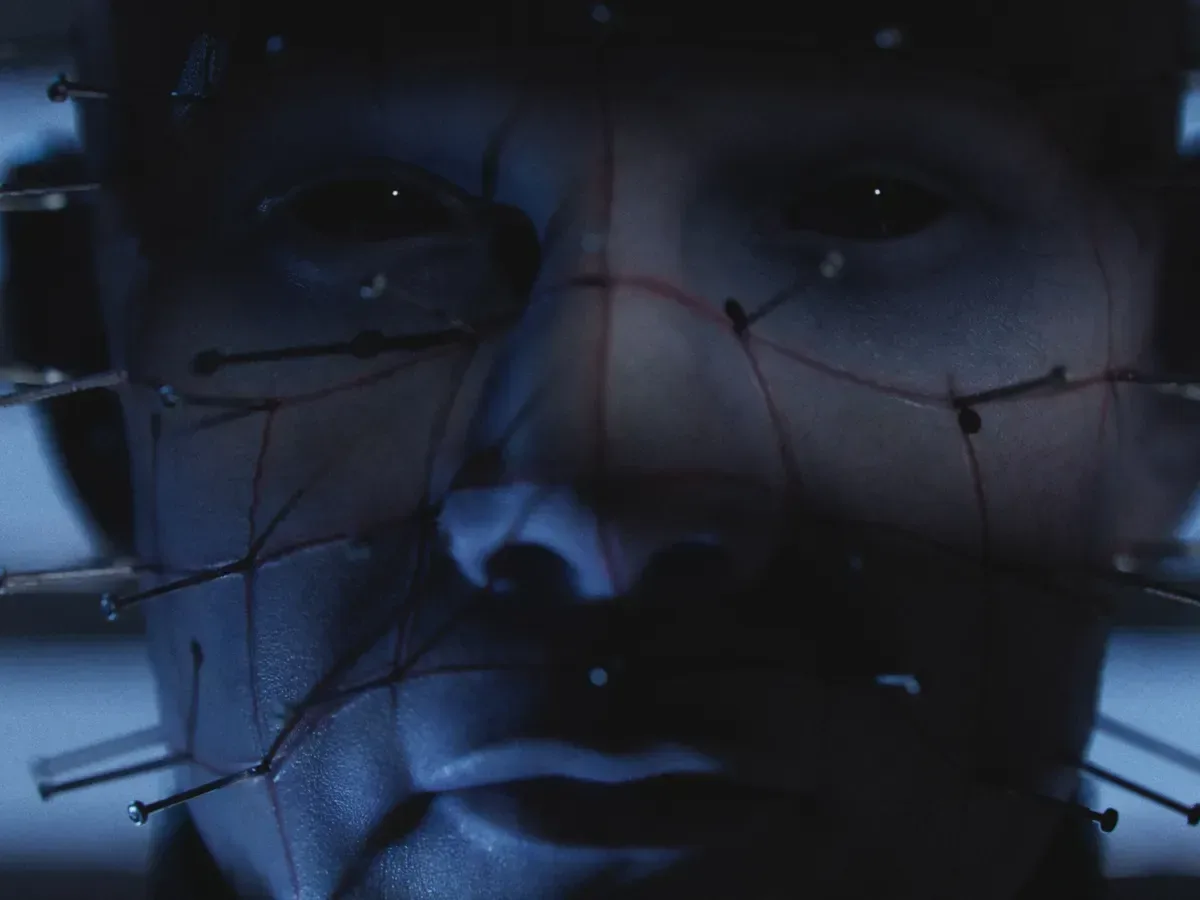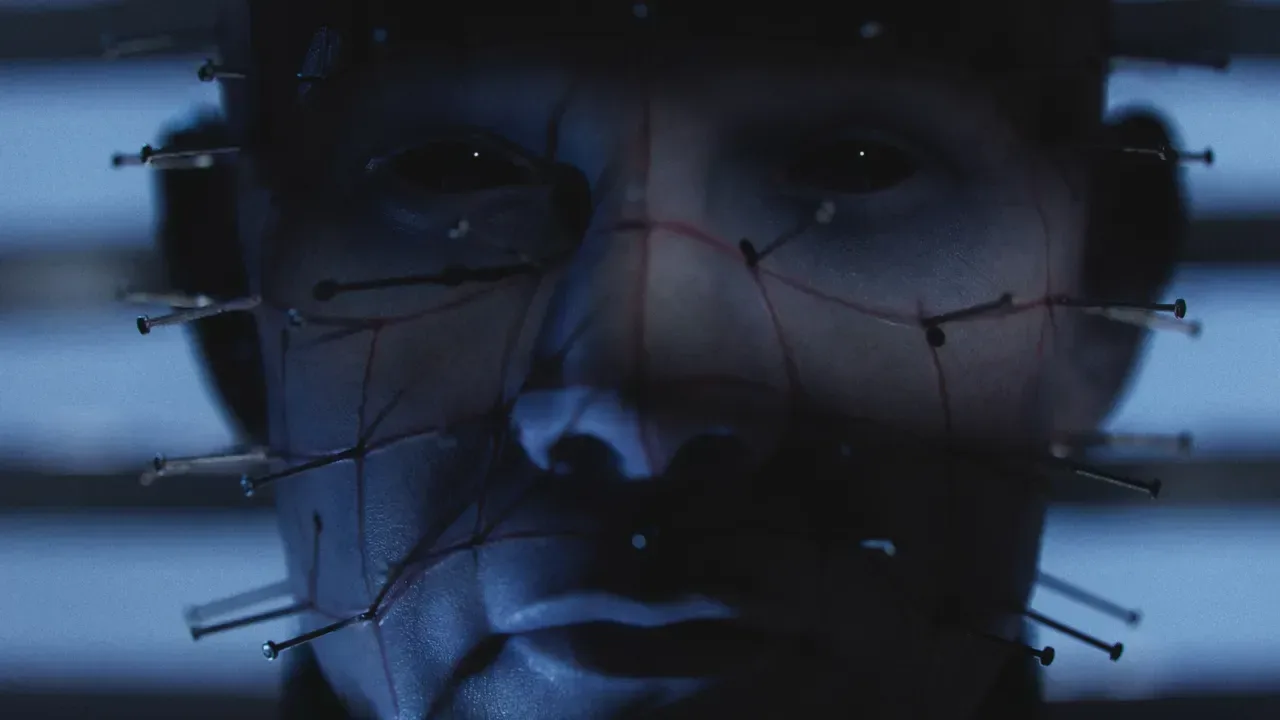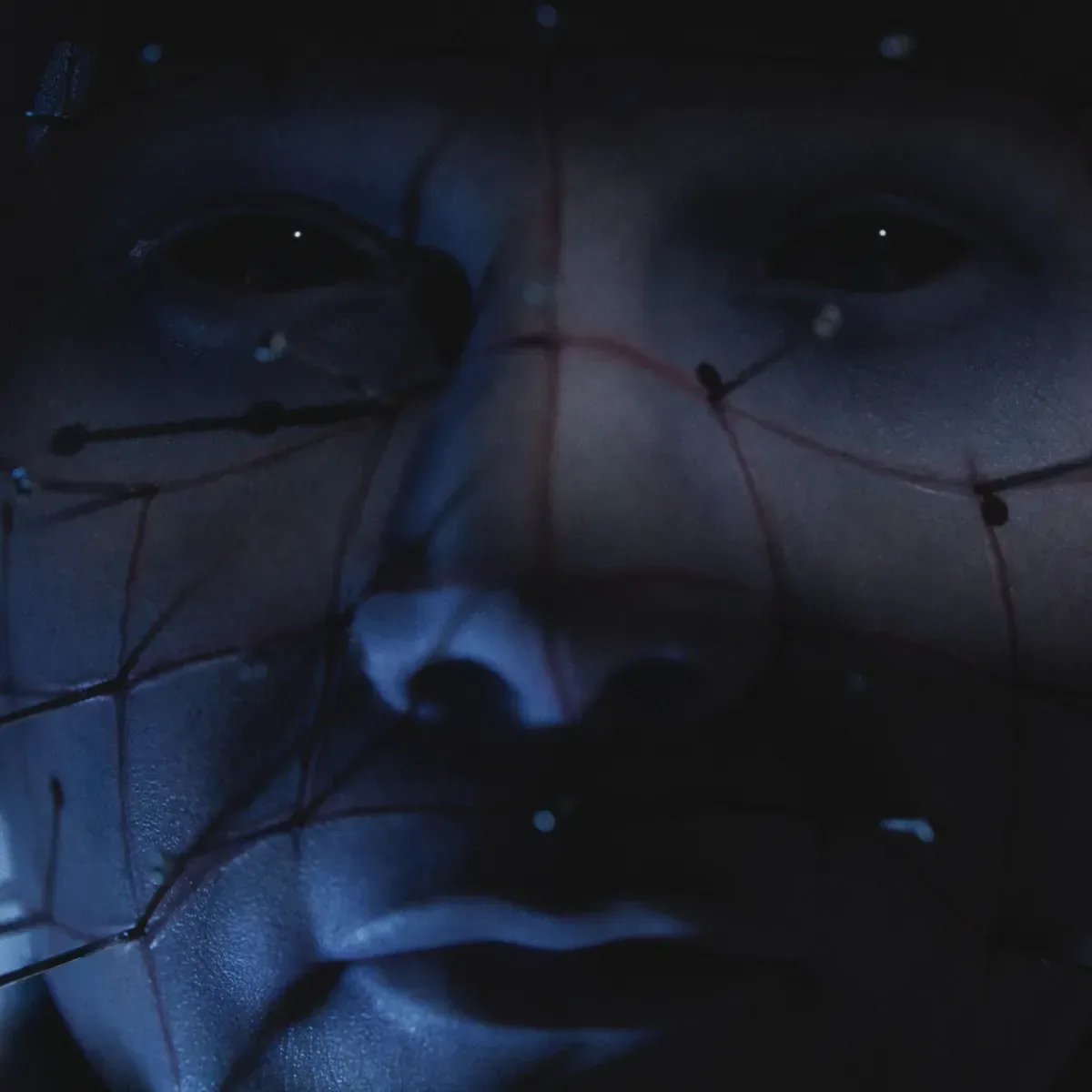
A gameplay upload from Clive Barker’s Hellraiser: Revival has left French creator J0nathan without the YouTube channel he says represented a decade of work. J0nathan says YouTube permanently removed the channel, which had around 190,000 subscribers, over a video containing the game’s opening sequence—even though he says he obscured nudity with black boxes.
The case is a stark reminder that a game’s mature rating, a creator’s editing choices, and a platform’s moderation rules are not interchangeable things. A horror game may contain material important to its narrative, but that does not automatically mean footage of that material can be uploaded without age restriction or further platform-specific safeguards. For creators, the consequences of misreading that gap can extend far beyond one removed video.
What J0nathan says happened
J0nathan says his channel was removed under YouTube’s policy on sex and nudity after he posted gameplay from Hellraiser: Revival, the Saber Interactive game. He says the video covered nudity in the opening scenes using black boxes. In the response to his appeal, YouTube cited its rule that explicit content intended to be sexually gratifying is not permitted.
The opening of Hellraiser: Revival includes a sexually explicit scene involving a topless woman and BDSM imagery, followed by a period in which a male character is nude. J0nathan’s position is that the scene is story-critical: it establishes the events that propel the game forward rather than functioning as a detached sexual clip.
That distinction may matter to viewers assessing intent, but it did not change the reported outcome. J0nathan says his initial appeal was rejected within minutes and that subsequent support responses upheld the decision. He believes the process was handled without meaningful human review, though no independently verified account of YouTube’s internal review process in this case has been provided.
“My channel has been completely deleted, wiping out 10 years of hard work and destroying my main source of income,” J0nathan said.
He also says he had received no prior warnings or strikes. The removal, as he describes it, covered more than 3,000 videos and eliminated the channel that hosted his work. That is the most consequential element of the story: a policy decision about one upload can also cut off a creator’s audience, archive and income at once.
Why a black box is not necessarily a complete safeguard
Visual censoring is an editing technique, not a universal permission slip. Covering anatomy can reduce what is visible, but a platform can still assess the complete presentation: the sexual context, camera framing, audio, surrounding imagery, title and labels, as well as the way the footage is presented to viewers.
Related coverage includes Creator Says YouTube Permanently Removed Channel Over Censored Hellraiser: Revival Video.
There is no claim here that J0nathan intended to make sexually gratifying material. His account is that he was documenting gameplay and had censored the explicit imagery. But platform enforcement can turn on how an upload is classified under the platform’s own rules, not only on what the uploader intended. The distinction between “gameplay” and “sexual content” may be obvious to a creator or an established audience, yet still be difficult to resolve consistently through automated detection and appeals.
J0nathan had marked the upload “Not Made for Kids,” but says he did not apply an age gate. He believed the censorship was sufficient, particularly because most of the game was otherwise comparable to a conventional horror release. He expected that YouTube could impose a restriction later if it judged one necessary.
That assumption is the practical pressure point. “Not Made for Kids” and an age restriction are different controls. The former signals that a video is not directed at children; the latter limits who can watch based on age. In a game that begins with sexual material, a creator cannot safely treat a general audience designation and edited visuals as a substitute for the stricter setting that the game’s publisher itself advised creators to consider.
Age gating versus content labels
Age gating is a viewer-access restriction. It is intended to keep underage viewers from watching material classified as suitable only for adults. A sexual-theme label, meanwhile, identifies the nature of the content. Neither label changes the footage, but each provides platform context and can affect how a video is handled.
J0nathan says he used the “Not Made for Kids” designation but not an age gate. That choice is central to his account, because Saber had advised creators before the game’s release to use appropriate age restrictions, sexual-theme labels and any other platform tools that were necessary.
Those instructions did not promise that using the tools would guarantee an upload remained online. In fact, Saber’s warning pointed in the opposite direction: the studio said creators still needed to comply with each platform’s community guidelines, and it confirmed there was no streamer mode for the game.
A streamer mode generally means an optional setting designed to alter or remove material that could create problems for broadcasting, whether that is licensed music, graphic imagery or sexual content. Saber said Hellraiser: Revival does not have one. That leaves the burden on a creator to decide whether to cut a sequence, obscure it, age-restrict it, avoid streaming it live, or take another approach allowed by the relevant service.
Uneven availability is not the same as a clearance
J0nathan says uncensored footage of the same scene remained available on other YouTube channels. That apparent inconsistency is understandably at the center of his frustration. If identical or more explicit material is still live elsewhere, a permanent ban over a censored version can look arbitrary from the outside.
It is important, however, not to turn other videos remaining online into evidence that every similar upload has been approved. Videos can be reported, detected, reviewed, restricted or removed at different times. They may also be configured differently, including through age restrictions or other settings not apparent from a casual viewing. The available account does not establish why each of those other uploads remained accessible.
What it does establish is a communication problem with significant stakes. J0nathan says he received a brief rejection and a generic confirmation that the decision stood. When a channel is deleted permanently rather than a specific upload being limited or removed, creators need a clear understanding of which part of their presentation crossed the line and whether any remedy remains available.
Without that specificity, creators are left to reverse-engineer enforcement decisions from other videos that may not be comparable. That is a bad position for anyone whose work depends on publishing regularly—and it is especially fraught for channels built around games that contain adult material but are not exclusively adult products.
The archive and livelihood problem
J0nathan’s reported loss is not limited to future uploads. He says the removal erased access to more than 3,000 existing videos. For a long-running creator, a channel library is both a catalogue of past work and a practical asset: old uploads can introduce new viewers to a channel, document a career, and continue generating attention long after publication.
He says he has a side channel but is afraid to use it, because YouTube’s rules prohibit banned users from operating other channels. In his view, trying to continue on that account could put both channels at risk. That leaves him caught between preserving a fallback presence and avoiding an action that could be interpreted as evading the ban.
His description of the situation also speaks to a wider vulnerability in platform-based creative work. Creators do not simply post videos on a service; they often build their professional identity, revenue stream, audience relationship and personal archive inside the same account. If access disappears, those functions can disappear together.
Gaming has seen plenty of debate around the fragility of creative work and studio structures, including the industry tensions examined in this look at a studio’s failed union drive. J0nathan’s case is a different issue, but it similarly shows how a creative career can depend on decisions made within systems the individual creator does not control.
What creators can take from the Hellraiser: Revival warning
The useful takeaway is not that every mature game is too dangerous to cover. Nor does this case prove that censorship never works. It shows that creators should treat adult scenes in games as a platform-compliance question before they become an editing question.
For games containing nudity or sexual themes, the safest practical approach is to assess the opening, cutscenes and gameplay separately before recording or uploading. A creator needs to consider what the platform permits, whether an age restriction is appropriate, whether the content needs sexual-theme labeling, and whether even a censored version could retain too much sexual context for the service’s rules.
- Read the game publisher’s creator guidance: Saber specifically advised the use of appropriate age restrictions, sexual-theme labels and other relevant tools.
- Do not confuse “Not Made for Kids” with an age gate: they serve different purposes, and the former does not provide the access control of the latter.
- Plan around the absence of a streamer mode: where no built-in filter exists, the creator must make the choices before footage goes live.
- Think beyond visible nudity: a black box may hide anatomy, but it may not remove the context a platform evaluates.
- Protect work outside a single account where possible: J0nathan’s experience illustrates the emotional and professional cost when an extensive back catalogue becomes inaccessible.
None of those measures can promise a particular moderation outcome. They can, however, reduce reliance on assumptions—such as expecting a platform to add an age restriction later—and make it easier to build a publishing workflow around the strictest relevant material rather than the tone of the game as a whole.
A dispute with no public resolution yet
J0nathan says he has contacted fellow creators, platform support accounts and Saber Interactive in search of a person who can review the ban. He says those efforts have not produced a direct human review or a reversal. Saber has been asked for comment, but no response is included in the available information.
For now, the key facts remain disputed only in the sense that the public record is incomplete: J0nathan says the channel was permanently deleted over the censored gameplay video; YouTube’s appeal response cited its sex and nudity policy; and the precise reasoning, review method and potential route back have not been publicly detailed.
That uncertainty does not lessen the immediate impact described by the creator. It instead makes the incident more instructive. For channels covering adult horror games, the first question cannot simply be whether a scene is narratively relevant or whether the nudity is hidden. It has to be whether the final upload, its restrictions and its context satisfy the platform that controls the channel’s entire body of work.