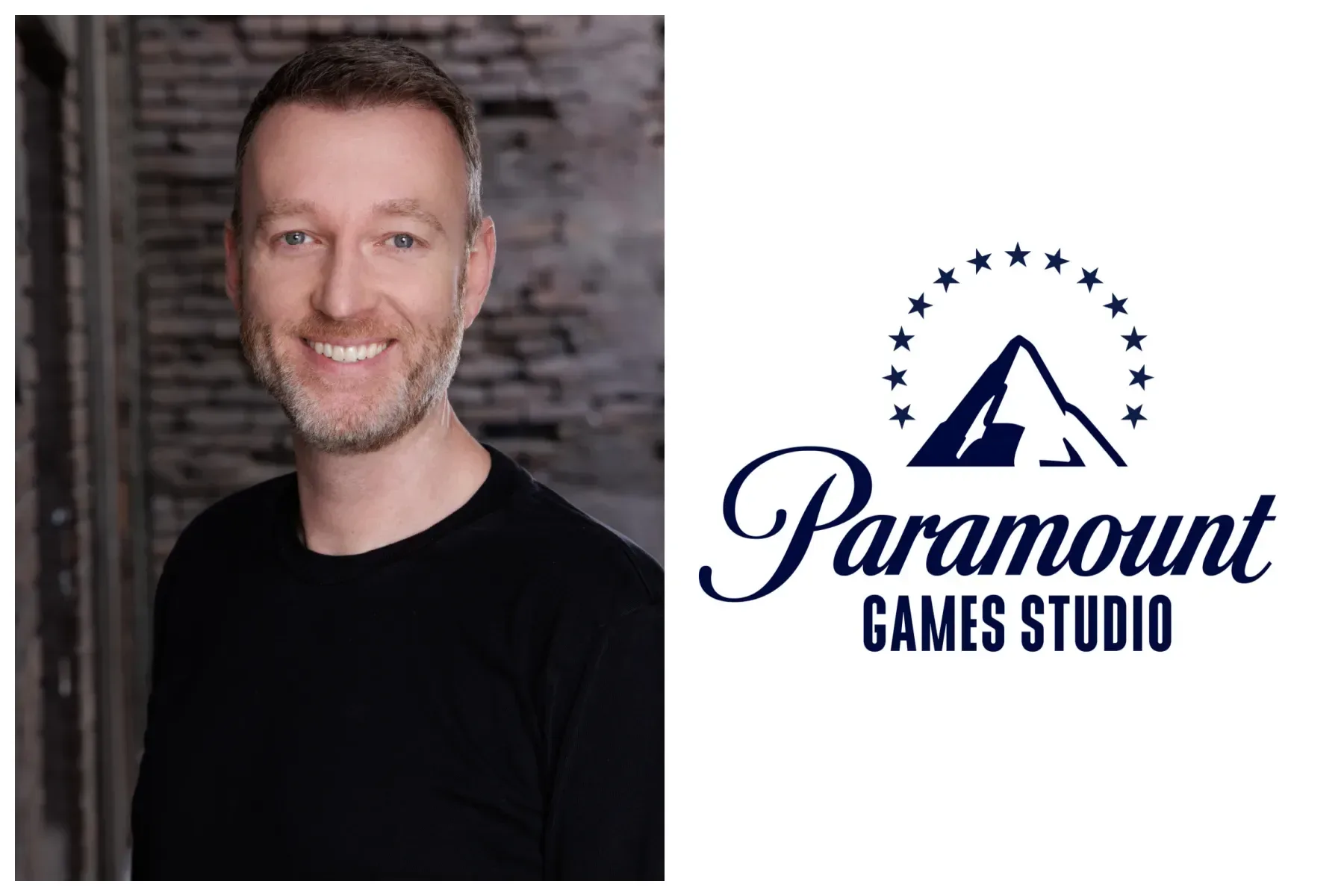
Bobby Kotick has joined the board of the newly formed Skydance Corp., a company that now controls Paramount and Warner Bros. The appointment does not place the former Activision Blizzard chief in a named operating role at either company’s games business. Still, it arrives alongside a significant restructuring: Paramount Games Studio and Warner Bros. Games are set to combine under Tony Driscoll.
For game-industry observers, the two developments are naturally connected even if Skydance has not said that Kotick will directly manage the combined game operation. Kotick led Activision Blizzard for 32 years before departing at the end of 2023, following Microsoft’s $70 billion acquisition of the publisher. His addition gives Skydance’s board a veteran executive whose career has been closely tied to large-scale game franchises including Call of Duty, World of Warcraft, Guitar Hero, and the Overwatch League.
The more immediate operational news, however, is the consolidation of the two game groups. Paramount’s recently announced games studio will merge with Warner Bros. Games, with the unified division reporting to Driscoll. Projects said to remain in development include Hogwarts Legacy 2 and a new Batman game from Rocksteady Studios described as being in the Batman: Arkham style.
A board seat is not the same as running a games division
It is important to distinguish a board appointment from a day-to-day executive position. A corporate board generally provides oversight, appoints or evaluates senior leadership, and weighs major strategic or financial decisions. The practical level of involvement can vary considerably. Some directors play an active advisory role in acquisitions, capital planning, or executive recruitment, while others may be less visible to employees and customers.
Nothing in the announcement identifies Kotick as the leader of Paramount Games Studio, Warner Bros. Games, Rocksteady, or any individual game team. Driscoll is the executive publicly identified as the reporting lead for the combined division. That means claims that Kotick is taking over game development—or is directing the announced projects—would go beyond the information available.
That said, a board position can still matter for games. Combining two entertainment companies with their own franchises, studios, and global operations creates decisions about budgets, priorities, intellectual-property strategy, and the long-term place of games inside the wider company. Kotick’s experience leading a major publisher is likely to be relevant in conversations at that level, even if his specific remit has not been disclosed.
Skydance’s gaming structure is taking shape
The merger of Paramount Games Studio and Warner Bros. Games provides the clearest signal yet about how Skydance intends to organize its interactive business. Rather than operating the two groups as fully separate units, the company is bringing them together beneath one leadership line. This could potentially allow the company to coordinate how it develops and uses its portfolio of entertainment properties, though no specific production, staffing, publishing, or release plans have been detailed.
Driscoll’s own background spans entertainment experiences and corporate strategy. He previously worked as a Disney Imagineer and later helped lead strategy at AT&T after its 2016 Time Warner acquisition. In a staff memo, Driscoll stressed the breadth of the company’s entertainment reach, citing theme parks, resorts, restaurants, retail, studio tours, and games ranging from Batman to SpongeBob.
Related coverage includes Bobby Kotick Joins Skydance Corp. Board as Paramount and Warner Bros. Games Combine.
“No matter your role on this team, you are a creator, builder, operator, and steward of those worlds,” Driscoll wrote, adding that he planned to meet employees across locations from Los Angeles and London to Montreal and Tokyo.
The language is broad, but it points to an important strategic idea: games are being discussed as part of a wider network of franchises and entertainment experiences, not merely as isolated software releases. A recognizable character or setting can potentially move between games, film and television, consumer products, location-based entertainment, and other formats. Coordination can be valuable in that model, but it also puts a premium on giving game teams enough clarity and space to make strong games rather than treating them as simple extensions of a brand calendar.
There has already been a related indication that Skydance sees games as part of a longer-term DC plan, although the details remain unannounced. Skydance’s DC Studios page has previously placed gaming within a long-term DCU framework, without establishing how any particular game would connect to that plan.
What is known about the games in development
The two named projects offer very different kinds of expectations. Hogwarts Legacy 2 follows a major Wizarding World game, while Rocksteady’s next project is described as a new Batman game in the style of the studio’s Arkham work. Neither project received a new launch window, platform list, gameplay description, or development update as part of the corporate news.
That absence matters. Corporate mergers can generate intense speculation around release schedules and studio direction, but a reporting-line announcement is not a product reveal. Players should treat the confirmation that those projects remain in the works as the central takeaway, while waiting for their respective teams or Skydance to provide formal details.
The same restraint applies to the broader combined division. There is no announced slate explaining which Paramount or Warner Bros. properties will receive new games, how the teams will be structured, or whether the merger will alter existing plans. The combination establishes a corporate framework; it does not yet explain what the first wave of games from that framework will be.
Why Kotick’s return to a major entertainment board will draw attention
Kotick’s career makes this more than a routine director appointment. Before leaving Activision Blizzard, he oversaw the company through decades in which it built and operated some of gaming’s most prominent franchises. David Ellison, in announcing the appointment, cited Kotick’s experience with long-running franchises, audience connections, strategic decisions, and capital allocation.
Capital allocation is corporate shorthand for deciding where a company commits its money and resources. In a games context, that can encompass decisions about sequel development, studio investment, marketing, technology, live operations, licensing, and acquisitions. It does not automatically determine the creative direction of a game, but it can shape which projects are funded, expanded, delayed, or cancelled.
The appointment also comes after Kotick’s post-Activision period included reported interest in acquiring TikTok and occasional appearances on investor podcasts. Now, he is returning to the boardroom of a company handling a newly combined entertainment portfolio with substantial game assets.
For Skydance, the appeal is understandable: the company is assembling leadership around an unusually broad entertainment business, and Kotick has extensive experience at the executive level of a global games publisher. For audiences and employees, the meaningful questions are more concrete and will take longer to answer. How much influence will Kotick exercise? How will Driscoll structure the combined game division? Which studios and franchises will get priority? And will the company provide a clearer view of how its Batman, Wizarding World, Paramount, and other properties fit together?
What players should watch next
- Formal leadership details: Driscoll is the announced head of the combined games division, but further appointments could clarify how individual studios and publishing functions will report.
- Project-specific updates: Hogwarts Legacy 2 and Rocksteady’s Batman project are confirmed as continuing, but key details such as release timing and platforms have not been supplied.
- The role of the board: Future disclosures, strategy presentations, or public comments may provide a clearer picture of how hands-on Kotick’s role will be.
- Franchise coordination: Skydance’s emphasis on entertainment worlds across media may eventually produce a more explicit games strategy for DC, Paramount, Warner Bros., and other properties.
For now, the clearest division of responsibility is simple: Kotick has joined Skydance Corp.’s board, while Driscoll will oversee the newly combined Paramount and Warner Bros. games organization. The first fact is a notable executive appointment; the second is the organizational move most likely to affect how the company’s games are planned and supported in the years ahead.