Game developers formerly working within Skydance’s game operations have reported layoffs following the restructuring around Paramount Games and the parent company’s merger with Warner Bros. The number of people affected has not been formally detailed, but public posts from employees and a separate report point to at least 30 jobs being cut.
The cuts leave important questions hanging over a portfolio that included virtual-reality work, licensed games based on Teenage Mutant Ninja Turtles and Avatar, and an unannounced original role-playing game. There is no confirmed word on whether the layoffs affect staff on the Warner Bros. side, which projects remain active, or whether their schedules and scope have changed.
What changed at the game division
Skydance Interactive was established in 2016 with a focus on VR games. Its recent releases include 2024’s Behemoth, an action-adventure game for virtual reality that drew comparisons in its broad design ambitions to The Legend of Zelda and Shadow of the Colossus.
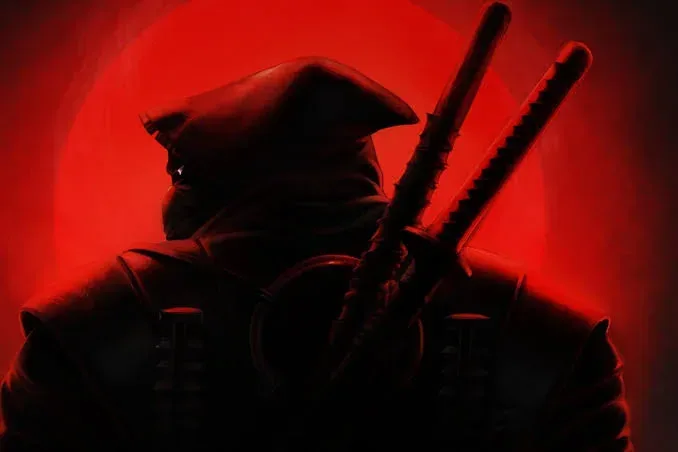
Over the summer, Skydance Interactive and Skydance New Media were combined into a new unit, Paramount Games. The group’s known slate encompassed TMNT: The Last Ronin, Avatar Legends: The Fighting Game, and a still-unannounced RPG described internally as having a “dark academia” setting or sensibility.
That phrase generally refers to fiction steeped in scholarly institutions, old libraries, secret societies, intellectual ambition and sometimes occult or gothic themes. It says little by itself about the game’s systems, platform plans, release timing or even title. Those details were never publicly confirmed here, and the layoffs make it particularly important not to treat an early internal description as a promise that the project will ship in the same form—or at all.
Before the reductions, associate design director David Ballard had publicly expressed excitement about creating a new original world with the team. Ballard later said his nearly four-and-a-half-year chapter with Skydance and Paramount had ended in a layoff, adding that multiple colleagues were affected.
At least 30 staff reportedly affected, but the full total is unsettled
Lead engineer David Vera, who said he was not personally impacted, highlighted more than 27 affected people by name in a public post. He argued the people losing their jobs were not being cut for poor performance or workplace misconduct, describing them instead as talented collaborators who had worked hard on projects they wanted to be proud of.
That distinction matters. A layoff is generally a role reduction tied to business priorities, budget decisions, restructuring or changes in project needs; it is not the same thing as an individual termination for cause. It does not lessen the immediate personal consequences for affected staff, but it does explain why talented workers can be released at the same time a company emphasizes growth in games.
Related coverage includes Paramount Games Hit by Layoffs as Skydance Teams Face Post-Merger Restructuring.
In this case, the gap between corporate strategy and day-to-day staffing is stark. Tony Driscoll, the executive who now oversees Warner Bros. Games, had said in June that games were becoming a core driver of storytelling, community and growth across Paramount rather than simply an extension of the business. The recent cuts do not necessarily reverse that strategy, but they show that a strategic priority does not guarantee continuity for every team, project or job during a merger.
Why mergers create uncertainty for game teams
Corporate mergers commonly trigger reorganizations as leadership determines which divisions report where, which projects overlap and what work fits a revised business plan. In a game studio, those decisions can land especially hard because development is interdependent. Designers, engineers, artists, production staff, quality-assurance workers and audio teams all contribute to a shared build over long periods.
That does not mean that a reduction in headcount automatically cancels a game. Projects can continue with smaller staffs, shift to outside partners, undergo redesigns or move within a company. But fewer people can also affect production capacity, especially when departures include experienced workers with knowledge of a game’s tools, systems and unfinished content. No specific outcome for the Paramount Games slate has been confirmed.
The uncertainty is sharper for the unannounced RPG. An original IP, or intellectual property, is a new fictional setting and brand rather than a game built from a pre-existing licensed universe. Creating one involves more than building mechanics: teams establish the world, characters, visual identity, lore and long-term framework that could support future games or other media. That is why Ballard’s earlier comments about building a world from the ground up carried weight—and why the project’s present status cannot be assumed from those earlier ambitions.
For players, the sensible takeaway is caution rather than speculation. TMNT: The Last Ronin, Avatar Legends: The Fighting Game and the unannounced RPG were associated with the organization before the reported reductions, but there is no supplied confirmation that any has been cancelled, delayed, moved, or left unchanged. Silence is not confirmation in either direction.
The difference between licensed projects and a new RPG
The known lineup also illustrates how Paramount Games was pursuing more than one kind of game. Licensed collaborations such as TMNT: The Last Ronin and Avatar Legends: The Fighting Game begin with recognizable worlds and audiences. An original RPG, by contrast, must establish its own identity from scratch while also defining what the player does within it.
RPG is short for role-playing game, a broad label generally associated with player progression, character choices, narrative development and system-driven play. The supplied information does not establish which of those elements the dark-academia game would have used. It is therefore too early to compare its design directly with other RPGs. Still, the challenge of building meaningful player choices is central to the genre, as explored in this discussion of how closed doors can make RPG choices matter.
For the developers affected, however, the immediate story is not an abstract portfolio exercise. It is the loss of roles during a period of organizational upheaval. Vera’s public message also points to a practical industry reality: teams that have worked together on demanding games can be valuable to other studios and projects, but rebuilding that kind of collaboration takes time.
What is confirmed—and what is not
- Confirmed by public employee posts: Ballard said he was laid off, and other staff also shared that they had been affected.
- Reported scale: More than 27 people were named by Vera, while a separate report put the number of Paramount Games employees impacted at 30 or more.
- Known organizational context: Skydance Interactive and Skydance New Media were brought together as Paramount Games over the summer, amid the wider Paramount and Warner Bros. merger.
- Still unclear: Whether Warner Bros. employees were affected, the final layoff total, and the resulting plans for the division’s game projects.
Until Paramount Games or Warner Bros. Games provides project-specific updates, those unknowns should remain unknowns. The clearest confirmed development is that a group of developers has been displaced shortly after a major corporate combination—despite a slate that included both well-known licensed properties and a new original game world in development.