One of role-playing games’ oldest design arguments is also one of their most personal: should a character be allowed to experience nearly every major strand of a game in one save, or should committing to one path permanently place other possibilities out of reach?
Bruce Nesmith, whose career includes decades of work on Bethesda games and entries in both The Elder Scrolls and Fallout, has offered a useful answer: both approaches work, but they create very different emotional results. After playing Baldur’s Gate 3, Nesmith said it “felt good” to make decisions with consequences that closed off content.
“Bethesda Games have always had the philosophy of, let the player play everything,” Nesmith said. “That’s a very good philosophy, I support that philosophy. But I was pleasantly surprised to see how positive it felt to me to make consequential decisions that closed off gameplay in Baldur’s Gate 3.”
That is not a dismissal of Bethesda’s style. It is a clear description of the trade-off. A game that lets one character join every guild, try every discipline, and exhaust a large portion of its quest content is built around breadth and flexibility. A game that makes a choice lock away an alternative is built around commitment, replayability, and the tension of not knowing what has been lost until later.
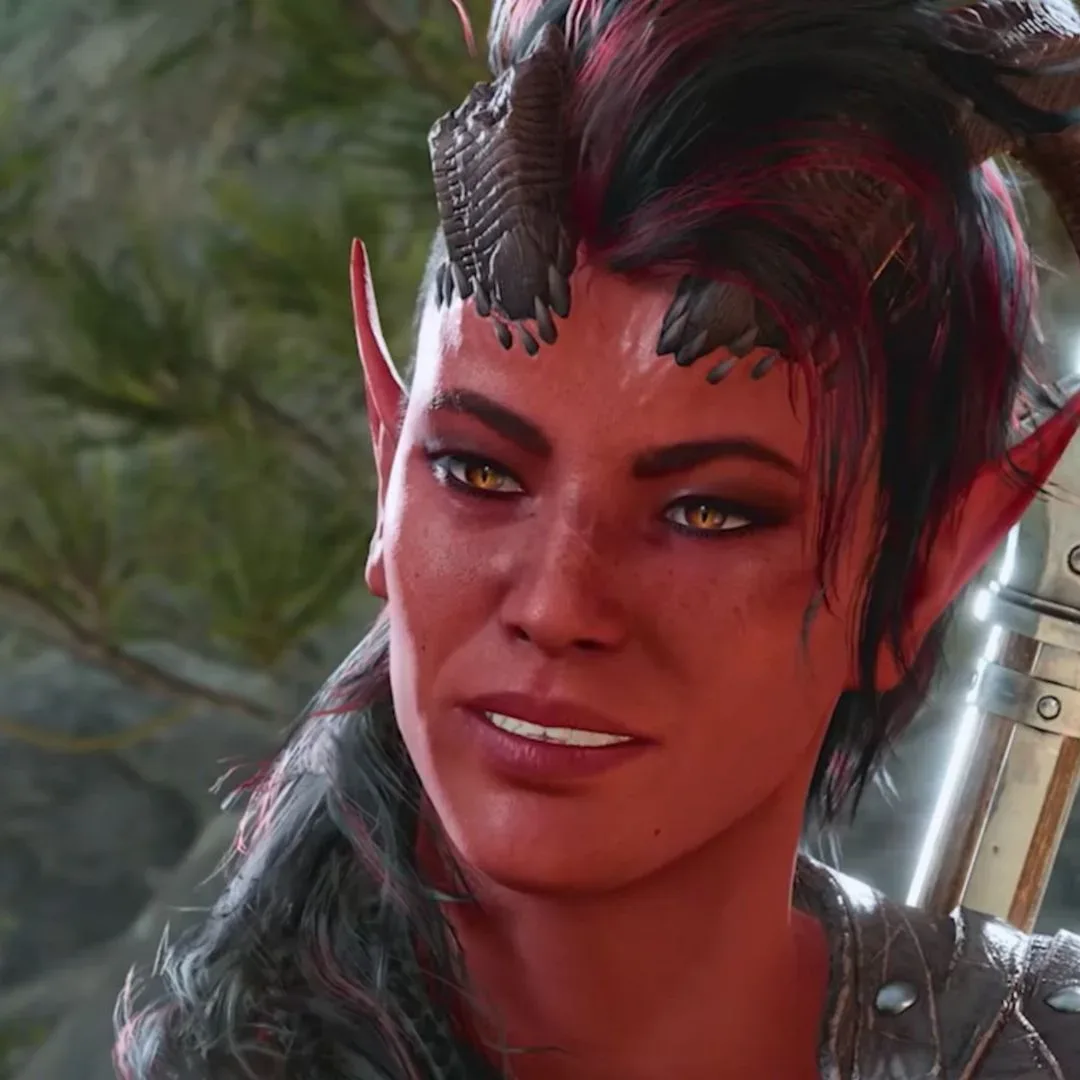
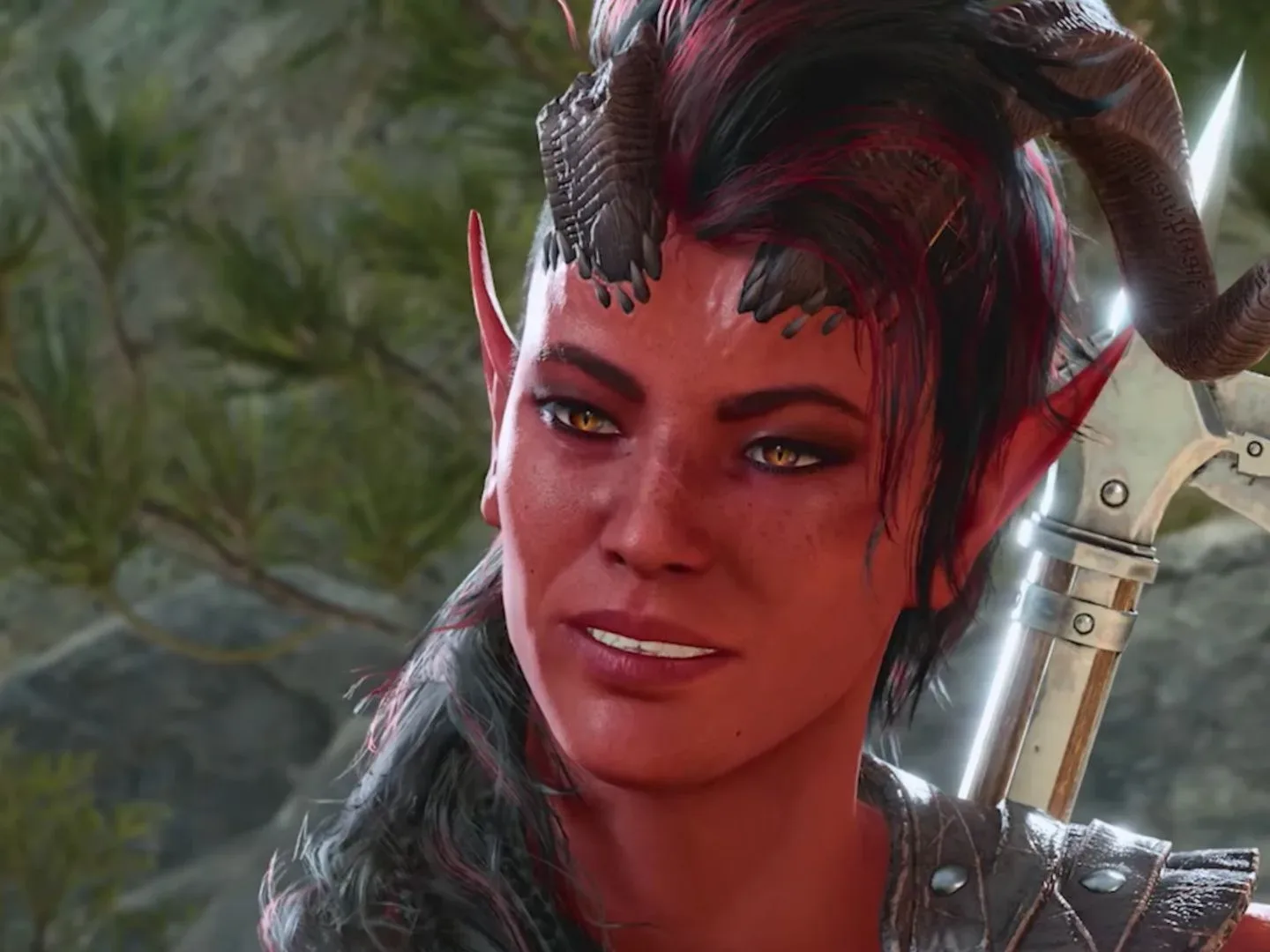
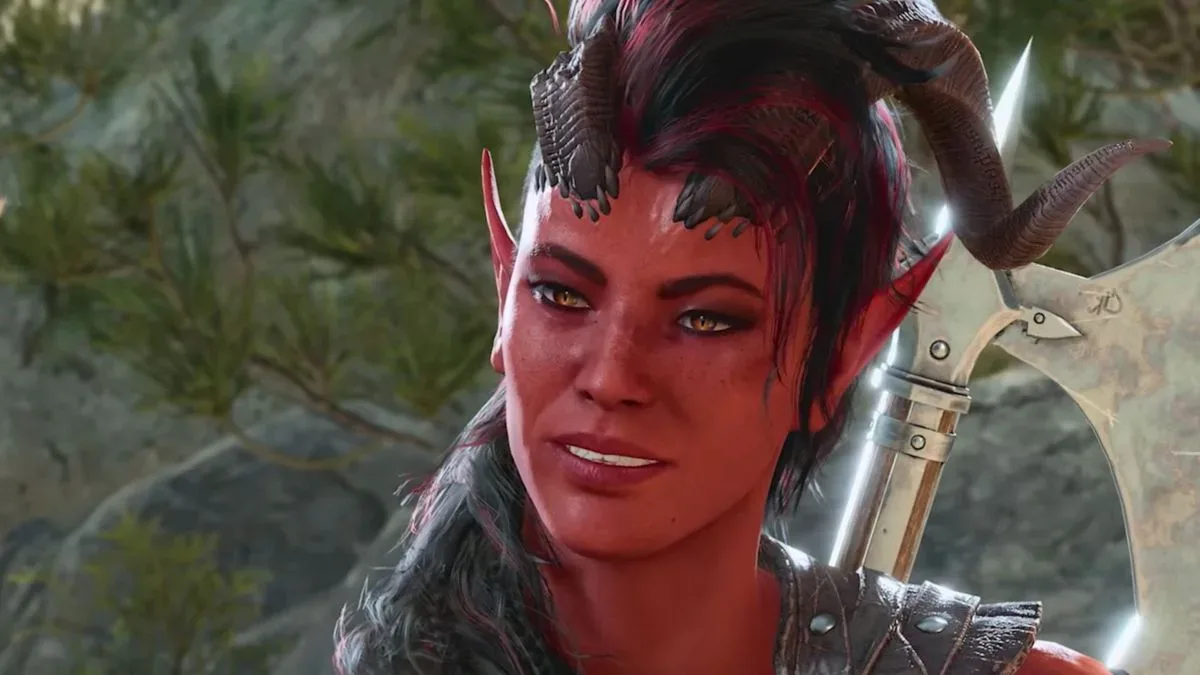
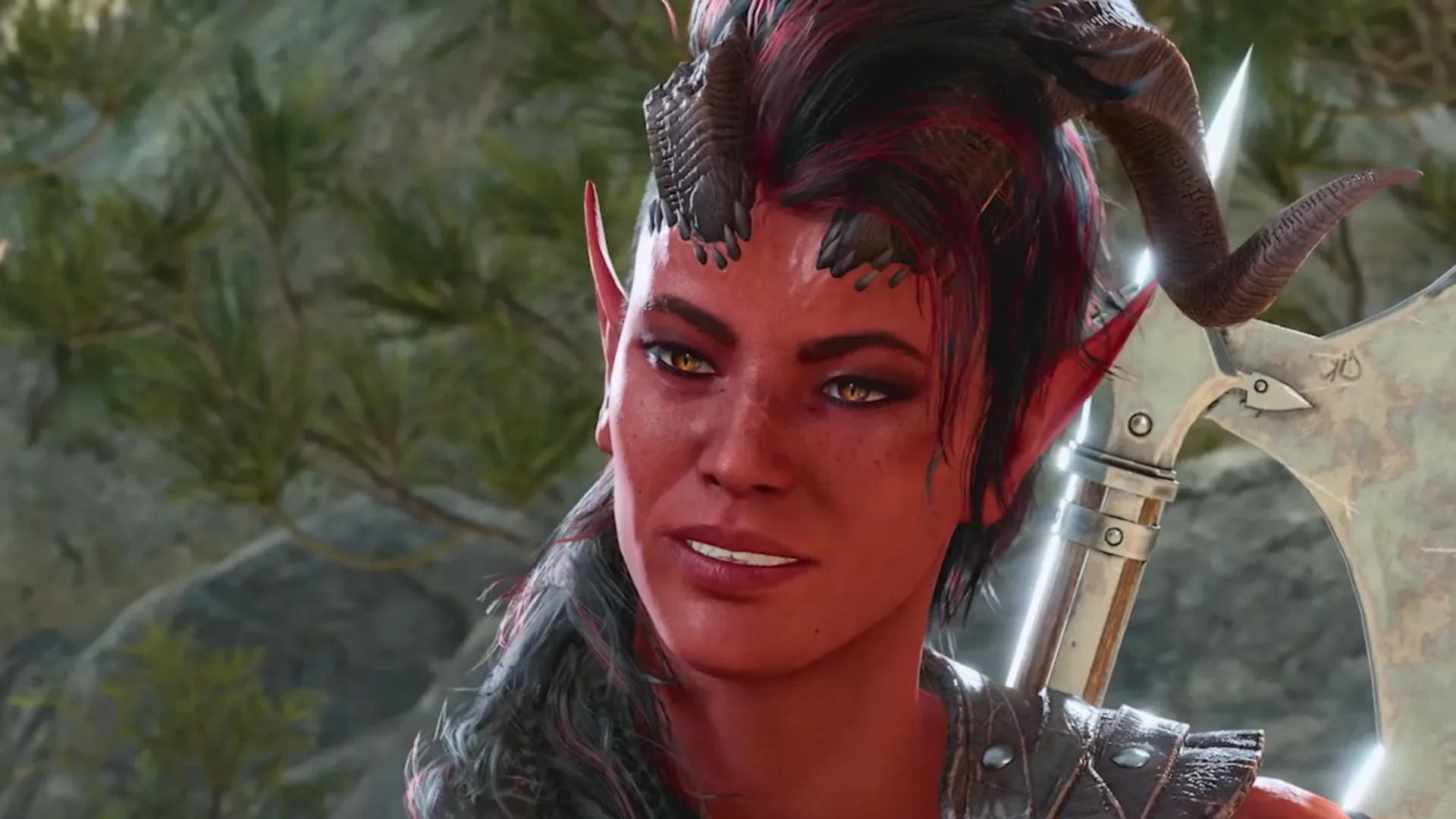
Baldur’s Gate 3, Larian Studios’ fantasy RPG set in the Dungeons & Dragons world, firmly favors the second model. Dialogue choices and player actions shape the story, and seeing all of its major variations requires additional playthroughs with different characters and decisions. For Nesmith, that limitation was not simply acceptable. It gave his decisions more weight.
What “consequences” means in this RPG debate
In game-design terms, a consequence is an outcome that meaningfully follows from player action. It can be immediate: a conversation ends, an ally reacts badly, or a route becomes unavailable. It can also be structural, changing what a player can access later in the game. The important point is that the outcome cannot be completely undone by simply continuing down every remaining checklist item.
That last part is central to Nesmith’s reaction. If a player can do everything on one character, a decision may still affect tone, dialogue, or the order of events, but it does not necessarily demand sacrifice. In a consequence-driven structure, choosing one opportunity can mean abandoning another. The player receives a more distinct version of the story, but not the whole story.
For some people, that can feel frustrating. Nobody enjoys discovering that a favorite quest chain, role-playing option, or set of scenes is inaccessible after dozens of hours. Yet it can also turn a selection from a cosmetic preference into a defining moment. The choice matters because it has a cost.
Related coverage includes Bruce Nesmith Says Baldur's Gate 3's Locked Paths Made Choices Feel More Meaningful.
Nesmith described that feeling directly: “I felt like the decisions I made had more meaning in certain ways, because there were actual consequences, and if I wanted to see that other gameplay, I’d have to bring up another character and try different paths.”
That is replayability in its clearest form. Rather than treating a second run as a repeat of the first, the game asks the player to inhabit a genuinely different route through its narrative. The incentive is not only to pick a new combat build; it is to make different commitments.
Bethesda’s broad-access philosophy has its own appeal
The contrast does not mean Bethesda role-playing games lack forks, decisions, or role-playing. Nesmith specifically characterized the company’s philosophy as one he supports. Its defining appeal is the freedom to keep exploring a world and its systems without asking players to restart merely because they became interested in a different faction or identity later.
As Nesmith put it, a player can take on the thieves guild, fighters guild, and mages guild rather than being restricted to a single lane. This broad-access approach supports a particular fantasy: the character is an adventurer with room to evolve, change interests, and pursue a huge range of activities inside one continuing world.
That accessibility also respects the reality that not every player wants multiple 100-hour runs. A completion-minded player may value being able to sample as much authored content as possible without being punished for an earlier preference. Someone who begins as a stealthy thief might later decide magic is more appealing. Under Bethesda’s approach, the save file remains welcoming rather than declaring that the player’s earlier identity is permanent.
There is a related question about character building, too. Games that permit broad participation reduce the fear that a player has made an unrecoverable mistake. That tension around builds remains relevant for the next Elder Scrolls, as explored in this look at Skyrim, Oblivion, and build regret. The wider point is that player freedom can mean the freedom to correct course, not merely the freedom to choose.
Morrowind shows the two philosophies can overlap
Bethesda’s older games were not without meaningful restrictions. Nesmith pointed to Morrowind, where a player can join only one of the game’s three great houses. That is a consequential faction decision: one character cannot belong to all three houses, so selection shapes access and identity.
Still, the scale of that restriction differs from the web of decisions associated with Baldur’s Gate 3. Nesmith characterized Morrowind, Oblivion, Skyrim, and Fallout 3 and Fallout 4 as more streamlined, even where forks exist. The distinction is not that one lineage contains choices and the other does not. It is how often choices close doors, how extensively those closed doors reshape the experience, and whether a single character is expected to be a near-completionist vehicle.
That makes the comparison more productive than a simple “better versus worse” argument. These games serve different player desires:
- Broad-access RPGs reward curiosity, long-term exploration, and a single flexible protagonist.
- Consequence-heavy RPGs reward commitment, distinct character stories, and returning to discover paths that were deliberately missed.
- Hybrid designs can use selected permanent decisions while keeping much of the world open, as the great-house choice in Morrowind illustrates.
Each model carries a cost. Broad access can soften the drama of choosing when players know they can eventually do everything. Hard locks can create regret, especially when players cannot reasonably see the consequence coming. The craft lies in making the player understand enough to own the decision while preserving enough uncertainty for it to feel like role-playing rather than administration.
Why locked content can be positive rather than punitive
The phrase “locked content” often sounds like a warning: something the player paid for but cannot see. Nesmith’s response reframes it. Content left unseen is not automatically wasted content if it becomes the foundation for another character and another story.
That only works when the available path feels complete and rewarding in its own right. A game cannot simply remove options and claim depth. The decision needs believable narrative logic, satisfying follow-through, and outcomes that make the chosen route feel authored rather than incomplete. Nesmith’s assessment that the approach felt good “because it was done well” is crucial. Restrictions are not inherently meaningful; execution gives them meaning.
For players, the practical implication is simple: it helps to approach a heavily branching RPG with a different mindset from a world built for one exhaustive save. Instead of trying to optimize every outcome or preserve every quest, choose what fits the character. Let missed possibilities remain missed. A second playthrough then has a purpose beyond repeating familiar battles with a new class.
This does not make one approach universally preferable. Players with limited time may rightly prefer a game that lets one hero experience most of its highlights. Others may find that irreversible outcomes make a campaign more memorable, because their version of the story belongs specifically to them.
A replayable story, not just a long game
Baldur’s Gate 3 is associated with substantial playtime on Steam, averaging more than 100 hours. That scale alone does not explain why players return. Nesmith’s comments identify a more precise reason: the game’s alternative paths create a reason to begin again.
There is a meaningful difference between length and replay value. Length is the amount of time needed to reach an ending. Replay value is the prospect that another run will reveal a materially different experience. A game can be long yet offer little reason to return once completed; conversely, one with several mutually exclusive routes may make its unseen content feel like an invitation rather than a backlog.
The apparent commercial scale of Baldur’s Gate 3 also speaks to the appeal of that structure, although sales and revenue figures cited by an analyst should be treated as estimates rather than confirmed totals. The analyst claim puts the game above 23 million copies sold and around $1.2 billion in revenue, while also suggesting only 1% of players have passed 500 hours. Those numbers, if accurate, underline the gap between finishing a sprawling RPG and exploring an enormous share of every possibility within it.
Nesmith’s perspective ultimately cuts through a false choice in discussions around RPG design. Bethesda’s expansive, accommodating model remains valuable, especially for players who want a world to live in and a hero able to pursue every interest. Baldur’s Gate 3 demonstrates the power of another promise: not that a character can become everything, but that becoming one thing may close the door on becoming something else.
For an RPG, that can be a loss. It can also be the moment a decision stops being a menu selection and becomes a story.