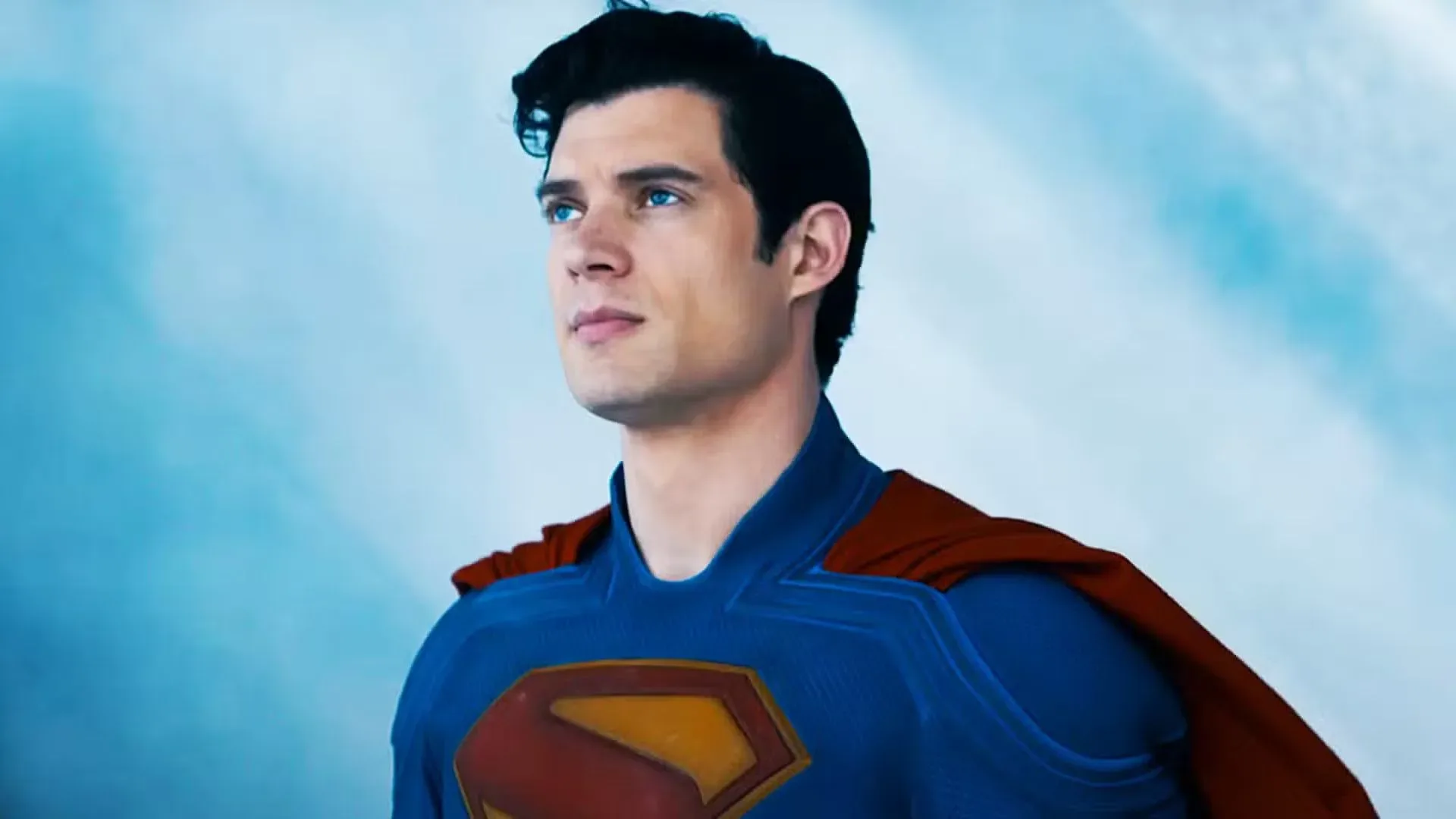
Skydance has placed DC Studios at the center of its brand roster following Paramount’s acquisition of Warner Bros., and its description of the studio offers an important, if still high-level, signal for DC game fans. The company says DC Studios is building a “long-term creative architecture” for the DC Universe across film, television, animation and gaming, all under one banner.
That wording does not announce a new game. It does not name a developer, reveal platforms, identify characters or set a launch window. But it does explicitly position gaming as part of the broader DCU plan rather than treating it as a separate, incidental licensing business. In the middle of corporate change, that distinction matters: it suggests the DCU’s leaders are being retained to think across formats and over a longer horizon.
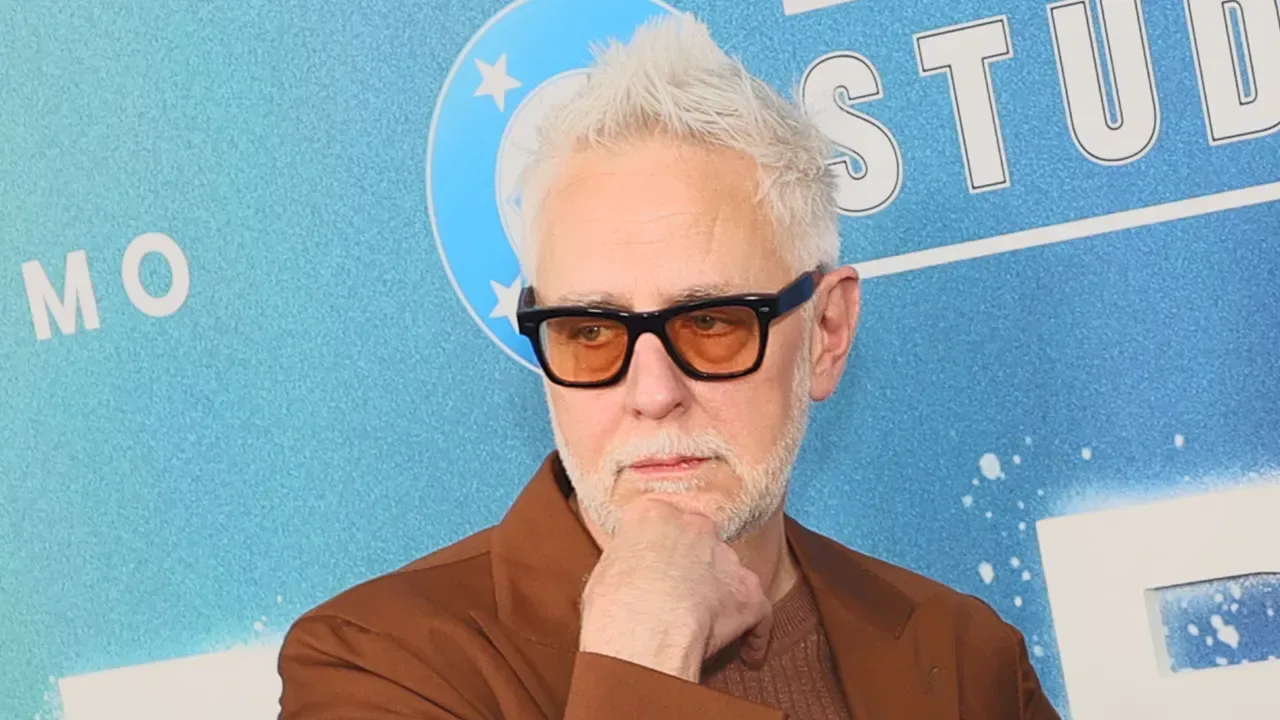
James Gunn and Peter Safran are also expected to remain in their DC Studios roles after meeting with Skydance co-CEO David Ellison. Together, the commitment to their leadership and the new corporate description point toward continuity for the DCU’s central creative structure, even as the company around it changes.
What the gaming reference does — and does not — confirm
The key phrase is broad by design. A “creative architecture” means a framework for organizing stories, characters and projects across different media. In a shared universe, that can range from a common thematic direction to closer coordination of settings, timelines and character introductions. It is not, by itself, proof that every DC movie, series, animated project and game will tell one uninterrupted story.
For games specifically, the language establishes a strategic priority, not a product roadmap. There are several DCU games rumored to be in development, but rumors are not confirmation. Until a project is formally identified, there is no reliable basis to say which heroes or villains it features, whether it is single-player or multiplayer, whether it shares continuity with a screen production, or when it may arrive.
That caution is particularly useful when a universe-building statement is easy to read as a release announcement. It is not one. The dependable takeaway is narrower: gaming has been named alongside the other pillars of the DCU’s stated long-term strategy.
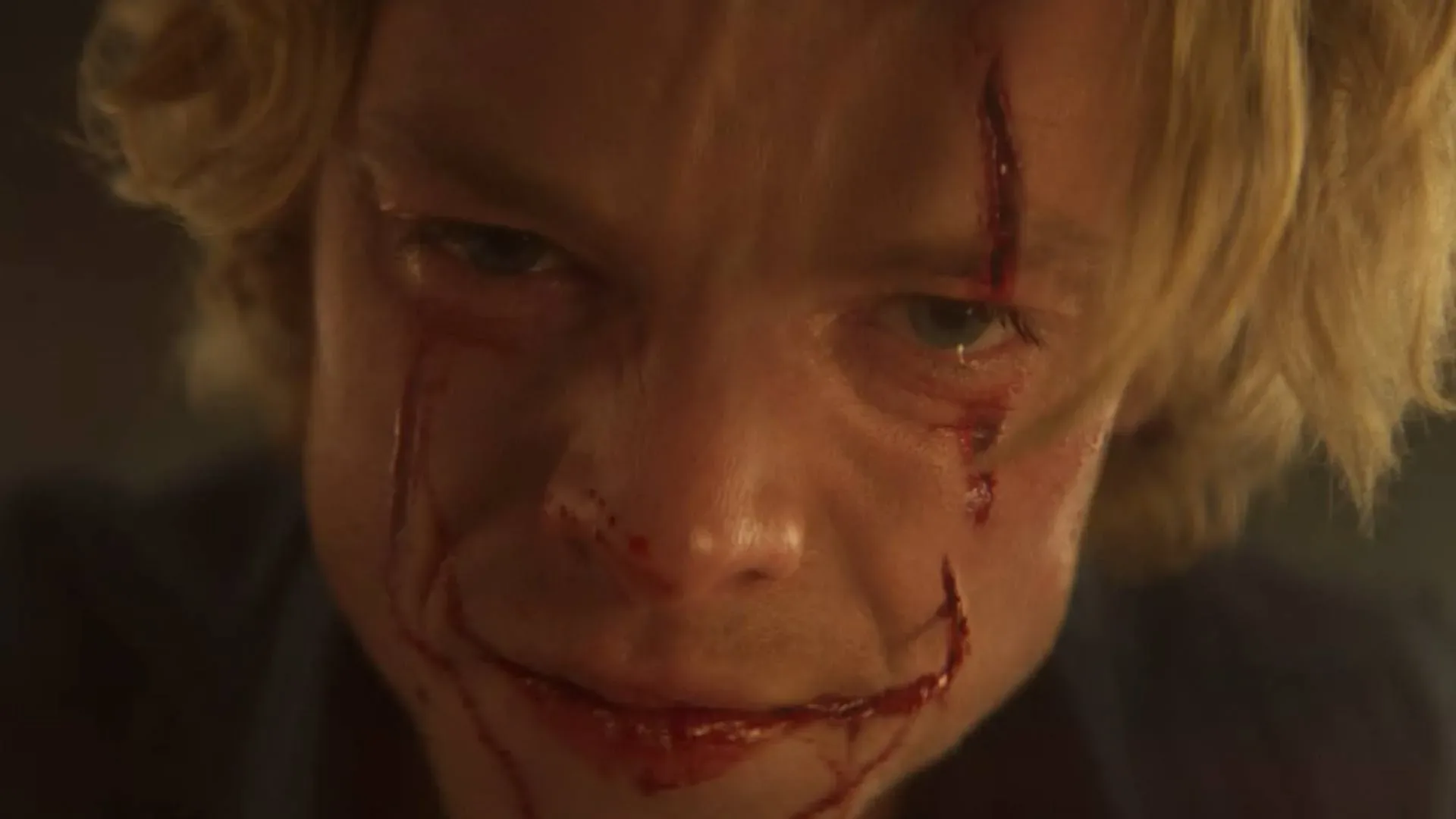
For an example of how DC projects can overlap with gaming culture without becoming game announcements, Tom Rhys Harries’ use of Elden Ring during Clayface screen tests is a performer anecdote, not evidence of a Clayface game. The same discipline applies to the wider DCU slate: associated names and fan speculation should not be mistaken for revealed game plans.
Why a single-banner approach could matter
DC has a vast character library and can support very different tones: street-level crime stories, science-fiction adventures, supernatural horror, cosmic fantasy and broad comedy all fit somewhere under its umbrella. The cited aim of bringing “new characters and worlds” to screens globally underscores that range. If gaming is genuinely included in the same long-term planning process, it could give game teams a clearer opportunity to explore corners of the universe that are not the immediate focus of film or television.
That possibility should be understood as analysis, not a confirmed production plan. A connected media strategy can take many forms. A game could share a setting with a film, feature a character introduced in animation, or simply be developed with awareness of the overall direction while telling a self-contained story. It could also remain independent in continuity while still benefiting from coordinated marketing and a recognizable DCU identity.
There are practical reasons for keeping the language flexible. Games generally require different production schedules and creative decisions from a film or series. A game needs systems, progression, player agency and repeatable interaction; a screen project is structured around a fixed viewing experience. Forcing every game to serve as a required chapter between screen releases can create barriers for players who do not play games and for game audiences who do not watch every show. A long-term umbrella can therefore be valuable without requiring every release to become mandatory homework.
The real test will come when DC Studios and its partners provide specifics. A meaningful game reveal would need to establish at least the project’s identity, the team making it, the intended platforms or format, and its relationship to the DCU, if any. Until then, the new statement is best viewed as a public commitment to include interactive projects in the universe’s future planning.
Screen and animation projects provide the visible near-term picture
While games remain undefined, the screen side has a more visible sequence. Lanterns has wrapped, though discussion of a possible second season continues. Clayface is next in the stated pipeline, followed by Man of Tomorrow next year. The true-crime mockumentary The People Vs. Gorilla Grodd is also identified as part of the upcoming lineup.
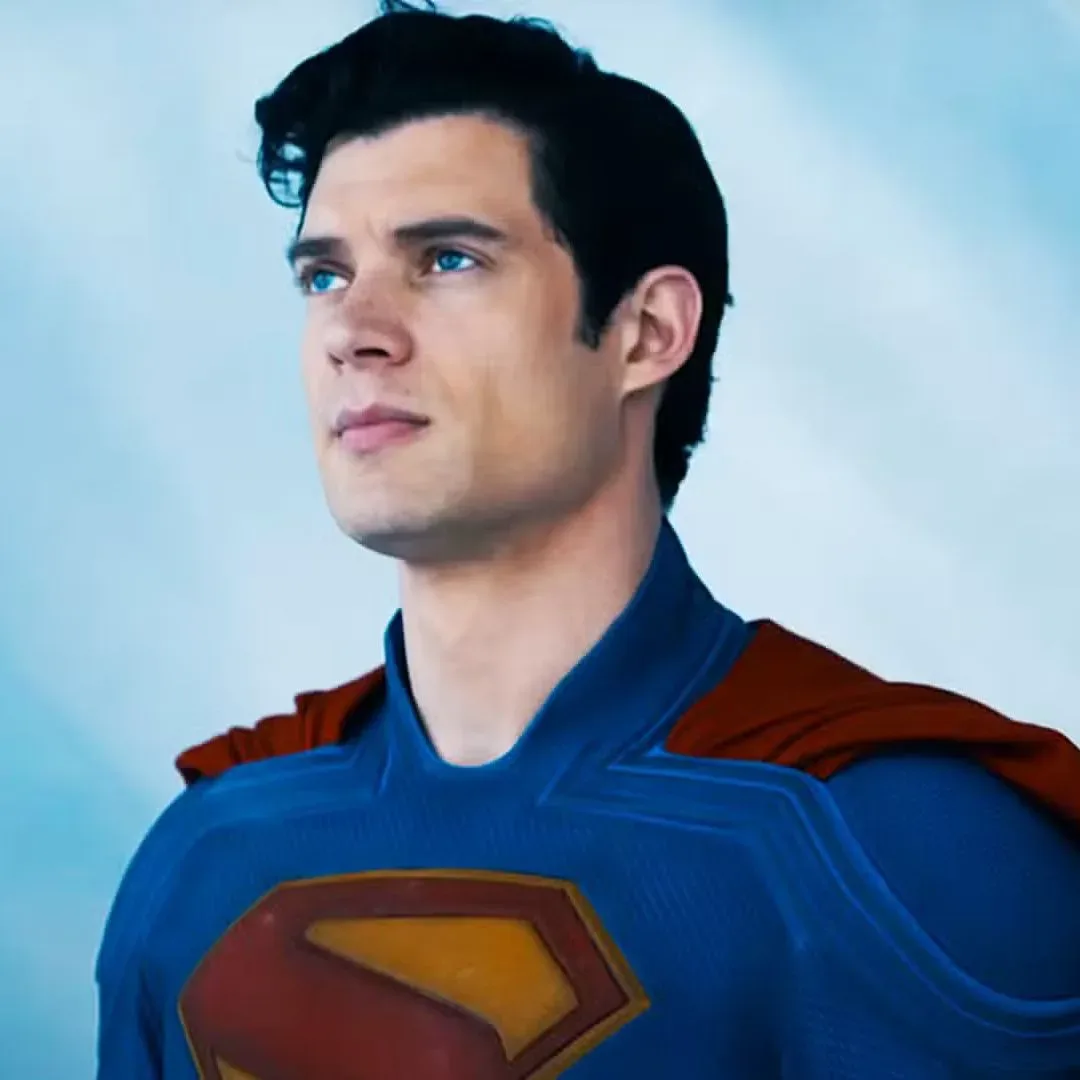
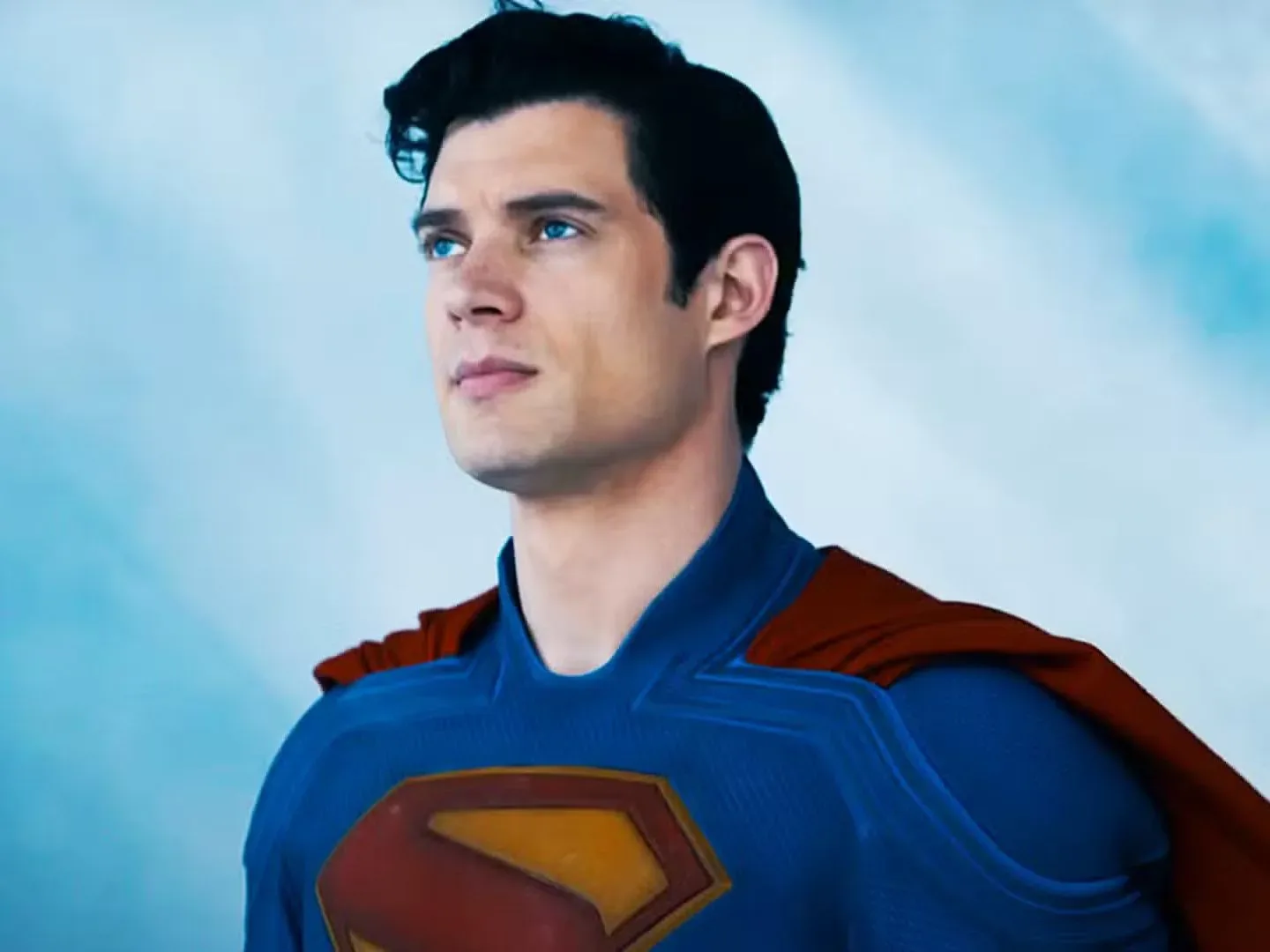
These projects demonstrate the breadth of tone DC Studios is willing to place under the new DCU banner. Clayface brings forward a character associated with transformation and horror-leaning potential; Man of Tomorrow keeps Superman in the mix; and a Gorilla Grodd mockumentary suggests room for a knowingly unusual comedic format. That variety matters to the games discussion because it pushes against the assumption that a DCU game strategy must begin and end with one familiar superhero template.
Animation is also part of the declared framework. Dynamic Duo is on the horizon for 2028, providing the clearest dated animation reference in the current overview. Again, its existence does not confirm a related game, but it does show that the long-term plan is being described across more than live-action film and television.
Continuity is the headline, not an immediate slate of games
The most consequential aspect of Skydance’s DC Studios language may be its reassurance of continuity. There had been concern that a newly formed DC Studios operation led by Gunn and Safran could be disrupted amid the corporate transition. Instead, the company has given DC Studios a dedicated brand presence and described a multi-format future that explicitly contains gaming.
For audiences, that is reason to watch for concrete follow-up rather than reason to assume announcements that have not happened. “Long-term” is an intentional signal that the effort is not limited to the next film or season. Yet it also means patience will be necessary: long-range planning does not provide a timetable, and it does not turn reported games into confirmed releases.
At present, the DCU’s known path is clearest in film, television and animation, with Clayface, Man of Tomorrow, The People Vs. Gorilla Grodd and Dynamic Duo all serving as named reference points. Gaming now has an explicit place in the same corporate vision. The next meaningful step is not another interpretation of the wording, but an official game announcement that gives players something tangible to anticipate.