David Ellison has set out an ambitious view of artificial intelligence’s possible role in entertainment production, describing the technology as a potentially enormous creative opportunity while also arguing that it should remain subordinate to the people making the work.
Speaking during Skydance’s latest earnings call, Ellison said AI could become “the biggest creative unlock in modern history.” His framing is notable not because it confirms a particular AI deployment on a forthcoming project—none was outlined—but because it places the head of the company firmly on the side of AI as a major production technology rather than a passing experiment.
“I think when you zoom out and look at production, AI really has the potential to be the biggest creative unlock in modern history.”
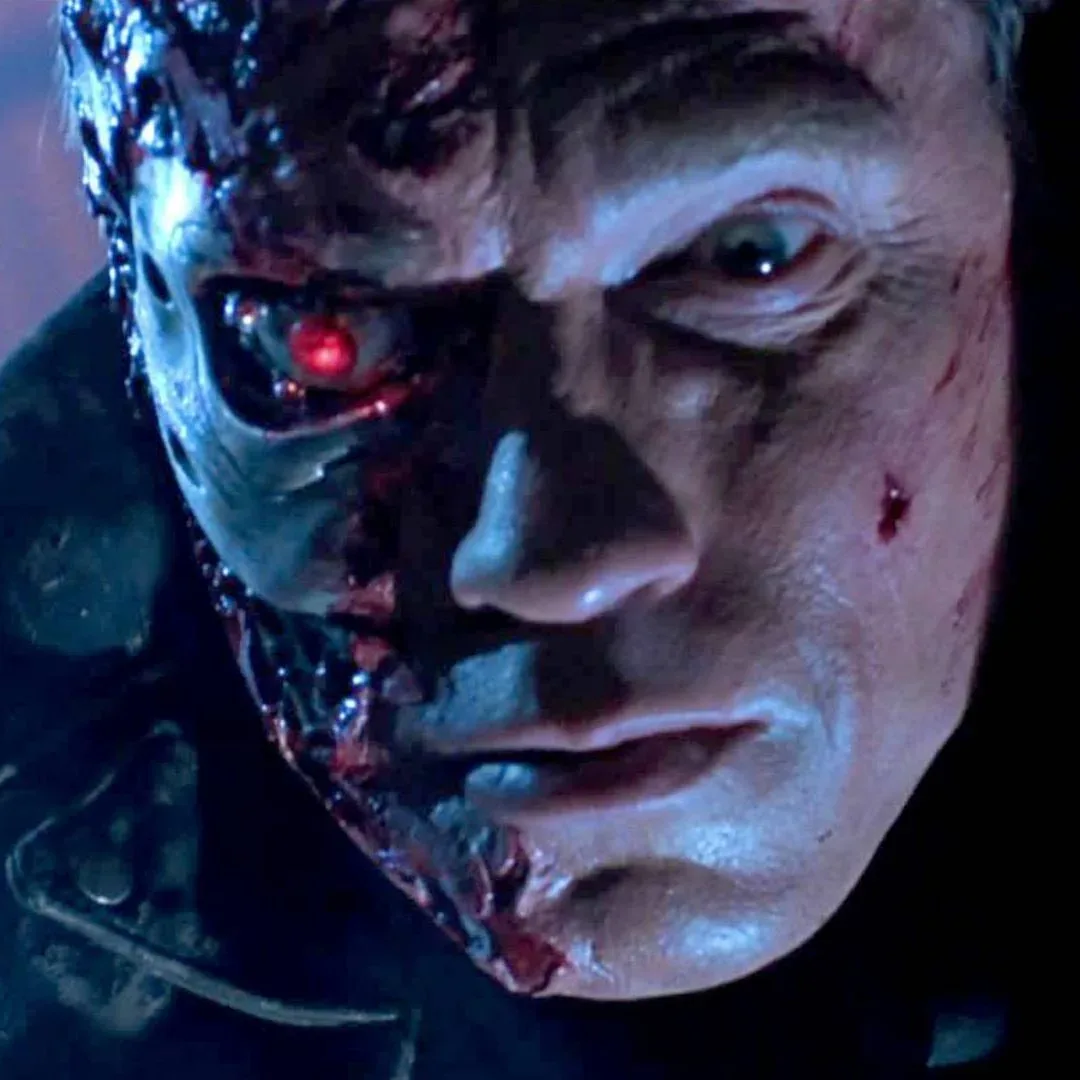
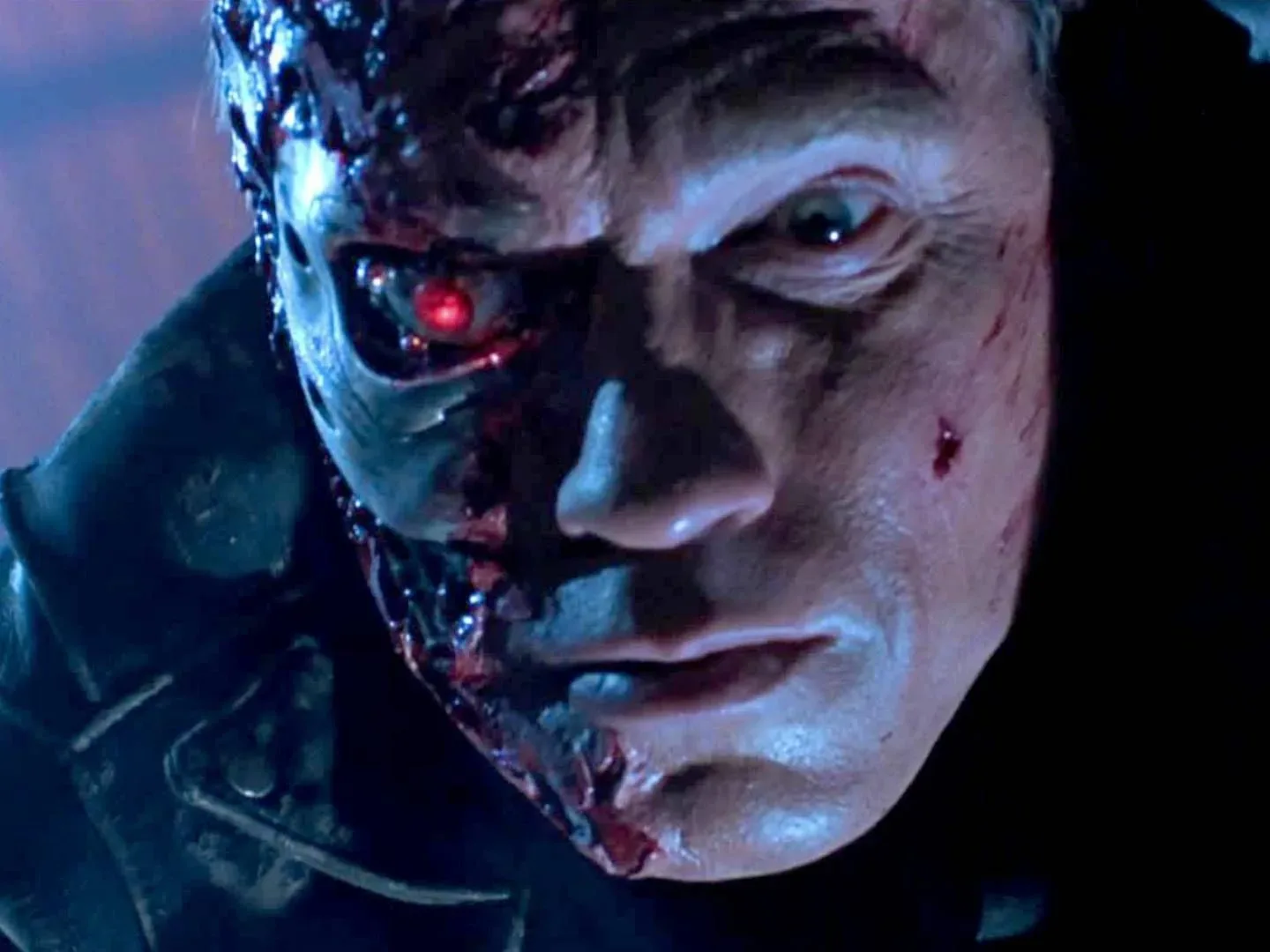
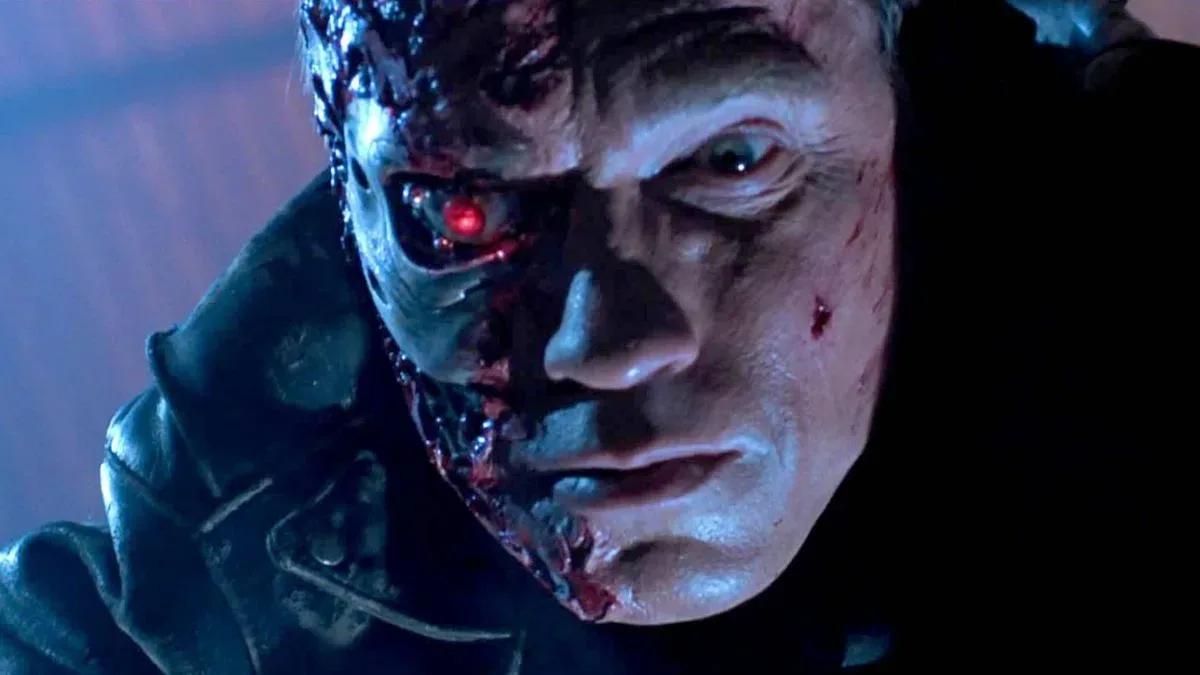
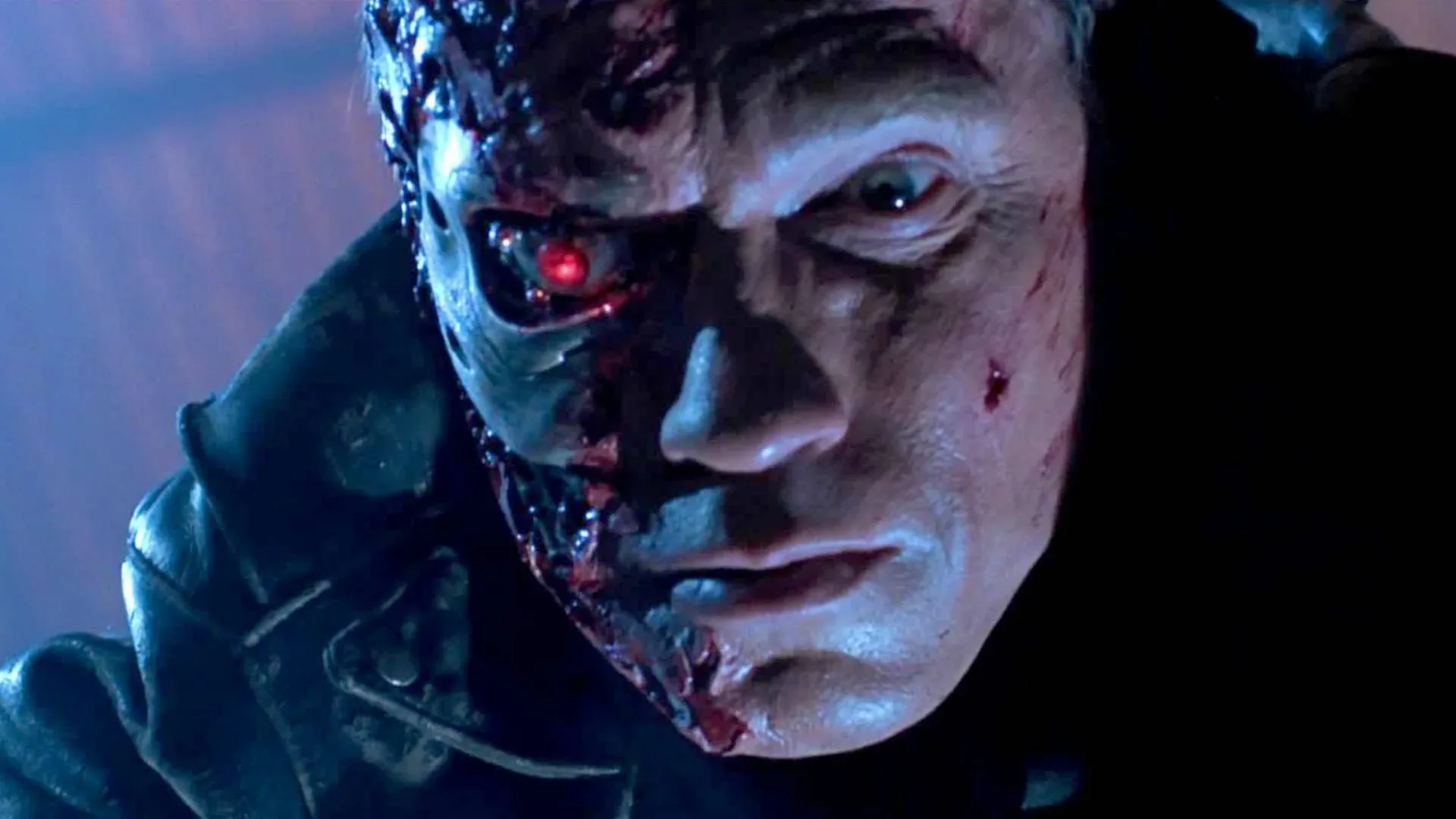
Ellison compared the potential shift to the CGI and effects advances associated with the 1990s, specifically invoking Jurassic Park and Terminator 2. Both films are useful reference points for his argument: the comparison is not merely that a new tool exists, but that new technical capabilities can change the range of imagery creators can put on screen.
His larger claim goes further still. Ellison said it is difficult to imagine AI having a smaller impact than that earlier effects revolution, and said he believes it can unlock creativity. That is a statement of expectation, not a confirmed production plan. The practical question—what systems might be used, in which parts of a workflow, and on which Skydance projects—remains unanswered.
What “creative unlock” means in this context
In studio language, an “unlock” generally means a new capability that expands what a production team can attempt. Ellison’s CGI analogy points toward AI being treated as a production tool: technology that could affect how creative work is developed or carried out, rather than automatically serving as the author of a finished story.
That distinction matters because “AI” is a broad label. It can refer to systems used to generate material, assist with work, or otherwise process information. Ellison did not specify a tool, a pipeline, or an approved use case. As a result, it would be premature to infer that AI will be used to create performances, scripts, effects, marketing, or any other specific element of an upcoming film or DC project.
What is clear is the philosophy he articulated: AI’s value, in his view, lies in helping enable creative output. The older CGI comparison also implies a familiar studio hope—that a technology may widen visual and production possibilities when directed by filmmakers and artists.
But the history of effects technology does not eliminate the need for creative judgment. A technical capability can make something possible; it does not decide whether it fits a character, a scene, an audience, or a larger story. That is the gap between access to a tool and storytelling. It is also why Ellison’s comments about artists are as important as his enthusiasm for the software itself.
Ellison’s answer to concerns about “AI slop”
Ellison acknowledged the concern that AI-assisted output can become generic or low quality, using the phrase “AI slop” to describe that risk. His response was that handcrafted storytelling will retain a premium.
“In a world of AI slop, we think there will always be a premium for truly hand-crafted storytelling.”
That phrase does not define a formal policy, but it establishes a standard the company says it values. “Hand-crafted storytelling” here is best understood as work shaped intentionally by creative people rather than material treated as finished simply because a system produced it. It is an emphasis on authorship, taste, and decision-making—qualities that cannot be established merely by adding more technical output.
Ellison made the position even more direct: “We also continue to believe that artificial intelligence is a tool for artists and will never be a replacement for them.” The statement draws a line between assistance and substitution. Whether future production practices consistently meet that line will depend on details that have not been announced, including how projects are staffed and which creative tasks, if any, are supported by AI.
For audiences, this means there is currently more signal about corporate intent than about specific screen-facing changes. There is no confirmed AI feature to watch for in a trailer and no public description of an upcoming title built around the technology. The immediate takeaway is instead a tension that will likely define many industry discussions: companies see potential efficiency and creative capacity in AI, while audiences and artists will judge outcomes by whether the work feels deliberate, distinctive, and made with care.
A major corporate message amid DC leadership change
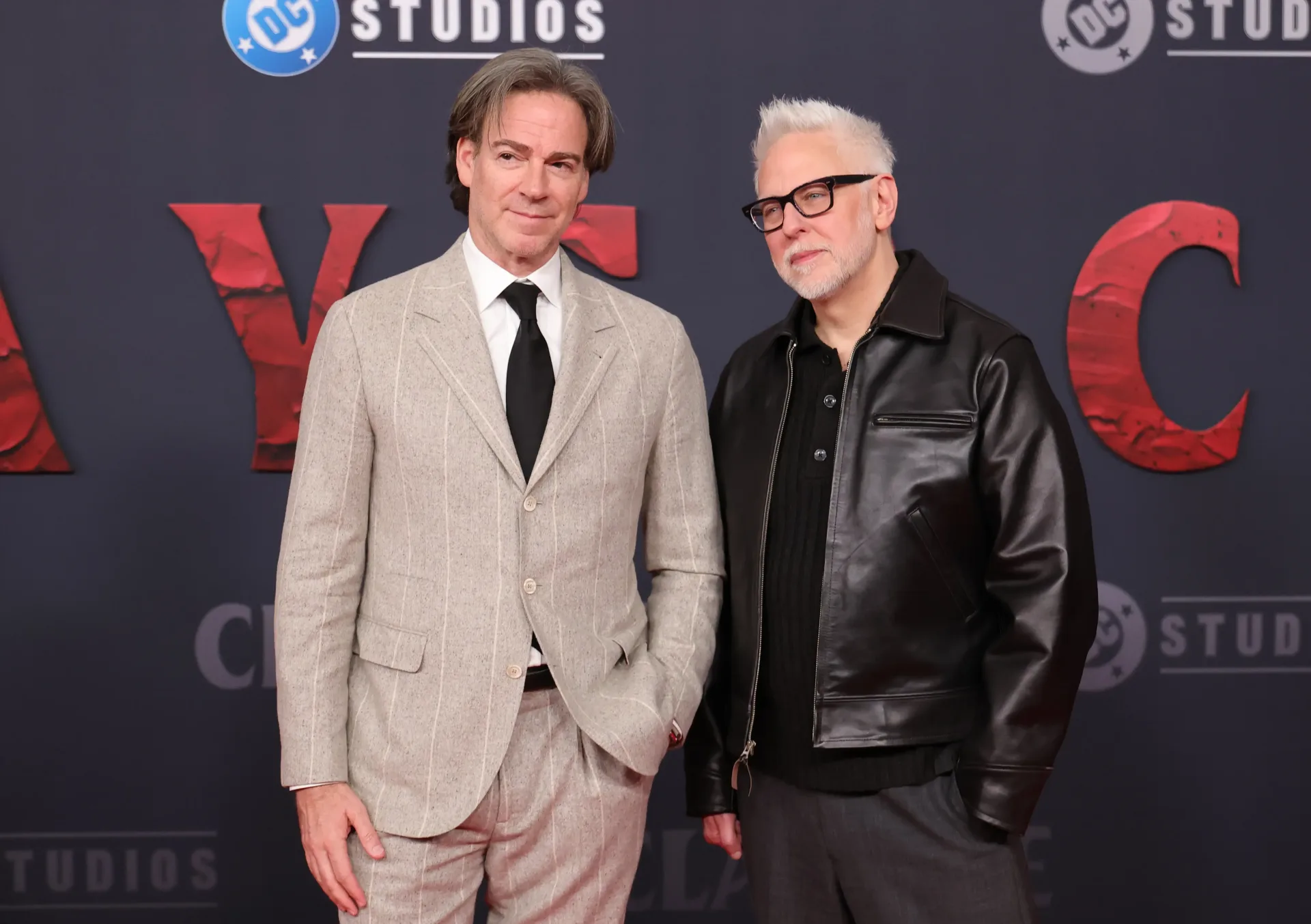
Ellison’s AI comments arrive during a period of major change around DC Studios. James Gunn and Peter Safran have departed as the studio’s heads, with Jeremy Latcham brought in to replace them. Reports indicated Ellison had been discussing Latcham for the role as early as a month before the merger involving Warner Bros. and Paramount under Skydance.
Leadership transitions and technology strategy are separate subjects, and there is no indication that AI was the reason for the DC change. Still, both developments help explain why Ellison’s remarks carry weight. A new leadership structure is being installed while Skydance’s top executive is describing a potentially sweeping view of technology’s place in production.
In a statement on Gunn and Safran’s departure, Ellison credited them with launching a new era for DC Studios, transforming its foundation, and building a slate Skydance is proud of. He also thanked them for their passion, contributions, and commitment to the DC brand.
That acknowledgement is important context for fans following the film slate. It recognizes the work already done under Gunn and Safran, even as Latcham assumes the role. It does not, however, offer a roadmap for whether AI will have any part in DC’s future projects.
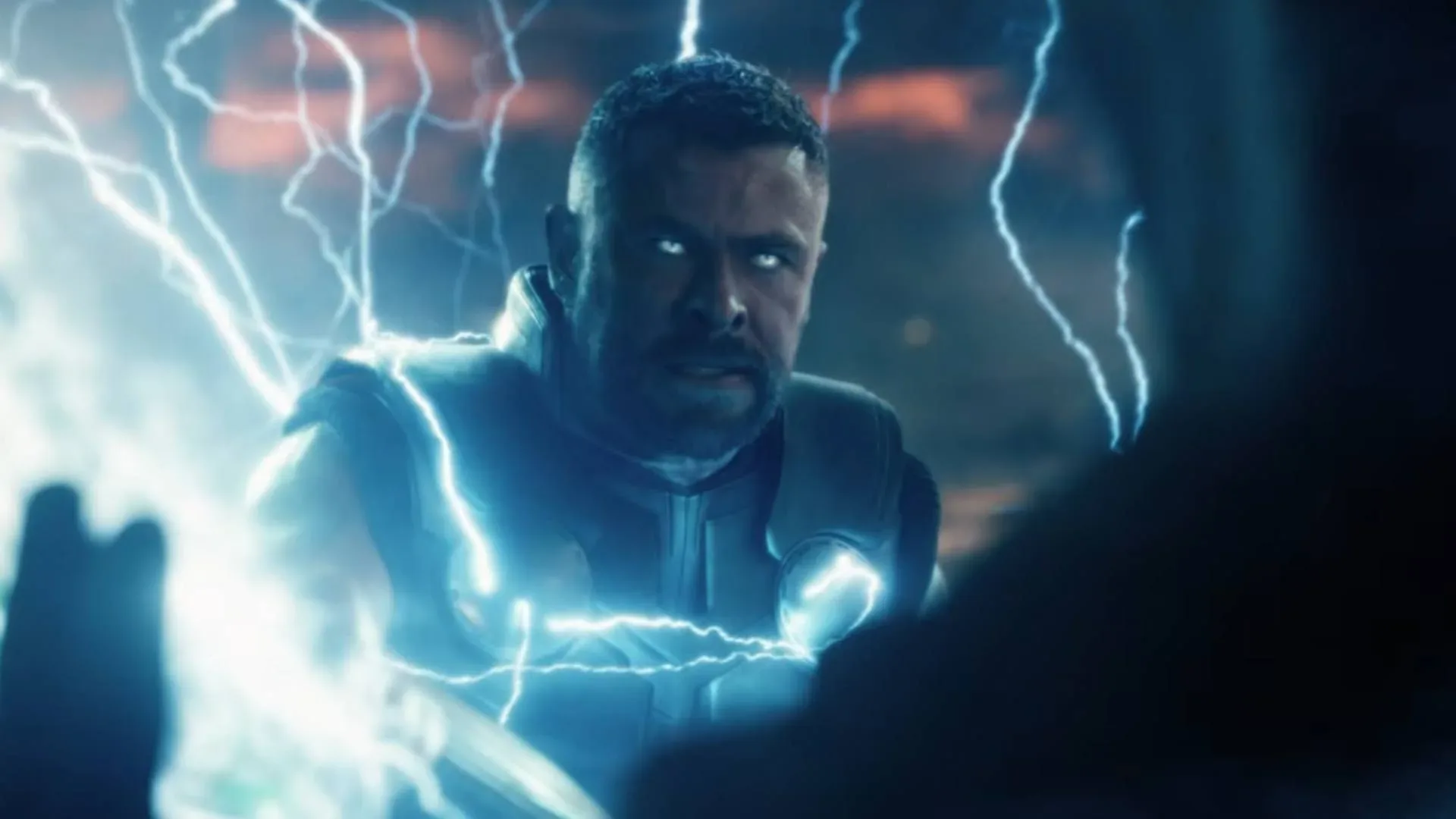
DC remains one of the most visible brands in contemporary franchise entertainment, so any later clarification about production technology could draw unusual scrutiny. Fans already parse the smallest creative signals from superhero projects; for instance, imagery can prompt elaborate theories, as seen in discussion around an Avengers: Doomsday billboard and its possible Thor clue. A direct statement that AI has or has not been used in a specific DC production would therefore be more consequential than a broad earnings-call prediction.
What has not been confirmed
There are several limits to what can be concluded from Ellison’s remarks. No forthcoming Skydance title was named as an AI project. No extent of AI use was identified. No workflow was described. And no details were given about how the company would determine when AI is assisting an artist versus replacing artistic work.
- There is no confirmed list of Skydance projects using AI.
- There is no stated timetable for introducing AI into a particular production process.
- There is no public description of the tools the company may use.
- There is no announced connection between AI strategy and the DC Studios leadership transition.
Those omissions are significant. “AI” can become an umbrella term that obscures more than it reveals, particularly when a company’s public comments focus on large potential benefits without naming concrete applications. For now, Ellison’s remarks should be read as a high-level vision of where he believes production technology is heading, paired with a public commitment to keep artists at the center.
The test will be the work, not the rhetoric
Ellison’s comparison to the effects breakthroughs behind Jurassic Park and Terminator 2 sets a very high bar. Those titles remain shorthand for technical innovation that served memorable cinematic experiences. The comparison therefore carries an implicit challenge: if AI is to be treated as a similarly significant creative tool, the results will need to demonstrate more than novelty.
That does not require every audience member to agree with a company’s technological choices. It does mean the public conversation will likely focus on whether work appears coherent, purposeful, and artistically specific—and whether the promised “hand-crafted storytelling” remains evident in the finished result.
For the moment, the concrete news is Ellison’s position. He sees AI as potentially more significant than the CGI leap he referenced, while maintaining that the people making stories are not expendable. The implementation remains unknown, and that uncertainty is likely to matter more than the scale of the prediction as Skydance’s upcoming projects take shape.