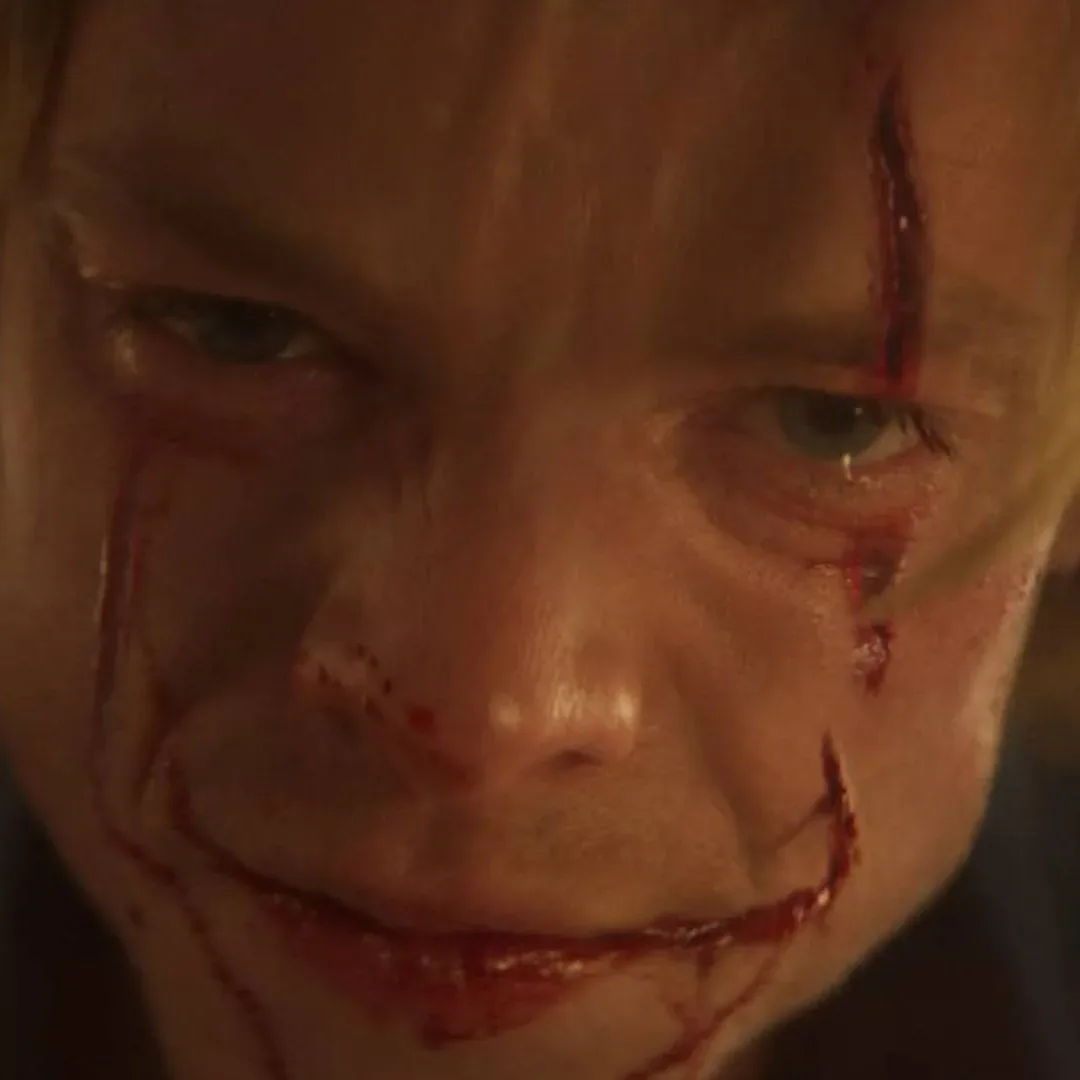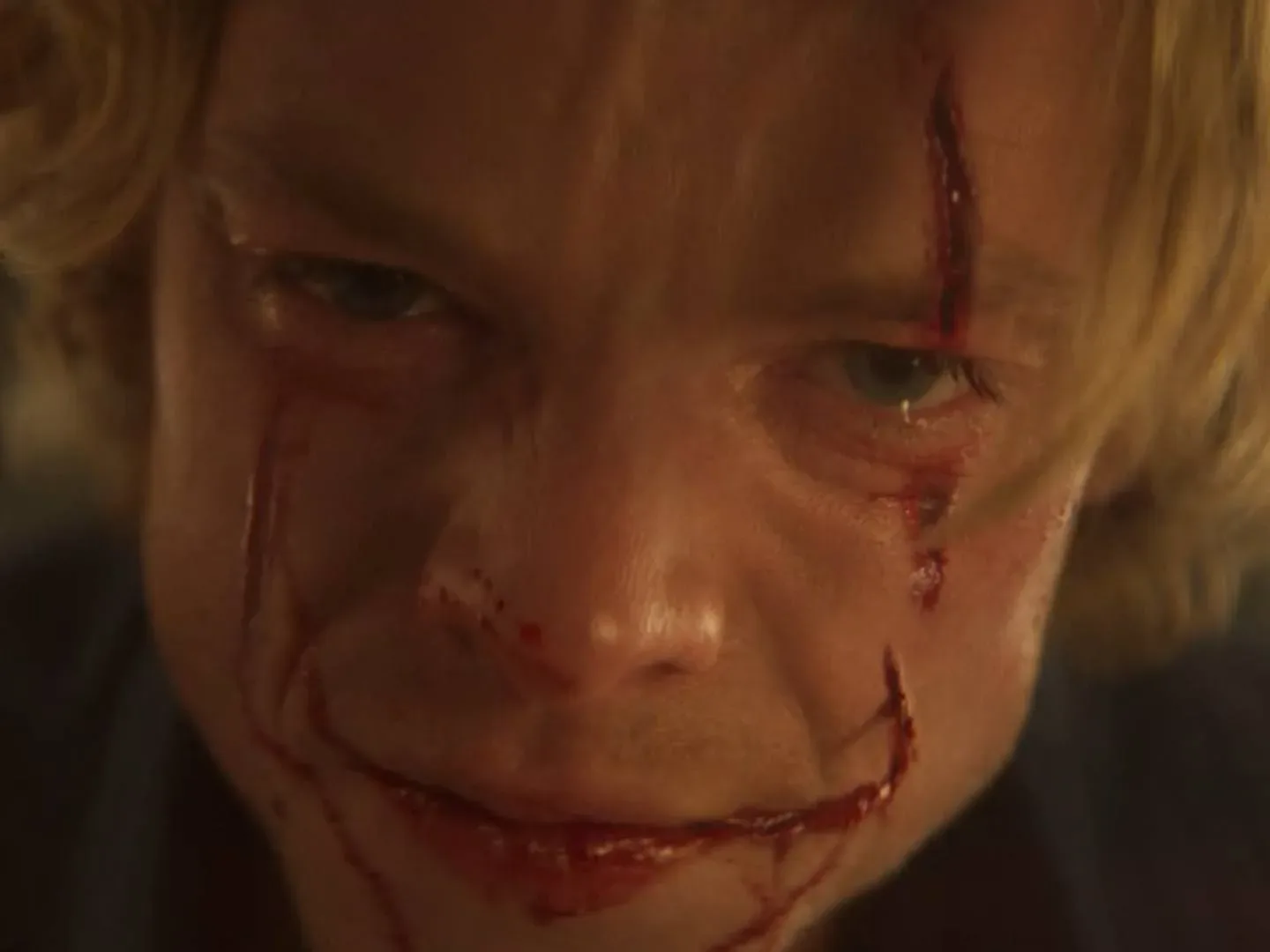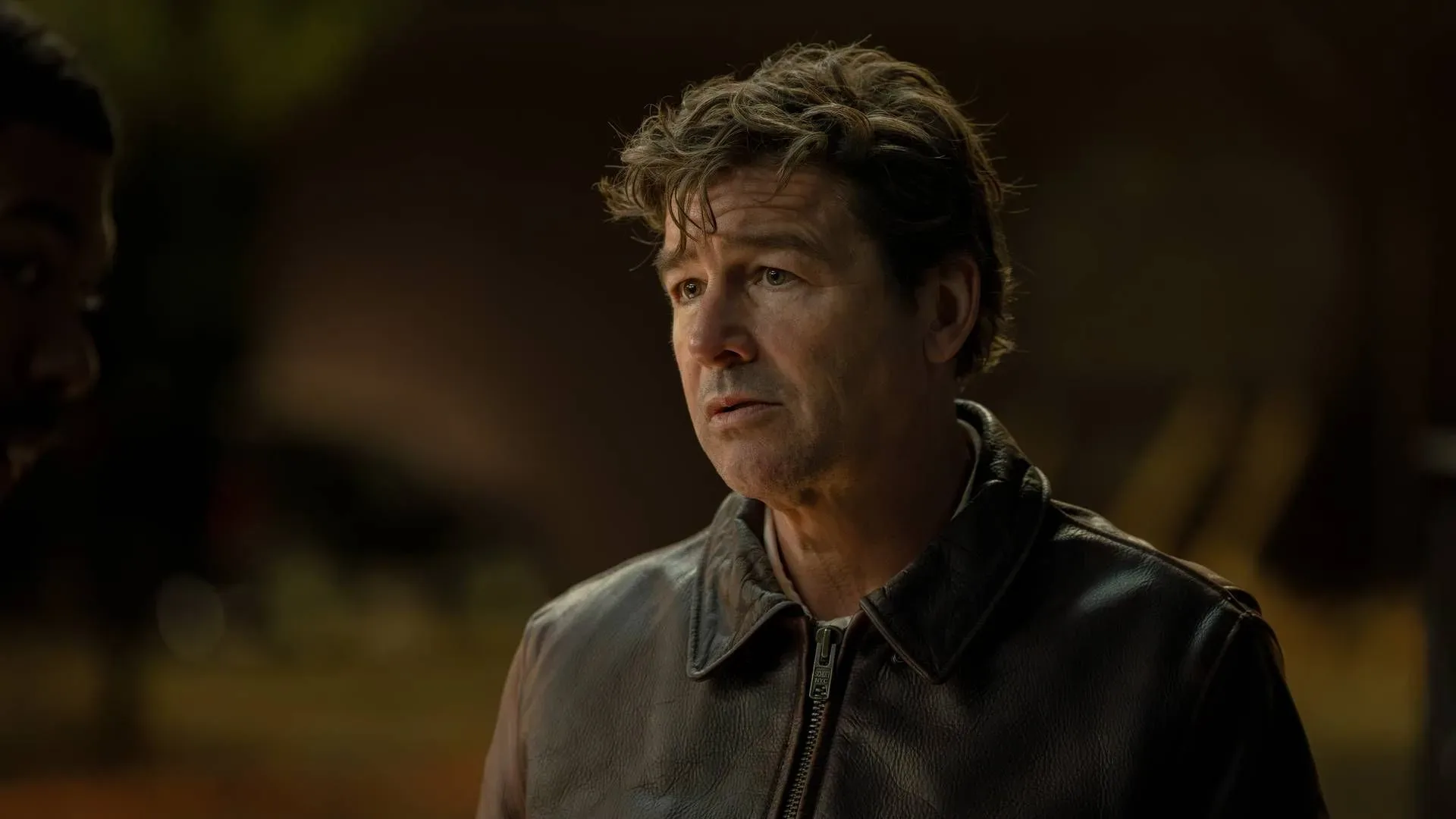
Tom Rhys Harries spent three months screen testing for the role of Matt Hagen in Clayface, and he found an unusually fitting way to decompress from the uncertainty: Elden Ring.
Speaking with Kit Connor, who is set to lead the forthcoming Elden Ring film, Rhys Harries said he played FromSoftware’s action RPG to “switch my brain off” through the testing period. He connected that habit to the anxiety he experienced while the role was still undecided.
It is a refreshingly candid admission, particularly because Elden Ring is not generally shorthand for a low-pressure pastime. Its world is hostile, its combat demands attention, and failure is a routine part of progress. Yet that apparent contradiction helps explain why a demanding game can still function as a mental break for some players: it can offer a bounded set of problems with rules, goals and immediate feedback, rather than leaving the mind to circle an unresolved real-world situation.
A challenging game can still be a form of escape
“Switching off” does not necessarily mean doing something effortless. In this context, it can mean placing attention somewhere so specific that there is less room for anxious speculation. During screen testing, an actor may be waiting on an outcome that matters enormously but cannot be controlled through further preparation alone. A game presents a different arrangement. The next enemy, route or encounter may be difficult, but it is directly actionable.
That is not a claim that games are a treatment for anxiety, nor does Rhys Harries present Elden Ring that way. His comment is personal and speaks to one coping routine during one unusually tense professional stretch. Still, it captures a familiar distinction for players: intensity and stress are not identical. A hard game can be absorbing precisely because it narrows the focus to the next decision.
Elden Ring’s appeal in that role makes sense at a basic level. Its combat repeatedly asks the player to observe patterns, make positioning choices and try again after a mistake. Progress may come in small increments, but those increments are visible. When a real-life process has no clear timetable or finish line, that structure can be compelling.
There is also something appropriate about a prospective DC body-horror lead finding escape in the Lands Between, a setting populated by strange transformations and formidable creatures. The connection should not be overstated—Rhys Harries did not say his play influenced his performance or the movie—but it does make the anecdote memorable.
Clayface’s script is being framed as tragedy, not just spectacle
Rhys Harries also spoke warmly about the Clayface screenplay, written by Mike Flanagan and Hossein Amini. He described its three-act construction as resembling a Greek tragedy and emphasized the scope it gives an actor to explore human complexity.
Related coverage includes Tom Rhys Harries Used Elden Ring to Cope With Clayface Screen-Test Anxiety.
That comparison is useful mainly as a clue to the film’s intended dramatic register. A three-act structure is a common storytelling framework in which a setup leads into escalation and then resolution. Calling a story a Greek tragedy, however, suggests emphasis on a character’s devastating trajectory and difficult human choices rather than simply a sequence of effects-driven shocks. It does not reveal plot specifics, and it should not be mistaken for confirmation of particular themes or events. But it does indicate that Rhys Harries sees Matt Hagen as material with substantial dramatic range.
The film’s trailers have already teased transformations, while Rhys Harries has said the full scale of its body horror will only become apparent in cinemas. Body horror is a genre term for horror built around unsettling changes to, damage to, or loss of control over the human body. For a character named Clayface, transformation is naturally central to the premise; the remaining question is how the finished film uses that element in service of its character drama.
Rhys Harries’ enthusiastic assessment of the material—he called it “fucking sick!”—sets expectations for an aggressive and potentially grotesque visual approach. His more expansive comments about tragedy and human depth point in a complementary direction: the transformations may be the visible hook, while Hagen’s inner life is meant to supply the emotional weight.
For broader DC character discussion, Joking Joystick has also explored how Lanterns approaches Kerry Kane and Hal Jordan’s death.
The Elden Ring film is moving on a separate track
Connor’s side of the conversation brought a small update on the Elden Ring movie. He said he had physically bulked up for the lead role. The film also includes Cailee Spaeny, Ben Whishaw and Nick Offerman. Alex Garland is writing and directing, and filming wrapped in July.
The project is scheduled for release on March 3, 2028. Connor’s note about getting bigger is limited but meaningful as a preparation detail: it confirms a physical component to his approach without disclosing character, story or the nature of the production’s adaptation. Nothing in the available information establishes how closely the movie follows any individual strand of the game, and it would be premature to infer details from casting or physical training alone.
Garland’s dual role as writer and director means the film’s scripting and on-set direction are being led by the same creative figure. That can matter for a project adapted from a game with a large world and deliberately indirect storytelling, since decisions about what to explain, omit or translate into film language need a consistent approach. What that approach looks like remains undisclosed.
What the two projects share—and what they do not
The overlap here is personal rather than official. Rhys Harries played Elden Ring during the period in which he was pursuing Clayface; Connor is attached to the separate Elden Ring film. There is no indication that Rhys Harries is involved with that adaptation, that Connor is involved with Clayface, or that the movies share a production connection.
Still, the timing produces a neat intersection between gaming and film culture. One actor’s private gaming routine emerged from the uncertainty of a screen-testing process, while another actor’s preparation offers a glimpse at the physical demands being placed on an ambitious game adaptation. Neither anecdote gives away much about the finished films. Both offer a more human view of the work around them.
Clayface is due in cinemas on October 23. The Elden Ring movie is set to arrive March 3, 2028.