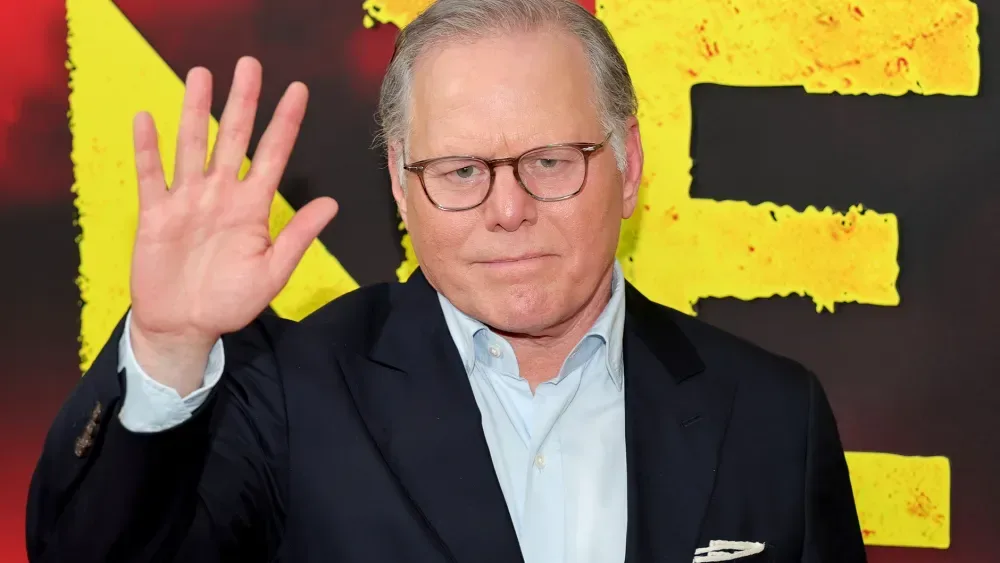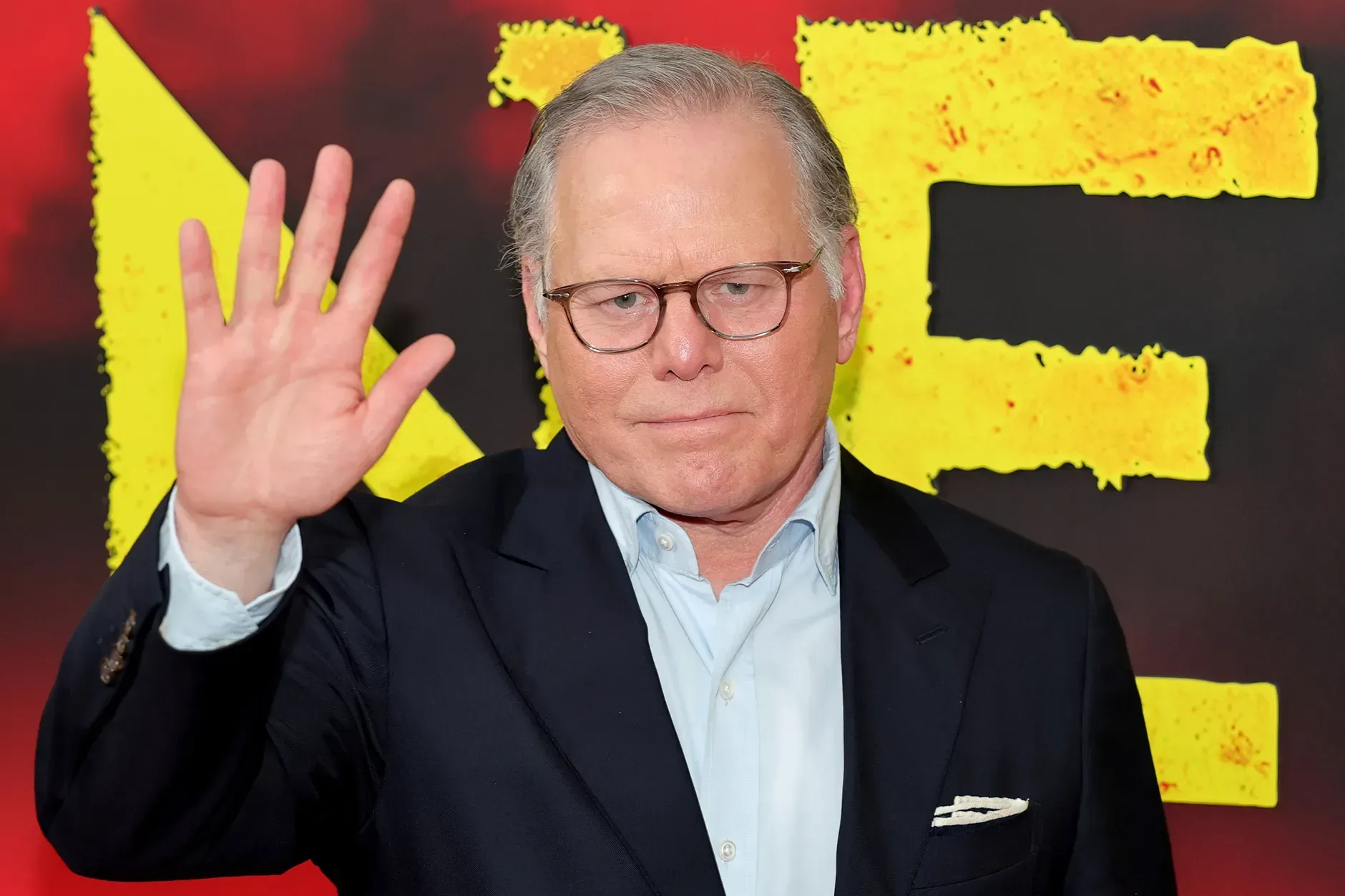
David Zaslav has delivered a farewell message to Warner Bros. Discovery employees as the company prepares for its planned combination with Paramount. The transaction is scheduled to close on Oct. 6, after which David Ellison is set to lead the combined business under the name Skydance Corp.
In a roughly three-minute internal video, Zaslav thanked staff for the creative and operational work behind the company’s movies, television, news, sports, games and other entertainment businesses. He recorded the message from the Loft warehouse at Warner Bros. Studios’ Ranch facility in Burbank, California, seated alone in a director’s chair.
The location was more than simple scenery. Zaslav used the apparently empty warehouse as a metaphor for the people and disciplines that turn physical space and early ideas into finished work. His message centered on sets being built and dismantled, and on the collaboration required to make stories, live programming, journalism, sports coverage, games and experiences that audiences remember.
A farewell framed around the people who make the work
Zaslav’s address did not focus on deal mechanics, corporate targets or individual franchises. Instead, it stressed that the recognizable final product—whether a story, game, sports broadcast or piece of journalism—depends on many people doing specialized work behind the scenes.
He told employees that he hoped they would take pride in what they had built and created, and described it as an honor to have worked alongside them. The video closed with thanks for the years at Warner Bros. Discovery and encouragement for employees’ future work.
The accompanying montage reflected the breadth of the company’s output. It included footage associated with The Pitt, The Lego Movie, Barbie, One Battle After Another, Dune, Hacks, Friends, House of the Dragon, The White Lotus, Abbott Elementary, Sinners, Harry Potter, Discovery’s Shark Week, CNN and sports programming.
That selection matters because Warner Bros. Discovery is not a single-purpose studio. Its value and identity have been spread across film, prestige television, franchises, factual programming, news, sports, streaming and games. A corporate transition can be discussed in terms of ownership, debt and executive roles, but employees and audiences encounter it through the projects and brands that survive, change direction or receive new investment.
Why this change is relevant to games
Games were specifically included in Zaslav’s description of the company’s cultural output. That is a useful reminder that they are part of the larger Warner Bros. Discovery ecosystem, rather than an isolated side business. A company with major screen franchises can approach games as standalone releases, extensions of well-known worlds, or both. The source material does not outline the incoming company’s gaming strategy, so it would be premature to predict projects, cancellations, platform plans or studio changes.
Related coverage includes David Zaslav Bids Farewell to Warner Bros. Discovery Staff Ahead of Skydance Deal.
Still, the organizational context is important for players who follow licensed games and entertainment franchises. Corporate ownership affects who ultimately sets priorities, how budgets are allocated, and whether related divisions are encouraged to coordinate around major properties. None of those factors automatically determines the quality of a game. Development remains dependent on the teams making it, the production plan and the creative decisions taken over time. But a new parent company can change the environment in which those decisions are made.
For now, the firmest takeaway is simply that Warner Bros. Discovery’s games business is among the many creative areas entering a new corporate structure. There is no basis here for treating the farewell video as a product roadmap or as confirmation of any specific gaming move.
The financial backdrop: debt, restructuring and a new owner
Zaslav took charge of the company formed by the earlier Warner Bros. Discovery combination about four and a half years ago. That deal came with a substantial debt burden. During his tenure, the company pursued cost reductions and operating-efficiency measures, including job cuts across the organization.
The supplied financial figures show why corporate leadership emphasized a turnaround. Warner Bros. Discovery recorded a pro-forma EBITDA loss of roughly $2.1 billion for full-year 2022. By 2025, it reported EBITDA profit of $1.4 billion, while subscriber-related revenue was tracking toward double-digit percentage growth in 2026.
EBITDA means earnings before interest, taxes, depreciation and amortization. It is a commonly used measure intended to show the profitability of operations before certain financing, tax and accounting costs. It is not the same thing as net income, and it does not erase the practical importance of debt. In this case, the move from a reported EBITDA loss to a profit indicates a major change in the company’s operating picture, while the planned combination itself is also described as bringing additional debt to the combined media giant.
That tension explains much of the significance of the transition. Warner Bros. Discovery spent years pursuing a more sustainable operating model. It is now on course to become part of a larger Ellison-led company that will have to balance creative ambition, established brands and financial obligations at the same time.
The abandoned split plan and Zaslav’s exit package
Before the Paramount-Skydance transaction displaced the idea, Warner Bros. Discovery had been planning to divide itself into two publicly traded companies. One would have held the Warner Bros. studios business alongside HBO and HBO Max. The other would have largely contained the linear television networks, Discovery+ and other assets.
That plan helps clarify the one-time stock-options award included in Zaslav’s 2025 compensation. His overall 2025 pay package totaled $165 million, including stock options valued at $109.6 million that were granted on June 12, 2025 in connection with his work on the proposed separation.
Stock options are rights that can allow an executive to buy company shares at a specified price under defined terms. Their eventual value can depend heavily on future share performance and on the rules attached to the award. A stated valuation for an options grant is therefore not the same thing as cash paid immediately, though it is part of reported compensation.
The planned Paramount deal meant the split did not proceed. When the merger closes, Zaslav is set to receive a so-called golden parachute payment of at least $550 million. A golden parachute is compensation triggered by a change in corporate control, typically intended to define executive treatment when ownership shifts. The contrast between that payout and the cost-cutting period under Zaslav is likely to remain a major point of attention around his exit.
A carefully chosen final message
The farewell video’s visual approach appears deliberately designed to foreground the output of the organization rather than present a conventional written executive memo. Zaslav wanted a video in order to incorporate the imagery, and the result linked an empty production space with the finished movies, series, events and other programming associated with the company.
That is also why the focus on craft carries weight. Major media combinations tend to be described through balance sheets, intellectual property libraries, streaming scale and executive succession. Those are real concerns. But the businesses themselves are sustained by writers, performers, artists, technicians, developers, producers, journalists, marketers, operations staff and many others whose work turns a corporate catalogue into current entertainment.
Zaslav’s parting words emphasized continuity of that labor even as the corporate name above it changes. Whether Skydance Corp. maintains that continuity in practice will be measured over time by its choices across studios, networks, streaming, news, sports and games—not by a farewell montage alone.
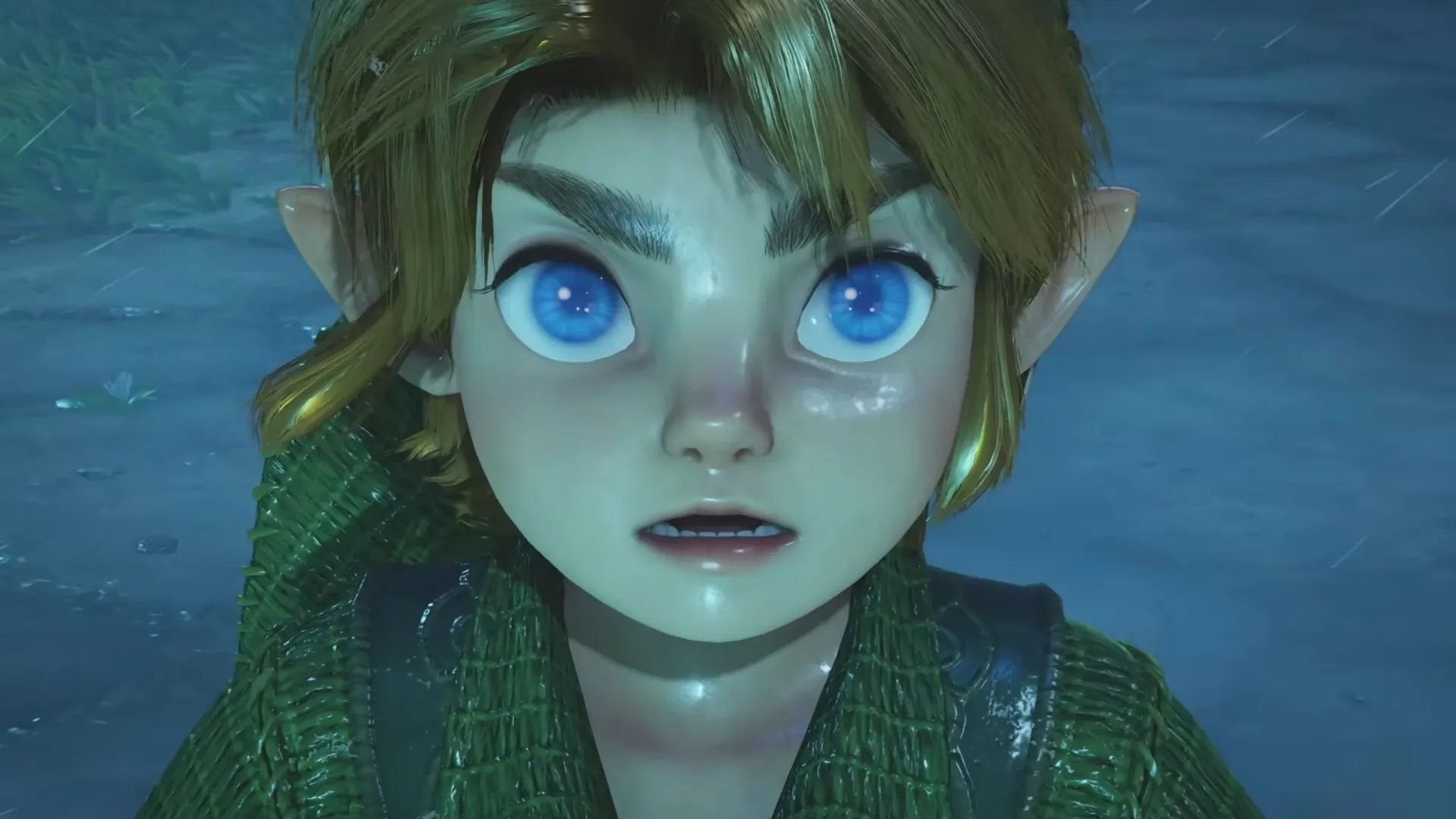
For broader context on how large entertainment properties and game releases can intersect in a crowded market, see our coverage of GTA 6 and Ocarina of Time Remake’s unusual release-date matchup.