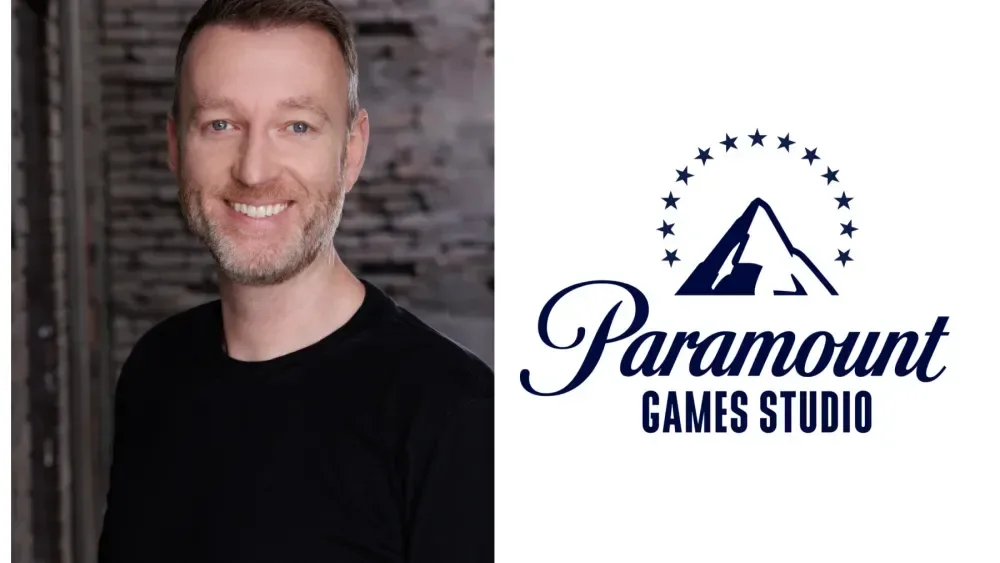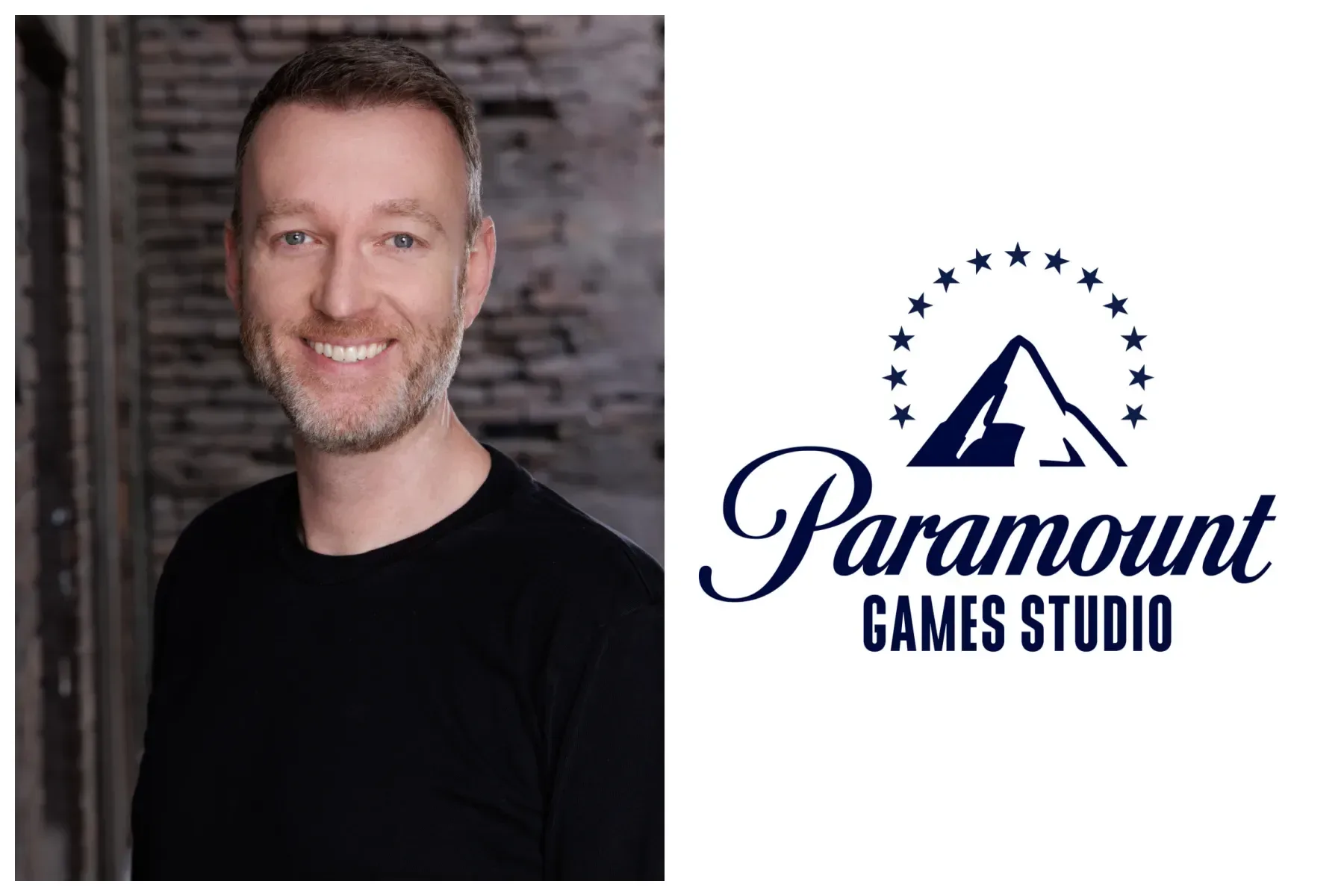
Skydance is putting its games and experiences businesses under one roof, combining the operations previously associated with Paramount and Warner Bros. under Tony Driscoll, who will serve as president of games and experiences while continuing to lead corporate strategy and development.
The organizational move brings together a notably broad slate of entertainment properties: Star Trek, Mission: Impossible, SpongeBob SquarePants, South Park, Avatar: The Last Airbender and The Godfather on the Paramount side, alongside Harry Potter, DC, Mortal Kombat, The Matrix, Rick and Morty and Game of Thrones from Warner Bros.
For players, the immediate significance is structural rather than a list of newly announced games. No individual titles, release timing, platforms, or game features were outlined. But the decision does place the teams responsible for adapting those worlds into games and location-based experiences within a single organization—and places well-known game developers in that combined structure.
What is being combined
The new games and experiences group includes the newly established Paramount Games Studio, which had combined Paramount and Skydance gaming assets, and Warner Bros. Games’ internal development studios. The developers named as part of the organization are Avalanche Software, NetherRealm Studios, Rocksteady Studios, TT Games, and WB Games teams in Montreal and Boston.
- Avalanche Software is identified as the developer behind Hogwarts Legacy.
- NetherRealm Studios is among the internal teams now within the combined games structure.
- Rocksteady Studios, TT Games, and the WB Games teams in Montreal and Boston are also included.
That matters because it connects an extensive catalog of recognizable intellectual property—often shortened to IP, meaning owned characters, settings, stories, and brands—to established game-development groups. It does not mean every named property is now confirmed to receive a game, nor does it identify which studio would handle a potential adaptation. Those are important distinctions when a corporate realignment can sound more like a release slate than it is.
Instead, this is a leadership and portfolio-management decision. The company is arranging developers, brand rights, business operations, and experiences teams so they are overseen through one unit. The practical objective described internally is to build engagement and fandom across physical and digital spaces.
Games are only one part of the new remit
Driscoll’s title covers “games and experiences,” a deliberately wider scope than game publishing or development alone. The experiences side encompasses theme parks, resorts, restaurants, retail, studio tours, and related guest-facing attractions. In games, the company’s language points to forms of play including action, adventure, combat, competition, and creativity.
This distinction is useful because the same franchise can exist in several formats without those projects being interchangeable. A video game is interactive software built around player input. A themed attraction or studio tour is an in-person experience. Retail and consumer products turn a property into physical merchandise. All can support the same fictional universe, but they require different creative, operational, and commercial expertise.
Related coverage includes Skydance Unifies Paramount and Warner Bros. Games Teams Under Tony Driscoll.
By grouping them together, Skydance is signaling that it sees these forms of engagement as connected parts of franchise stewardship. A brand may meet audiences through a game, an attraction, a store item, or a screen production; the stated strategy is to reach people wherever they watch, play, and otherwise engage.
That is also why the executive appointment is paired with a corporate-strategy role. Game projects, attractions, and licensed products have different production processes, but they all involve decisions about where a brand should appear, how it is represented, and which audience relationship the company wants to build.
A large portfolio brings choices, not automatic answers
The combined catalog is expansive enough to support very different kinds of projects. It contains fantasy, superhero fiction, fighting games, comedy, animation, science fiction, espionage, and crime drama. On its face, that gives the company a substantial set of worlds and characters to draw from.
Yet a large portfolio also creates a prioritization problem. Brands can have different audiences, tones, histories, and expectations. A game based on a world known for combat may call for a different design approach than one centered on comedy or family animation. Likewise, a location-based experience has fundamentally different needs from a console or PC release. Centralizing oversight could make cross-company planning easier, but the announcement does not say how individual properties will be selected or which formats will take precedence.
The clearest confirmed point is that the relevant teams will have a shared leader and a joint organizational home. Any conclusions about particular franchises, sequels, crossovers, or studio assignments would go beyond what has been disclosed.
For readers following the wider game business, this is a useful reminder that the industry runs on more than announced software. Studio structures, rights portfolios, publishing decisions, and operational support can all shape what eventually reaches players. That broader ecosystem can be seen in smaller-scale stories too, including a recent look at a fan project attempting to bring P.T. to native Windows PC, where technical access and the stewardship of familiar game ideas are central to the discussion.
Other leadership roles take shape
The games-and-experiences consolidation was announced alongside a set of executive assignments across the broader company. Josh Silverman will become president of global products and publishing. Jim Sterner remains chief people officer, continuing to lead human-resources operations. Jose Turkienicz remains president of global operations, overseeing real estate, procurement, and studio operations. Jeff Silberman will serve as chief of staff to Skydance president Andy Gordon while retaining his executive vice president role in corporate strategy.
These roles help explain the scale of the reorganization. Games do not operate in isolation from publishing, consumer products, staffing, facilities, procurement, and production support. A publishing operation can cover the route through which products reach consumers; consumer-products work can focus on branded goods; global operations deals with the infrastructure that lets teams function. The company specifically described Turkienicz’s focus as simplifying processes and improving service so its businesses can bring ideas to market faster.
That phrase should not be read as a promise of faster game release dates. Development schedules, product plans, and individual projects were not discussed. It does, however, identify an operational ambition: reduce friction around the businesses that turn creative ideas into audience-facing offerings.
What fans and employees can reasonably take from it
For fans, this is a change worth watching rather than a product announcement to pre-order around. The newly unified group now has access to a broad collection of recognizable brands and to experienced internal game teams. That combination may make it easier for Skydance to coordinate work across games, attractions, retail, and other formats. It does not establish a specific game pipeline.
For the teams involved, the immediate change is more concrete: Driscoll is set to meet staff across locations including Los Angeles, London, Montreal, and Tokyo as he begins leading the organization. His internal message emphasized the people who create, build, operate, and steward these fictional worlds, as well as the communities that form around them.
“Steward” is an especially meaningful term in this context. It describes the responsibility of managing an established franchise while balancing its identity, audience expectations, and future opportunities. In games, that can involve decisions about tone, genre, accessibility, technical platforms, monetization, and the degree to which a new project draws on familiar material. None of those choices has been detailed here, but they are the kind of choices this combined structure will eventually need to support.
Skydance has framed games, experiences, consumer products, and publishing as growth pillars alongside TV, film, and direct-to-consumer work. The company also identified DC Comics storytelling and expanded e-commerce as areas of opportunity. Taken together, the plan is aimed at making its franchises present across more than one medium while organizing the people and systems behind that effort.
For now, the biggest news is the shape of the organization: a single games and experiences unit led by Driscoll, incorporating Paramount Games Studio and the named Warner Bros. Games developers, and responsible for an unusually wide range of entertainment worlds. The next meaningful questions—what gets made, by whom, and for which players—remain unanswered.