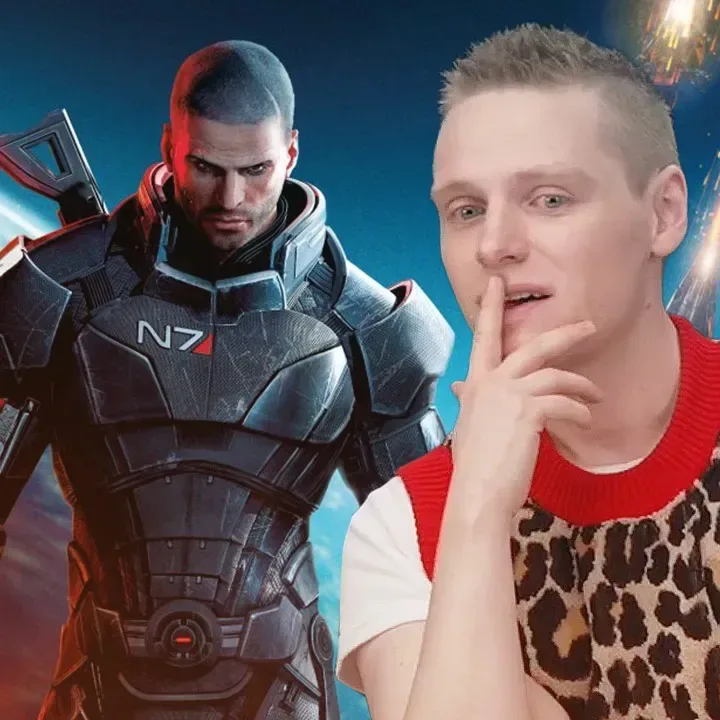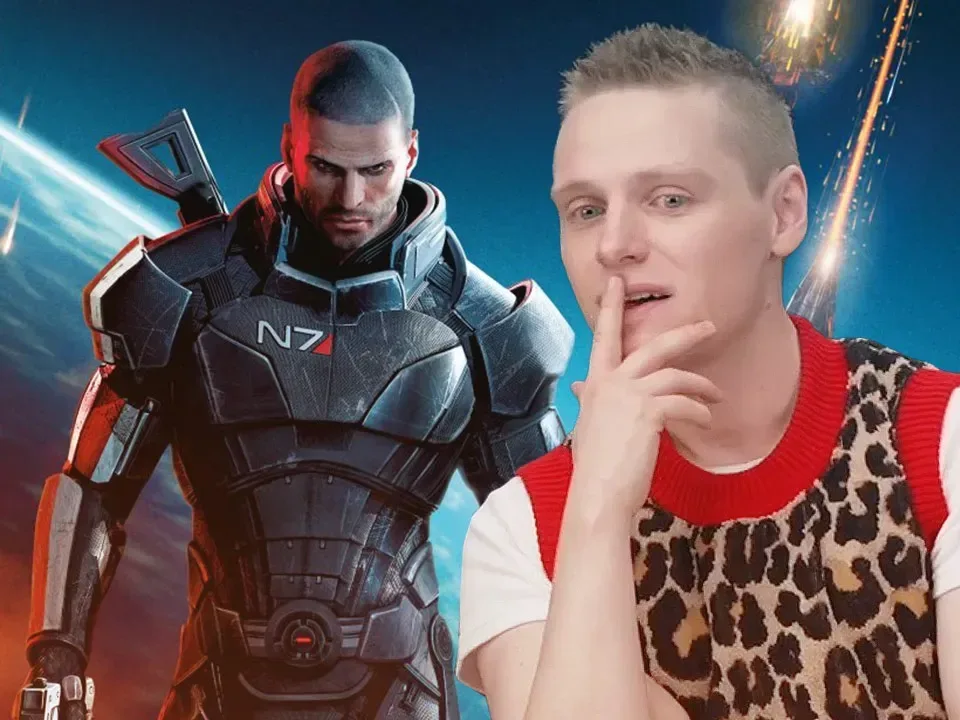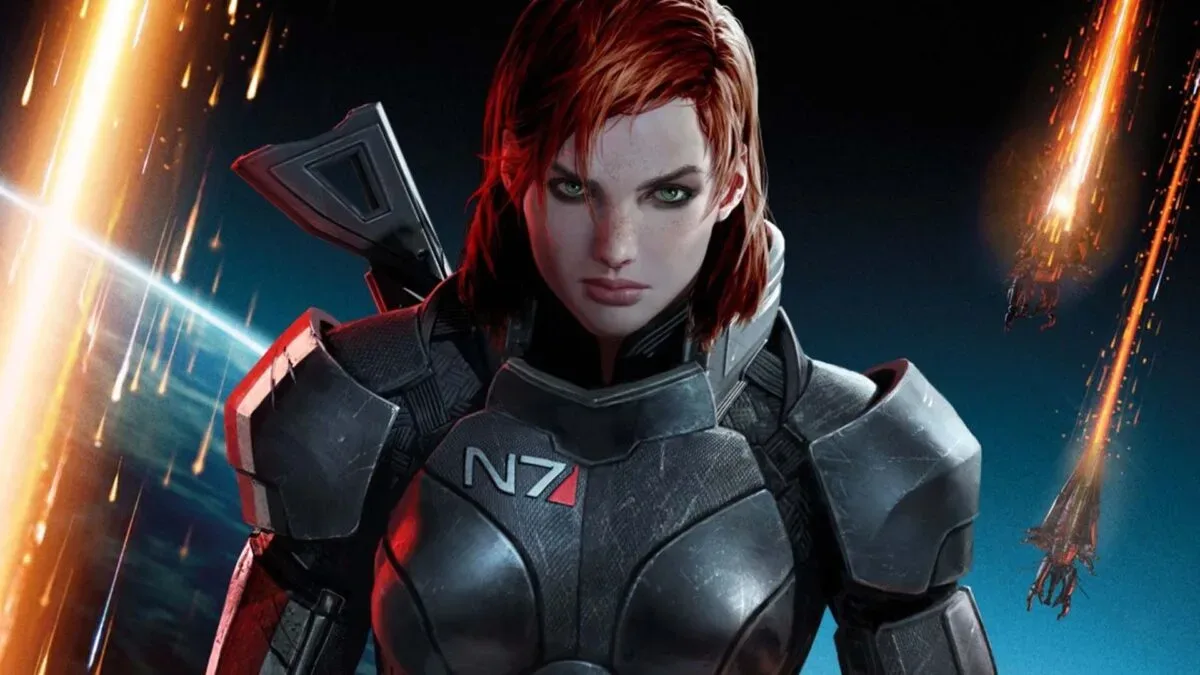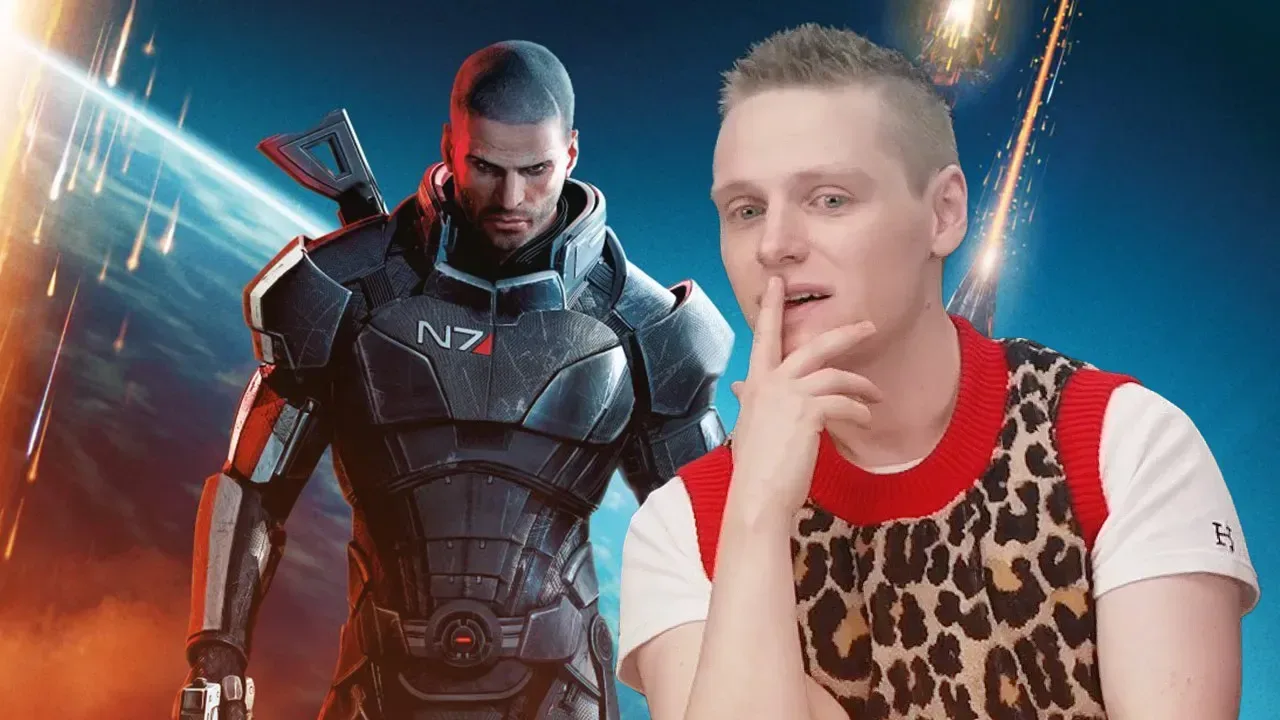
Blade Runner 2099 actor Lewis Gribben has singled out Mass Effect as one of science fiction’s finest game franchises, while expressing disappointment over BioWare’s reported closure. Gribben, who plays Elias in the Prime Video series, also made a direct—and very public—case for joining a prospective television adaptation of the RPG universe.
“There’s so many [games] that I could mention, but the franchise that I think is one of the best sci-fi franchises is Mass Effect,” Gribben said. “I think it’s so good. I think it’s such an amazing and incredible world.”
He then addressed the possibility of a Mass Effect television project in characteristically uncomplicated fashion: “I know Amazon is considering making a TV show of it. Please, think about me for it.”
Gribben points to choice-driven storytelling
The comments are notable not merely because a sci-fi actor likes a landmark sci-fi game. Gribben identified a specific quality in BioWare’s work: its emphasis on an epic story shaped by the player’s decisions. That is a useful way to describe why Mass Effect has endured as a subject of adaptation interest—and why adapting it would be unusually complicated.
In role-playing games, or RPGs, player choice can mean more than adjusting combat style or collecting a different set of equipment. It can involve dialogue decisions, moral alignment, relationships and the direction a character takes through the story. Gribben described that appeal as the opportunity for players to shape a character “good or bad.” In other words, the audience is not simply watching a fixed hero make choices; it is frequently being asked to participate in defining that hero.
That feature works naturally in a game, where a player has agency. A television series, by contrast, must generally select one version of events for its own narrative. That does not make an adaptation impossible, but it illustrates the creative question at the center of any Mass Effect screen project: how to preserve a world associated with personal decision-making when viewers will be following a predetermined story.
Gribben’s praise focused on the combination of that player agency with the franchise’s larger science-fiction setting. “They were so great at telling epic stories,” he said of BioWare, adding that its ability to let players shape a character is central to what made the franchise remarkable.
A studio loss felt through its series
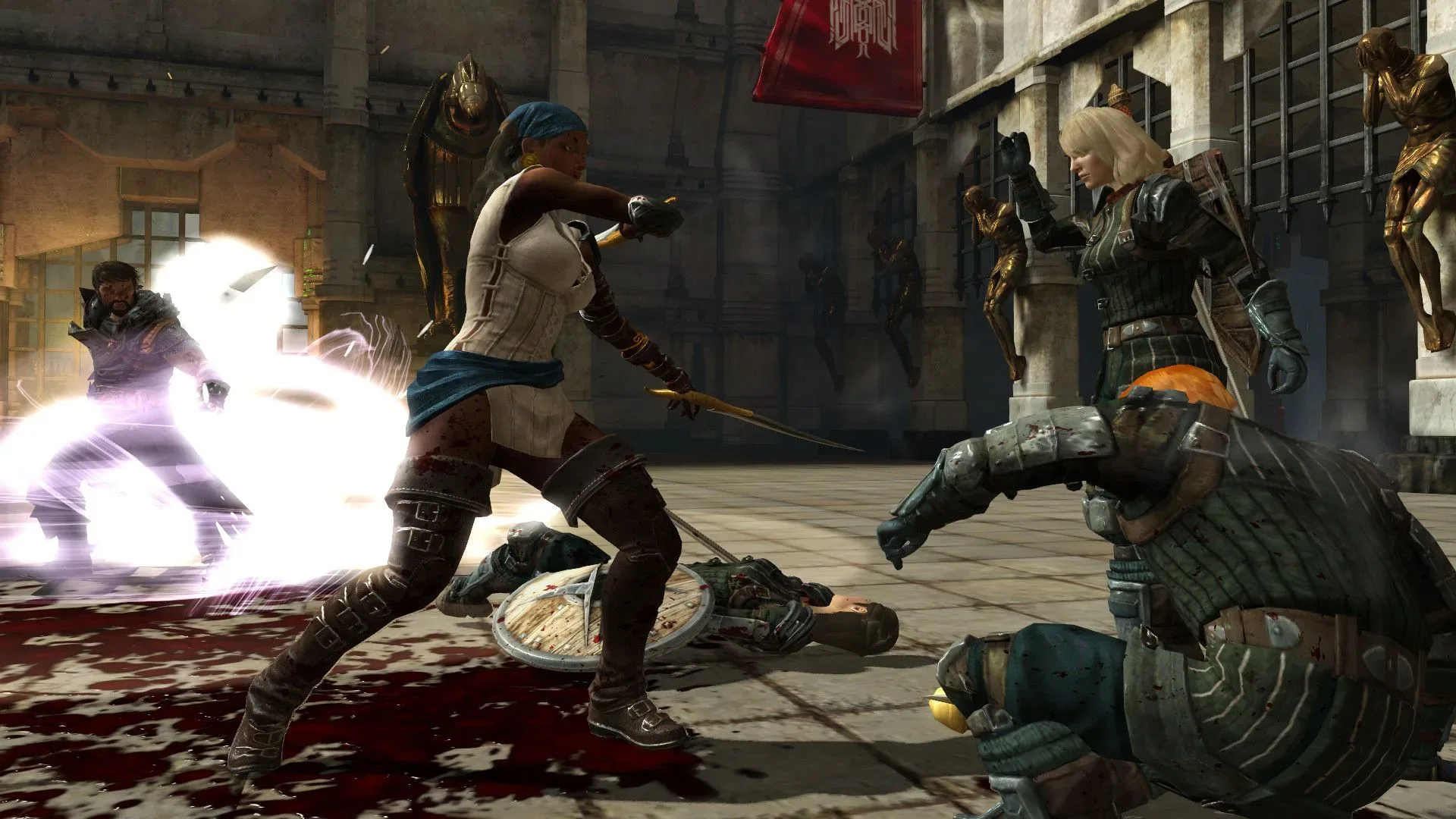
BioWare, the Canadian studio associated with Dragon Age and Mass Effect, was reportedly closed by EA in October. The decision prompted a strong reaction from fans and people across the games industry, particularly because the studio’s name is tightly linked to large-scale, narrative-focused RPGs.
Related coverage includes Lewis Gribben Mourns BioWare's Closure and Pitches Himself for Mass Effect TV Role.
The reported closure was followed by the circulation of a trailer for a next Mass Effect game, leaked by a former BioWare employee. The material was described as ambitious and as indicating that the project was well into development. EA reportedly chose to cancel the game rather than transfer it to another team or sell the project to another studio.
Those reports make Gribben’s response more than a standard celebrity-favorite-games answer. His remarks are an acknowledgment of the loss of a developer with a particular reputation for story construction. He is mourning a studio, but he is also describing the kind of design sensibility that its best-known series represented: big fictional settings, character-focused stakes and meaningful player input.
It is important to separate the surviving franchise from the people and studio that made it. Mass Effect remains a recognizable science-fiction property, and the prospect of a screen adaptation points to its continued cultural reach. But a brand’s ability to support future projects is not the same thing as preserving the development team, experience and creative practices that established its identity. That distinction is at the heart of much of the reaction to a studio closure.
A natural fit for a Blade Runner actor—without making it a casting announcement
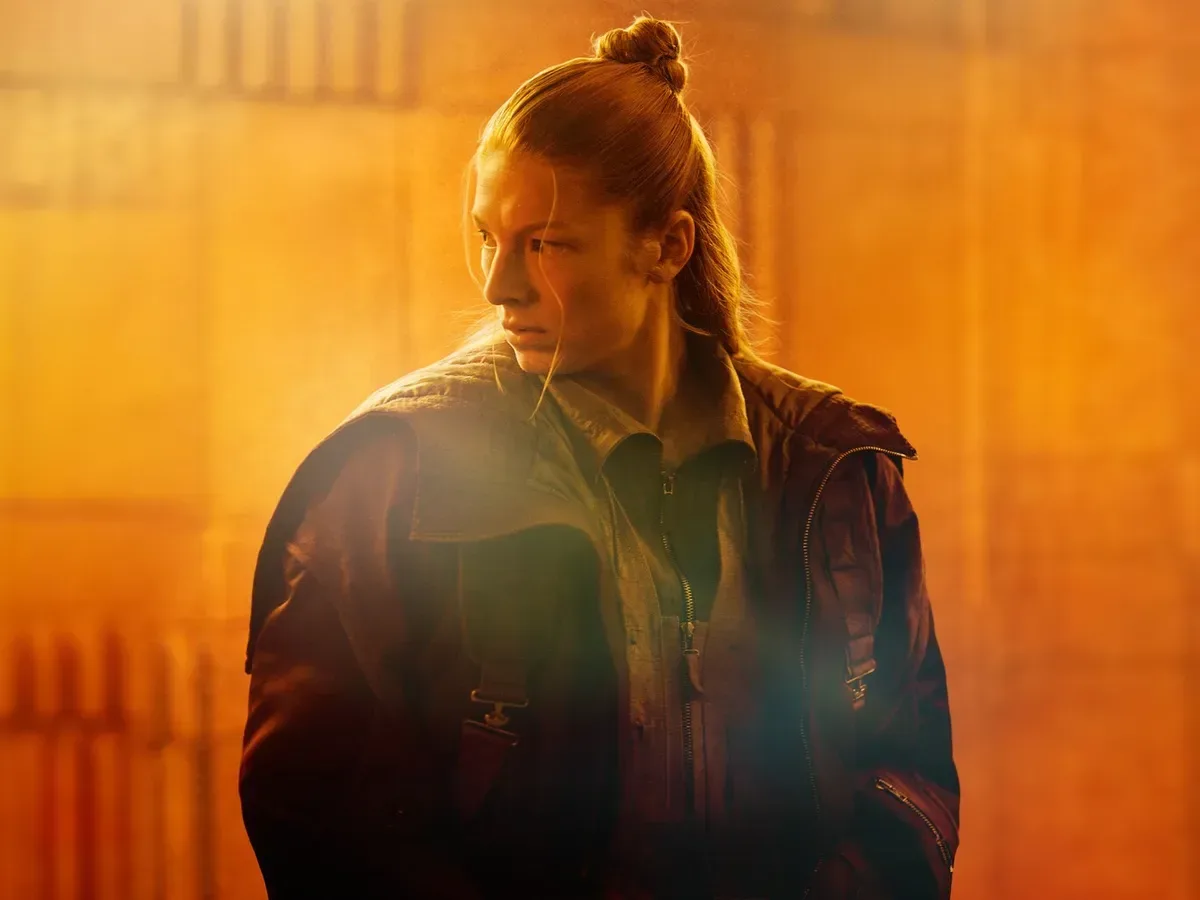
Gribben plays Elias opposite Hunter Schafer’s Cora in Blade Runner 2099, which is streaming on Prime Video. His interest in Mass Effect therefore comes from within another major sci-fi setting, though there is no indication that his appeal amounts to casting news or that a Mass Effect role has been offered.
For now, it is simply an actor enthusiastically making himself available for consideration. That candor is part of the charm: instead of delivering a cryptic non-answer, Gribben named the franchise, praised its strengths and put in an application where everyone could hear it.
The connection is also easy to understand on a thematic level. Blade Runner and Mass Effect both use science fiction to explore people living alongside advanced technology, though they are distinct properties with different worlds and storytelling structures. Gribben’s current series is already engaging with the wider legacy of its universe; Blade Runner 2099’s use of the empathy box and black goat is one example of how it reconnects with ideas associated with Philip K. Dick’s novel.
That background does not establish any link between Blade Runner 2099 and Mass Effect. It does, however, explain why a question about games could quickly turn into a conversation about expansive sci-fi worlds and what makes them compelling across media.
Other cast favorites covered Final Fantasy VII and The Last of Us
Gribben was not the only Blade Runner 2099 cast member to discuss games. Dimitri Abold, who plays Bebeto, named Final Fantasy VII as his favorite and said he is looking forward to the next entry in the remake trilogy next year.
Matthew Needham, who plays the replicant Yahya, said he began playing games during the pandemic with The Last of Us. He joked that a story about a devastating virus may not have been the most comfortable starting point during a real global health crisis, but the game stood out to the cast as a strong entry point for a newer player.
Together, those answers offer a compact picture of three different ways games travel beyond the controller. Final Fantasy VII represents a long-running RPG world being retold through a modern remake project. The Last of Us demonstrates how a game can become a memorable introduction to the medium even for someone coming to it later. Mass Effect, meanwhile, remains a touchstone for players who value choice-led storytelling and a fully realized science-fiction universe.
Blade Runner game discussions remain preliminary
The conversation also turned toward a potential AAA Blade Runner game. Alcon Entertainment co-CEOs Andrew Kosove and Broderick Johnson have said that conversations have taken place about adapting Blade Runner into a AAA game. AAA is an industry term generally used for large-scale, high-budget productions, often involving substantial development teams and broad commercial ambitions.
That is not an announcement of a game, a confirmation of a developer, or a guarantee that a project will move ahead. It means talks have occurred. The distinction matters, especially in an industry where many ideas are explored before they become a publicly confirmed production.
Still, the Blade Runner 2099 actors were plainly enthusiastic about the prospect. Gribben said a game could potentially connect the TV show and the game. Abold called the idea “so sick,” while Needham said it would be fun. All three said they would be interested in being involved should such a project ultimately come together.
For the moment, then, there are two separate possibilities to keep in their proper lanes: a Mass Effect television adaptation that Gribben hopes to join, and early discussions around a AAA Blade Runner game that he and his co-stars would welcome. Neither is a completed production announcement. What is clear is the shared enthusiasm for games as an extension of sci-fi storytelling—and Gribben’s belief that Mass Effect remains one of the medium’s defining examples.