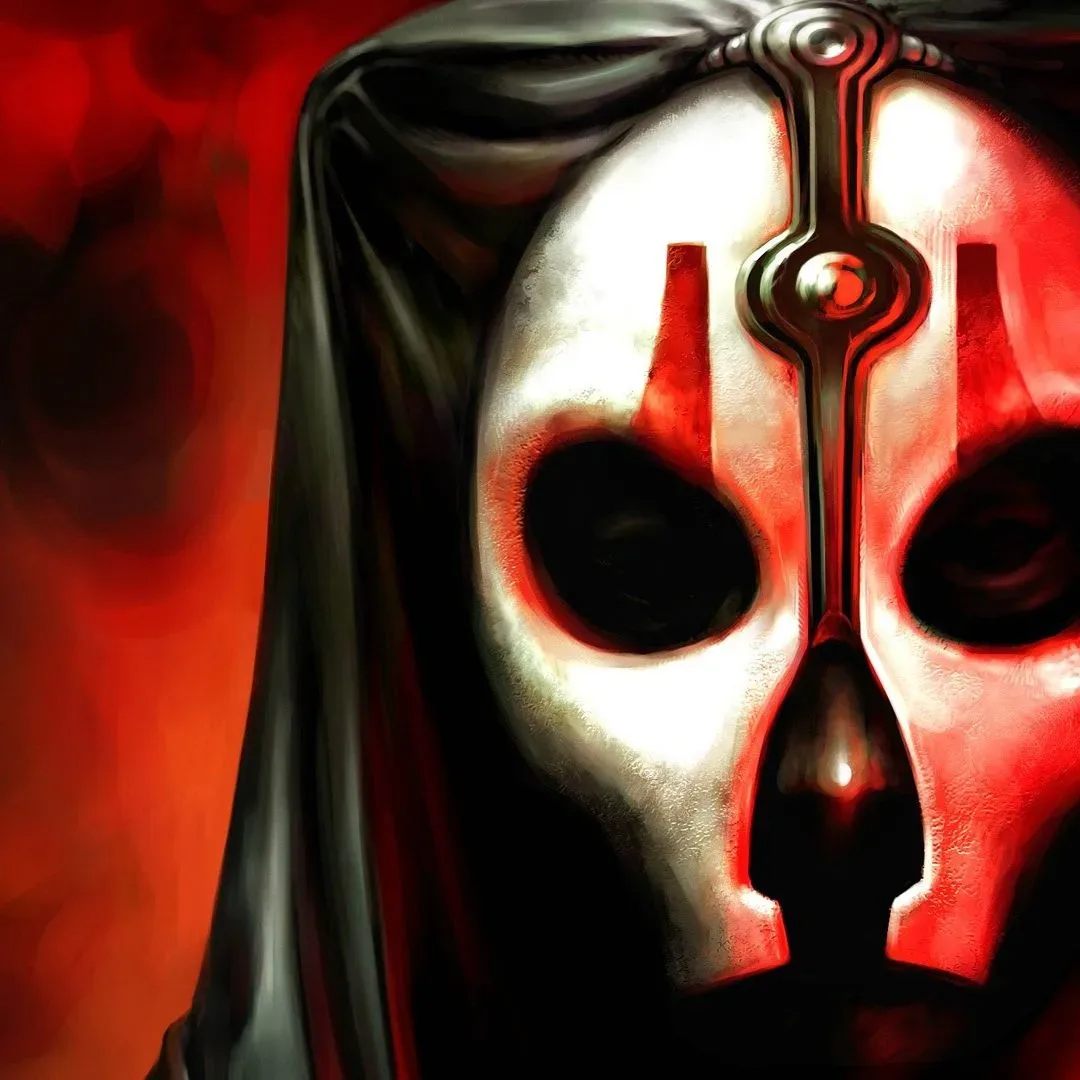

The story of Star Wars: Knights of the Old Republic II: The Sith Lords has long been tied to a painful contradiction: a role-playing game many players cherish, made under conditions that seemingly gave it little room to become fully complete. BioWare veteran John Winski has now put a specific number on the deadline that shaped that story, saying LucasArts asked BioWare to build the sequel in just 18 months.
BioWare declined. Winski recalled that the studio was initially open to the idea of making a sequel, but changed course when the requested timetable was laid out. In his account, 18 months simply was not enough time. Obsidian Entertainment ultimately accepted the assignment, with Winski characterizing its response as, essentially, a willingness to try.
“When LucasArts came to us and said, ‘hey, you want to make a sequel?’ We were like, ‘OK,’ and they gave us 18 months, and we were like, ‘nope. No. We can’t do it in 18 months. That’s not enough time.’”
That detail does not turn the complicated legacy of The Sith Lords into a mystery with a single answer. But it does sharpen the context around a game remembered both for its popularity and for arriving in a state Winski described as not “totally finished.” His assessment is unusually direct: the development cycle imposed for the sequel was “unreasonable,” yet the game was still worth making because so many people love it.
An 18-month deadline changes the scale of the question
“Development cycle” means the period allotted to take a game from an agreed project into a release-ready product. That broad span has to accommodate an enormous range of interlocking work: design decisions, story material, art, engineering, implementation, testing, bug fixing, revisions, and the final process of preparing the game to ship. The supplied account does not detail how Obsidian divided those tasks or what it was able to reuse, so it would be wrong to treat 18 months as a complete accounting of the project’s production. It is, however, the concrete deadline BioWare was presented with.
For an RPG sequel, the pressure is particularly easy to understand in principle. Role-playing games do not merely need a beginning, middle, and end. They need systems that support player decisions, content that responds to those choices, characters and locations that serve the story, and a great many points where narrative, gameplay, and technical work meet. One late change can ripple outward. A quest adjustment might affect dialogue; dialogue may affect recorded or implemented content; the altered content then needs to be checked in the actual game. A short schedule limits the time available to discover those ripples, let alone resolve them elegantly.
That is not a claim that every RPG needs the same schedule, nor proof that a longer calendar would automatically have produced a flawless game. It is the practical reason Winski’s recollection matters. BioWare’s rejection was not framed as a lack of interest in Knights of the Old Republic. It was a judgment about whether the sequel could be made to the studio’s standard within the requested period.
BioWare’s “no” and Obsidian’s gamble
The first Knights of the Old Republic was developed by BioWare and is described as one of gaming’s most beloved RPGs. It was also the first RPG adaptation of Star Wars in this account. That placed substantial expectations on any follow-up: a sequel would have to live alongside an already celebrated game while working in one of entertainment’s most recognizable fictional settings.
Related coverage includes BioWare Reportedly Passed on KOTOR 2 After LucasArts Set an 18-Month Deadline.
Obsidian then took on the follow-up and released Knights of the Old Republic II: The Sith Lords. Winski acknowledges both sides of its reputation. He says it was not fully finished at release, while also stressing that many people love it. Those statements belong together. The game’s appreciation does not erase its roughness, and its roughness does not erase the ideas and qualities that made it meaningful to players.
That distinction is important when discussing projects made under obvious time pressure. Calling a game unfinished can be used as a blunt dismissal, as if incomplete polish means there is nothing of value to discuss. Winski’s comments point in the opposite direction. The Sith Lords can be recognized as a compromised release and as a work that resonated deeply enough to maintain a devoted audience. Both are part of the same history.
It also helps explain why the story continues to draw attention. Fans are not only debating an old business decision. They are looking at the fork in the road where BioWare chose not to promise what it did not believe it could deliver, while Obsidian chose to attempt the difficult sequel anyway. The result was not a simple success-or-failure case. It was a game with a conspicuous unfinished quality that nevertheless earned lasting affection.
What the account does—and does not—establish
Winski’s recollection establishes a clear point: LucasArts approached BioWare about making Knights of the Old Republic II, sought an 18-month turnaround, and BioWare refused because it did not consider that enough time. It also reinforces the connection between a compressed schedule and the sequel’s condition at release.
It does not provide a full production postmortem. There is no supplied breakdown of staffing, budget, milestones, changes in scope, technical constraints, or the precise content decisions made by Obsidian. There is likewise no basis here to declare that any one developer or publisher decision alone determined every issue in the shipped game. A deadline can be decisive without being the only variable in a project.
This boundary matters because production stories often get flattened into a convenient moral: one team was right, another team was wrong, and a single number tells the whole tale. The more useful reading is narrower. BioWare’s decision demonstrates that the studio believed the requested schedule could not support the sequel it was being asked to create. Obsidian’s completed game demonstrates that a team can create something lasting even when the conditions leave visible compromises.
For readers interested in how studio decisions can shape the games that reach players, this is another reminder that release calendars are creative decisions as much as commercial ones. An early date is not just a date on a spreadsheet. It determines how much iteration can happen, how much uncertainty can be absorbed, and how much room exists to finish details that players may never see individually but will feel collectively. That wider business context is why veteran accounts remain valuable alongside other industry retrospectives about pivotal gaming decisions.
Why The Sith Lords still matters
There is a temptation to assess a sequel chiefly by whether it matched its predecessor’s reputation. Winski’s comments suggest a more revealing measure: whether it was worth attempting at all. His answer is yes. Despite describing the schedule as unreasonable and recognizing that the final game was not completely finished, he says it remains something worth having been made.
That is a significant endorsement from someone who says BioWare was offered the same job and turned it down. It does not minimize the pressure placed on Obsidian, and it should not romanticize crunch or overly compressed production. Rather, it credits the outcome for what it achieved under those circumstances. A beloved RPG sequel emerged from a deadline that BioWare regarded as untenable.
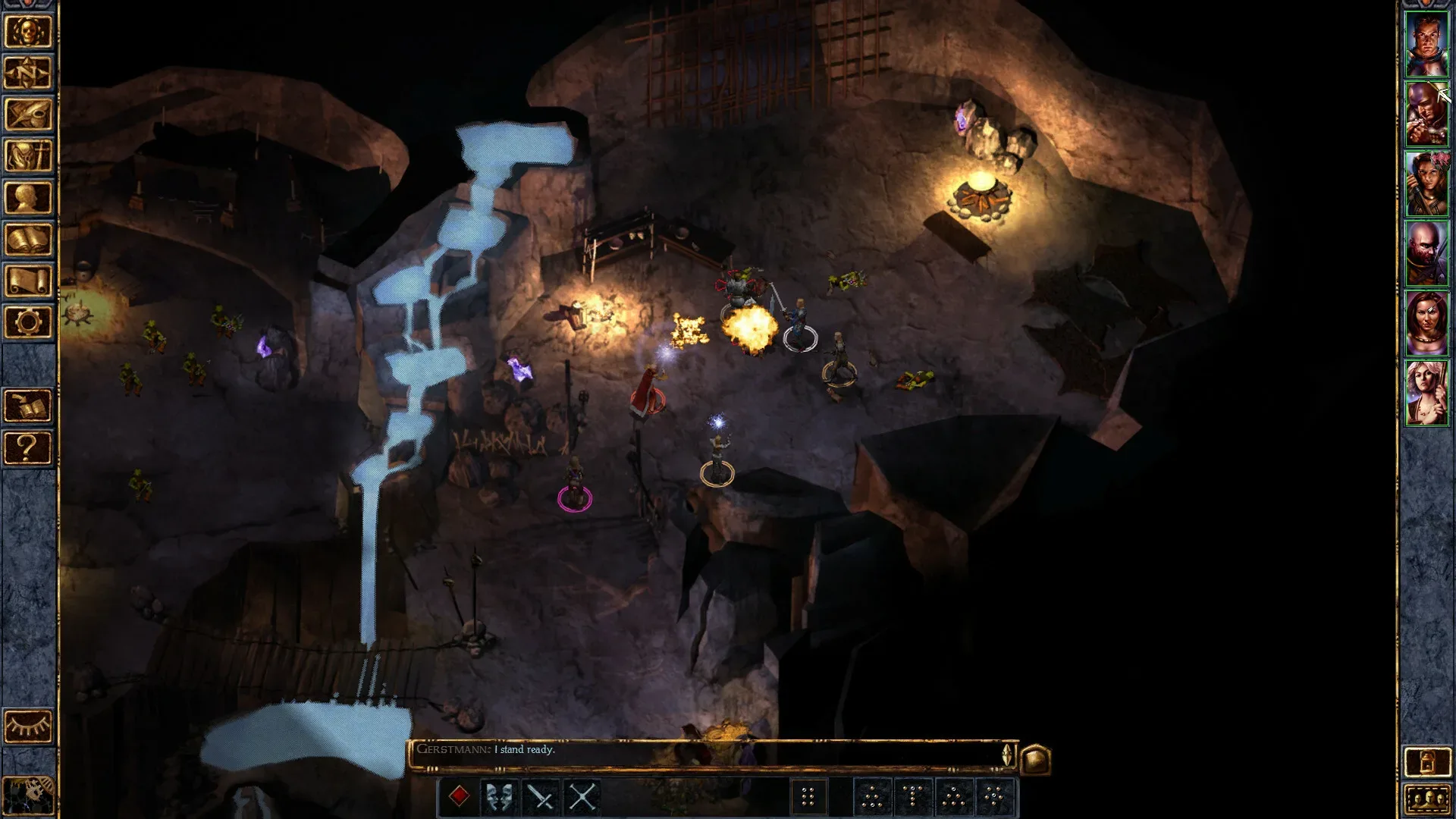
Obsidian’s later work provides a small piece of relevant context as well. A couple of years after The Sith Lords, the studio released Neverwinter Nights 2, another RPG sequel to a BioWare-developed game. The pattern does not prove that every sequel handoff will succeed, but it underscores why Obsidian became associated with the daunting task of following up on BioWare RPGs.
The 18-month figure will likely stand as the headline from Winski’s interview, because it makes a familiar production tale far more concrete. Yet the lasting point is bigger than one deadline. Knights of the Old Republic II remains a useful example of how games can carry both limitation and ambition at once: a release acknowledged as unfinished, a schedule its original developer declined, and a sequel that still means a great deal to its audience.