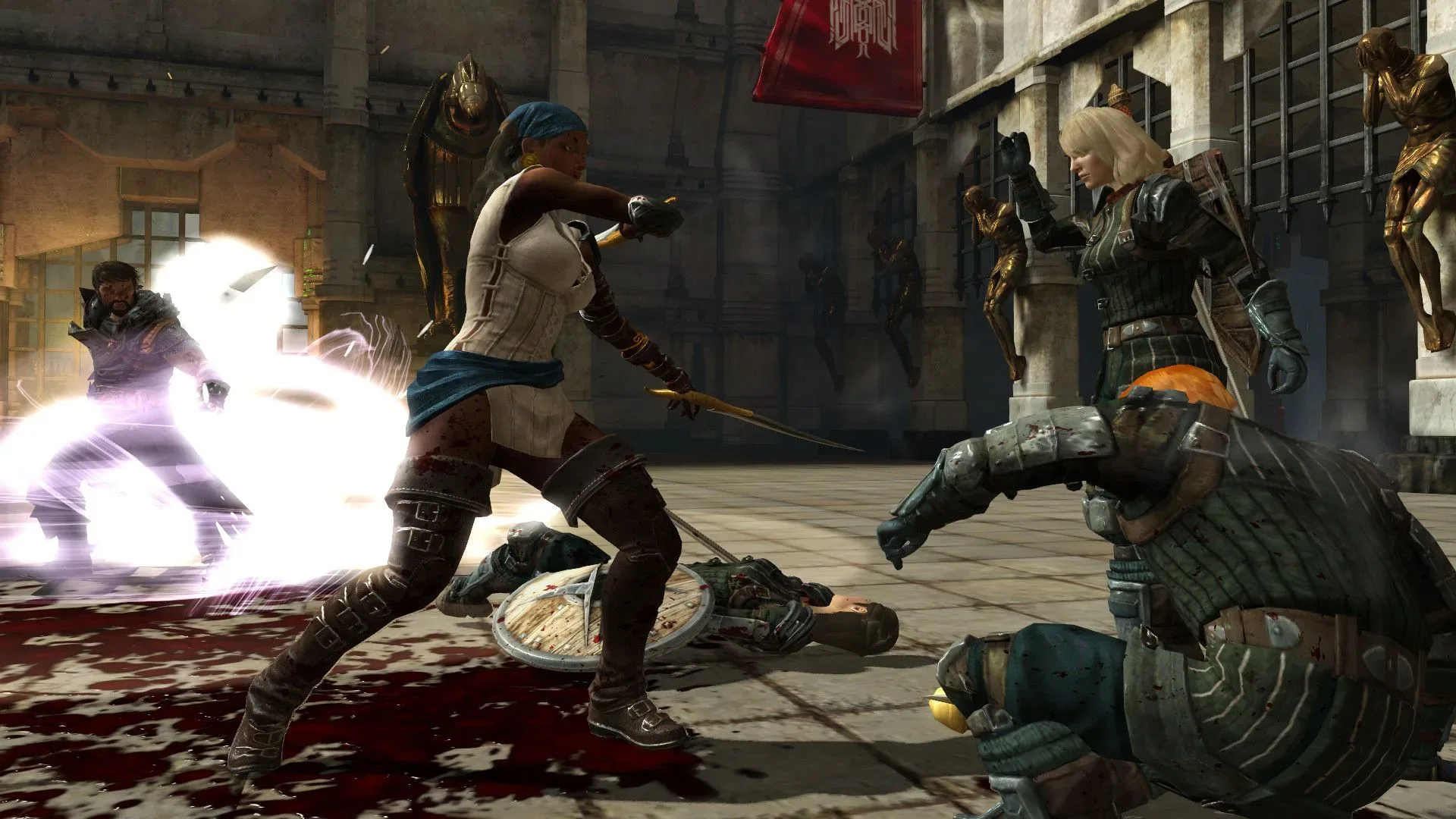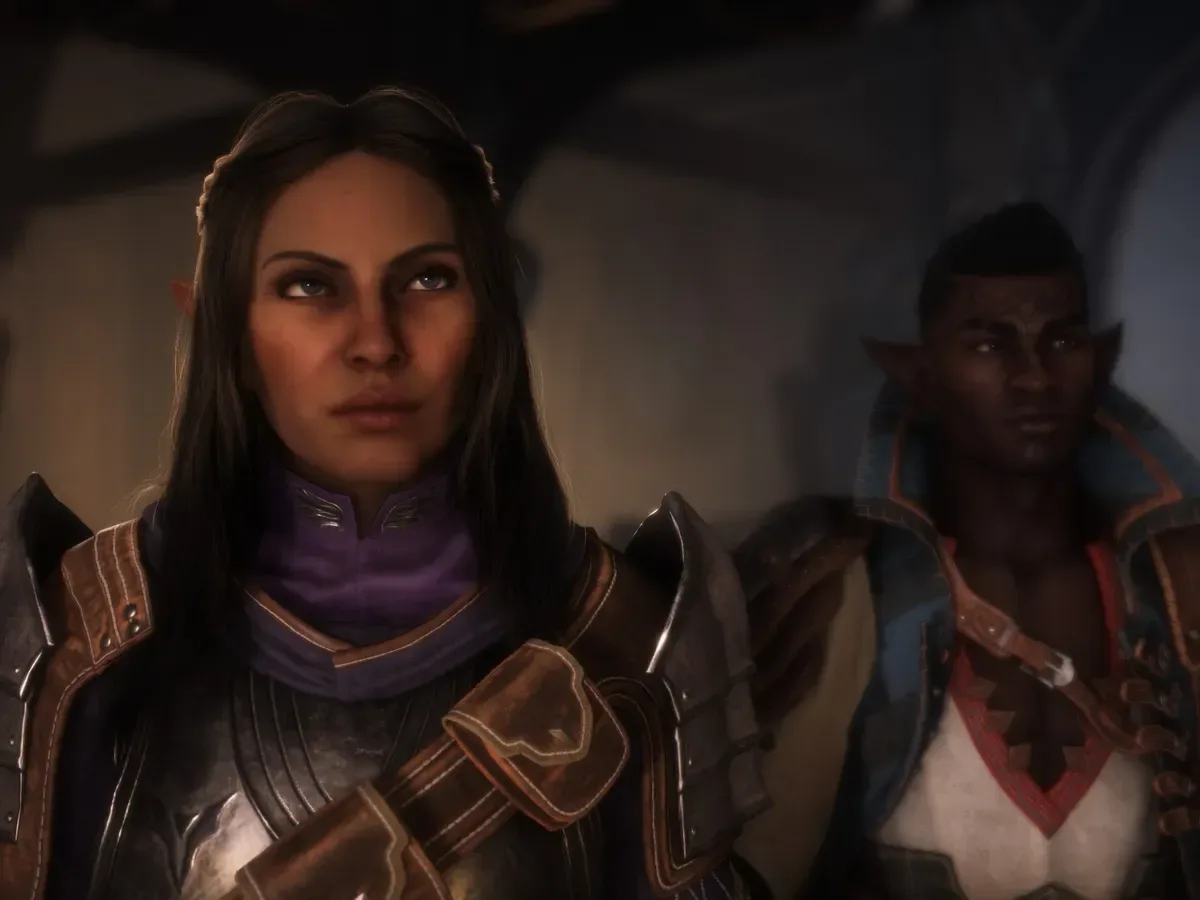
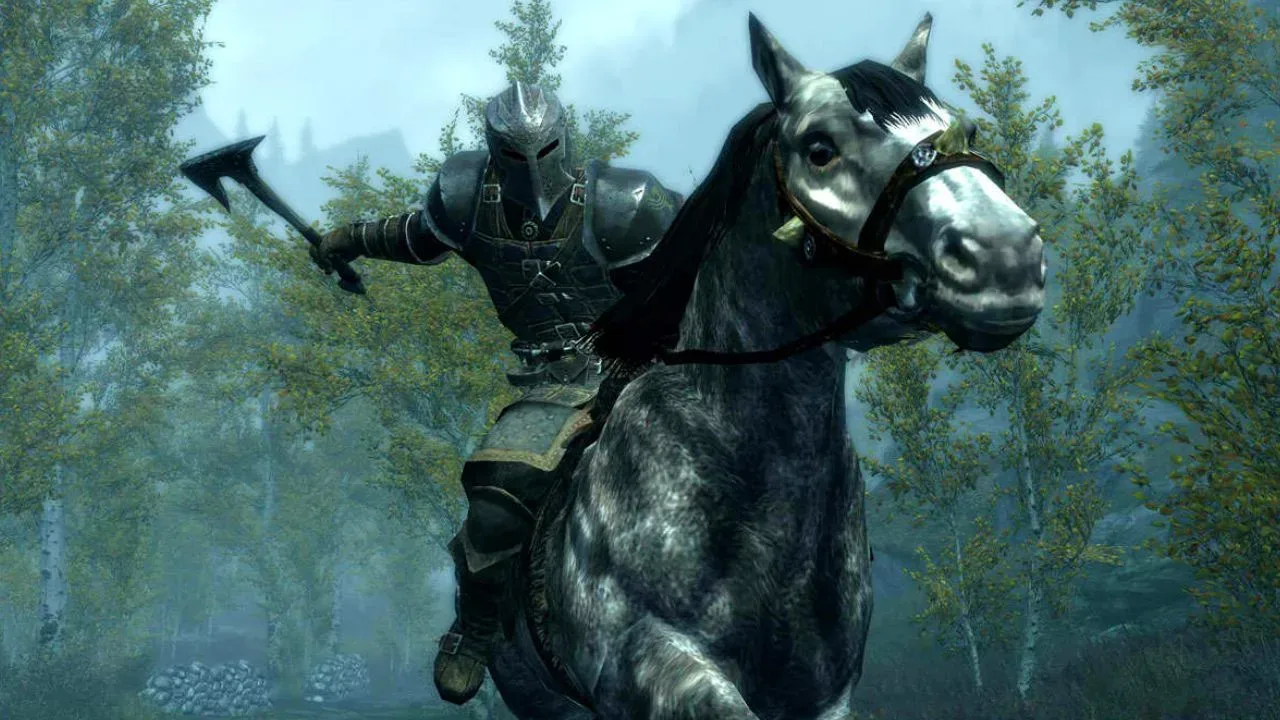
Former Dragon Age lead Mark Darrah believes Dragon Age: Origins had considerably more runway as a modern re-release than it received. Speaking about EA’s apparent lack of interest in revisiting older games, the longtime BioWare veteran said the 2009 role-playing game could plausibly have been remastered twice, with each release selling a couple of million copies.
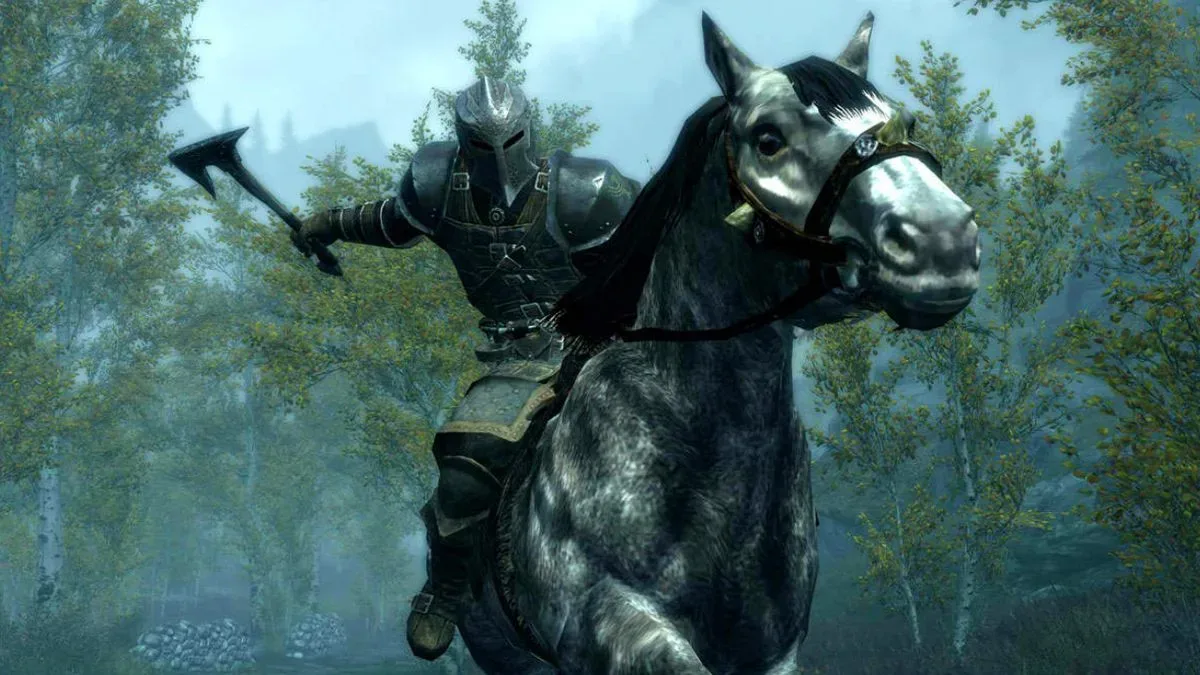
It is a striking counterfactual, but Darrah did not present it as a claim that every older RPG can be endlessly repackaged. Instead, he separated the potential for a carefully timed Origins remaster from the exceptionally durable model established by The Elder Scrolls V: Skyrim, a game that has reached a long list of platforms through ports, re-releases and remastered editions.
“I don't know that anyone other than Bethesda could get away with porting Skyrim to every single platform and selling a million copies every single time they do that,” Darrah said. “But yes! We could have remastered Origins probably twice and sold a couple million copies each time.”
What Darrah is, and is not, arguing
The important distinction is between a port, a remaster and a remake. Those labels are often used loosely, yet they describe very different levels of work and risk.
- A port brings substantially the same game to another piece of hardware or operating environment.
- A remaster updates an existing release, potentially improving how it looks, performs or operates on newer systems while preserving the original game’s basic structure.
- A remake is a more extensive reconstruction that can involve rebuilding systems, assets or major parts of the experience.
Darrah’s point concerned a remaster, not a promise that Dragon Age: Origins could have become an annual or near-annual product. His comparison with Skyrim acknowledges that Bethesda’s game occupies an unusual position: repeat releases across platforms have become part of its commercial identity. The argument is that Origins may not have needed that degree of repetition to justify a return.
That is also why the suggested sales numbers should be read correctly. They are Darrah’s estimate of missed opportunity, not reported sales projections, a confirmed internal plan, or evidence that a remaster was ever in active production. There is no announcement here of a new version of Dragon Age: Origins.
EA’s sports catalog, in Darrah’s view
Darrah attributed part of EA’s broader reluctance to modernize old releases to the makeup of the publisher’s catalog. He noted that major sports series such as EA Sports FC, NHL and Madden continue through recurring new installments. In that business, the historical product is less naturally separated from the current one: there is already a newer football or hockey game on the market rather than a long-dormant series awaiting reintroduction.
That reasoning makes sense for the particular examples he named. A celebratory remaster of an old annual sports installment raises an obvious question: why return to a past version when an ongoing successor already exists? Players may value a specific roster, rule set or period presentation, but the core franchise has not vanished between generations in the way a single-player RPG series can go quiet.
Related coverage includes Dragon Age: Origins Could Have Been Remastered Twice, Mark Darrah Says.
However, Darrah also made clear that the sports explanation does not fully account for franchises such as Mass Effect and Dragon Age. When asked why those series did not receive more remaster attention, his blunt assessment was that the decision-makers “don’t get it.” That is his opinion on corporate priorities, rather than a documented explanation from EA.
Why Origins is a different case from an annual game
A story-driven RPG can have a long afterlife because its appeal is not tied solely to contemporary competition or a yearly roster refresh. Players return to role-playing games for choices, characters, world-building and the chance to approach a campaign differently. That does not eliminate the cost and complexity of updating an older title, but it helps explain why Darrah sees a distinct audience for a return to Ferelden.
For fans, the practical takeaway is less about counting hypothetical sales and more about preservation and access. When a game remains tied to older hardware expectations or aging technical standards, a remaster can lower the barrier for people who missed it originally and make revisiting it less daunting for existing fans. A good remaster is not merely shinier artwork; it can be a way of keeping a foundational entry in a series readily available to a new audience.
That matters especially for an entry commonly discussed as a key point of reference in the wider Dragon Age conversation. A modernized release could serve both as an accessible starting point and as a clear, standalone product for returning players. Darrah’s comments suggest he believes there was enough demand for that proposition more than once, even without trying to replicate Bethesda’s platform-by-platform approach.
Skyrim remains the outlier, not the template
It is tempting to treat every popular re-release as proof that any beloved older game should be issued repeatedly. Darrah’s framing argues against that simple conclusion. Skyrim is notable precisely because its repeated availability has become unusually successful. Its example shows that a game can sustain extraordinary longevity, but it does not establish that all RPGs can be reissued with the same cadence or receive the same response.
For publishers, the more grounded question is whether a particular title has a clear modern audience, a feasible technical path and an update substantial enough to feel worthwhile. A remaster also has to be judged against competing uses of a team’s time and money. Darrah’s comments do not reveal the technical condition of Dragon Age: Origins, what work a remaster would require, or why no such project moved forward. They instead make the commercial case he believes was overlooked.
His estimate also highlights the difference between a game’s cultural demand and a publisher’s release strategy. Fans can keep asking for an older title to return, but that does not mean the project has been approved, staffed or even evaluated in public. Conversely, the absence of a re-release does not by itself prove there is no audience. Darrah’s view is that Origins had one.
What this means for Dragon Age fans
At present, these remarks are a retrospective from a former studio leader, not a roadmap. Players should not treat them as evidence that a Dragon Age: Origins remaster is coming, nor as confirmation that one was cancelled at a particular stage. The available information supports a narrower conclusion: Darrah thinks the title could have supported two commercially successful remasters and that EA’s approach to its legacy catalog failed to capitalize on that possibility.
The comments nevertheless put a useful spotlight on a recurring industry tension. Publishers often hold decades of recognizable games, while the practical and financial incentives to revisit them vary wildly by genre, franchise and platform. Sports series may naturally emphasize the current entry. A celebrated RPG with no annual successor may make a stronger case for reintroduction. And an unusually evergreen game such as Skyrim may be capable of a repeat-release strategy that remains difficult to imitate.
For another look at how developers’ ideas continue to shape discussions around player agency and modern RPG design, read our examination of Warren Spector’s view of Deus Ex, Zelda and player freedom.
Darrah’s central thought is ultimately straightforward: Dragon Age: Origins did not need to become the next Skyrim to justify a return. In his estimation, it merely needed the opportunity to be brought forward for modern audiences—an opportunity he believes could have paid off twice.