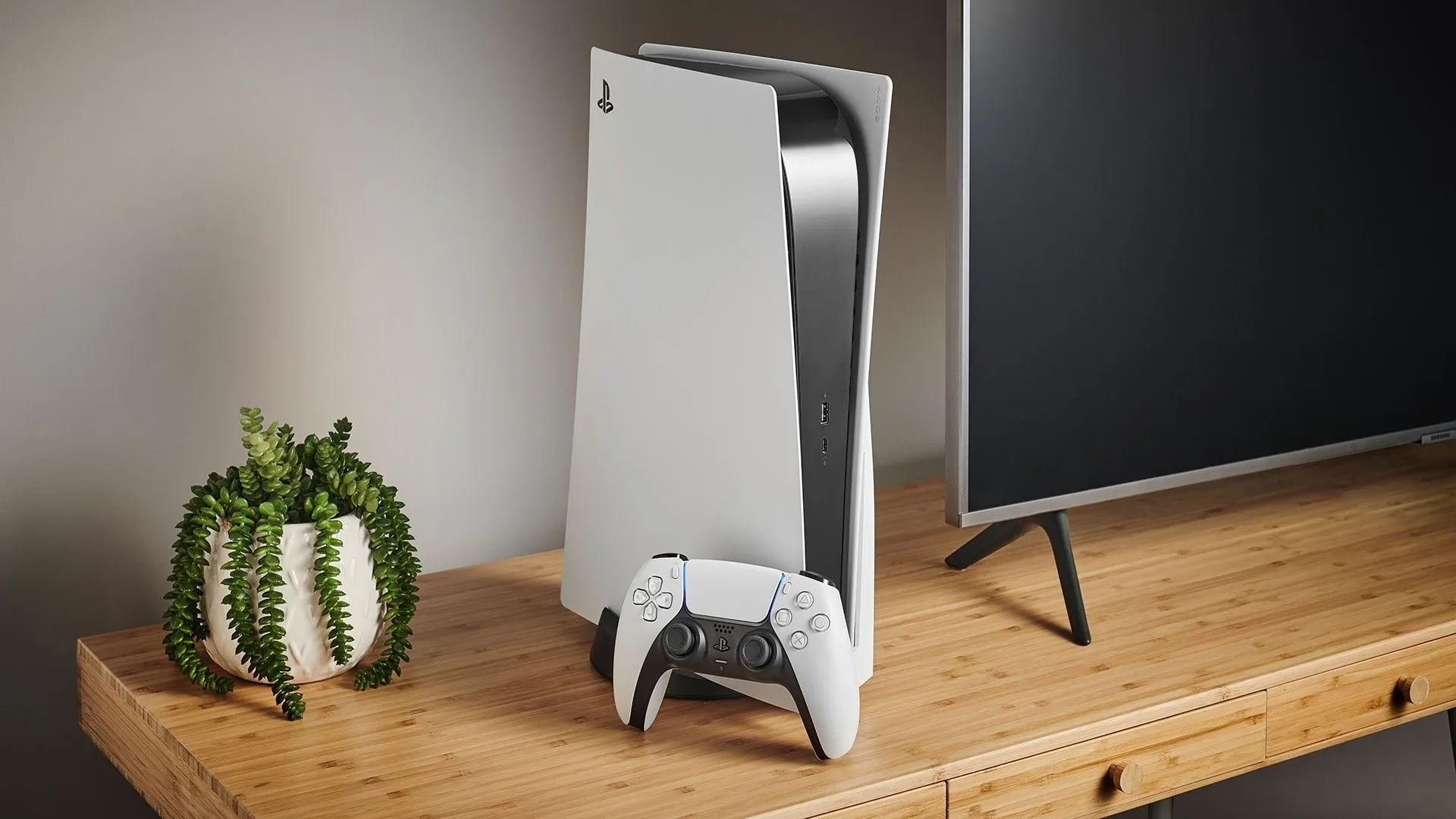
Ken Kutaragi, the longtime PlayStation leader often called the father of PlayStation, has offered a striking account of an early encounter with Microsoft: he says his refusal to accept a proposed hard-drive arrangement was, in part, intended to push the PC giant into making a console of its own.
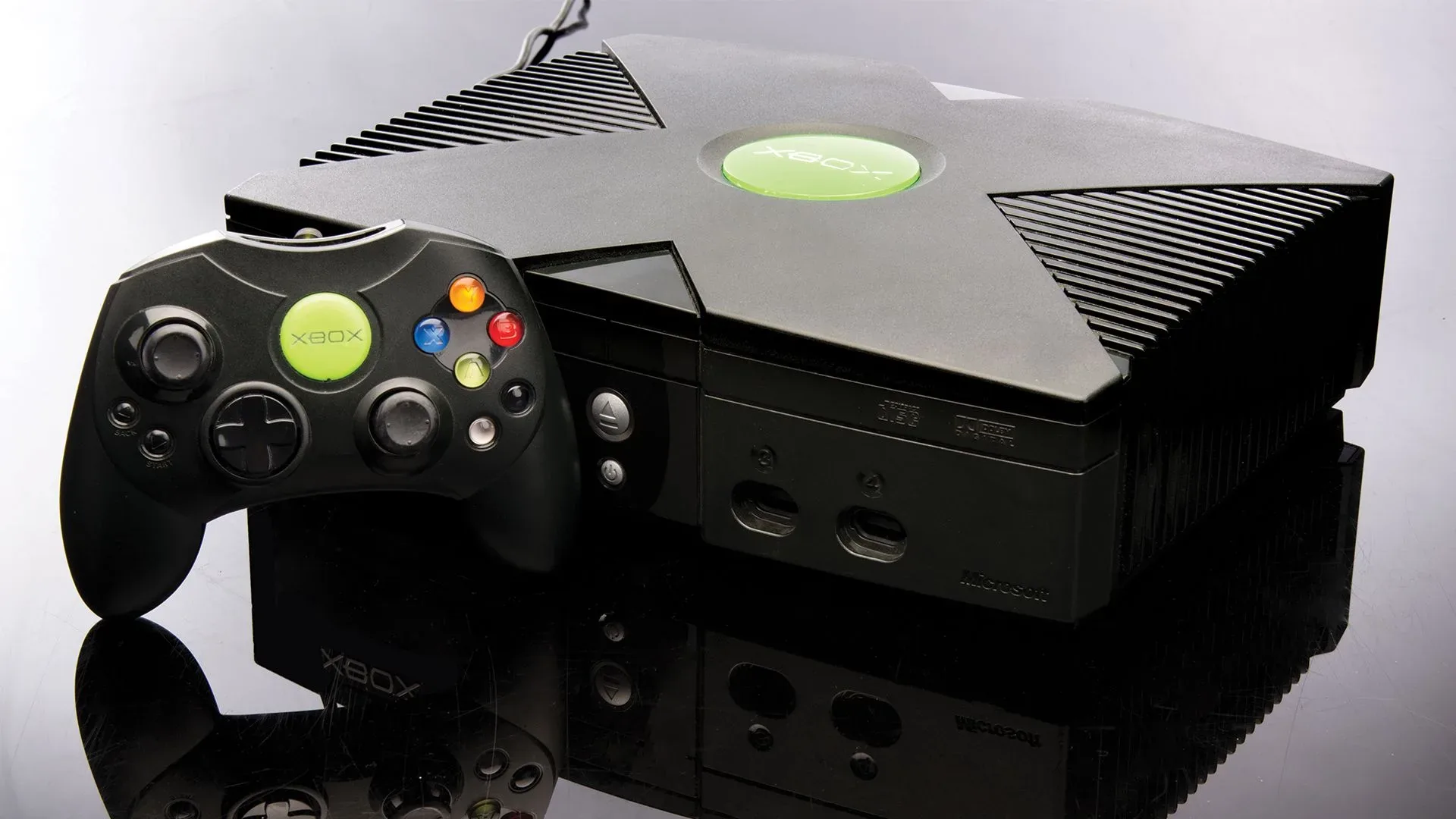
The result, in Kutaragi’s telling, was not merely a tense business meeting but a deliberately encouraged rival. Microsoft launched the original Xbox in 2001, entering the home-console market as a competitor to Sony’s PlayStation 2. Kutaragi now says that outcome was part of his “secret intention.”
It is an entertainingly audacious retelling of a foundational industry rivalry, but it needs to be read with care. Kutaragi did not identify the Microsoft executive he met, did not give a date for the meeting, and did not specify whether the hardware he showed was connected to the first PlayStation or PlayStation 2. The available account therefore supports his recollection of his own motivation, not a definitive behind-the-scenes history of why Xbox was created.
The meeting Kutaragi describes
Kutaragi said he met one-on-one with Microsoft’s leader, though he did not name the person. He described the executive as arrogant and recalled showing Microsoft what Sony was developing. Microsoft then allegedly proposed sending hard disk drives to Sony in exchange for licensing rights.
His response, he says, was a simple refusal: “No thanks.” Kutaragi’s explanation goes further than a conventional disagreement over technology or terms. He says he believed that turning down the arrangement would spur Microsoft to move beyond PC and create another platform, even if doing so required massive investment.
“If I say ‘no,’ they will get started on bringing in another platform after PC. That was my secret intention,” Kutaragi said.
That distinction matters. Kutaragi is not claiming that one rejected hard-drive proposal mechanically caused Microsoft to manufacture an Xbox. He is presenting a strategic belief: that Microsoft had the resources, ambition and incentive to become a console competitor if Sony did not accommodate it. Microsoft ultimately did make that move, but the precise relationship between this conversation and the company’s console plans remains unclear from the details available.
Why the hard-drive detail stands out
A hard disk drive, or HDD, is persistent storage: unlike removable media, it can retain game data and system information on the machine itself. In the context of console hardware, built-in storage can be a meaningful design choice because it can support saved data and other system-level functions without depending entirely on separate memory devices or removable discs.
Related coverage includes Ken Kutaragi Says Rejecting Microsoft Help Was Meant to Spur a Rival Console.
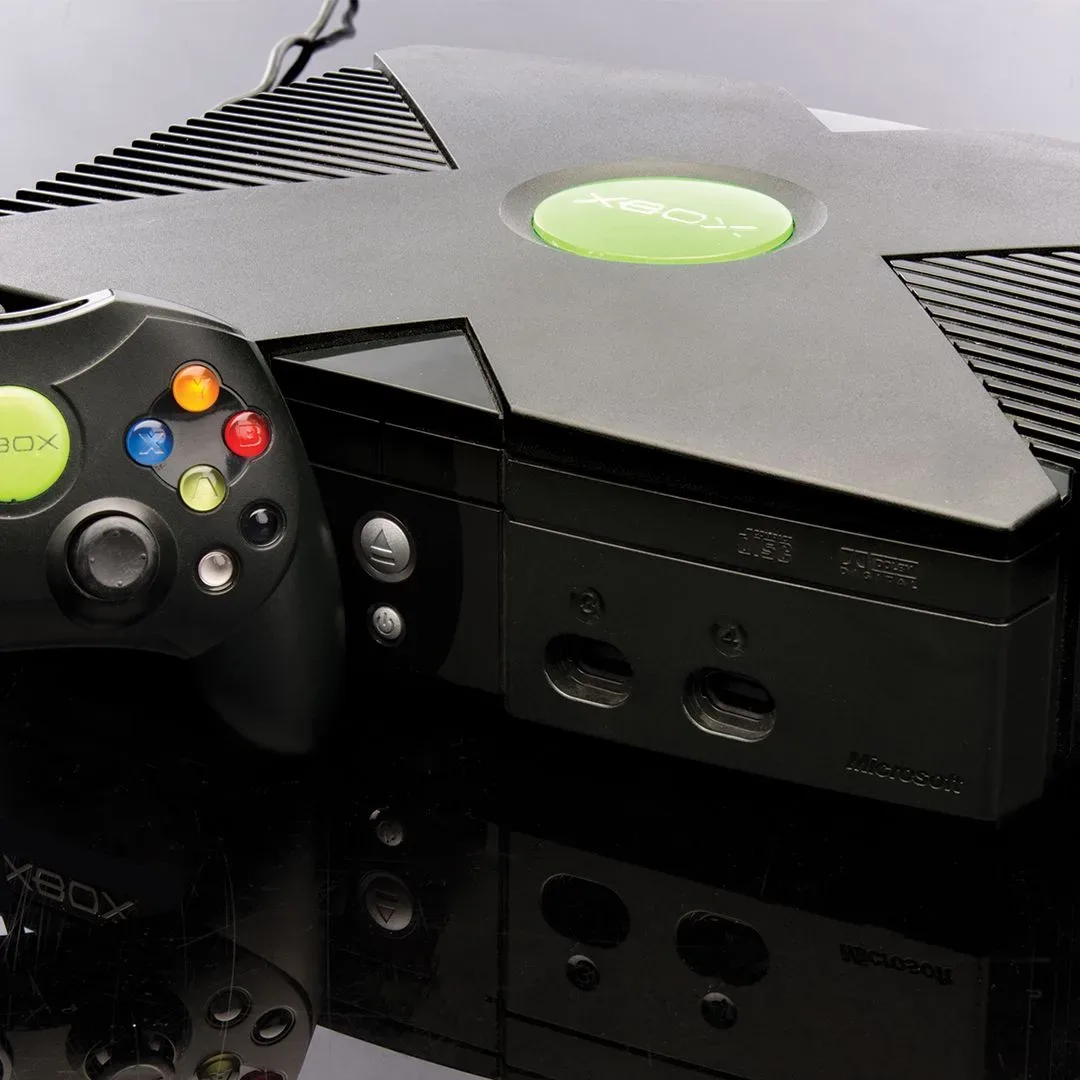
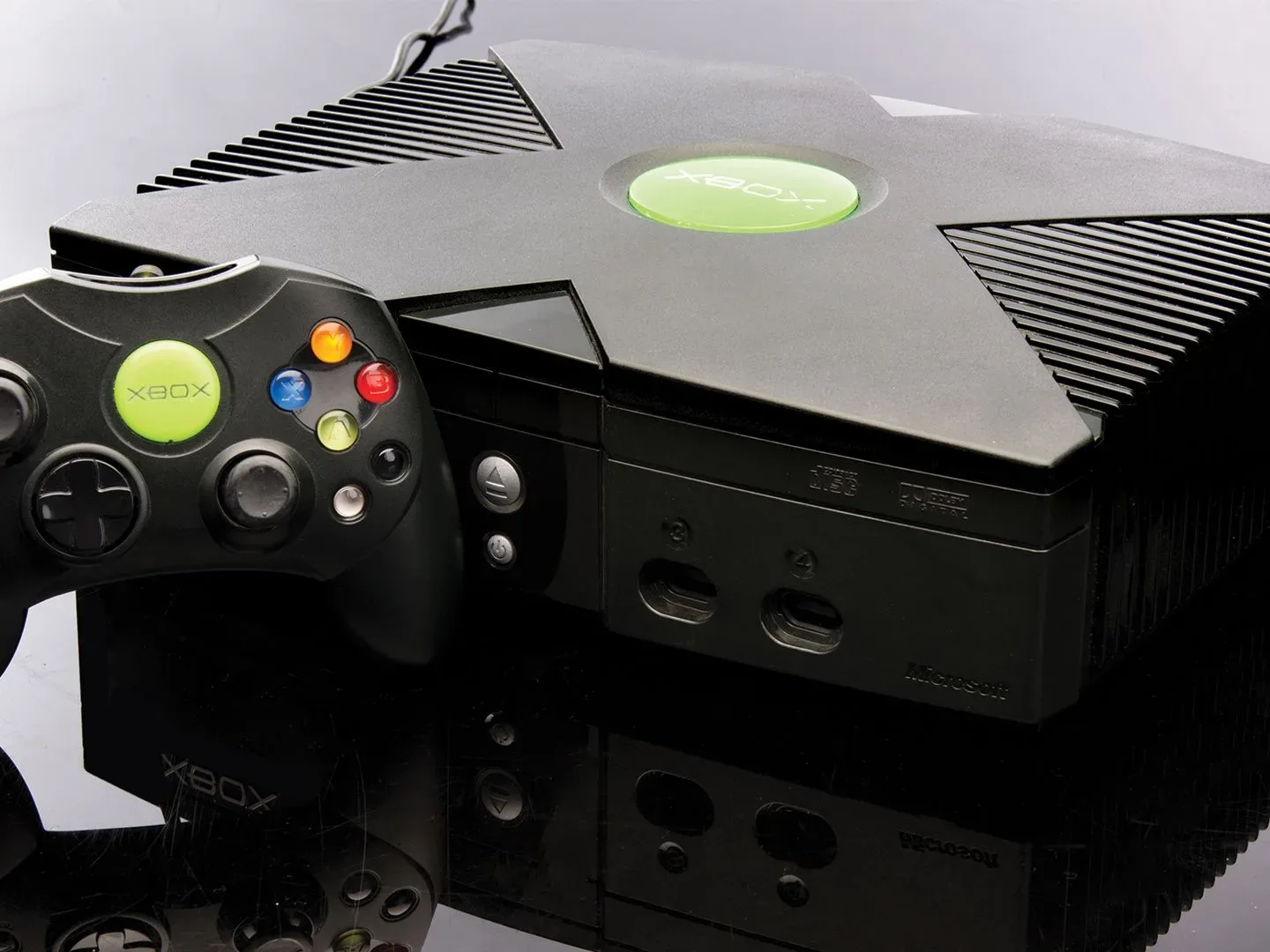
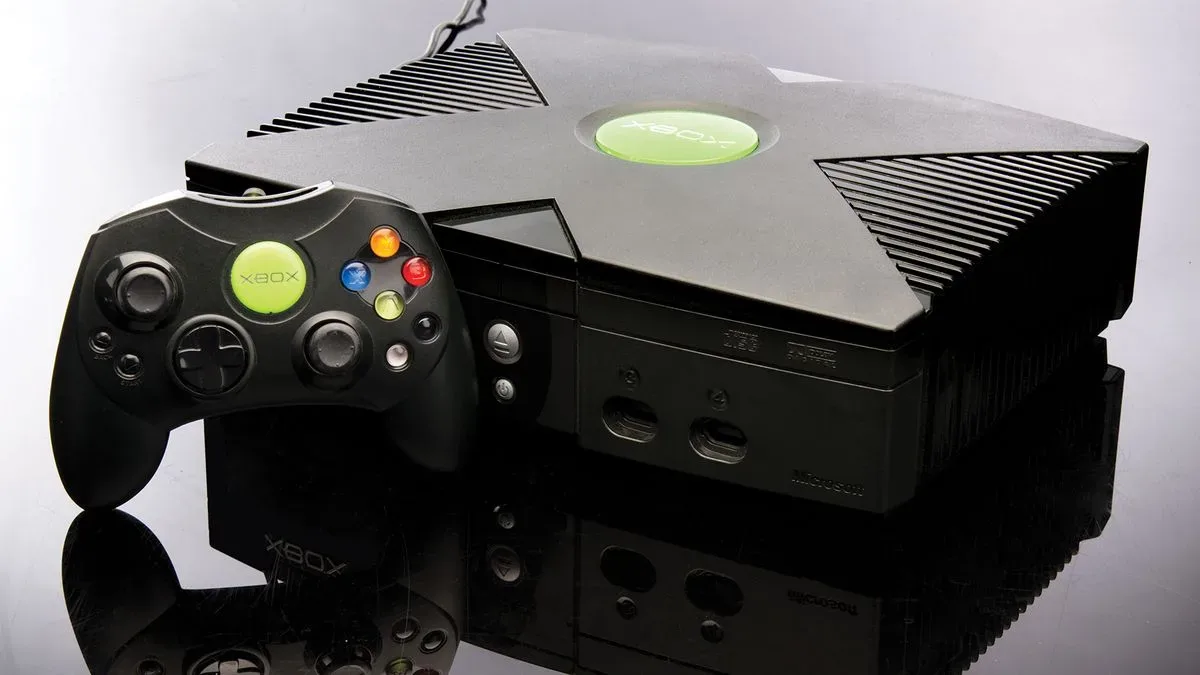
The original Xbox made a built-in hard drive one of its notable hardware differentiators. Kutaragi’s story is consequently intriguing because the proposal he recalls involved Microsoft supplying hard drives to Sony. If the discussion took place around PlayStation 2 planning, it raises an obvious hypothetical: might PS2 hardware have taken a different route had the companies reached a deal?
That hypothetical cannot be answered from Kutaragi’s account. The timeline is not established, and neither the exact proposed licensing rights nor the full technical terms are described. It would be a mistake to treat the story as proof that PlayStation 2 nearly shipped with a built-in drive, or that Xbox’s hardware direction came directly from a rejected Sony agreement. What the account does establish is that storage and licensing were apparently central enough to the conversation that Kutaragi still frames the exchange around them.
A rivalry that grew from different positions
By 2001, Sony and Microsoft were not entering the contest from equal positions in the console business. Sony had already established PlayStation as a major game platform, while Microsoft was introducing its first home console. The Xbox launched as a direct rival to PlayStation 2, whose sales ultimately exceeded Xbox sales by several orders of magnitude.
That commercial imbalance does not make the competition unimportant. A rival does not need to win a generation outright to change the conditions around it. Microsoft’s willingness to spend heavily on a console meant Sony was no longer defining the high-end home-console space alone. Players, developers and publishers had another major platform holder to consider, while hardware design, platform features and the value of an exclusive library all became sharper points of competition.
Kutaragi characterized that broader effect as intentional. “We, together, opened up this field,” he said of PlayStation and Xbox. It is a characteristically expansive description, yet it fits the basic significance of the moment: Microsoft’s 2001 arrival created a durable PlayStation-versus-Xbox frame for the game industry that continued for years afterward.
For readers looking at the period as gaming history rather than corporate mythology, the more useful takeaway is not that one executive personally “made” the other company’s console. It is that competing platforms can be strategically valuable even to the market leader. Kutaragi’s account suggests he saw a credible Microsoft challenger as something Sony could withstand—and perhaps something the overall field needed.
What is known, and what remains uncertain
Several points are clear within Kutaragi’s recollection. He says he showed Sony’s work to a Microsoft executive; Microsoft offered free hard drives in exchange for some licensing rights; he refused; and he believed refusal would encourage Microsoft to create a post-PC platform. Microsoft later launched Xbox in 2001, with a built-in hard drive serving as one distinguishing feature.
The uncertain points are equally important:
- The identity of the Microsoft executive is not specified.
- The date of the meeting is not specified.
- It is not confirmed whether Kutaragi was showing work associated with the original PlayStation or PlayStation 2.
- The licensing rights under discussion are not detailed.
- The account does not establish the degree to which the meeting influenced Microsoft’s decision-making.
Those gaps do not invalidate Kutaragi’s memory of his intentions. They do mean that the story should be understood as a firsthand retrospective claim, rather than a complete documentary explanation of Xbox’s origins. The colorful language about “tricking” Microsoft is best read in that light: it summarizes Kutaragi’s strategic interpretation of the encounter, not a proven single-cause origin story.
Why this anecdote still matters
Console stories are often flattened into sales totals, specifications and brand slogans. Kutaragi’s version of events points instead to the business calculations beneath the machines. Licensing rights concern control over technology and the terms on which another company can participate. Storage hardware is not merely a component; it can influence how a platform handles data and how it distinguishes itself. And a refusal can be a negotiating position, a defensive decision or—if Kutaragi is correct about his own thinking—an invitation for a powerful potential rival to commit to the market.
There is also a useful lesson in separating outcome from intent. The PlayStation 2 dramatically outsold Xbox, so Sony had no immediate reason to fear it on sales alone. Yet Xbox’s presence helped define an era in which Sony and Microsoft were constantly measured against one another. That competition became part of how audiences discussed platform identity, hardware priorities and the future of console gaming.
The story arrives amid continuing debate about how console platforms may evolve, a topic that remains central when people are trying to talk games beyond the biggest upcoming release. Kutaragi himself has also questioned whether a future may arrive in which dedicated consoles are no longer necessary, citing high prices and AI as reasons the current situation is not healthy. That is a separate prediction, not evidence that consoles are disappearing now, but it adds a notable contrast to this retrospective.
In the end, Kutaragi’s account makes the early Xbox era sound less like an accidental collision and more like a rivalry he welcomed into existence. The details may remain incomplete, but the central claim is clear: a PlayStation architect says he saw value in making Microsoft choose between staying a PC company and taking an expensive leap into the console arena. Microsoft took the leap, and the consequences shaped gaming for years.