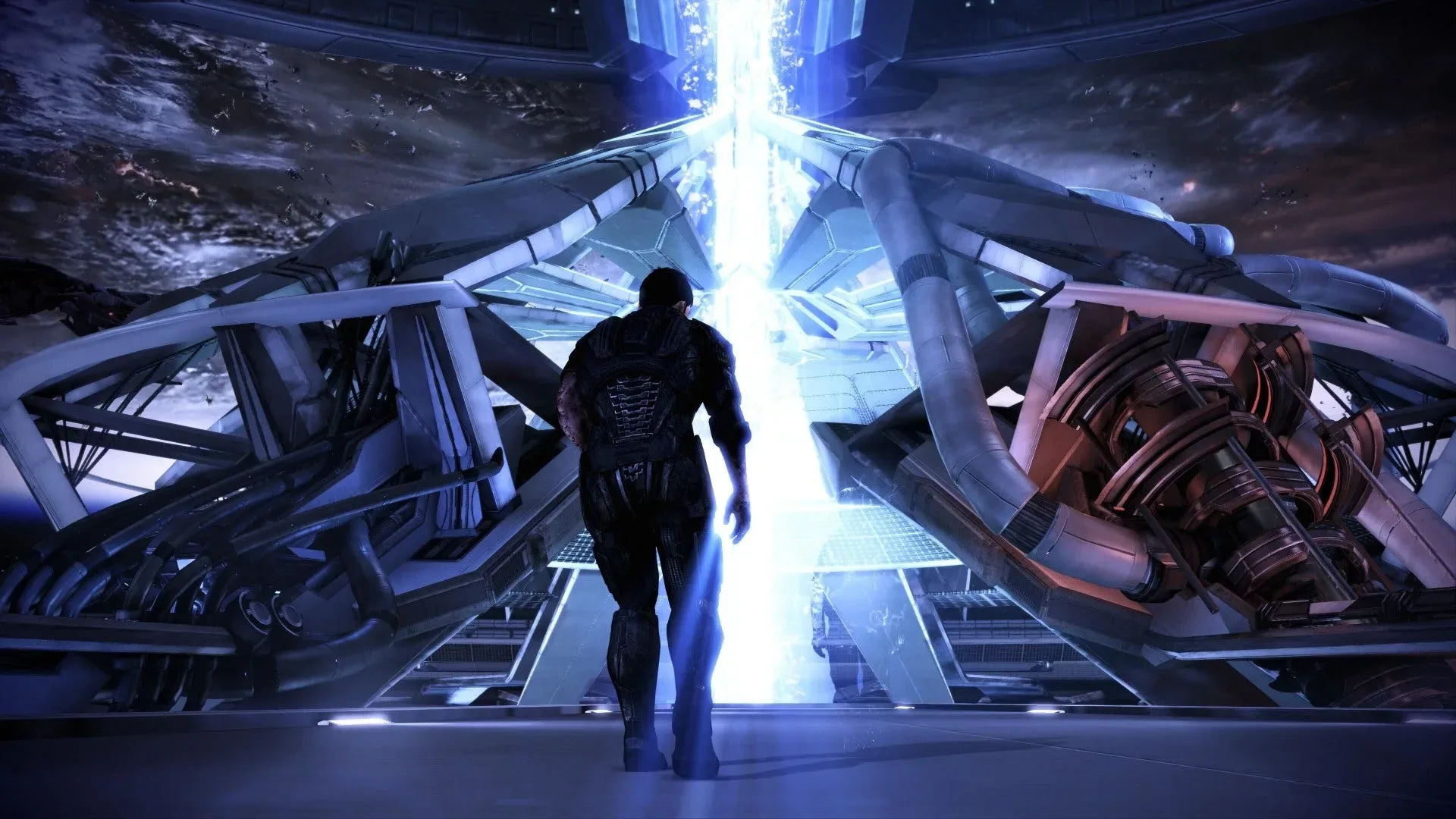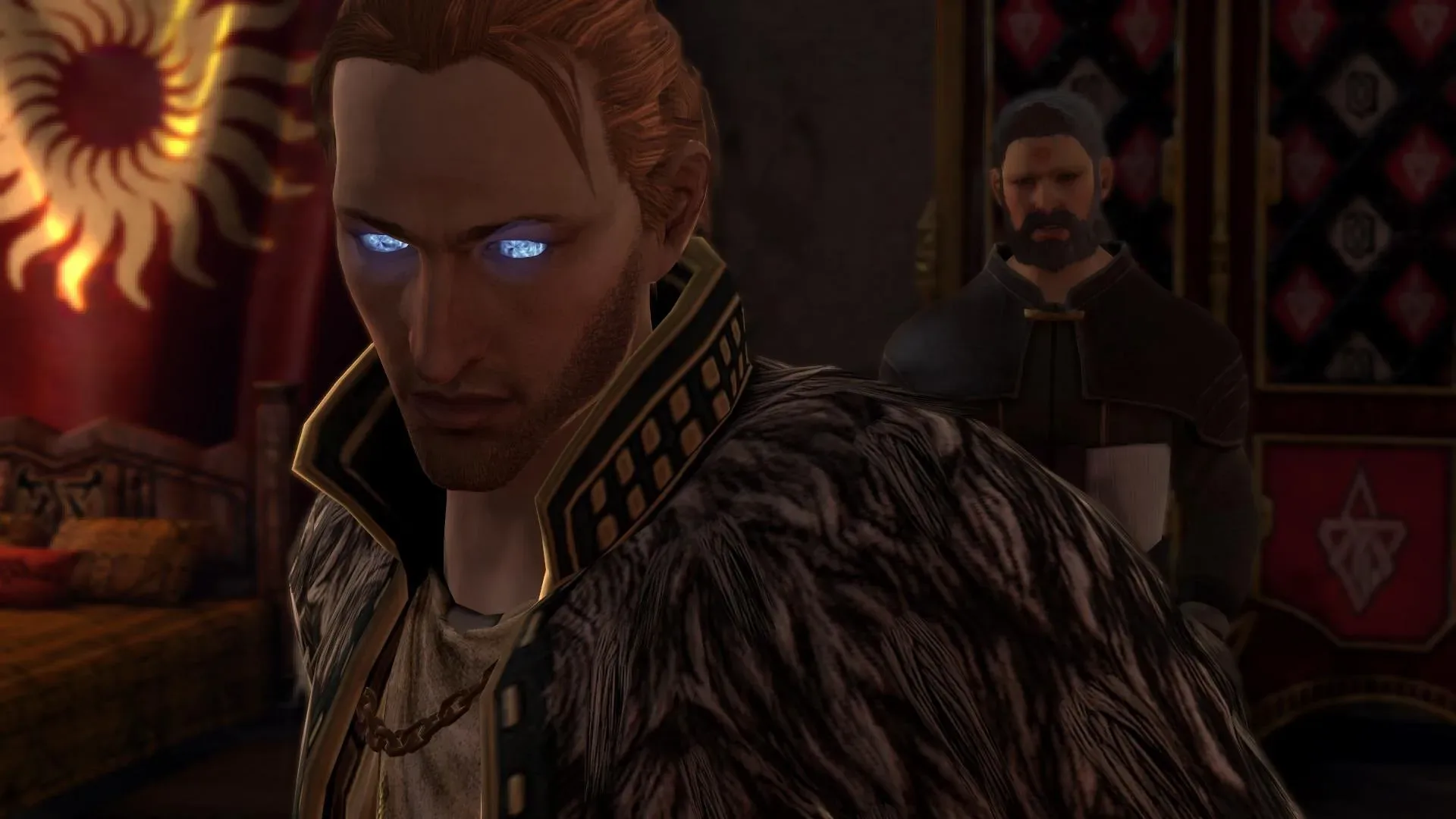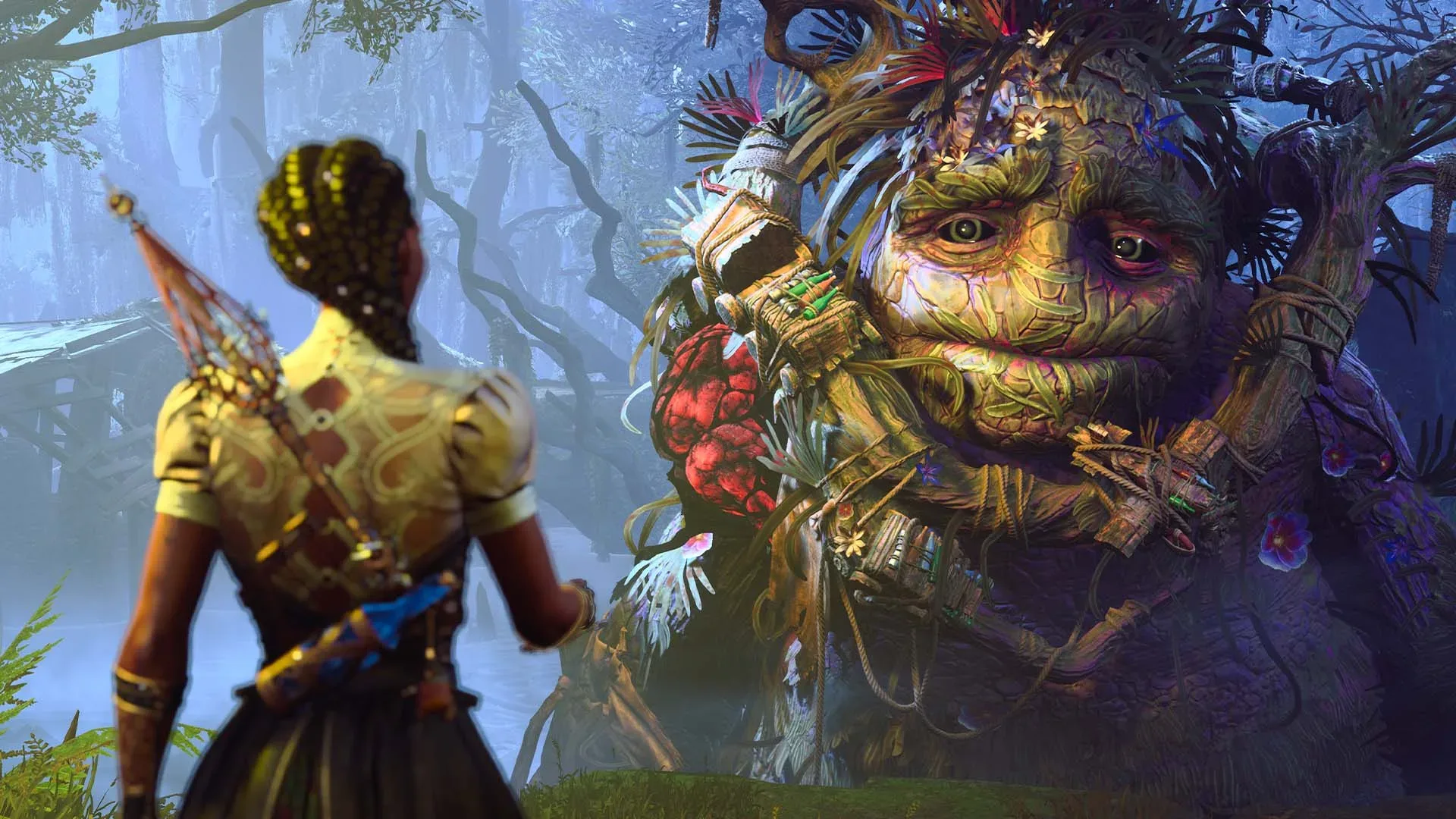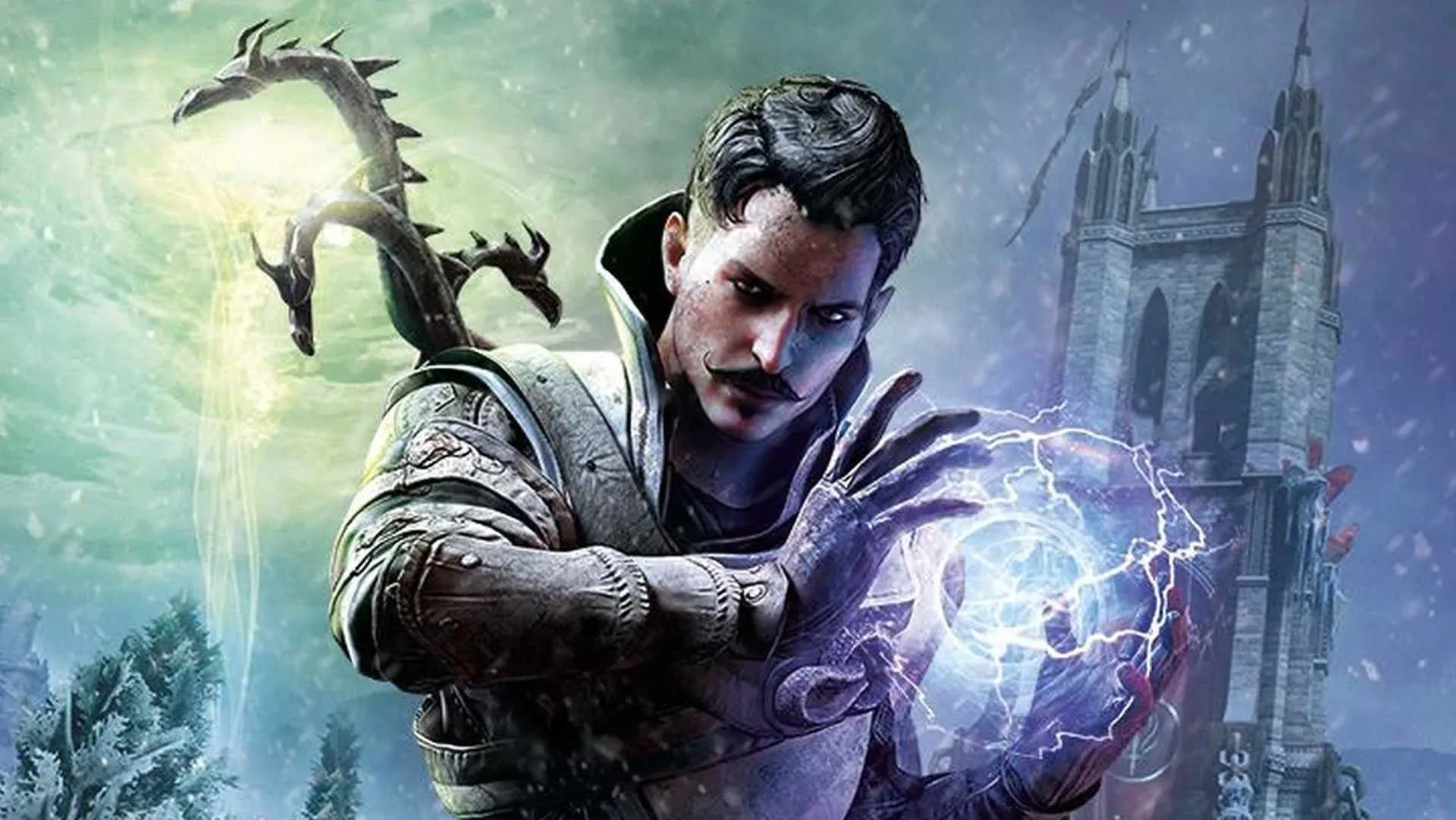
BioWare’s closure has prompted an outpouring that is far more personal than the usual argument over a developer’s best game, most divisive ending, or most misunderstood sequel. Players, writers, designers and community members are describing a body of work that helped them discover role-playing games, learn how to write, find friends, maintain family bonds, and safely explore identity.
That does not make every BioWare game universally beloved, nor does it erase the difficult corporate history and staffing upheaval many fans associate with the studio. It does, however, explain why the end of the company has been felt as something more profound than a change to a publisher’s portfolio. For many people, the name BioWare represents the moment an RPG stopped being a ruleset with a sword in it and became a place where a player’s decisions, companions, and sense of self could matter.
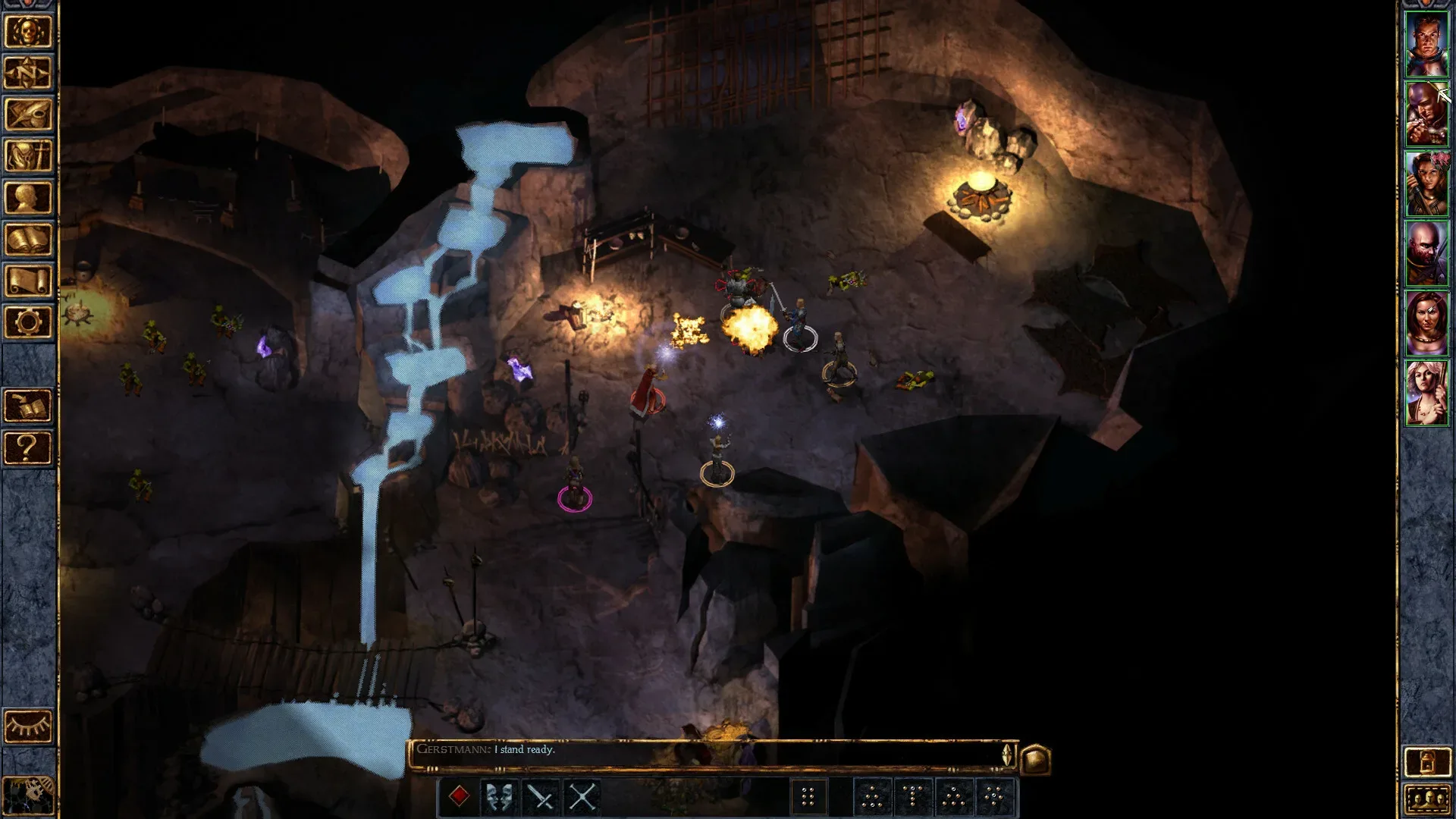
The legacy runs from the early Baldur’s Gate games through Knights of the Old Republic, Mass Effect, and Dragon Age. It also runs through the people who worked on those games, the players who kept replaying them, and the communities that formed around a shared vocabulary of Wardens, Shepards, Hawkes, Inquisitors, Reapers, Darkspawn, and impossible choices.
What BioWare’s RPG language changed
It is easy to flatten BioWare’s influence into “player choice,” but that phrase needs some unpacking. In an RPG, player agency is the sense that the player’s actions are meaningful within the fiction. BioWare’s games repeatedly pursued that feeling through character creation, dialogue decisions, recruitable party members, romances, quests that could be resolved in more than one way, and choices that sometimes carried into a later game.
None of those ideas belonged to one studio alone. What mattered was the particular combination: a personalized protagonist placed among companions written to invite investment. Players were not simply handed a mission board. They were asked to decide who their character was, whom they trusted, how they spoke under pressure, and which relationships they were willing to risk.
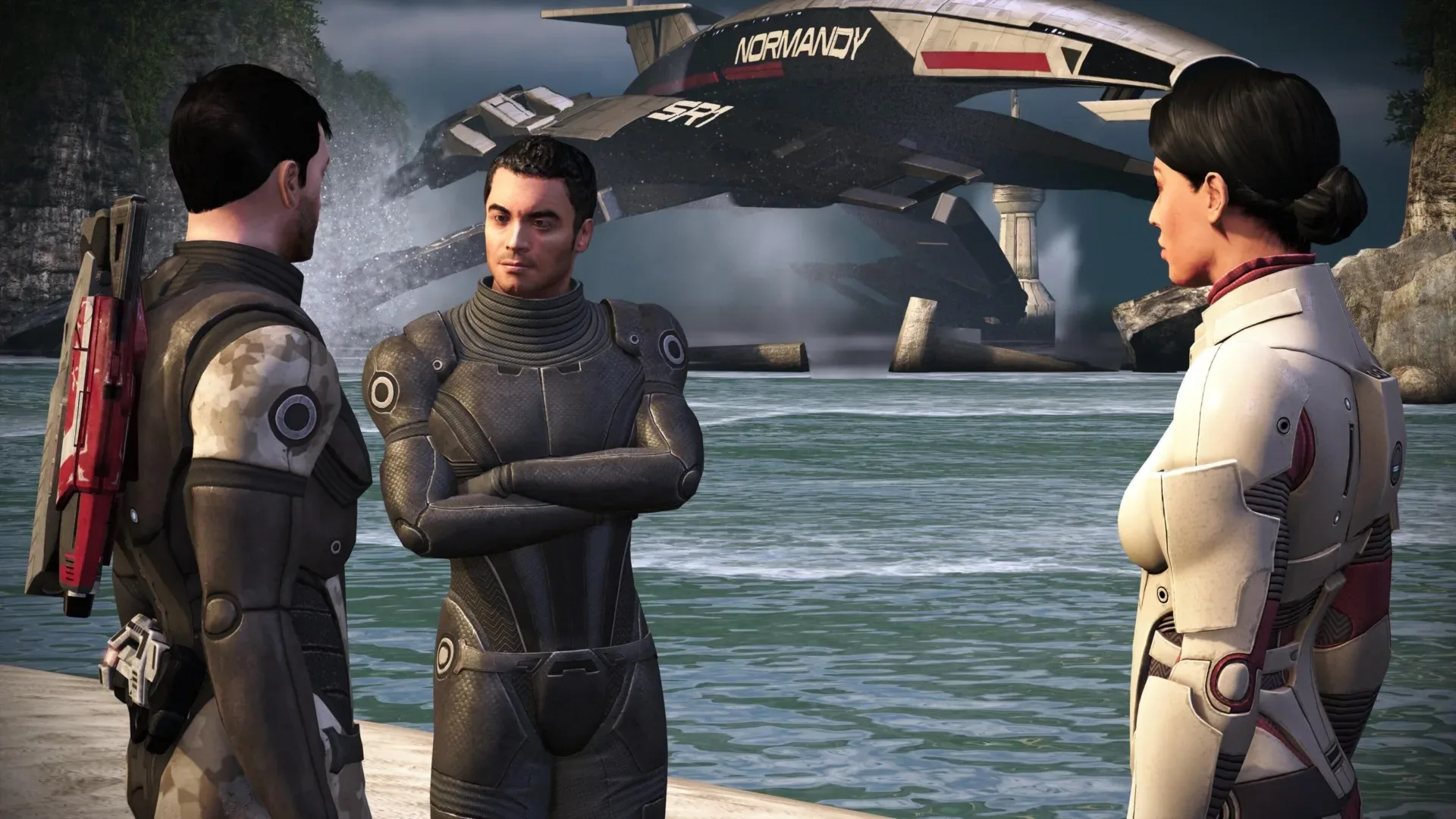
The dialogue wheel used in Mass Effect became one visible shorthand for that approach. Its lasting cultural footprint reflects an important design lesson: interface design can turn a role-playing decision into a dramatic beat. Selecting a line of dialogue is not automatically deep, but it can become meaningful when a game has established the stakes, the character history, and the potential consequences around it.
Likewise, loyalty quests were more than optional errands. They made space for companions to be people with unresolved pasts, needs, and priorities rather than walking loadout slots. The much-praised endgame of Mass Effect 2 is frequently remembered in these terms: decisions about preparation and team roles felt personal because the game had spent time earning attachment to its cast.
That emphasis also explains why different players name entirely different defining moments. For one person it is leaving Candlekeep in the first Baldur’s Gate, an early encounter that made a computer RPG feel as open as a tabletop campaign. For another, it is the major revelation in Knights of the Old Republic. Others point to the first Mass Effect conversation with Vigil, the final decision in Mass Effect 3, or a painful confrontation in Dragon Age II. The commonality is not a single canon moment. It is the feeling that a story trusted the player to sit with its implications.
Related coverage includes BioWare's Legacy Lives On in the Players, Creators, and Communities It Changed.
Role-playing as character authorship
BioWare’s games also helped popularize a useful distinction in role-playing: playing as yourself is not the only way to role-play. Many players initially make a protagonist who resembles them and answer questions as they would. Over time, some begin to build a character with an independent voice, history, and moral code. Instead of asking, “What would I choose?” they ask, “What would this Warden or Shepard choose?”
That shift is a form of character authorship. The game supplies a world, an outline, and a set of possible actions; the player supplies interpretation and consistency. A renegade space commander, an idealistic Jedi, or a sarcastic Hawke can become distinct people in the player’s imagination even when they use the same broad plot structure as someone else’s hero.
It is why replayability mattered so much to BioWare’s audience. Replaying was not necessarily about seeing every branch like a checklist. It was an opportunity to inhabit another version of a character, recruit a companion previously missed, take a different moral route, or learn that a confrontation could have ended with an ally rather than a fight. One player’s recollection of saving Juhani on a second Knights of the Old Republic run captures the point: the discovery was not only that another outcome existed, but that a person they had once killed could become a valued companion.
Games can never offer unlimited narrative freedom. They are authored works with boundaries, technical constraints, and set outcomes. But BioWare was effective at making its boundaries feel dramatically productive. Dragon Age II, in particular, is remembered by some fans because it complicates the fantasy that correct choices can prevent catastrophe. Hawke cannot simply solve every structural crisis in Kirkwall. The role-playing question changes from “Can I save everything?” to “Who am I while events become unmanageable?”
That is a more mature use of agency than a simple success-or-failure meter. Agency can mean choosing one’s principles and relationships even when the player cannot control history itself.
Why representation became central to the memory of these games
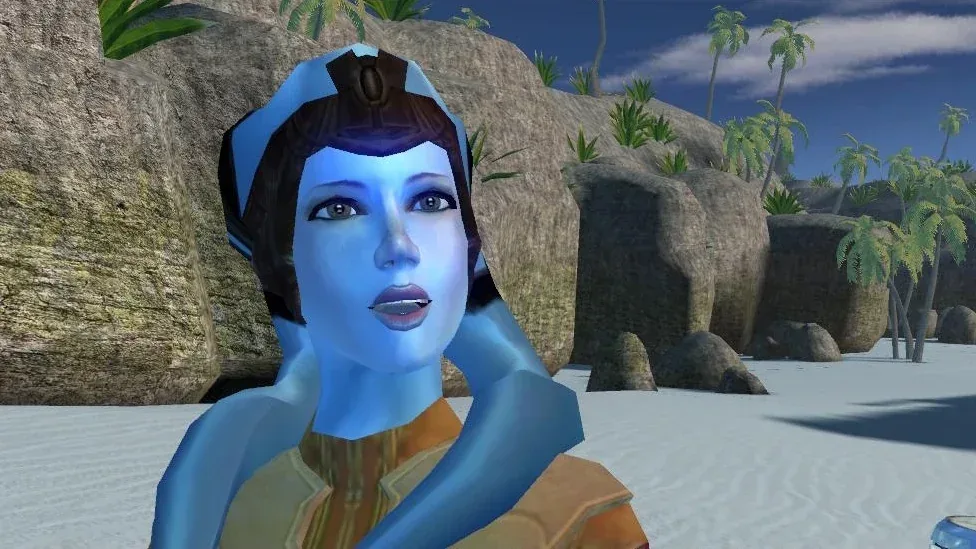
For many queer players, BioWare’s legacy is inseparable from representation. Their memories include choosing a woman avatar for the first time, flirting with Liara in Mass Effect, seeking out Juhani’s dialogue in Knights of the Old Republic, and encountering romances and characters in Dragon Age that treated queer lives as part of the world rather than as a gag or an exception demanding justification.
Representation is sometimes discussed as a matter of counting characters. The accounts shared after BioWare’s closure show why that definition is too narrow. It can also be about tone, agency, and emotional safety. A player may remember not merely that a same-gender romance existed, but that they were able to make a choice for themselves inside a game when that felt daunting elsewhere in life.
Several people describe these games as a protected space in which they could test questions about gender, sexuality, romance, and the kinds of futures they wanted. That does not mean a game can replace real-world acceptance, community, or professional support. It means fiction can offer a rehearsal space: a low-risk place to imagine an identity, make a decision, and recognize an emotion.
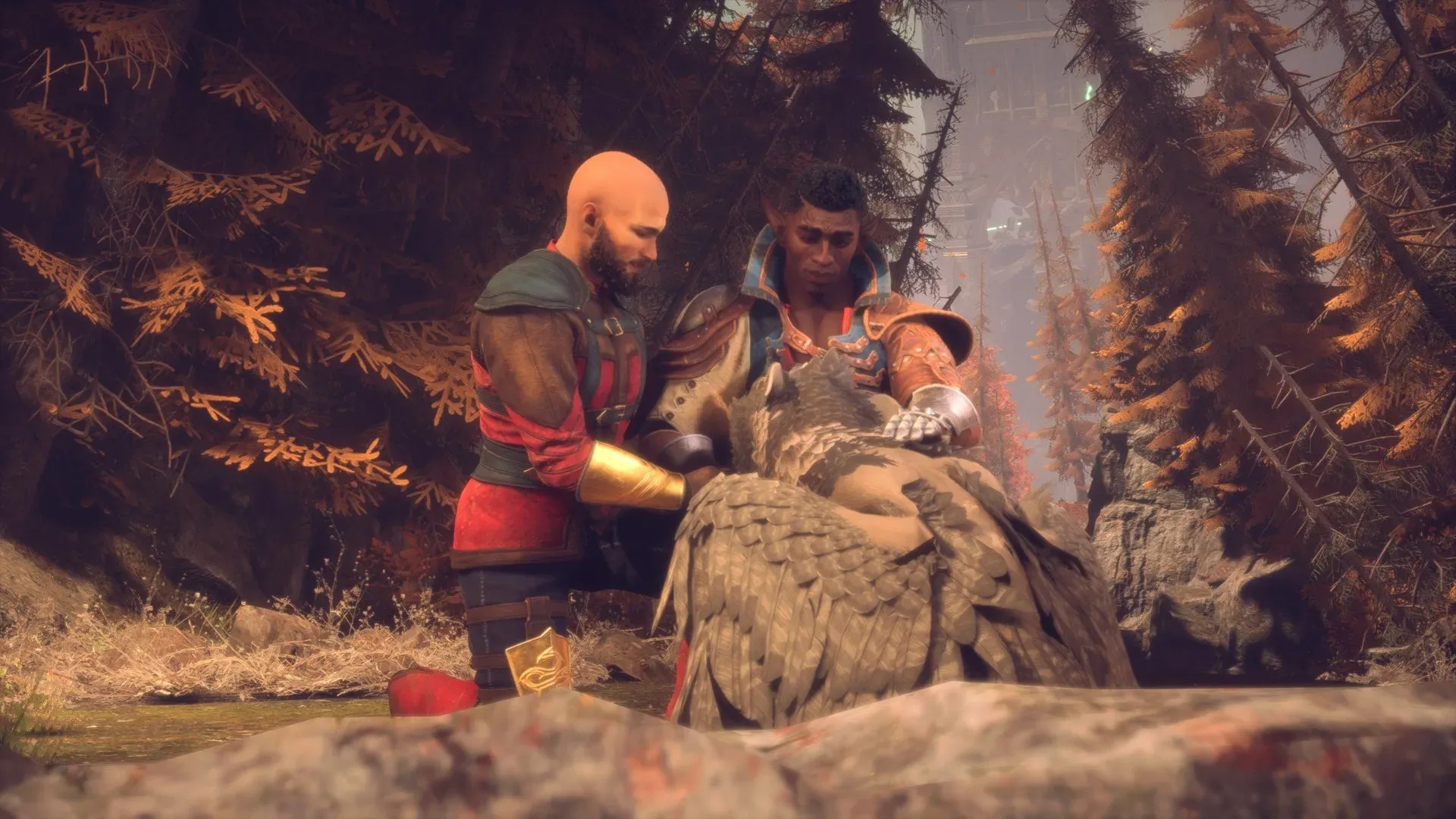
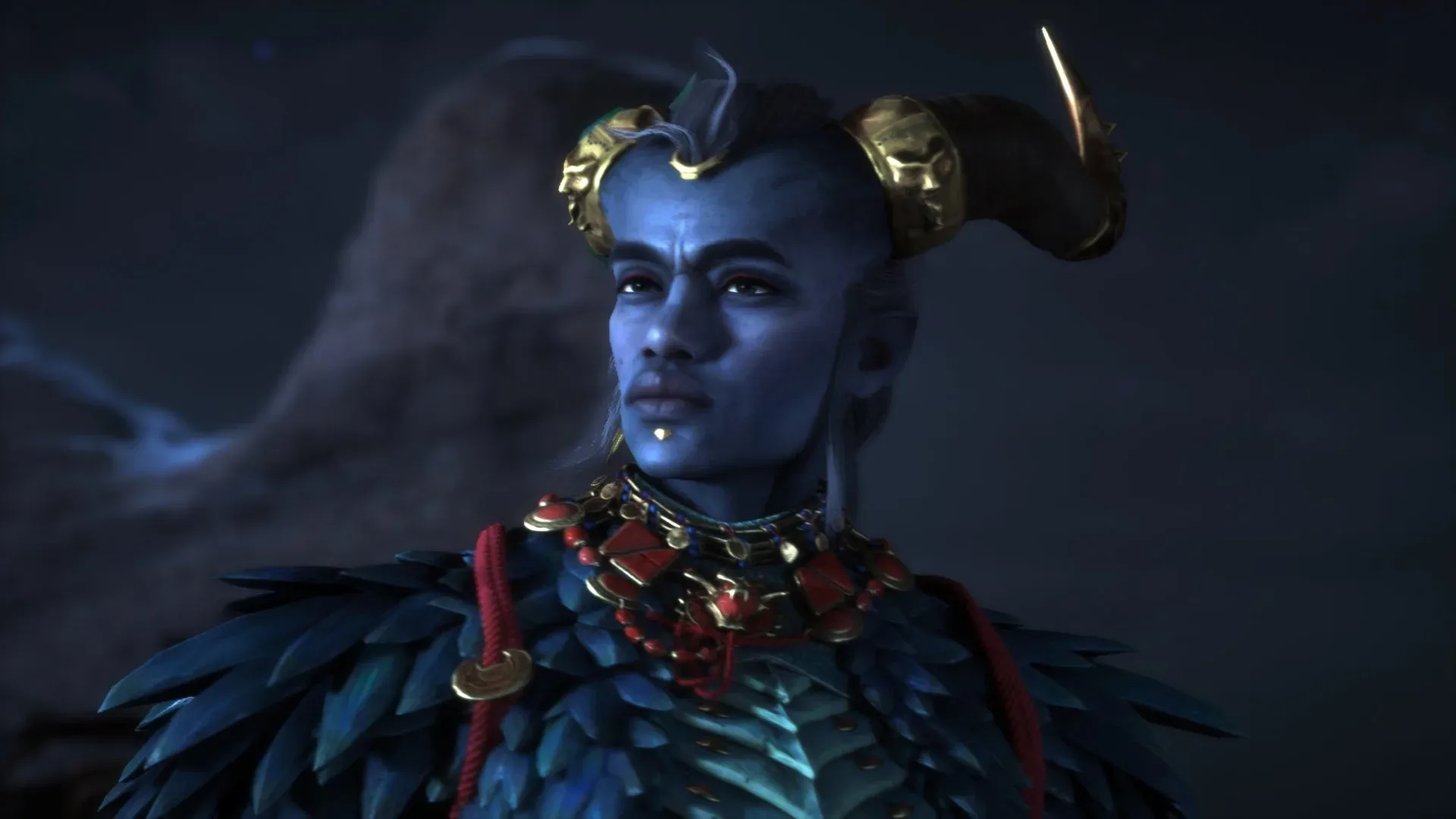
The importance of that space continued into Dragon Age: The Veilguard, which players specifically recalled for its nonbinary character options and Taash’s gender journey. Other memories returned to Inquisition and Dorian’s confrontation with his father, a storyline players understood as addressing conversion therapy. These responses underline a practical lesson for future game teams: representation has greater force when it is woven into character, dialogue, and player agency, rather than isolated as a marketing bullet point.
This is also why concerns about stable creative teams matter. In an industry conversation already wrestling with business sustainability and the conditions under which games get made, the story around BioWare is a reminder that narrative work takes continuity, care, and time. The wider debate over sustainable game funding is not abstract when studios and their accumulated creative knowledge are on the line.
Communities were part of the work
BioWare’s legacy is not confined to what happened on a screen. Fans describe meeting lifelong friends through Dragon Age and Mass Effect, building online communities around fan art and cosplay, planning trips with people they originally knew through the games, and even finding spouses through shared conversations about their respective Shepards.
There are also smaller, strikingly specific forms of connection. One player described a father, a former submariner, who connected with Commander Shepard as a ship captain and created a meticulous personal record of every dialogue outcome, quest, and collectible across multiple runs. The value of that record was not commercial or competitive. It was a continuing creative project, and a way for parent and child to compare choices across distance.
Other accounts describe games serving as a temporary refuge during grief, divorce, depression, illness, and family upheaval. These stories should not be reduced to a claim that games are treatment. They are not a substitute for care. But they do demonstrate how structured goals, familiar characters, cooperative multiplayer, and a receptive community can provide routine and connection at a time when those things are scarce.
A player who found comfort in Mass Effect 3 multiplayer after losing a parent remembered the shared absurdity of fighting Reapers alongside strangers and receiving an affectionate Krogan headbutt between waves. Another described The Veilguard making a new family room feel safe amid bereavement, health difficulties, and the exhaustion of caring for newborns. These are not arguments about review scores. They are accounts of art arriving at a particular moment and becoming attached to survival, recovery, or simply the ability to laugh again.
The studio is gone; the work is not
The closure has understandably concentrated anger as well as grief. Fans have voiced concern for employees who lost their jobs and frustration at the corporate decisions they believe shaped the studio’s decline. The supplied accounts connect the closure to Electronic Arts’ acquisition by a private-equity group including Saudi Arabia’s Public Investment Fund, Silver Lake Partners, and Affinity Partners, valued at $55 billion. Those claims are presented by contributors as part of their criticism of the business circumstances, while the human consequence they emphasize is clear: talented developers now have to find new places to work and make games.
It is worth separating a company from the people who made its games. A corporate entity can close, change ownership, or retain rights to a franchise. The craft knowledge and human imagination that built its worlds reside with artists, programmers, designers, actors, producers, writers, and community teams. Fans repeatedly stressed that distinction in their remembrances. What they treasure is not a logo in isolation, but the human work behind it.
There is no guarantee that the scattered talent will recreate BioWare somewhere else, nor should every new project be judged only by whether it resembles an older favorite. Yet the influence is already visible in the people who cite these games as an inspiration to write narrative games, design tabletop systems, build communities, or make players feel recognized. A studio’s design language can travel with the people who learned from it.
For players, the practical legacy is simpler. Revisit a game, recommend it to a friend, preserve a favorite save, make fan art, write a fic, talk through an ending, or build a new character who makes choices you never would. The future of any particular franchise may be uncertain. The worlds already made remain available for interpretation, debate, comfort, and discovery.
BioWare’s most durable achievement may be that it taught so many people to treat RPGs as relationships: between player and protagonist, protagonist and companion, game and community, and creators and the strangers whose lives they unexpectedly touch. That relationship does not end when a studio does.