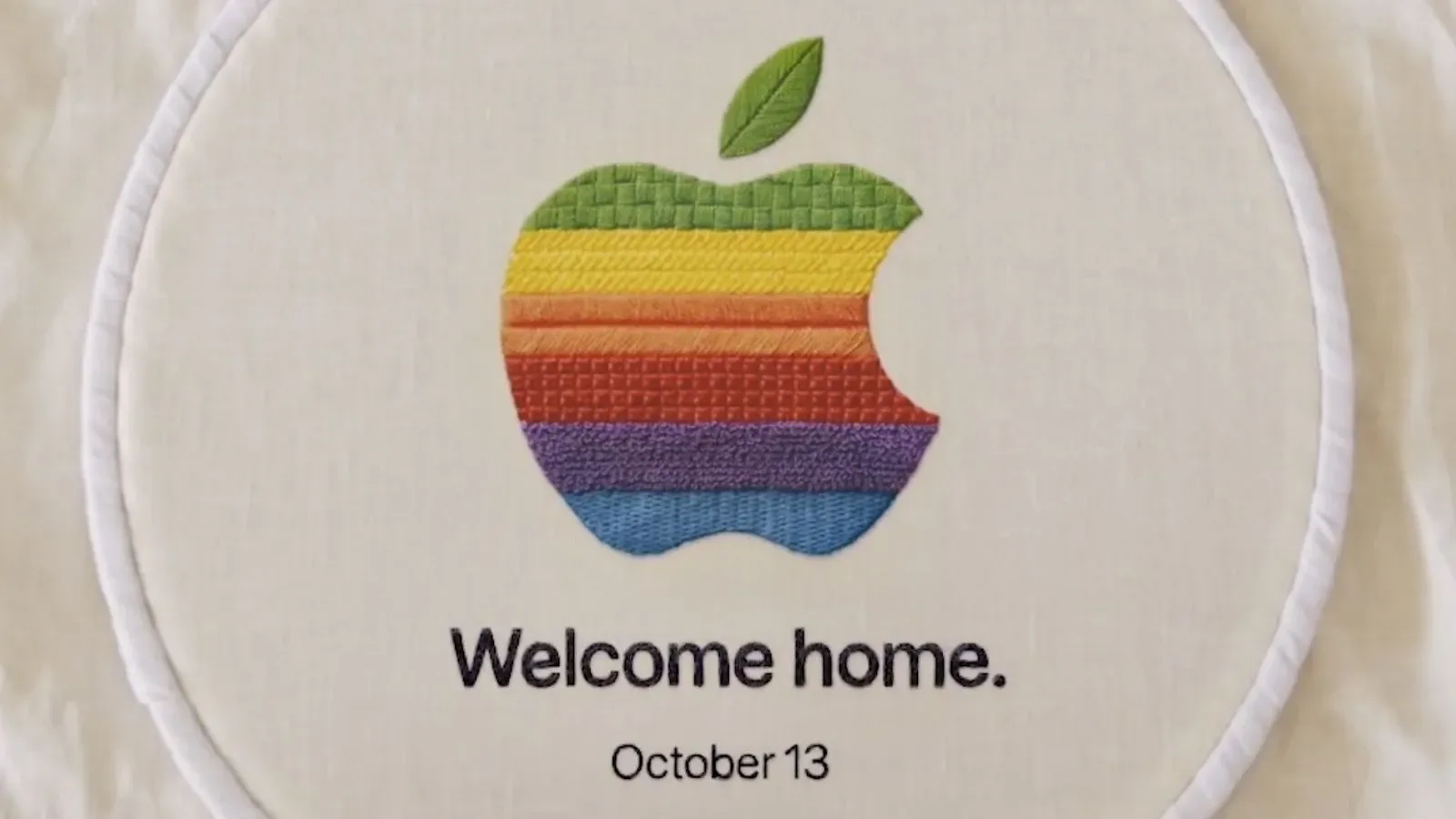
Apple’s reported “Welcome home” launch is expected to focus on the screens, speakers and set-top boxes that sit in the background of daily life—until a light needs changing, a doorbell rings, a remote disappears into the couch, or someone asks for music in the kitchen.
The expected lineup is a new smart-home hub called HomeView, a second-generation HomePod mini, and a revised Apple TV 4K. Apple is expected to use a private New York experience beginning around 9 a.m. Eastern Time as the backdrop for the product reveal, with press releases likely to appear around the same time. That timetable remains an expectation rather than a confirmed public announcement, so product names, specifications and release plans should be treated as reported details until Apple makes them official.
If the reports hold, the key development is not simply three more pieces of Apple hardware. It is a clearer attempt to give the home a central interface: one device for quick household information and accessory control, one for room-scale audio, and one for television. The potential appeal is straightforward. The hard part is whether the pieces become easier to use together rather than merely adding another screen to charge, mount or glance at.
HomeView is reportedly the centerpiece
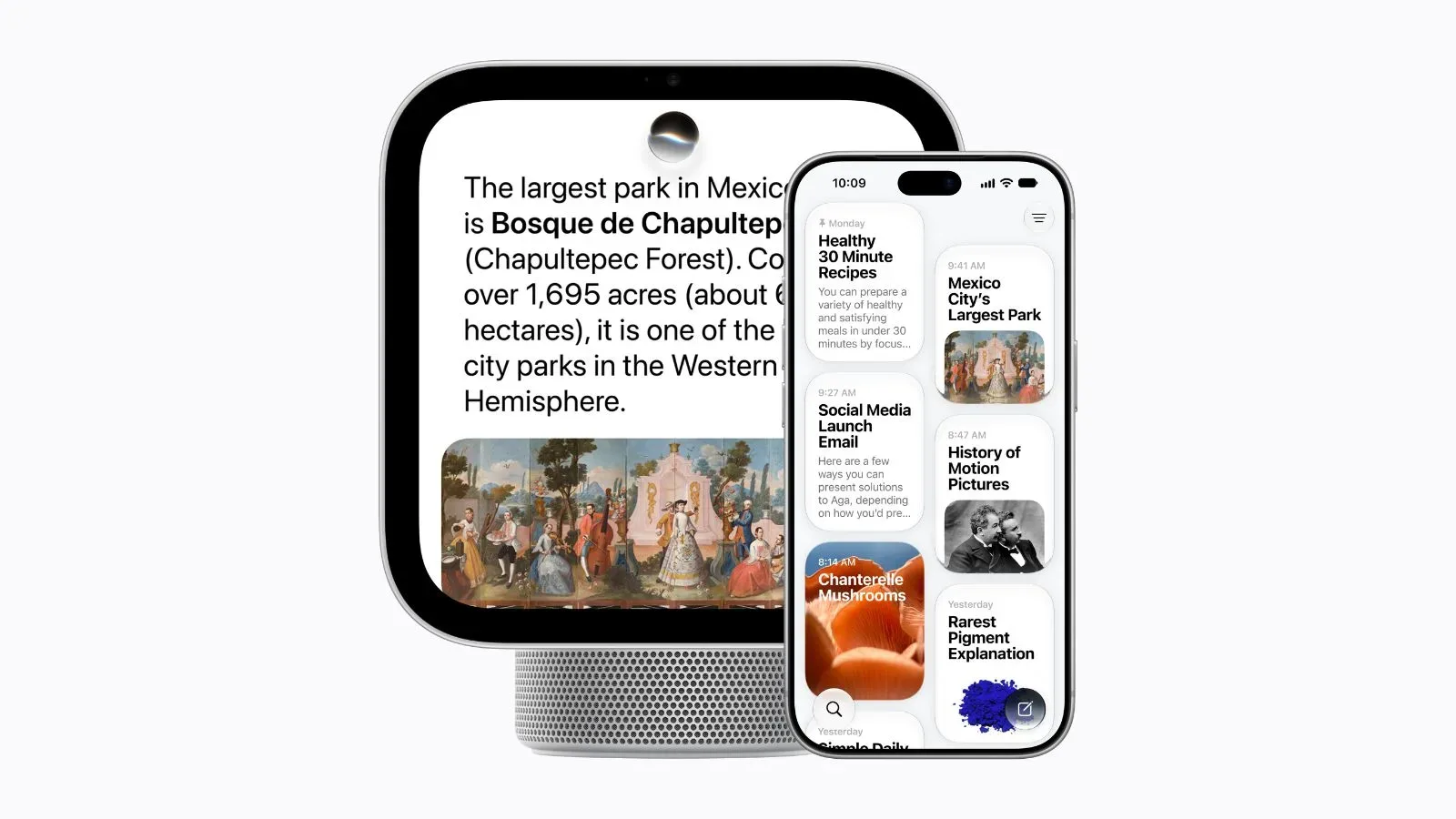
HomeView is said to be an all-new smart-home hub with a 6-inch square display. Two physical versions are reportedly planned. The tabletop model would use a metal speaker base, while a wall-mounted edition would have a flat, square plate. The reported finishes are Gray, Silver, Starlight and Rose for the tabletop unit; Gray and Silver for the wall model.
Those two forms imply different roles. A tabletop screen makes sense where people naturally pause: a kitchen counter, bedside table, desk or living-room shelf. A wall-mounted display suggests a more permanent household control point, potentially near an entrance or in a shared room. Neither use case requires a person to reach for a phone first, which is the basic argument for a dedicated hub.
The reported software scope is broad. HomeView is expected to handle smart-home accessories and home-security functions, while also surfacing photo galleries, calendar appointments, music playback and FaceTime video calls. That combination matters because an accessory-control screen can otherwise feel unnecessary when nothing is wrong. Photos, schedules and playback controls could give the device a useful idle state, while security alerts and quick controls could make it functional during interruptions.
Reports also indicate multi-user support for families. In practical terms, that would be important for a shared display. A household hub has to serve more than the person who initially set it up. Calendar visibility, calling, personal information and smart-home permissions can become complicated when several people use the same device. The report establishes the intended family use, but it does not spell out how profiles, recognition or privacy controls would work. Those details will be among the most important things to clarify if the product is announced.
What a smart-home hub actually changes
A smart-home hub is a centralized interface for connected accessories such as lights, cameras, locks and thermostats. It does not inherently make every accessory easier to install or every automation more reliable. Its strongest benefit is reducing friction once a home has several compatible devices: instead of opening separate phone apps, someone can see controls and status in one place.
Related coverage includes Apple Expands Its Smart Home Push With HomeView, Apple TV 4K and HomePod mini 2.
For HomeView, the reported security focus is particularly notable. A display near the center of a home could be useful for camera views or a doorbell event, but the practical experience will depend on how quickly alerts appear and what can be done from that screen. The available information does not establish response times, video quality, subscription requirements, interoperability rules or how the device behaves during an internet outage. Those are not minor footnotes for security hardware; they are core purchase questions.
The same caution applies to FaceTime. A screen intended for the kitchen or bedroom could be convenient for video calls, but the report does not confirm camera placement, calling behavior, or which FaceTime capabilities will be available. A device can be designed for a task without every implementation detail being known in advance.
Apple Intelligence and Siri appear central to the pitch
HomeView is reportedly powered by an A18 chip and is designed to support Apple Intelligence. Siri AI is expected to be a major feature. In plain terms, the processor is the device’s main computing chip, and it determines the headroom for software tasks. “Apple Intelligence” is Apple’s name for its AI features; “Siri AI” in this context refers to a more prominent role for voice-driven assistance. The report does not define exactly which requests, controls or intelligence features will ship on HomeView.
That uncertainty is worth keeping in view because voice assistance has a special burden in the home. Commands are often brief and time-sensitive: turn something off, set a timer, show a camera, start music, or tell the household what is next. The promise of AI is that a system can better understand natural requests and context. The practical test is much simpler: whether it produces the expected result without requiring people to repeat themselves, learn awkward phrasing or pull out a phone anyway.
HomeView is also said to run a new operating system that may be called homeOS. Reported interface elements include clock faces and widgets. A widget is a small on-screen panel that presents focused information or a shortcut, such as an upcoming calendar item, a music control or an accessory status. Clock faces could make the screen feel more like an ambient household object when it is not actively being used.
One stated limitation is just as meaningful as the reported features: HomeView is expected to include a selection of Apple apps, but not an App Store for third-party apps. That would make it a more deliberately controlled appliance than a general-purpose tablet. The upside could be a simpler, more focused interface. The trade-off is flexibility. Buyers who want a central screen for a favorite outside service or a niche household tool should not assume that an app ecosystem will be available.
It is also a reminder that a smart-home display should be judged by its supported jobs, not by the number of ways it resembles a tablet. If it reliably handles household controls, schedules, communications and media, a limited software model may be sufficient for some homes. If those core uses are incomplete, the absence of third-party apps becomes more consequential.
An Apple Home Collection could make the hub more tangible
HomeView is reportedly set to arrive alongside an Apple Home Collection of accessories developed in partnership with LG and Schneider Electric. The named product categories are a smart doorbell, deadbolt lock, thermostat, temperature sensor, indoor and outdoor security cameras, and a floodlight camera.
This matters because a hub’s value depends on what it can control. The reported collection covers the most visible smart-home categories: entry access, climate, environmental monitoring and security. It also gives Apple a way to present a more cohesive system rather than leaving people to build a setup one accessory at a time.
Still, the reported accessory list should not be read as an installation guide or a compatibility promise. There is no supplied detail on regions, availability, pricing, installation requirements, service plans, operating limits or which products will be sold at launch. A doorbell, lock, thermostat and camera each have different practical considerations. A sensible prospective buyer should wait for official compatibility lists and product documentation before planning a full-home switch.
The broader implication is that Apple may be framing the home as a coordinated ecosystem. That approach can feel clean when every part is compatible, but it can also make the decision more dependent on the exact devices a household already owns. People considering a hub should inventory their existing accessories and decide which controls they genuinely need in a shared space. A wall display is more compelling if it solves frequent, everyday tasks—not simply because it can display them.
HomePod mini 2 could receive a major chip update
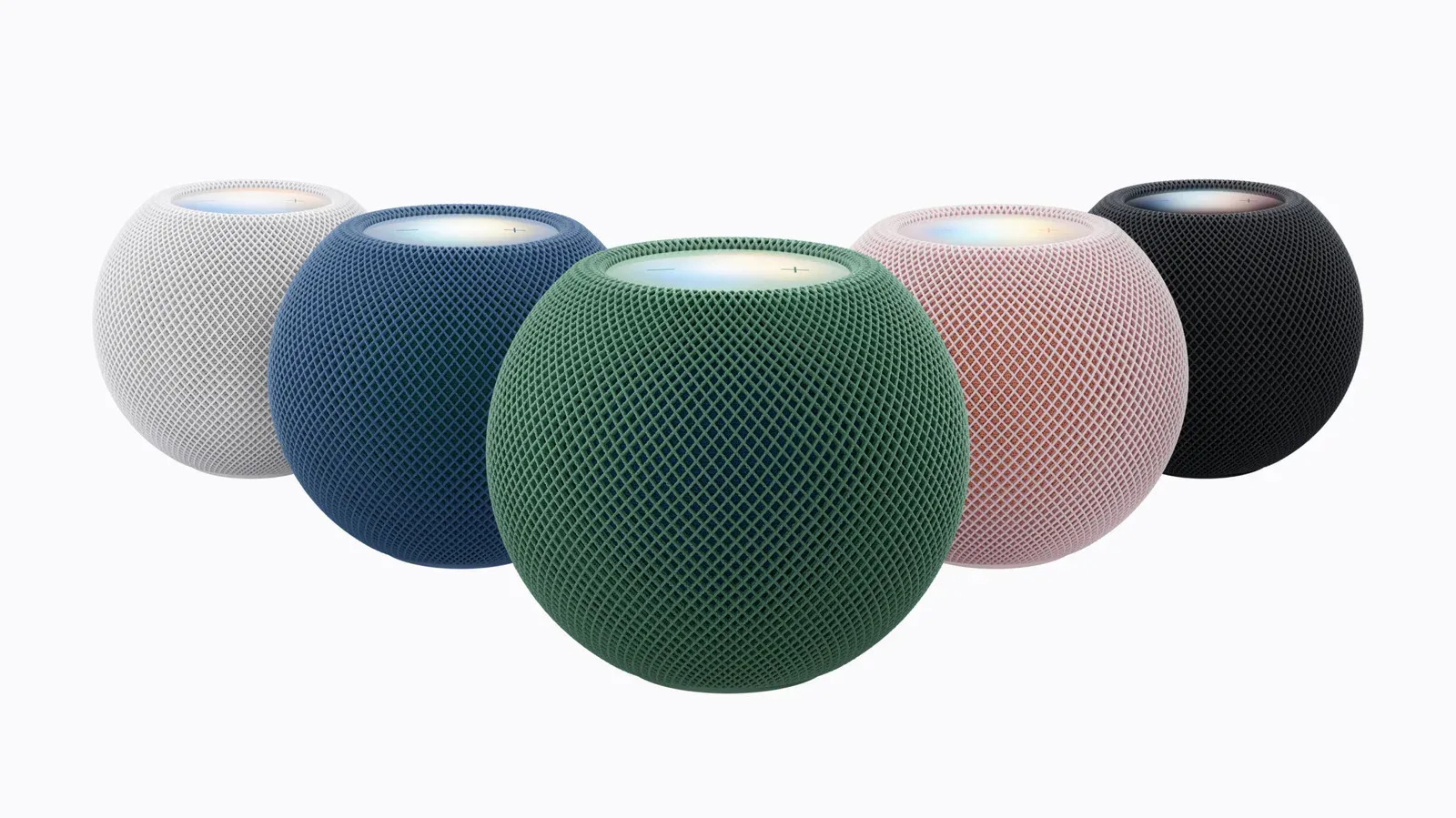
The reported HomePod mini update is less elaborate on paper but may be significant for Apple’s smallest speaker. The new model is rumored to use the S10 chip found in Apple Watch Series 10, replacing the S5 chip in the current HomePod mini. The current speaker was released in 2020. Pink and green are among the leaked new color options.
A newer chip does not automatically tell buyers how much audio quality, responsiveness or feature support will change. The report does not claim a particular acoustic redesign, new driver arrangement, battery feature or price. What it does suggest is that Apple may be refreshing the internal platform rather than treating the product as a simple color update.
For households interested in HomeView, the HomePod mini could remain the voice-first companion. A screen can be preferable for checking a calendar or choosing a camera; a speaker is often preferable when hands are busy. Kitchen timers, music requests and simple controls are examples where speaking may remain faster than tapping. The value of the new model will depend heavily on its final software features and how well Siri works across the wider system.
Reports place the new HomePod mini’s launch on Friday, October 30. That date has not been officially confirmed in the supplied material, and it should be considered tentative.
Apple TV 4K may get faster silicon, AI and a findable remote
The updated Apple TV 4K is rumored to receive an A19 chip, Siri AI support and an updated Siri Remote with a built-in speaker intended to make it easier to find. Anyone who has lost a compact remote in a living-room cushion understands why that final detail could be more immediately useful than a processor name.
The A19 would reportedly be the device’s main chip. The supplied information does not specify what performance changes it would bring to streaming, games, apps or video playback, so it would be premature to promise any measurable improvement. Siri AI support is also reported, but exact features have not been detailed.
Apple TV 4K is also expected to receive an Apple-designed N1 chip with Wi-Fi 7 support. Wi-Fi 7 is a newer wireless-networking standard. Its presence alone does not guarantee better performance in every home; results depend on the network setup and compatible equipment. Still, newer wireless support can be relevant for a product that streams media and may operate as part of a connected-home setup.
The expected October 30 launch timing for the new Apple TV 4K matches the reported schedule for HomePod mini 2, while HomeView is apparently planned for mid-November. That staggered rollout, if accurate, would leave a gap between Apple’s entertainment-device refresh and the arrival of the new home display.
What to watch once details are official
For now, the most useful takeaway is not to treat a list of chips and colors as the finished buying case. The eventual announcements need to answer practical questions.
- HomeView software: Which Apple apps are included, which widgets are available, and how do multi-user features protect personal information?
- Smart-home support: Which accessories work at launch, what security controls are available, and how does the Apple Home Collection fit with existing setups?
- Siri AI: Which specific tasks can Siri handle on each device, and what happens when a request involves multiple people or accessories?
- Hardware distinctions: Beyond the reported S10, A18 and A19 chips, what changes in everyday responsiveness and features separate new devices from older ones?
- Wi-Fi 7: Whether the updated Apple TV 4K’s networking benefit requires other new equipment in the home.
- Availability: Whether the reported October 30 and mid-November windows, models and finishes become official.
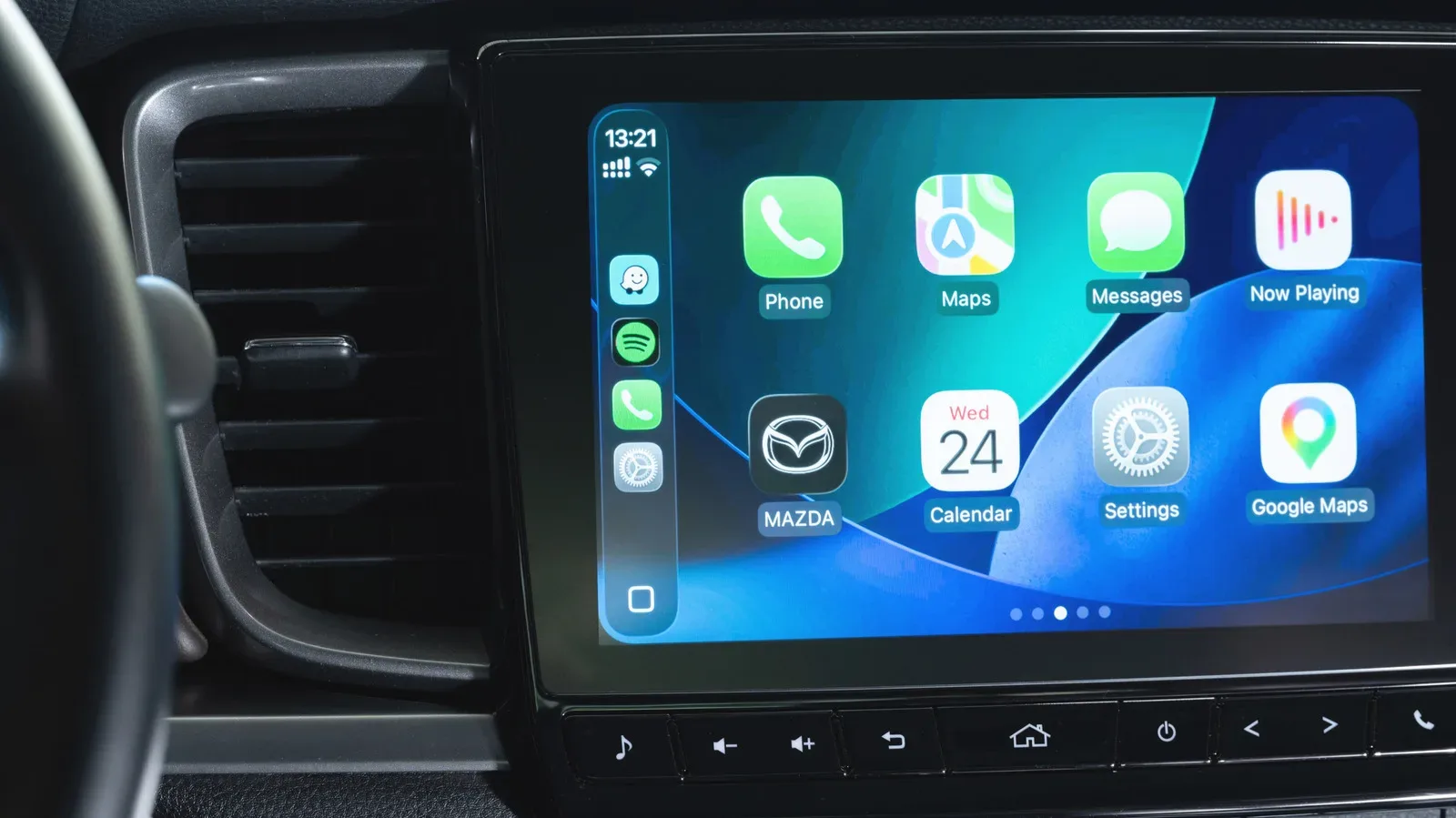
There is a useful parallel in the way connected products work beyond the living room: the convenience of an integrated setup can come with device-specific constraints and heat, power or network considerations. For a related look at connected-car phone use, see why CarPlay and Android Auto can make a phone overheat.
Apple’s reported home push is most compelling as a question of coordination. A HomeView display, HomePod mini and Apple TV can each occupy a different place in the house, but the system only becomes persuasive if it makes common tasks simpler: seeing who is at the door, adjusting the temperature, finding a remote, joining a call, checking the calendar or putting on music. The reported hardware points toward that ambition. The official software details will determine whether it feels like one home system or three separate upgrades.