Apple is reportedly developing a new operating system for a long-rumored smart-home hub, and the most interesting part may be that it is being treated as its own platform rather than merely another screen for an existing device. The software is said to combine ideas associated with iOS, watchOS and tvOS, potentially creating a household-facing interface built around a speaker, a compact square display and personalized information.
The operating system may be called homeOS, a name linked to trademark activity involving a company that may be connected to Apple. That name remains unconfirmed, as does the hardware itself. But the reported interface and app plans outline a relatively clear idea: a device designed to sit in a shared place, recognize who is engaging with it and surface the right controls or information without requiring everyone in the home to use the same phone.
Apple could unveil the hub as soon as October 2026. Until then, the appropriate framing is rumor rather than announcement. There are no confirmed specifications, price, release date, regions or final feature list. Still, the reported details suggest why a standalone platform could matter.
A small screen intended for a room, not a pocket
The proposed hub is described as a HomePod-like speaker paired with a 6-inch or 7-inch square display. That form factor distinguishes its role from a phone, tablet or television. A phone is personal and carried around. A television is usually viewed from farther away and serves a room’s entertainment. The rumored hub appears positioned between those two: an always-available screen for quick interactions in common spaces.
Its interface is reportedly built around a grid of app icons, widgets and customizable clock faces. Those are familiar concepts, but their combination is telling. An app grid provides a direct way to open a task or service. Widgets are compact panels that present useful, glanceable information or controls without first opening an app. A customizable clock face, a design strongly associated with watch interfaces, could allow the device to behave as a timepiece when nobody is actively using it while still showing selected information.
On a shared display, that approach could be more practical than treating the device solely as a voice assistant. A calendar, reminder, music control or home-security status is often easier to check visually than to request aloud. It also gives people a way to interact quietly when voice is inconvenient.
The reported adaptive interface sizing is particularly relevant to the device’s intended location. As a person approaches or moves away, the size of interface elements is said to change automatically. In simple terms, text and controls could be easier to read at a distance while becoming more suitable for direct touch as someone comes closer. If it works as described, that design would acknowledge the difference between looking across a kitchen or living room and standing directly in front of a display.
Personalization is the central promise — and the central question
Built-in facial recognition is reportedly planned to identify the person looking at the screen, allowing the hub to present personalized information. Multi-user support is also said to be part of the platform. Together, those features would be essential if the device is to be genuinely useful to more than one person.
A household hub faces a basic challenge that personal devices avoid: whose information should appear by default? A shared calendar may be useful to everyone, while a personal reminder or photo gallery may not be intended for every person passing the display. Profile recognition could theoretically let the screen switch context as the viewer changes, displaying a relevant calendar, reminders, photos or other information without the viewer repeatedly selecting an account.
That is the practical upside. It is also why the feature warrants careful attention if Apple formally details it. Facial recognition in a communal area raises questions about how recognition is configured, when it occurs, what controls household members have and how personalized material is handled when more than one person is nearby. The available reporting identifies the broad capability, not its final privacy settings or behavior. Those implementation details will matter as much as the convenience of automatic profile switching.
Multi-user support should not be confused with merely allowing several people to use the same hardware. In this context, the reported objective appears to be separate, tailored experiences on a shared device. Whether every listed app would support individual views, and exactly how those views would change, has not been established.
Siri AI may be homeOS’s connective tissue
Siri AI is expected to be at the core of the new platform, including a new Siri app for AI conversations. That language suggests the assistant could be presented as a more visible part of the interface, rather than functioning only as a voice command layer.
For a smart-home hub, an assistant has an obvious job: helping people reach information and controls that would otherwise be spread among several apps. A person may want to play music, see a schedule, check a camera, control a compatible accessory or place a video call. The rumored platform is expected to encompass all of those areas through its app and feature set.
But “at the core” does not reveal the exact limits of Siri AI, the kinds of requests it will handle, or how it will relate to individual apps. Those are important distinctions. A conversational assistant can be useful for directing a user toward a task, but it is not automatically a replacement for a clear visual dashboard. The reported blend of voice, app icons, widgets and distance-aware controls implies that Apple may be pursuing several interaction methods at once rather than betting entirely on conversation.
That would be a sensible fit for a device potentially used by different people in a busy home. Some actions are best spoken; others are better tapped; still others should be visible without any request at all.
The reported app list points to everyday household jobs
The preinstalled apps said to be planned are Calendar, Camera, Apple Music, Apple Podcasts, Apple News, Reminders, Notes and the new Siri app. The list is not a confirmation of final software, but it offers a useful map of what the hub may prioritize.
- Calendar, Reminders and Notes would make the device a potential organizing surface for routines and household planning.
- Camera aligns with the reported home-security monitoring capability, though the precise function of the app has not been detailed.
- Apple Music and Apple Podcasts fit the product’s speaker component and could make audio one of its most immediate uses.
- Apple News and photo galleries would give the display passive, glanceable content when it is not being used for a specific task.
- FaceTime video calls, also reportedly under consideration, could use the display to make the hub a communications device as well as a control point.
- HomeKit accessory management would put compatible smart-home devices within direct reach from a shared screen.
HomeKit is Apple’s framework for connecting and controlling compatible smart-home accessories. In practical terms, reported HomeKit management on this hub could mean a centralized visual place for supported household devices. The reporting does not specify which controls will be available, how accessories will be displayed or whether any functions would differ from Apple’s other devices. It does, however, make the intended role clear: the hub is expected to be part information display, part communications screen and part home-control panel.
Home-security monitoring is similarly broad. It signals an expected connection to security-related household information, but does not establish details such as supported equipment, notifications, recording options or any monitoring workflow. Those specifics should not be assumed ahead of a formal reveal.
Why a dedicated operating system would be notable
Apple already has iOS, iPadOS, macOS, watchOS, tvOS and visionOS. If homeOS is the eventual name, it would become another member of that family. The significance is not simply branding. A dedicated operating system can be shaped around the particular conditions of the hardware: a compact screen that may be seen at varying distances, a speaker used for media and voice interaction, and a device that multiple people can approach throughout the day.
The reported mix of iOS, watchOS and tvOS design ideas fits that proposed role. iOS contributes the recognizable app-centric model. WatchOS-style clock faces and glanceable elements suit an ambient display. tvOS evokes a screen intended to remain in a room rather than travel in a pocket. None of that confirms that homeOS will directly replicate those systems, but it explains the characterization of it as a hybrid.
It also makes the hub different from simply mounting a tablet in a room. The rumored software is being designed around shared use, automatic interface changes based on proximity and recognition of the person viewing the display. Those elements, if they arrive in the final product, would be central to its identity.
What remains unknown before any reveal
The current picture is promising but incomplete. The report does not establish whether the hub will ship immediately after its expected unveiling, whether it will come in one display size or both reported sizes, or what hardware sits behind its Siri AI features. It does not confirm the final name, full app catalog, availability, pricing or the exact method used to manage users and personalized information.
It is also unclear how much of the experience would depend on other Apple hardware or compatible HomeKit accessories. The device is rumored to include a HomePod-like speaker and a screen, but the relationship between the hub and the broader Apple ecosystem has not been specified.
For now, the clearest takeaway is that Apple is reportedly considering a more deliberate smart-home interface: one built for visible, shared and personalized interactions rather than a single-purpose speaker. That direction would be consistent with the reported mix of media, planning, communications, security and accessory management. It would also make the quality of the software — especially its profile handling and Siri AI behavior — at least as important as the display itself.
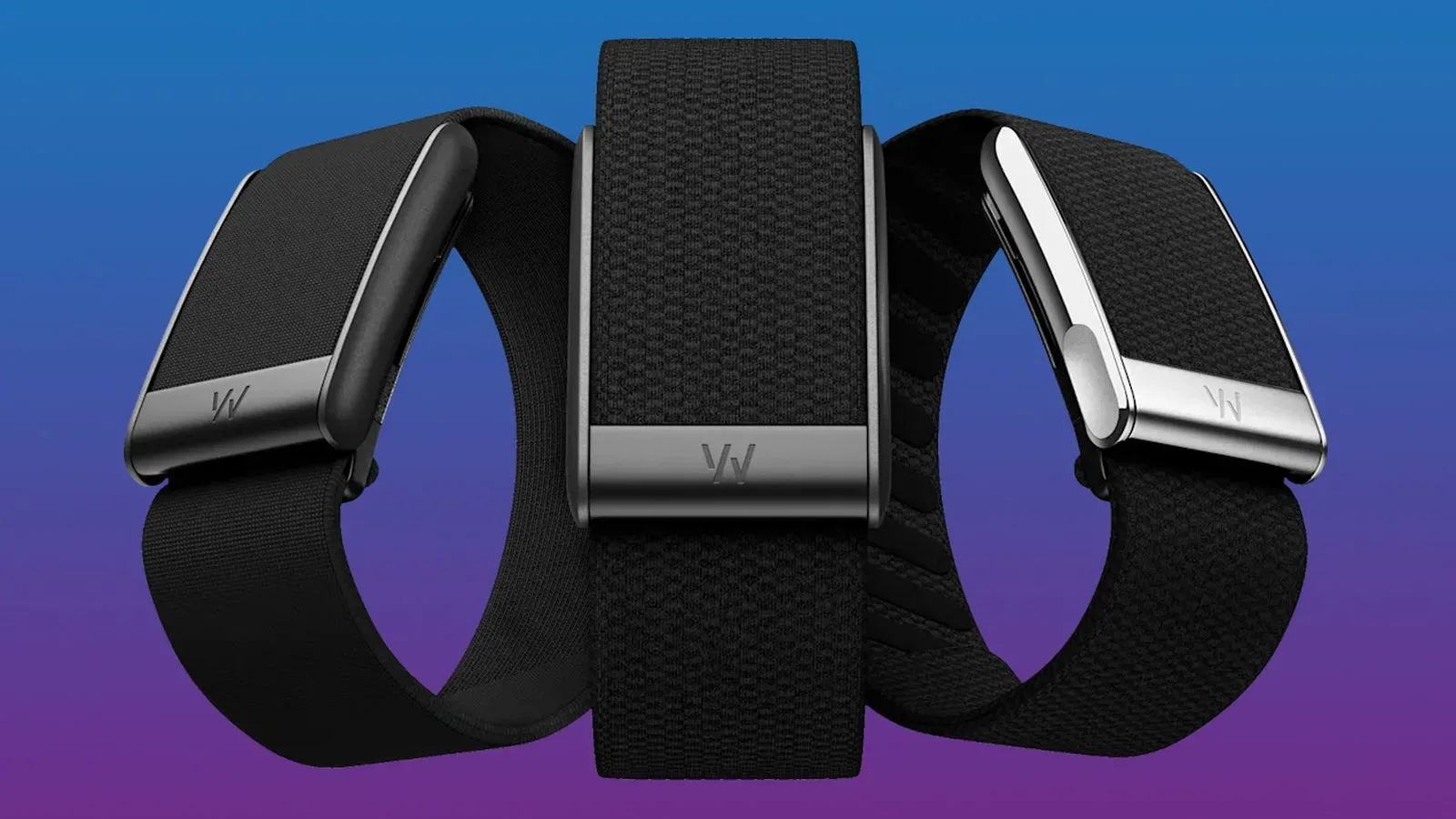
The report arrives as Apple is also said to be considering other hardware directions, including a screenless fitness band whose prospects remain uncertain. The proposed smart-home hub is more concrete in the details currently described, but it remains unannounced. Until Apple speaks publicly, homeOS, its name and the hub it is intended to power should all be treated as plans that may change.