Apple has added three familiar products to its obsolete list: the 2017 12-inch MacBook, the sixth-generation iPad, and BeatsX wireless headphones. The designation matters less as a judgment on whether a device still works and more as a line in Apple’s repair-and-parts policy: once a product is obsolete, Apple Stores and Apple Authorized Service Providers are instructed to stop hardware service and generally cannot order parts for it.
For owners, the immediate takeaway is practical. A device may remain perfectly usable, but an official repair path becomes substantially narrower when a component fails. That is particularly important for products with aging batteries, damaged displays, worn ports, or other hardware faults that ordinarily require a part specific to that model.
What “obsolete” means in Apple’s policy
Apple considers a product obsolete after seven years have passed since it was last distributed for sale, including distribution to resellers. The clock is therefore tied to the end of sales distribution, rather than simply the year printed in a product’s name.
In practical terms, obsolete status means that Apple Stores and Apple Authorized Service Providers discontinue hardware service for the affected product. They also generally cannot obtain parts for it. This is the key distinction for anyone seeing the word “obsolete” and assuming it automatically means a device has stopped functioning. The classification describes official support eligibility and the parts pipeline; it does not itself switch off the product.
There is one stated exception worth noting for the MacBook. Apple says MacBooks can remain eligible for battery-only replacements for up to 10 years after distribution ended, provided parts are available. That is not a promise that every 2017 12-inch MacBook will receive a new battery. Availability remains the deciding condition, but the policy leaves open a potentially longer battery-service window than the normal obsolete cutoff.
The 12-inch MacBook’s service window narrows
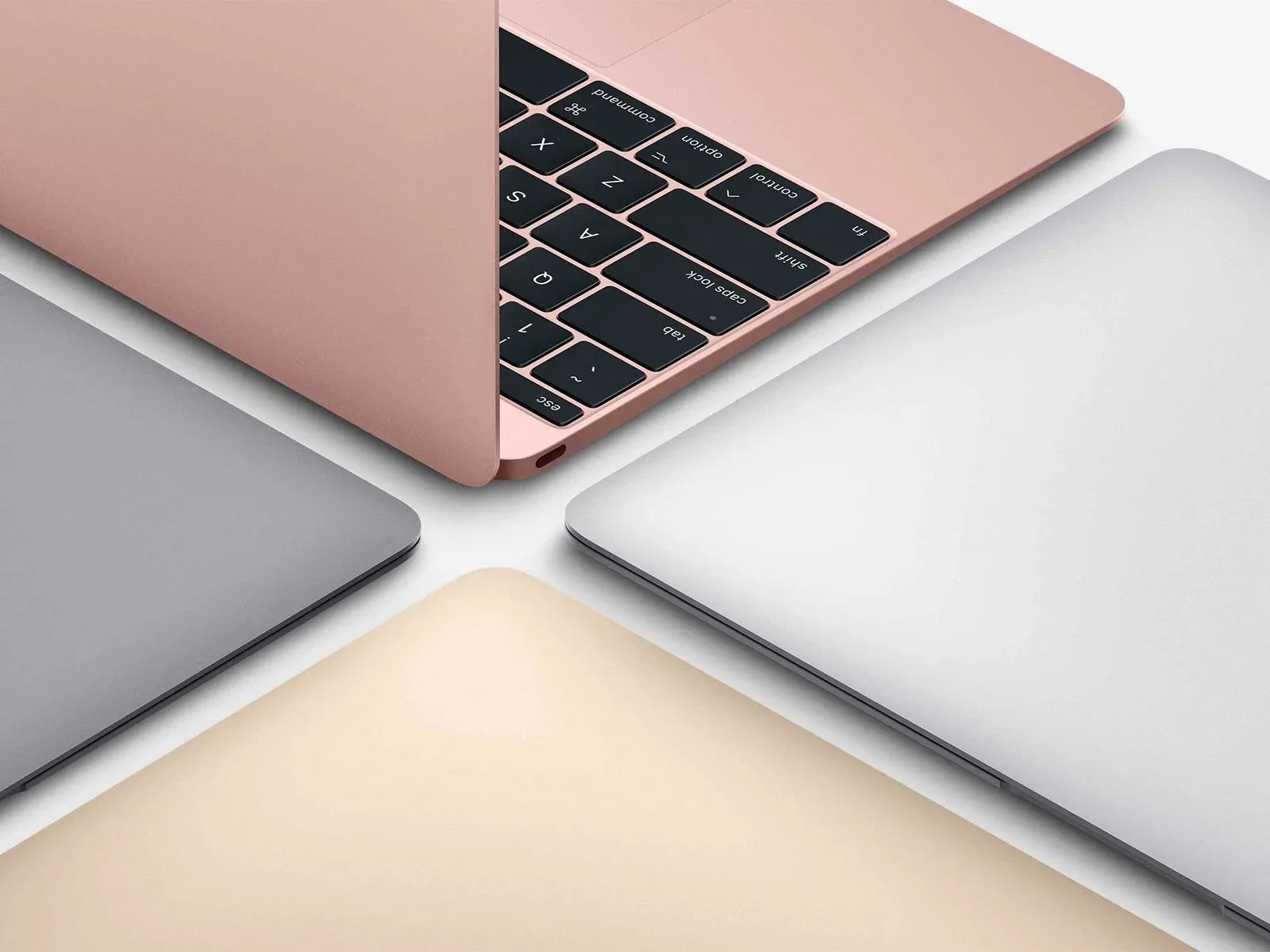
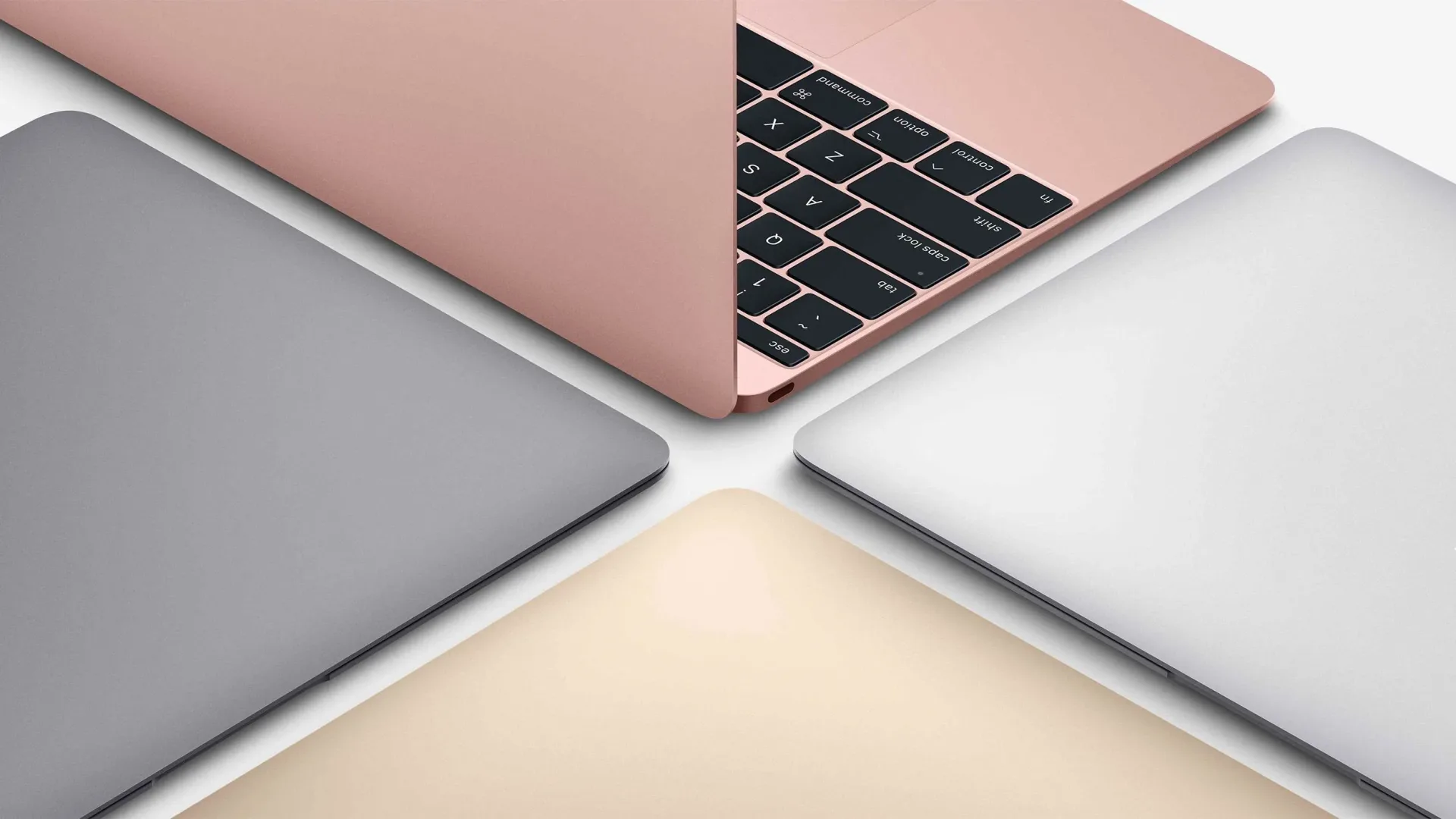
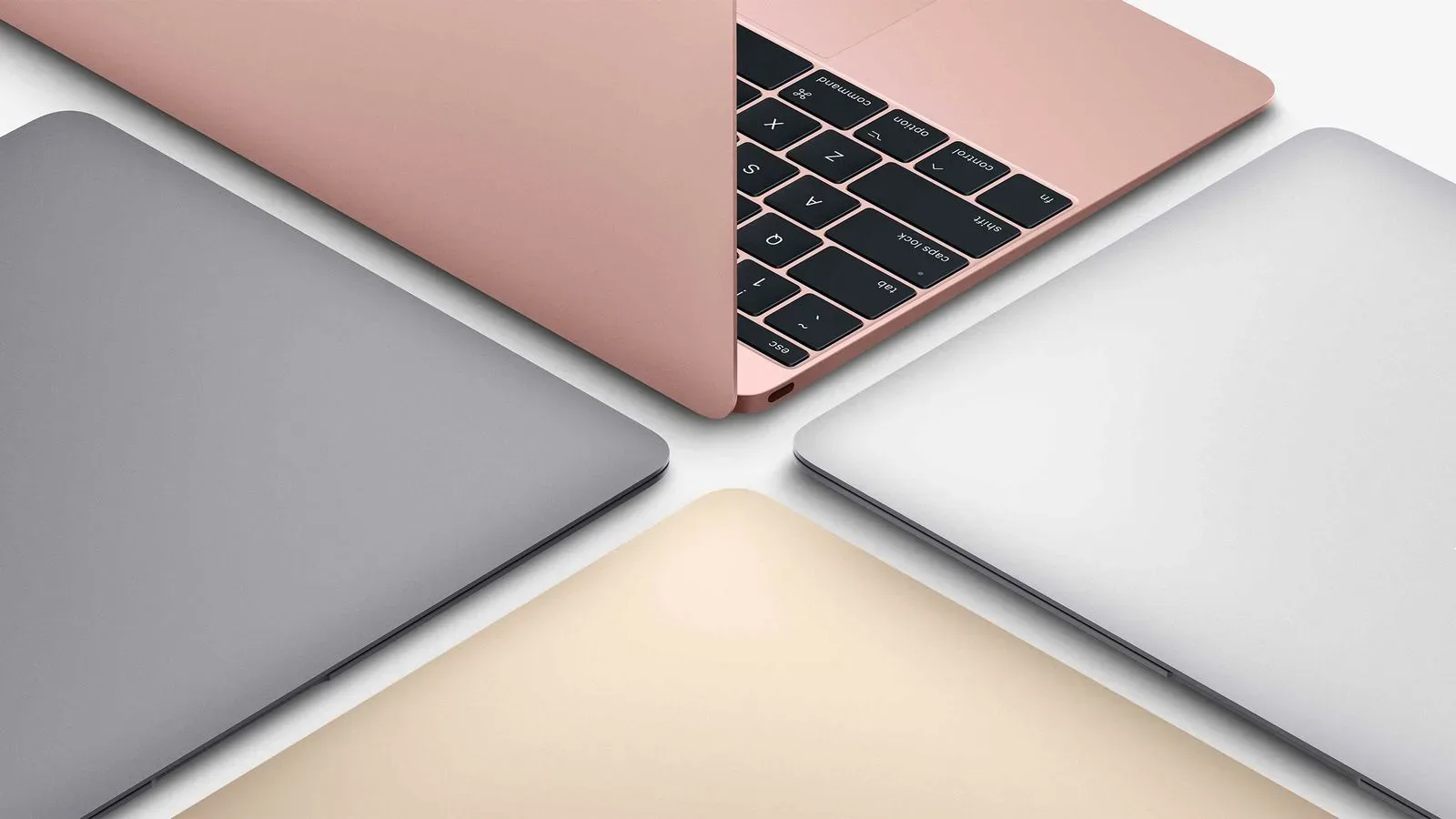
The 2017 12-inch MacBook is the most distinctive item in this group because it represents Apple’s former ultra-compact MacBook direction. Apple discontinued the Intel-based 12-inch MacBook line entirely in 2019. It has not subsequently introduced a sub-13-inch MacBook powered by Apple silicon.
That history gives the model an unusual place in Apple’s recent laptop lineup. It was not merely an older version of a currently sold small MacBook; Apple no longer has a direct sub-13-inch Apple silicon successor in the range. Obsolete status does not turn the machine into a collectible by itself, nor does it determine its secondhand value. It does, however, make condition and repair planning more consequential for anyone who intends to keep using one.
Owners should separate two questions that can easily get blended together:
- Can the MacBook still be used? Obsolete status alone does not answer that question.
- Can Apple or an authorized provider repair it? Normal hardware service is discontinued, and parts generally cannot be ordered through those channels.
For a 12-inch MacBook owner, the battery exception is the detail most worth checking before assuming all official options are exhausted. Since eligibility is both time-limited and dependent on parts availability, contacting an Apple Store or Apple Authorized Service Provider is the sensible way to establish whether a battery replacement remains possible for a particular unit.
Anyone considering a used 2017 12-inch MacBook should treat the lack of normal official hardware service as a core part of the decision, not a footnote. A low purchase price does not remove the risk of a later repair becoming difficult to arrange. Asking about the battery’s present condition and testing the specific machine before committing become more important when official part ordering is generally no longer available.
Sixth-generation iPad and BeatsX join the same list
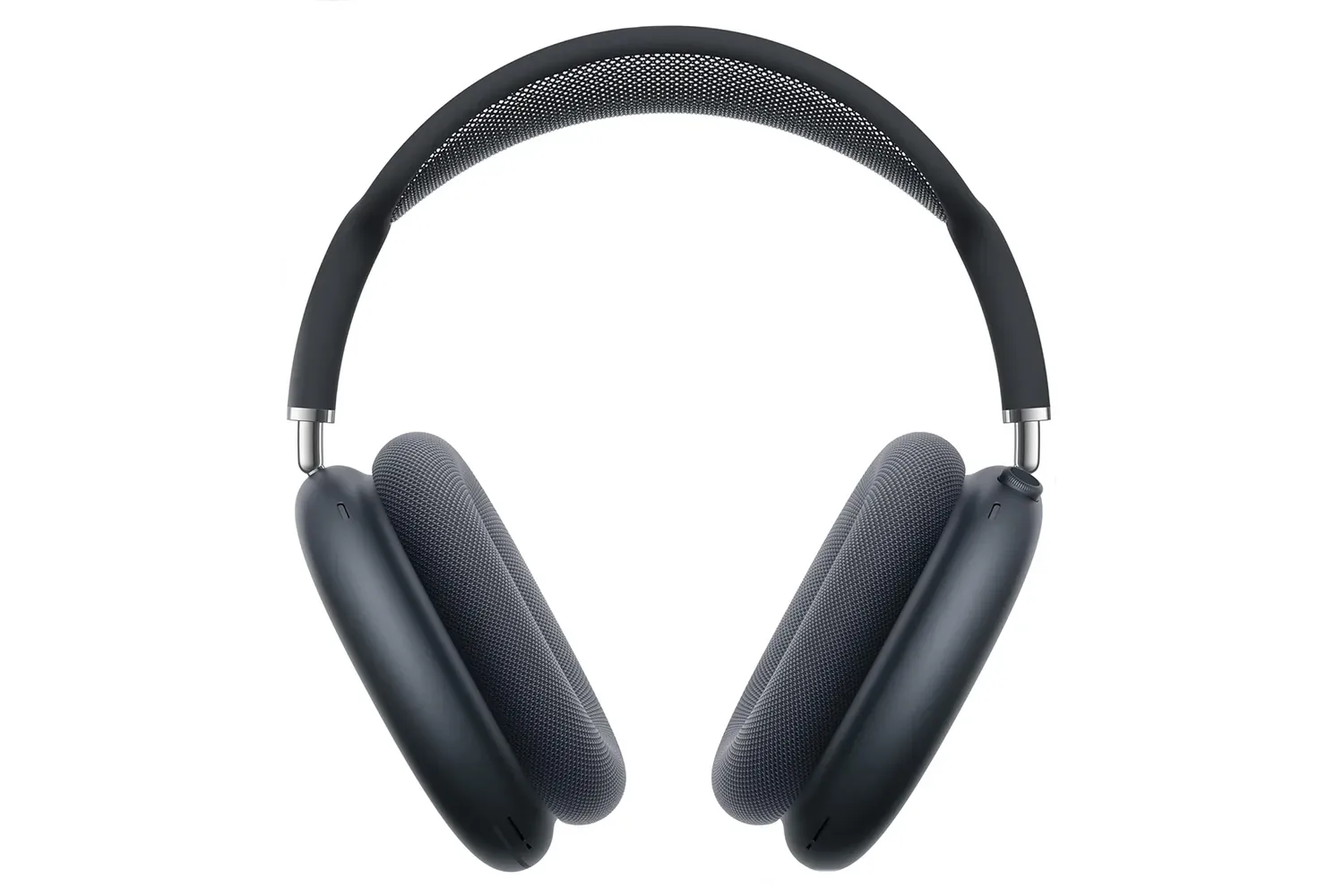
The sixth-generation iPad and BeatsX are now subject to the same obsolete designation. For both products, Apple Stores and authorized providers are instructed to discontinue hardware repairs, and replacement parts generally cannot be ordered.
That creates different practical concerns depending on the device. A tablet is an all-in-one product: a display problem, charging issue, battery concern, or physical damage can affect the whole experience. For headphones, battery aging and physical wear can loom especially large because the product is built around a compact wireless design. In each case, the relevant fact is the same: official hardware-service support has ended under Apple’s obsolete-products policy.
It is also useful not to overread the label. “Obsolete” in this setting is not a universal declaration that the sixth-generation iPad or BeatsX have no use left. It is an administrative service category with real consequences for repairs. A working device can remain working; the challenge comes if it needs hardware intervention and the official channel no longer has a service route or orderable parts.
What owners can do now
There is no need for panic disposal, but this is a good moment for owners of the newly listed products to take stock of their hardware. The goal is not to assume a failure is imminent. It is to understand that the standard Apple and authorized-provider repair route is no longer generally available.
- Check the device’s current condition. Look for existing issues rather than waiting for a minor problem to become a larger one. On a laptop, that may include battery behavior and charging reliability; on a tablet or headphones, it may mean any problem already affecting everyday use.
- Ask specifically about battery eligibility for the 2017 MacBook. Apple’s stated exception can extend to 10 years after distribution ended, subject to parts availability. Confirming eligibility is more useful than relying on a general assumption about the model year.
- Plan around the distinction between support and usability. The designation ends normal official hardware service. It does not, by itself, determine whether the device remains useful for the owner’s present needs.
- Factor service limits into any used purchase. For these specific products, a buyer should understand that official repair options are restricted before treating a secondhand listing as a bargain.
Why the seven-year policy matters
A fixed policy threshold is easy to overlook while a product is still in regular use. Once crossed, it changes the ownership equation. Repairs depend on more than technical know-how: they require access to the appropriate components and a service channel able to perform the work. Apple’s obsolete policy affects both. The provider is instructed to stop hardware service, and parts generally cannot be ordered.
That is why a product can remain usable and yet become more complicated to own. The device’s present state might be fine, but future resilience is reduced. For people who keep devices for many years, that is often the point at which backups, device care, and realistic replacement planning become more valuable than they were during the official service period.
The update also lands during a period when Apple accessories and device ecosystems remain closely watched by players and home-entertainment users. For a current audio-related Apple item, see our coverage of AirPods Max 2, USB-C lossless audio and Apple Arcade perks.
A support milestone, not an immediate shutdown
Apple’s latest obsolete-list update puts the 2017 12-inch MacBook, sixth-generation iPad, and BeatsX outside the company’s normal official hardware-service system. For most owners, the most important wording is not simply “obsolete,” but what follows from it: Apple Stores and authorized providers discontinue hardware service and generally cannot order parts.
The 12-inch MacBook retains a possible battery-service exception for up to 10 years after distribution ended, provided parts can be obtained. Beyond that limited avenue, owners of all three products should regard working condition as especially valuable and make future decisions with the reduced official repair options in mind.