Apple Intelligence may finally be approaching mainland China, with regulatory approval reportedly granted for Alibaba’s AI technology to play a central role in the localized service. The development matters because Apple’s broader AI platform has been absent from one of its most important markets even as it has been available elsewhere for close to two years.
The reported approvals cover Tongyi Qianwen, Alibaba’s family of large language models better known as Qwen, along with Tongyi Wanxiang, its AI image and video generation tool. Apple had reportedly already received clearance to introduce Apple Intelligence in mainland China in July, but the service had not yet launched there. Approval for the underlying AI components suggests a major obstacle has been cleared, though it does not by itself establish a precise public launch date.
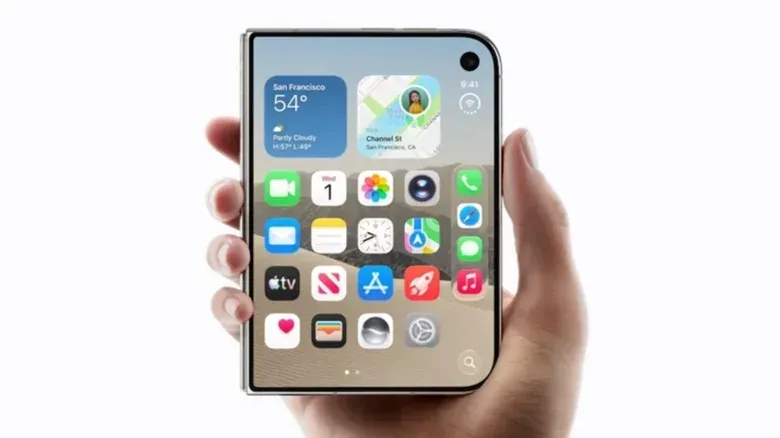
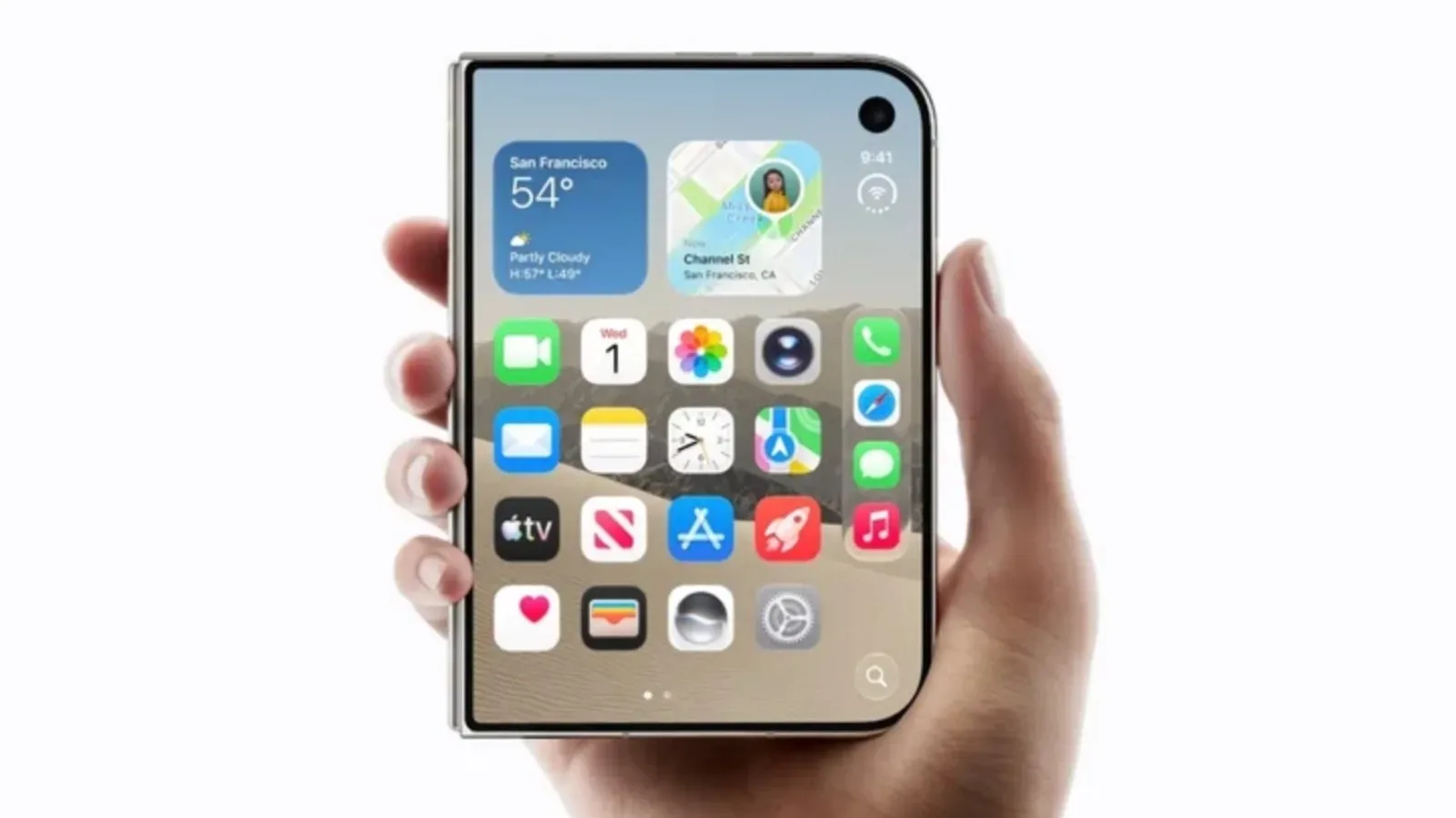
For Apple customers in China, the practical takeaway is simple: Apple Intelligence appears closer to arriving on compatible iPhone, iPad, Mac and Vision Pro hardware sold in the country. The reported filings also include network access permits for the iPhone Duo and iPhone 18 Pro. The iPhone Duo is due to launch in China next week, with an upgraded Siri AI positioned as a key software feature.
Why Apple needs a China-specific AI arrangement
Apple Intelligence is an umbrella name for Apple’s integrated AI features. Rather than describing one isolated chatbot, it refers to a set of capabilities woven into Apple software, including features associated with Siri. But AI services are not necessarily portable from one territory to another just because the same device can be sold there.
Mainland China has complex rules around AI and privacy, creating a distinct regulatory environment for a company attempting to offer a generative AI system. That helps explain why Apple Intelligence has been available in Hong Kong while remaining unavailable across the mainland. It also explains why Apple’s path appears to involve Chinese AI partners rather than a straight transfer of the model arrangements used elsewhere.
A large language model, or LLM, is the kind of AI system designed to interpret and generate language. Qwen is Alibaba’s set of such models. In Apple’s reported China arrangement, Qwen is expected to be central to Apple Intelligence for supported Apple devices sold to Chinese customers. Tongyi Wanxiang, meanwhile, is described as an AI-generated image and video tool, meaning the approval is not limited only to text-based assistance.
The distinction is important. Apple Intelligence is often discussed through the lens of Siri, but the required approvals encompass more than a voice assistant answering questions. Generative AI can involve language requests, image generation, video-related tools and the networked infrastructure that supports them. The regulatory work therefore concerns the service architecture as well as the familiar user-facing branding.
What is confirmed, and what still needs to happen
The present picture is encouraging but should be read carefully. The reported approval of Qwen and Tongyi Wanxiang indicates that relevant Alibaba technology has received regulatory clearance. Apple itself had reportedly obtained permission to roll out Apple Intelligence in mainland China in July. Neither point necessarily means that every Apple Intelligence feature is available immediately, or that the mainland version will match another region feature for feature from day one.
That distinction is especially useful when a service carries one global name. “Apple Intelligence” may describe a unified product strategy, while the systems supporting it can differ by region. In the United States, Apple has worked with Google and OpenAI for model training and for handing particularly complex questions to outside systems. The reported mainland China setup instead places Alibaba’s Qwen at the center of the service for eligible Apple products sold there.
In other words, Apple’s AI experience can remain part of the Apple ecosystem while relying on a regionally appropriate technical and regulatory foundation. That is less a contradiction than a reminder that AI platforms depend on more than what appears in a settings menu. They also rely on models, data handling arrangements, external services and the approvals required to operate them.
The timing around the iPhone Duo
The timing makes the issue more visible. Updated filings reportedly include network access permits for the iPhone Duo and iPhone 18 Pro, and the Duo is scheduled to arrive in China next week. An enhanced Siri AI is one of the Duo’s flagship software features, so bringing Apple Intelligence closer to launch could strengthen the pitch around a new device.
Still, consumers should separate the hardware schedule from the AI-service schedule. A phone launch, a network access permit and approval for AI models are linked parts of the wider rollout, but they are not identical milestones. The reporting says Apple Intelligence will soon make its way to supported iPhones in China; it does not provide a complete feature list, a device-by-device timetable or a firm date for the general release.
That uncertainty will matter for people weighing an upgrade. The relevant question is not merely whether a new iPhone is compatible in theory, but when the Apple Intelligence features they care about actually become available in their region and on their particular supported device. Buyers should also avoid assuming that every function seen in US-focused demonstrations will automatically arrive at the same time in mainland China.
A long-running localization effort reaches a key stage
Reports that Apple would seek Chinese AI partners emerged as early as 2025, with Alibaba named then. During the summer, it was confirmed that Qwen would be fundamental to Apple Intelligence on compatible iPhone, iPad, Mac and Vision Pro models sold to Chinese customers. The newly reported regulatory clearance is therefore best understood as a consequential implementation step in a process that has been underway for some time.
It also underlines how central AI has become to Apple’s current device story. Apple Intelligence launched in the US nearly two years ago, yet its absence in mainland China left a conspicuous regional gap in what Apple now presents as a core platform feature. A localized rollout would not simply add another checkbox to a spec sheet. It would bring a major software layer to users in one of Apple’s fastest-growing markets.
The broader industry lesson is that generative AI deployment is becoming increasingly regional. A device maker can sell globally, but AI services may require local partners and local approvals before they can operate at scale. Apple’s reported Qwen arrangement is a clear example of that practical reality: the company is pursuing its Apple Intelligence strategy in China through technology tailored to the country’s regulatory framework.
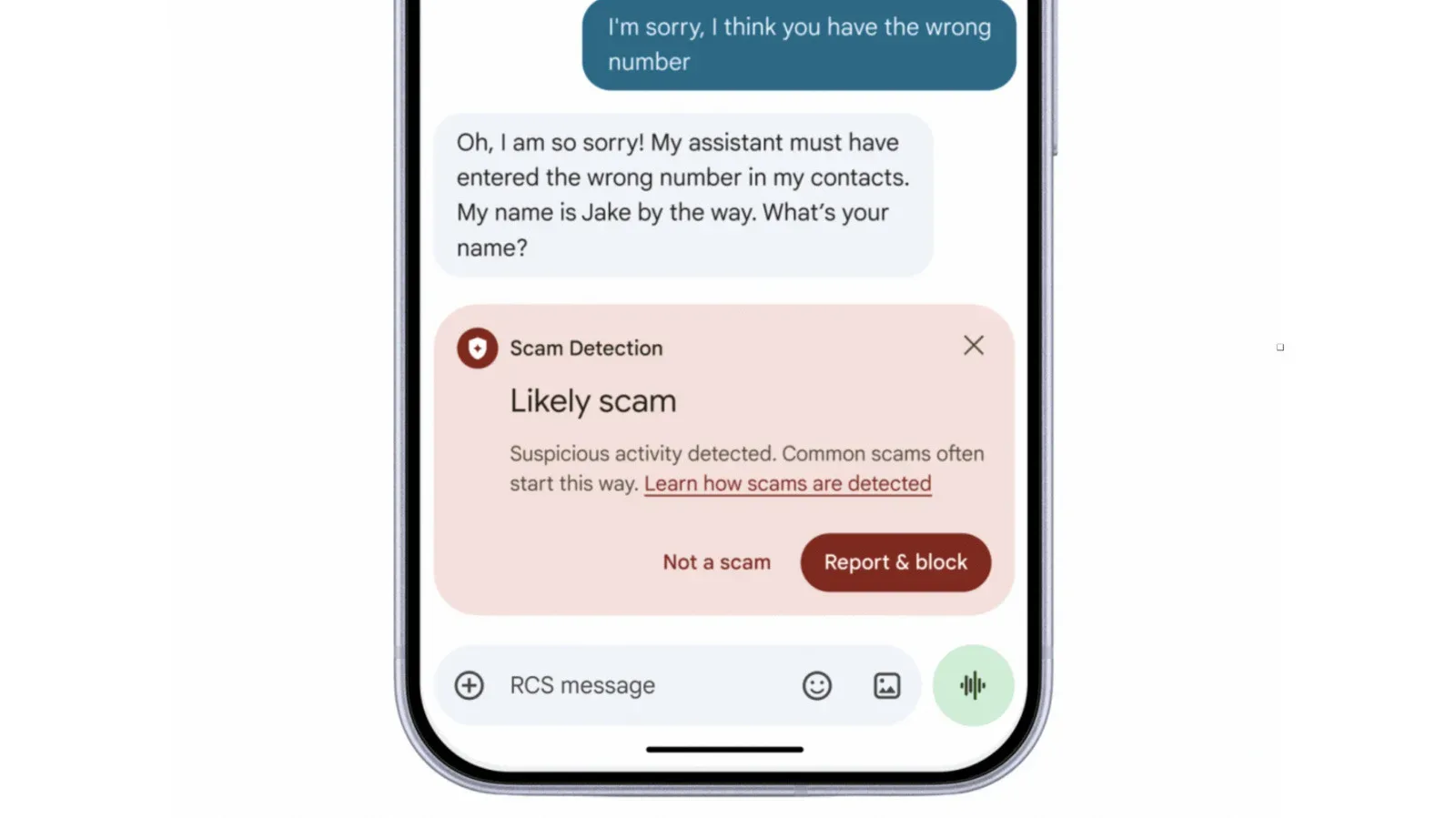
It is a useful backdrop for other consumer-AI developments, including efforts to put protective AI features directly into mobile software. Android’s Gemini scam-warning push, for example, illustrates how AI is increasingly framed as an embedded device capability rather than a separate novelty app. Apple’s China rollout, if completed as indicated, would similarly make AI a more direct part of the local iPhone, iPad, Mac and Vision Pro experience.
What to watch next
- Availability: Apple has not yet rolled out Apple Intelligence on the mainland, despite having reportedly received clearance in July.
- Supported devices: The arrangement is expected to cover compatible iPhone, iPad, Mac and Vision Pro models sold to Chinese customers.
- Feature scope: The available information points to Qwen and Tongyi Wanxiang approvals, but does not set out a final region-specific feature-by-feature list.
- Siri’s role: The new and improved Siri AI is being highlighted as a major iPhone Duo software feature, making the timeline especially relevant to that launch.
For now, the clearest reading is that Apple Intelligence in mainland China has moved beyond speculation and toward deployment, with Alibaba’s approved AI tools providing the reported local foundation. The remaining question is how quickly Apple turns that regulatory and technical groundwork into a live service for customers.