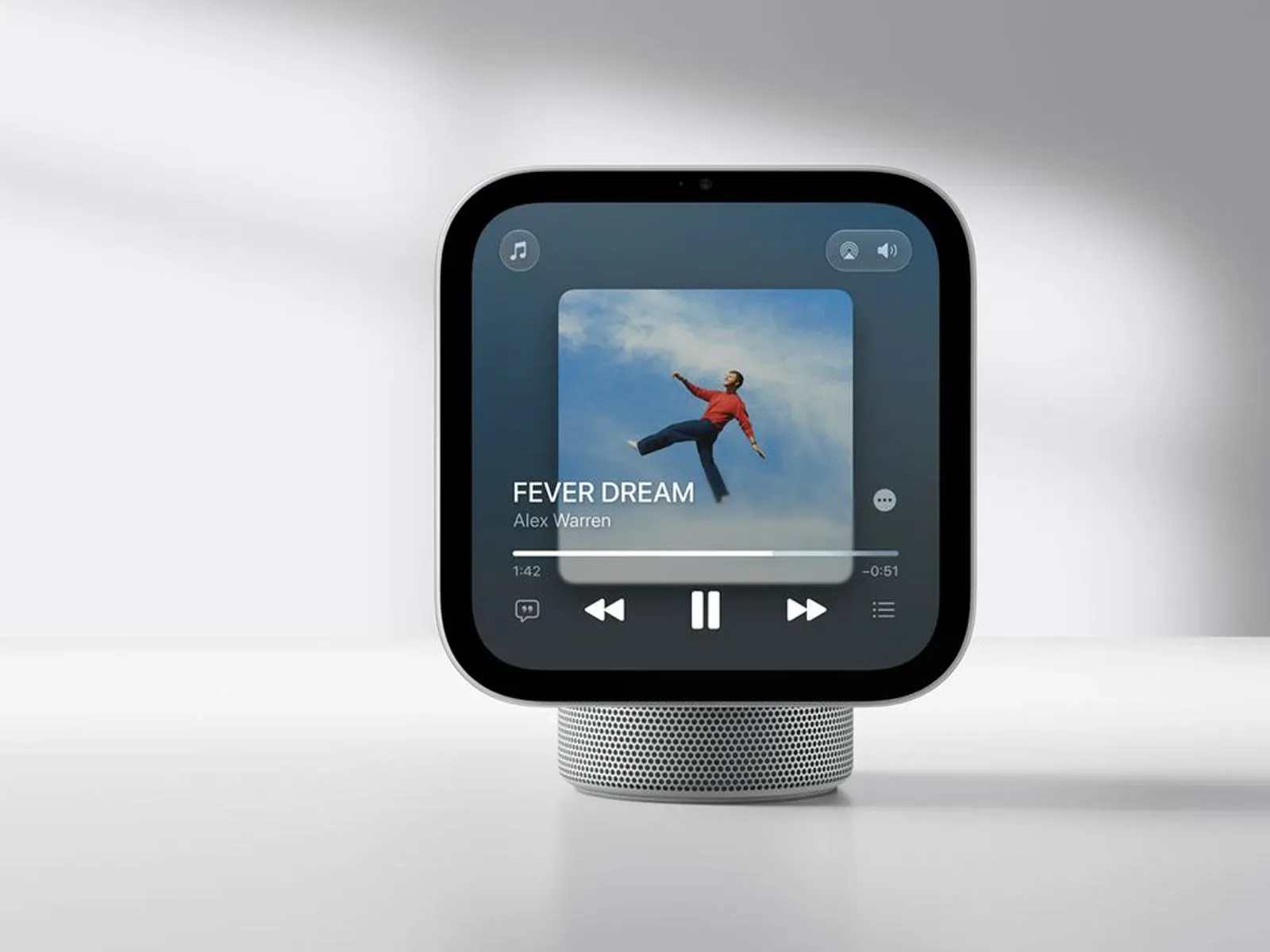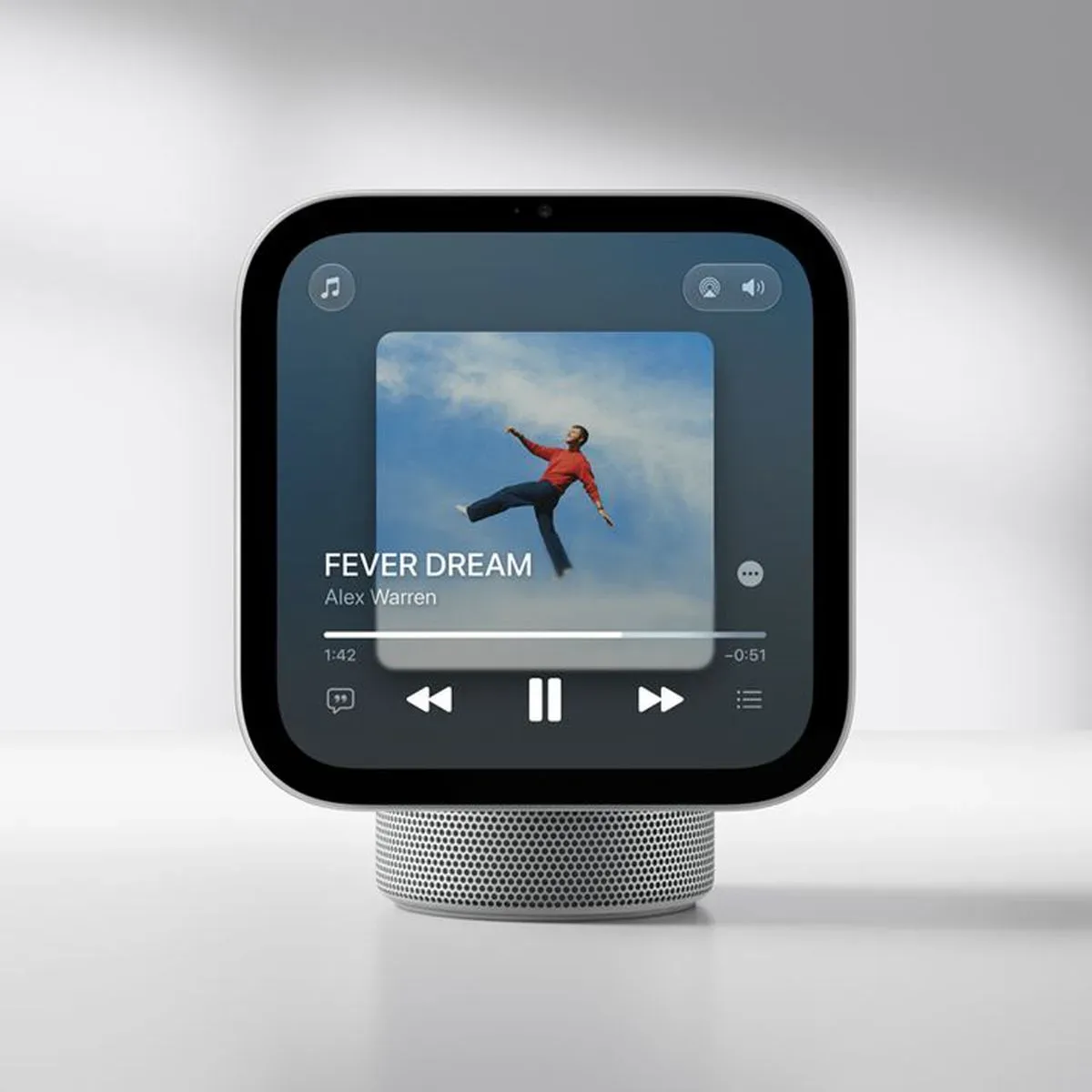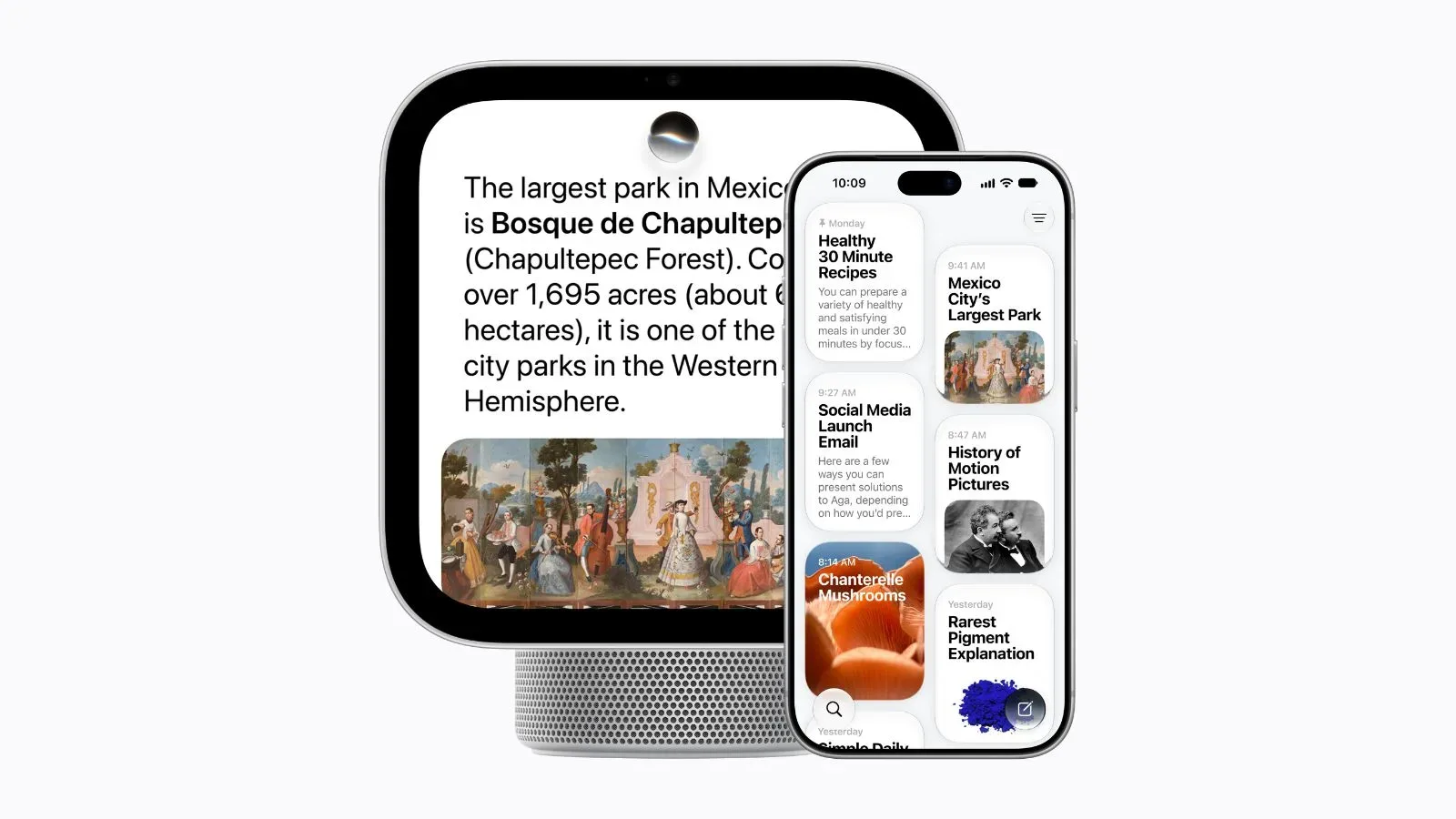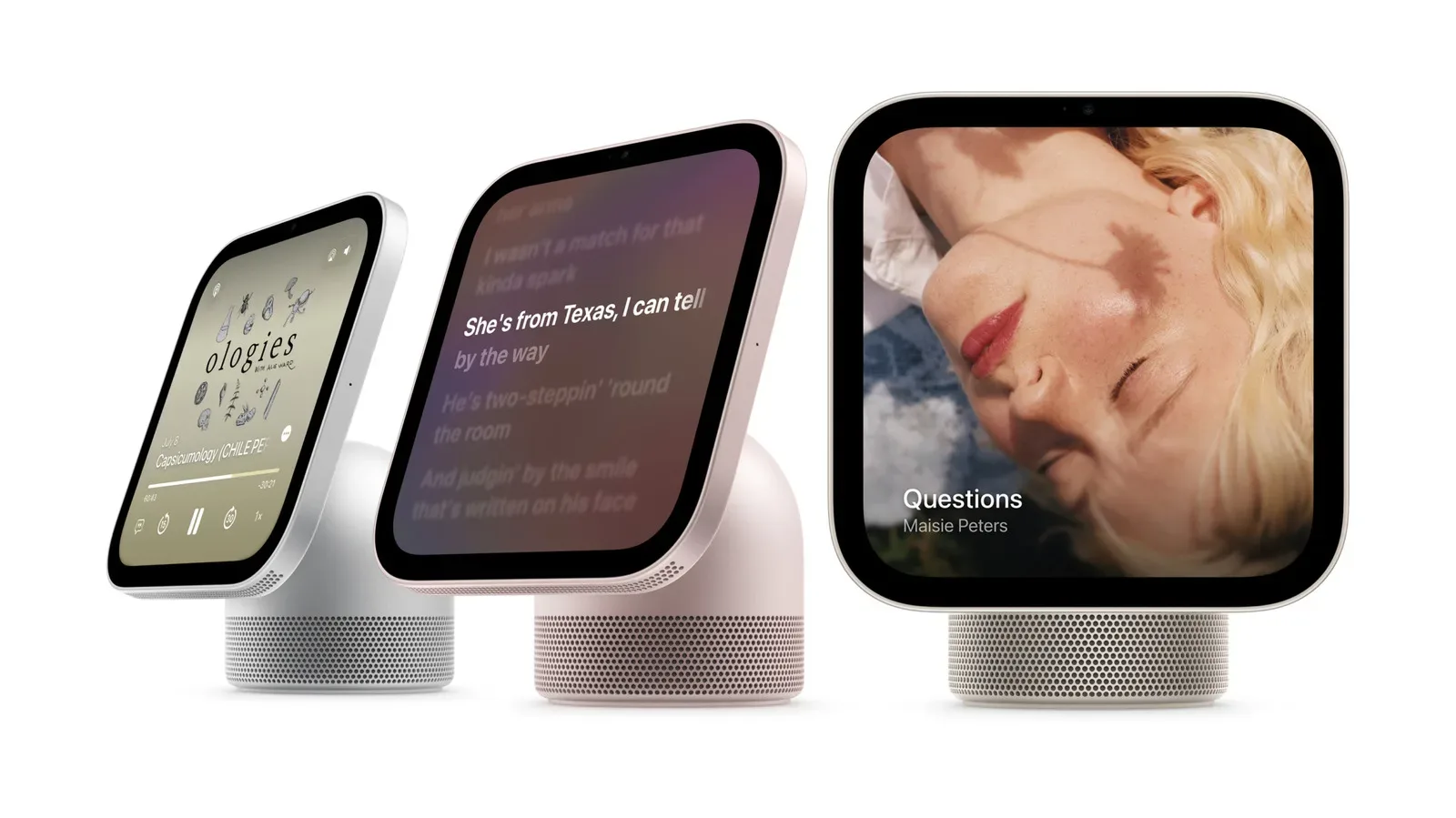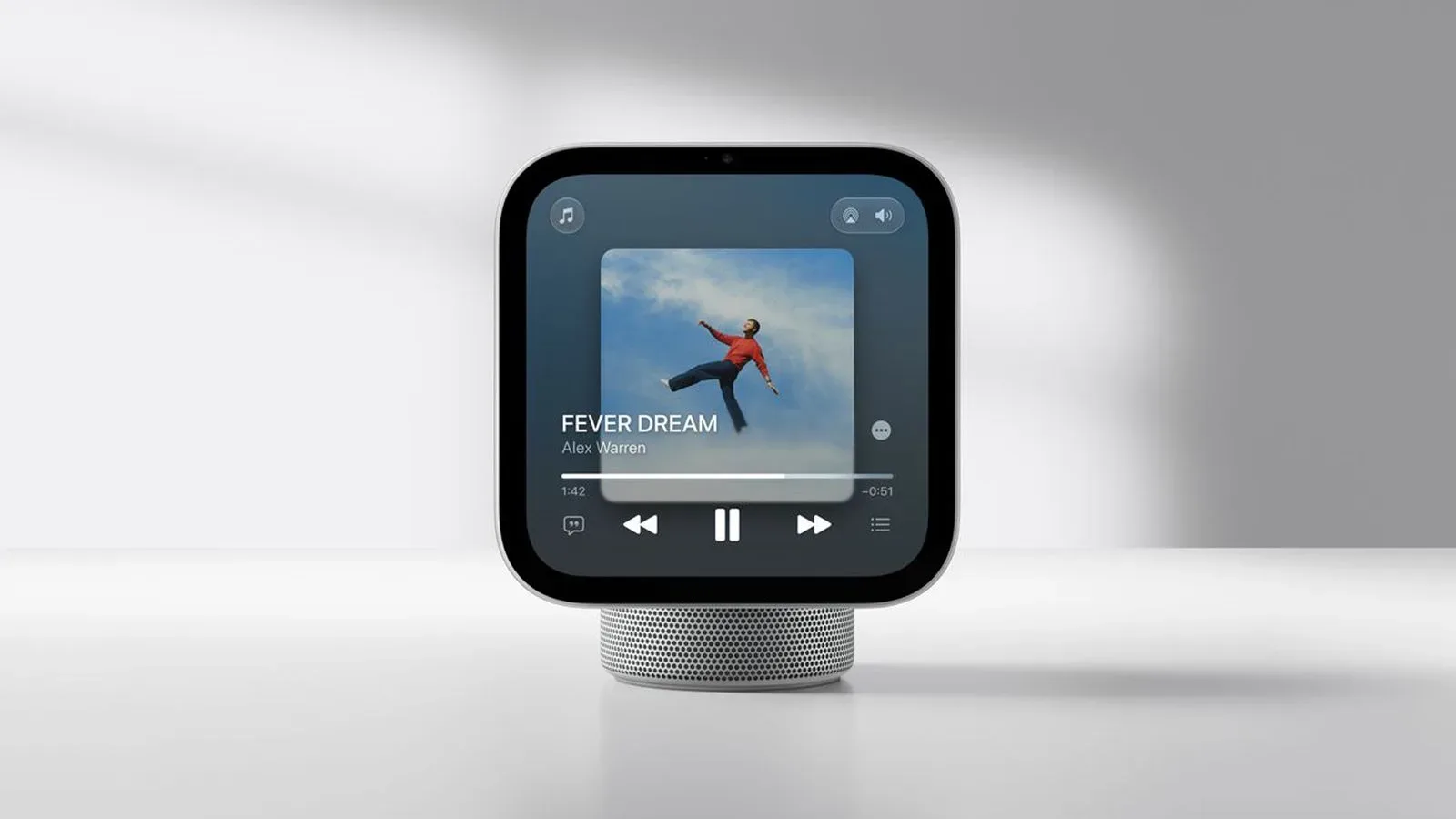
An Apple HomeView unit underwent regulatory testing in October 2024 while running software identified as HomeView version 18, a newly surfaced FCC document indicates. The filing creates a notably earlier checkpoint for the device than its eventual arrival and supplies the strongest available evidence that the project’s schedule was tied closely to Apple’s delayed Siri AI work.
The key point is not merely that a device existed in 2024. Regulatory testing generally happens when hardware is sufficiently complete to be evaluated for compliance, particularly around the radio technologies it uses. It is not the same thing as a public product launch, a confirmation of final retail specifications, or proof that a release is imminent. But it does establish that Apple was working with HomeView hardware and dedicated software at that time.
What the October 2024 filing establishes
The document identifies software that would now be called HomeView version 18. That naming detail matters because it connects the tested unit to the HomeView product line rather than simply pointing to an unidentified piece of Apple hardware.
Regulatory records can be useful windows into the long middle stage of consumer technology development. A company may need to put equipment through testing before it can be sold or operated in a given market, but a filing does not tell the whole story of a product’s readiness. Hardware can clear a required stage while software, services, manufacturing plans, or a central feature remain unfinished.
In HomeView’s case, the timing makes the software side especially important. The device was being tested in October 2024, yet the more intelligent Siri that Apple previewed at WWDC 2024 was not ready on the original timetable.
The available timeline now places tested HomeView hardware and version 18 software in 2024, while the Siri AI capability it appears designed to lean on did not launch until September.
Why Siri AI is central to the timeline
Apple previewed the more intelligent version of Siri at WWDC 2024. In March 2025, the company said it required additional time to prepare the feature. Siri AI ultimately launched this September.
Those milestones leave a substantial gap between HomeView’s regulatory testing and Siri AI’s release. The most persuasive reading is that HomeView was not necessarily waiting on its physical hardware. Instead, its intended software experience may have depended on a Siri upgrade that was still being developed.
That distinction is useful because “delayed” can describe very different problems. A hardware delay could suggest redesigns, component constraints, or certification failures. Nothing in the filing itself establishes any of those issues. The evidence instead points toward a product whose development was far enough along for regulatory examination, but whose wider proposition was potentially held back by the timing of a major AI feature.
Understanding regulatory testing without overreading it
FCC documentation is often treated as a release-date oracle, but it is better understood as a durable record that a product or prototype reached a particular compliance stage. A regulatory test can reveal a model, radio characteristics, software references, or other technical details. It cannot by itself confirm the final version that will reach customers.
For HomeView, the most responsible conclusion is therefore narrow: Apple had a HomeView unit in regulatory testing in October 2024, and that unit ran version 18 software. The record supports the theory that Siri AI’s delay affected the product’s path to launch. It does not, on its own, map every reason for the wait or establish what may have changed between that test unit and the final product.
That degree of caution matters with AI-focused products. A smart display or home-focused interface can have its enclosure, screen, radios, and operating system in an advanced state, while the functions meant to make those parts feel useful remain unsettled. Conversational assistance is not just a decorative addition in that scenario; it can shape how people search for information, control connected devices, surface reminders, and navigate an interface without touching it.
The practical implication: features can hold up finished-looking hardware
HomeView’s reported sequence is a reminder that modern device launches are increasingly gated by software quality, not only by physical readiness. A feature presented as intelligent or contextual has to work consistently enough that it does not undermine the device it is supposed to define. If it is not ready, shipping surrounding hardware first may create confusion about what the product can actually do.
For prospective buyers, the lesson is to separate two questions: whether a device is technically ready to be sold, and whether the experience promoted around it is ready to be relied upon. Regulatory testing can speak to the first question. A delayed AI release speaks to the second.
The same principle applies across screen-based personal technology. Interface changes can alter how a device fits into daily use more than a basic spec sheet suggests, as explored in this look at how a screen change affects the Fitbit Edge and Fitbit Air. For a home-oriented product, the interaction model is even more consequential if voice requests and an assistant are expected to carry much of the load.
What remains unknown
The filing gives the public a concrete October 2024 date for HomeView regulatory testing and its version 18 software, but several questions remain outside the evidence available here. The record does not detail HomeView’s final hardware design, the full feature set it will offer, whether the tested software matched final shipping software, or precisely how Apple structured the relationship between HomeView and Siri AI.
It also cannot determine whether Siri AI was the only factor in HomeView’s longer route to release. What it can do is tighten the chronology. Apple had already brought HomeView hardware to regulatory testing in 2024. The enhanced Siri it had previewed that year then slipped, with Apple acknowledging in March 2025 that more time was needed before its September launch.
That sequence makes a software-led explanation considerably more credible than the notion that HomeView simply had not progressed beyond early hardware work. The device appears to have been real and far enough along for formal testing; the intelligence meant to underpin its experience was the portion that took longer.