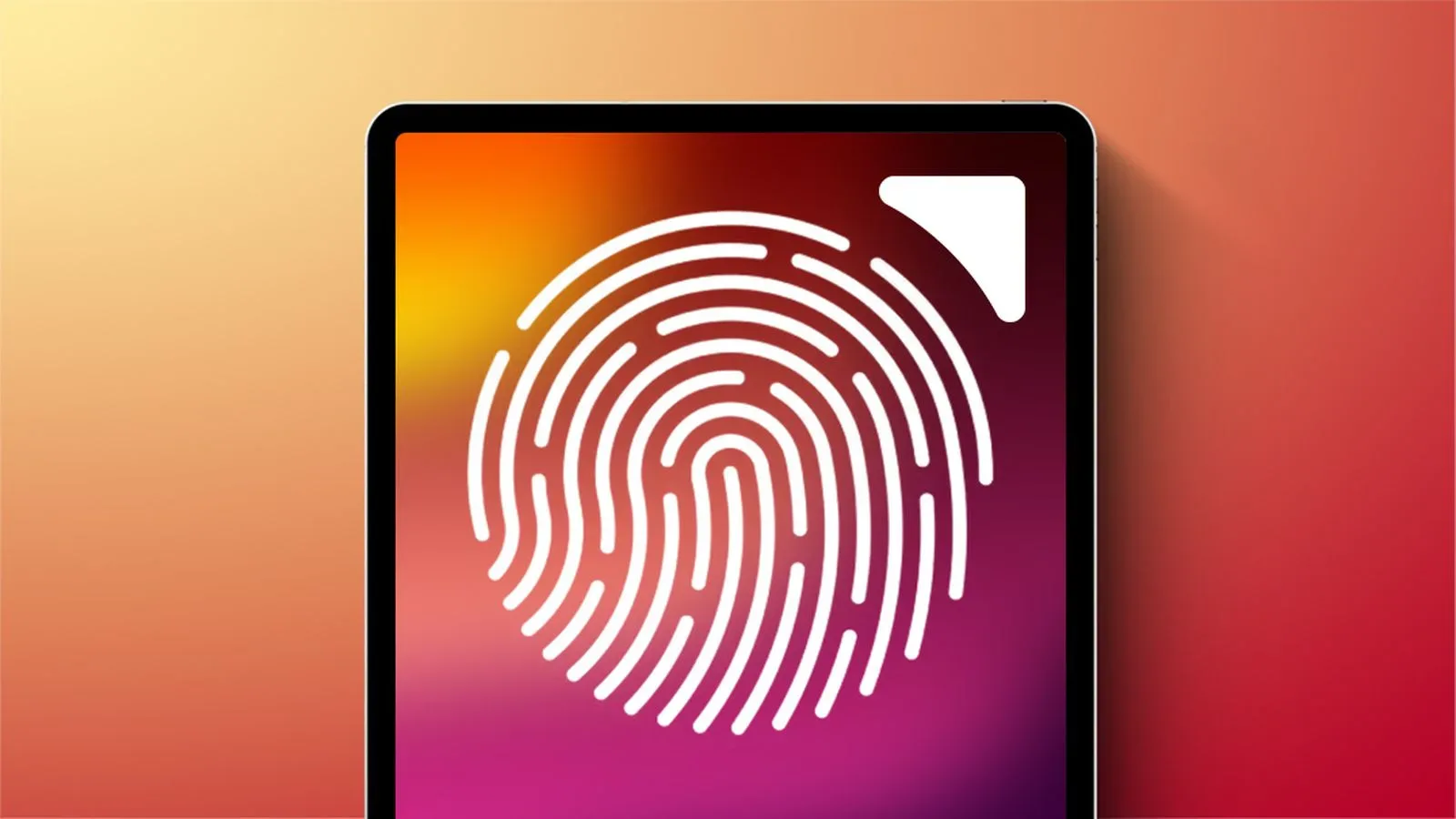
Apple is facing a new patent lawsuit centered on Face ID, the biometric authentication system that has become a familiar gatekeeper between users and their phones, tablets, passwords, payment apps, and the occasional overly confident attempt to unlock a device while wearing sunglasses. trinamiX, a subsidiary of German chemical company BASF, has sued Apple in the U.S. District Court for the Western District of Texas, alleging infringement of seven patents involving face-authentication technology.
The case is about a particularly important part of biometric security: determining whether a camera or sensor is seeing an actual person rather than a convincing substitute. In its complaint, trinamiX says it developed technology intended to resist spoofing attempts involving photographs, masks, and silicone replicas of a person’s face. The company alleges that later generations of Apple devices using Face ID incorporate protected technology relating to skin detection and material identification.
As with any newly filed civil complaint, these are allegations rather than findings of fact. Apple has not been found liable, and the litigation will need to proceed through the court process before any ruling on infringement, validity, damages, or remedies is reached. Still, the case puts a spotlight on the complex, sometimes surprisingly physical task behind a fast digital action: establishing that the face in front of a device is not merely a very persuasive prop.
The dispute focuses on liveness checks, not Face ID’s 2017 debut
trinamiX’s complaint distinguishes between Apple’s first Face ID implementation and more recent hardware. Face ID launched on the iPhone X in 2017, but trinamiX does not claim that the original version used its technology. Instead, it contends that newer iPhones and iPads are the relevant products, alleging that Apple’s later Face ID-related changes brought skin and material detection into the authentication process in a manner covered by the seven patents.
That distinction matters. A face-unlock system must do more than identify facial features if it is expected to secure sensitive information. It also has to address presentation attacks, the industry term for attempts to fool biometric systems with something that resembles the authorized user. A printed image, a display showing a selfie, a mask, or a molded replica may have a face-like shape or appearance. The question is whether the system can recognize the difference between a live human face and an object that happens to look like one.
According to the allegations, trinamiX’s approach helps distinguish actual skin from materials associated with spoofing. The asserted patents are described as covering two related areas: detecting skin as part of a face-unlock check, and identifying the material composition of an object. In plain English, the proposed security layer is less “do these eyes and cheekbones match the enrolled face?” and more “is this presentation made of the kind of material a real person is made of?”
That may sound like a tiny detail, but authentication details are where a feature becomes a security system. A device that instantly recognizes a user is convenient; a device that instantly recognizes a glossy photo as a user is convenient only for the person holding the photo. For anyone using mobile devices for accounts, banking, purchases, game logins, saved credentials, or private messages, reliable anti-spoofing measures are central to the promise of biometric access.
Which Apple products are named in the complaint?
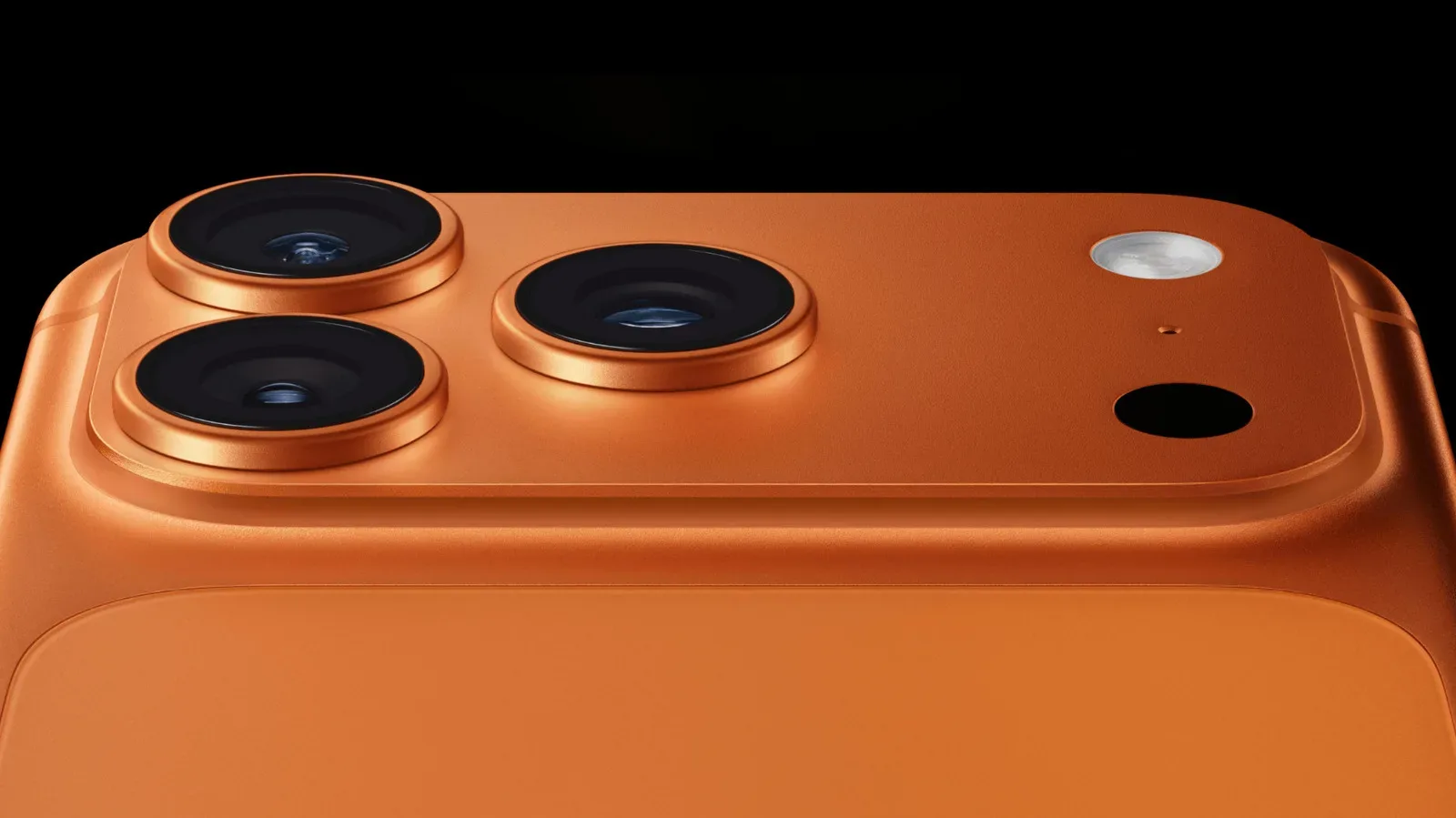
trinamiX identifies a wide range of Apple hardware as accused products. The listed iPhones include the iPhone 15, iPhone 15 Plus, iPhone 15 Pro, and iPhone 15 Pro Max. The complaint also names the iPhone 16, iPhone 16e, iPhone 16 Plus, iPhone 16 Pro, and iPhone 16 Pro Max, as well as the iPhone 17, iPhone 17e, iPhone 17 Pro, iPhone 17 Pro Max, and iPhone Air.
Apple’s tablet lineup is included too. The accused iPads listed are the 11-inch iPad Pro (4th generation), the 12.9-inch iPad Pro (6th generation), and the 11-inch and 13-inch iPad Pro models using M4 and M5 chips.
- iPhone 15, iPhone 15 Plus, iPhone 15 Pro, and iPhone 15 Pro Max
- iPhone 16, iPhone 16e, iPhone 16 Plus, iPhone 16 Pro, and iPhone 16 Pro Max
- iPhone 17, iPhone 17e, iPhone 17 Pro, iPhone 17 Pro Max, and iPhone Air
- 11-inch iPad Pro (4th generation) and 12.9-inch iPad Pro (6th generation)
- 11-inch and 13-inch iPad Pro models equipped with M4 and M5 chips
The breadth of that list reflects the stakes of a patent dispute tied to a core platform feature. Face authentication is not a niche add-on buried in a settings menu; it can be part of the daily operating rhythm of a device. That does not establish trinamiX’s claims, but it explains why the requested remedies are potentially significant if the company eventually succeeds.
What trinamiX is asking the court to do
trinamiX is seeking a judgment that Apple infringed the asserted patents. It also asks the court to prevent Apple from making, using, selling, offering to sell, or importing the accused products. In addition, the company seeks damages and attorneys’ fees, and it has requested a jury trial.
An injunction request should not be read as an immediate threat to store shelves. Patent cases can take substantial time, and the outcome may involve defenses, challenges to the patents, disputes over how patent claims should be interpreted, potential licensing discussions, or other procedural turns. The requested relief is what trinamiX wants the court to consider; it is not a remedy that has been granted.
The complaint alleges that Apple knew, or should have known, that incorporating Face ID with skin and material detection had a high probability of infringing trinamiX’s patents. It further claims substantial damages and irreparable harm. Apple will have an opportunity to respond to those assertions in court.
Why material detection is an increasingly relevant security question
Biometric authentication often gets described as futuristic, but its underlying concerns are wonderfully old-fashioned: identity, trust, and whether the person at the door is really the person they say they are. The modern version simply involves infrared sensors, algorithms, encrypted data, and a phone that becomes mildly suspicious when handed a theatrical-quality mask.
Material detection is relevant because visual resemblance alone can be insufficient. A photo can reproduce a face’s colors and features. A mask can add depth. Other replicas can attempt to imitate contours or textures. Systems designed to assess skin or classify materials aim to add another source of evidence before granting access. The lawsuit therefore turns on a technical boundary with broad implications: which components and methods are being used, how they operate, and whether they fall within the legal scope of the patents trinamiX asserts.
For people whose digital hobbies run from competitive games to collecting, the same principle applies across many connected devices: secure access is usually invisible until it fails. Network security has similar tradeoffs between convenience and protection, including the choices explained in why 2.4GHz and 5GHz bands matter for gaming Wi-Fi. Face authentication tackles a different layer of the problem, but it likewise asks a device to make a quick, dependable decision amid imperfect real-world conditions.
A case about patents, not a verdict on Face ID security
It is important to separate the lawsuit’s allegations from a claim that Face ID is unsafe or that Apple has admitted to copying anyone’s work. The available allegations concern intellectual-property rights, not a disclosed exploit or a reported failure of Face ID authentication. trinamiX is arguing that particular technologies used in later Apple devices infringe its patented inventions. Apple may contest that characterization, the applicability of the patents, their validity, or other aspects of the case.
The dispute nonetheless illustrates how tightly hardware, software, materials science, and legal ownership can overlap in consumer technology. The user experience may be as simple as a glance at a screen. Behind that glance, however, are sensors, computational models, anti-spoofing design, product engineering, and—now in this case—a seven-patent legal argument headed for a jury request in federal court.
For the moment, Apple’s named iPhones and iPads remain accused products in an unresolved lawsuit. The next meaningful developments will come from filings, court decisions, and any response Apple makes as the case moves forward.